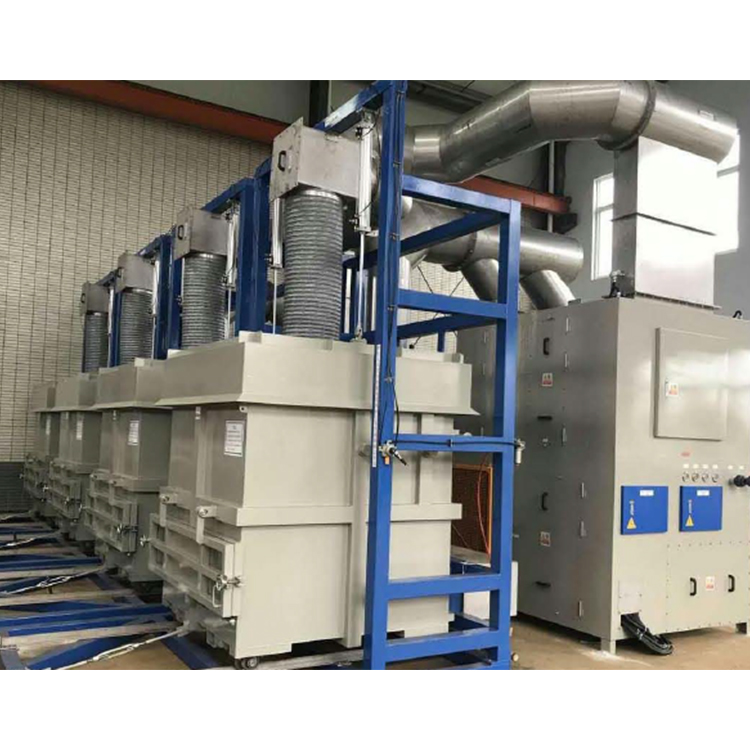


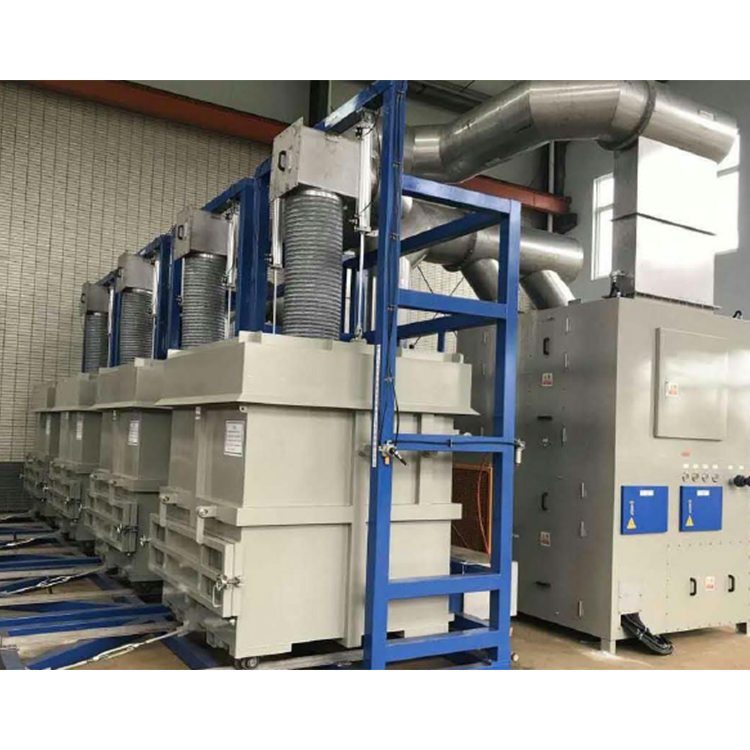










High risk waste chemical sludge heat pump drying and drying unit
With the development of the times and the increase of various demands, chemical enterprises have also grown rapidly. However, with the development of these chemical enterprises, a large amount of industrial sludge has also been generated. As an important component of waste, chemical sludge contains a large amount of pathogens, parasites (eggs), heavy metals such as copper, zinc, chromium, mercury, salts, as well as toxic and harmful substances such as polychlorinated biphenyls, dioxins, and radioactive nuclides that are difficult to degrade.
The final disposal of toxic and harmful sludge has a significant impact on our environment, so it is necessary to achieve safety goals for the treatment of these sludge. In order to achieve these goals, the corresponding cost of final disposal has also increased. How to reduce the moisture content of sludge and reduce sludge volume is currently an important solution goal.
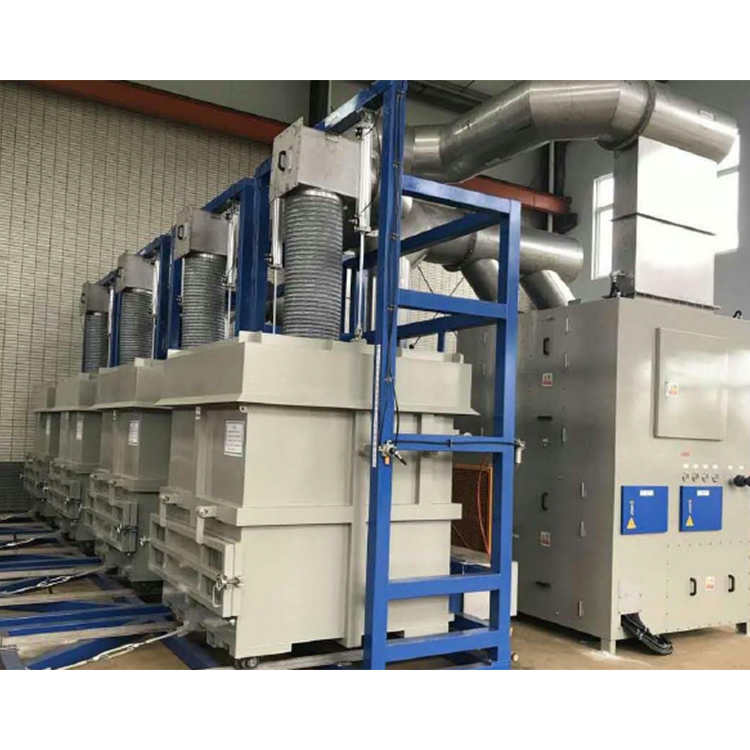
The sludge drying equipment of Worsley New Energy Company. Provided a low-carbon and environmentally friendly solution for sludge treatment and disposal. This system mainly utilizes a closed system to perform secondary dewatering on sludge cake, using heat pump sludge dewatering technology to achieve the dewatering goal at a relatively economical operating cost, reducing the moisture content of sludge cake to below 20%.
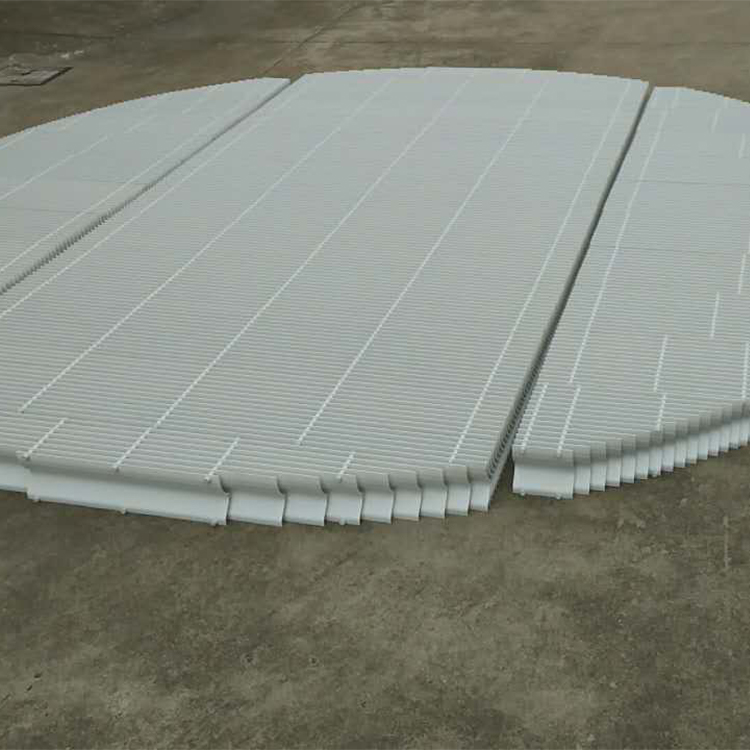
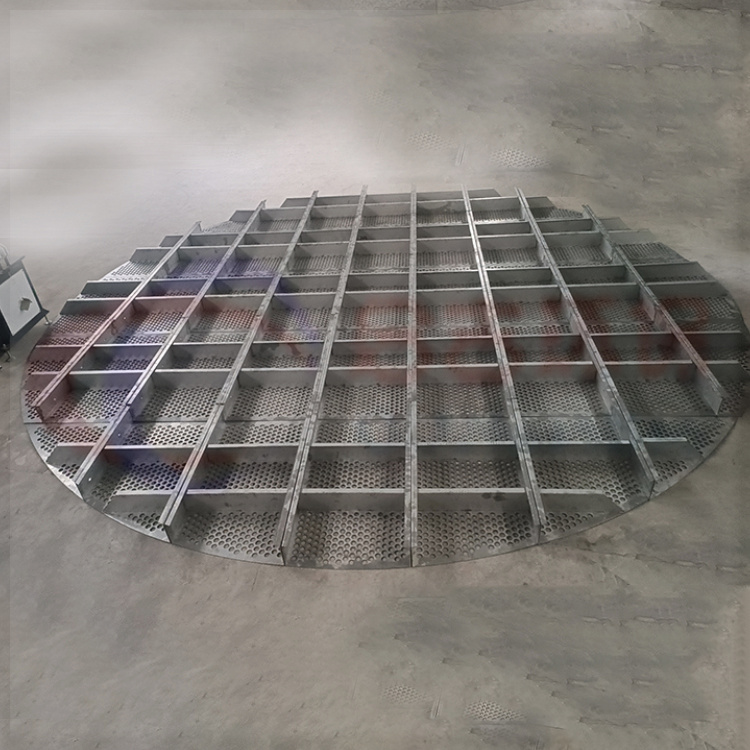
The system includes other auxiliary devices such as heat pump, conveying, drying chamber, and automation control.
Basic Principles
1The circulating sludge dryer aims to break the traditional system design of sludge dewatering and then drying, with energy and heat value determined by2The group circulation system alternately exchanges heat value to discharge water from the sludge, in order to achieve the goal of drying and reducing sludge;
2. The heat generated by the heat exchanger in the system when circulating air releases heat increases the temperature of the circulating air. When the circulating air passes through the sludge, the hot air diffuses the moisture of the sludge into the closed circulating air. When the circulating air containing moisture flows through the cold heat exchanger again, the temperature of the circulating air decreases, and the moisture in the air drops to a low point, causing condensation and forming water droplets that are discharged. After condensation, the dry and cold air is recycled to the heat exchanger for lifting, and the water in the sludge is evaporated and discharged after passing through the sludge.