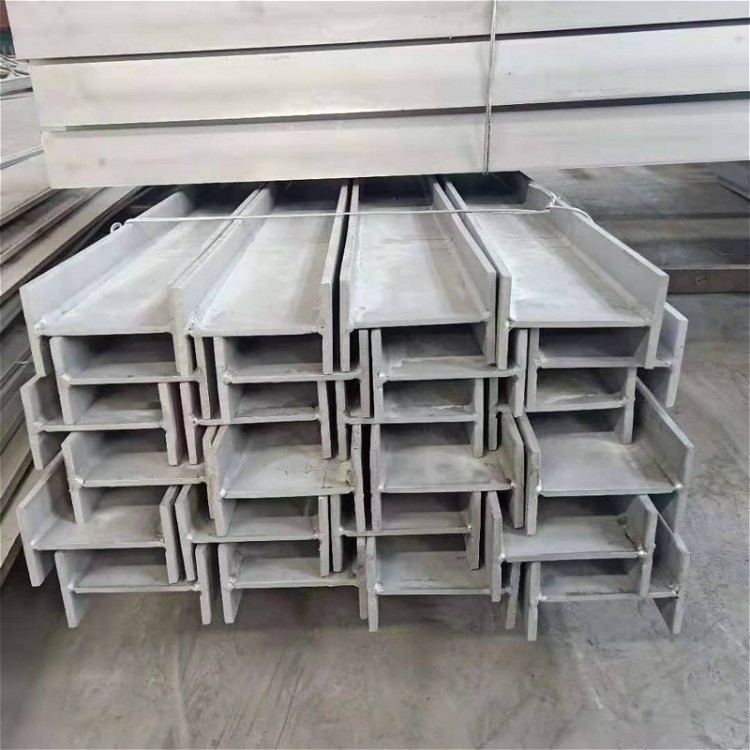


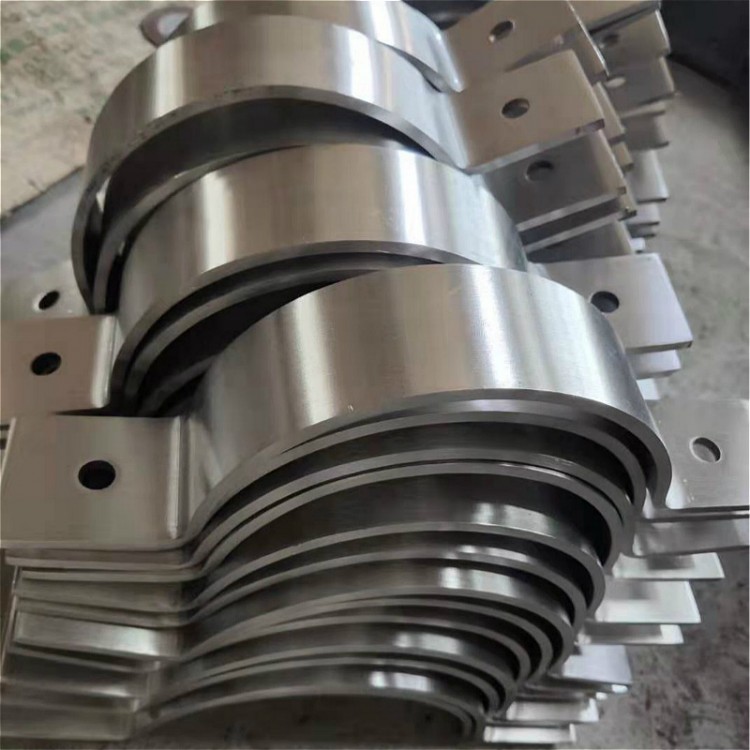















The total heat transfer coefficient of a metal depends not only on its thermal conductivity, but also on other factors. In most cases, the heat dissipation coefficient of the film layer, rust scale, and surface condition of the metal. Stainless steel can maintain a clean surface, so its heat transfer is better than other metals with higher thermal conductivity. Liaocheng Suntory Stainless Steel provides eight technical standards for stainless steel plates: corrosion resistance, bending processing performance, welding toughness, and excellent stamping processing performance of high-strength stainless steel plates and their manufacturing methods. Specifically, it refers to the appropriate content of Si, Mn, P, S, Al, Ni with C: less than 0.02%, N: less than 0.02%, Cr: more than 11% but less than 17%, and meeting the requirement of 12 ≤ Cr Mo 1.5Si≤17、1≤Ni 30(C N) 0.5(Mn Cu)≤4、Cr 0.5(Ni Cu) 3.3Mo≥16.0、0.006≤C N≤0.030 The stainless steel plate is heated to 850-1250 ℃ and then subjected to heat treatment with a cooling rate of 1 ℃/s or higher. This can become a high-strength stainless steel plate with a volume fraction of martensite above 12%, high strength above 730MPa, corrosion resistance and bending processing performance, and excellent toughness in the welding heat affected zone. Reusing materials containing Mo, B, etc. can significantly improve the stamping performance of the welding area.