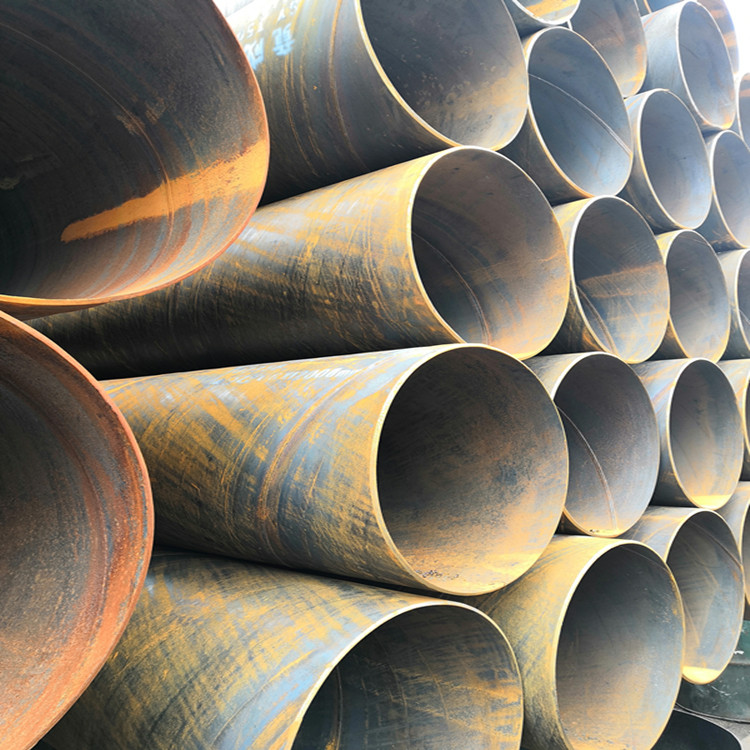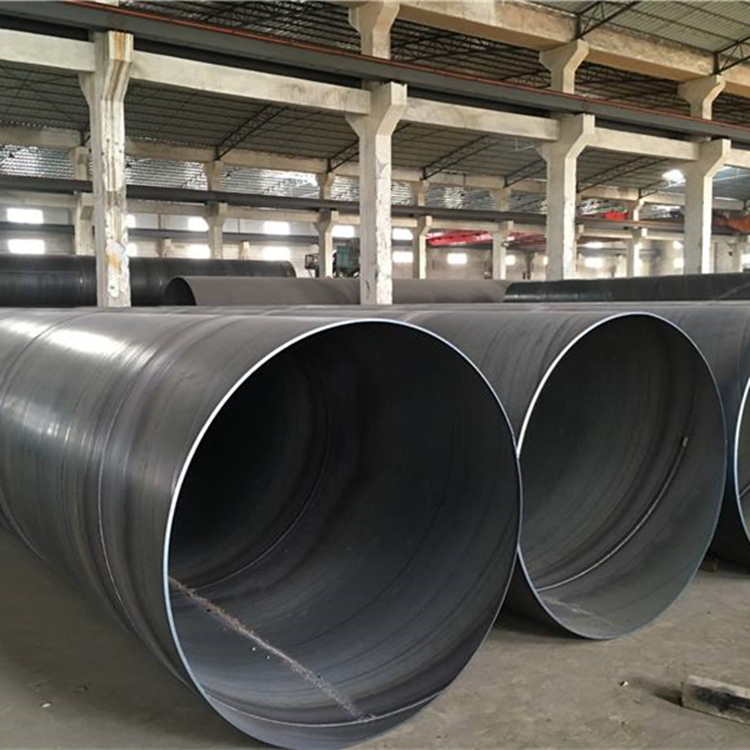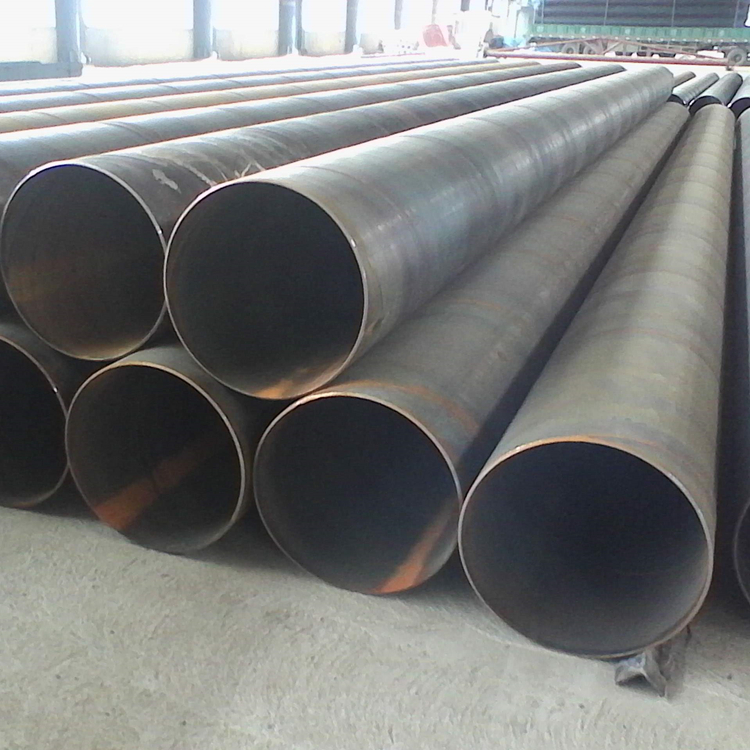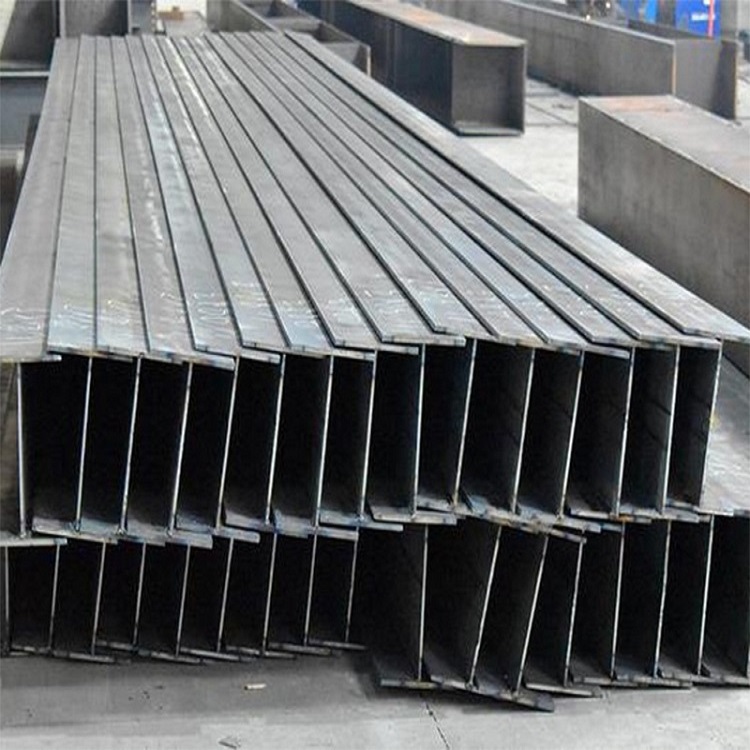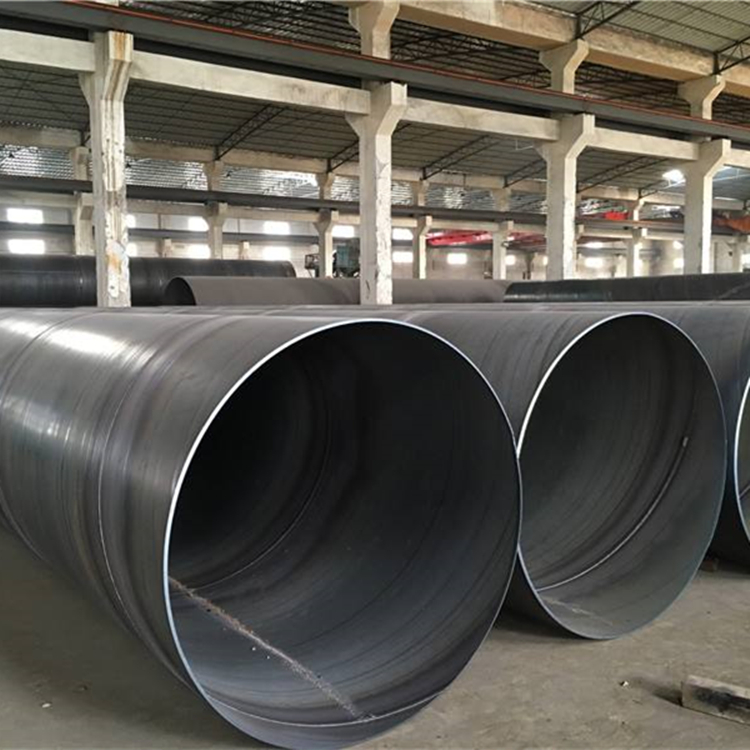

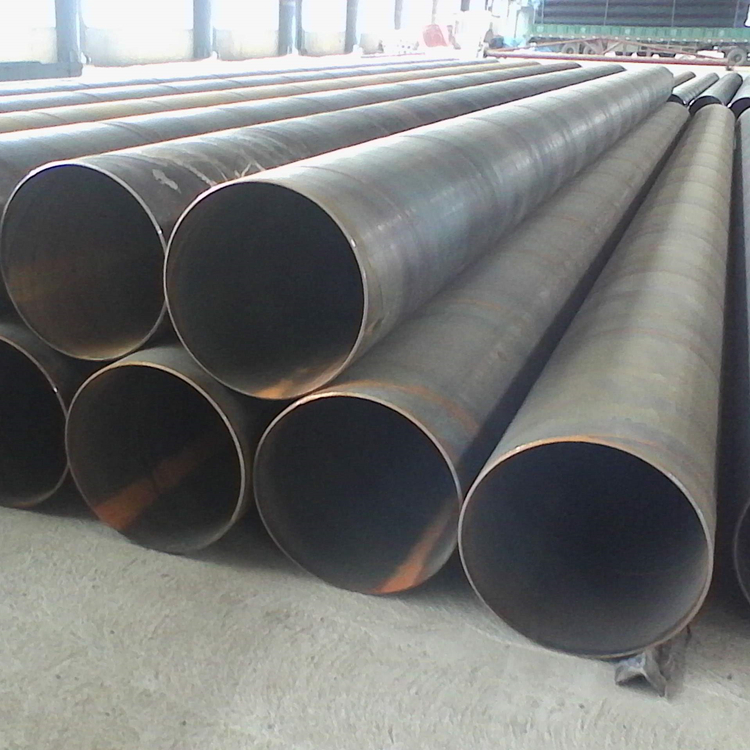
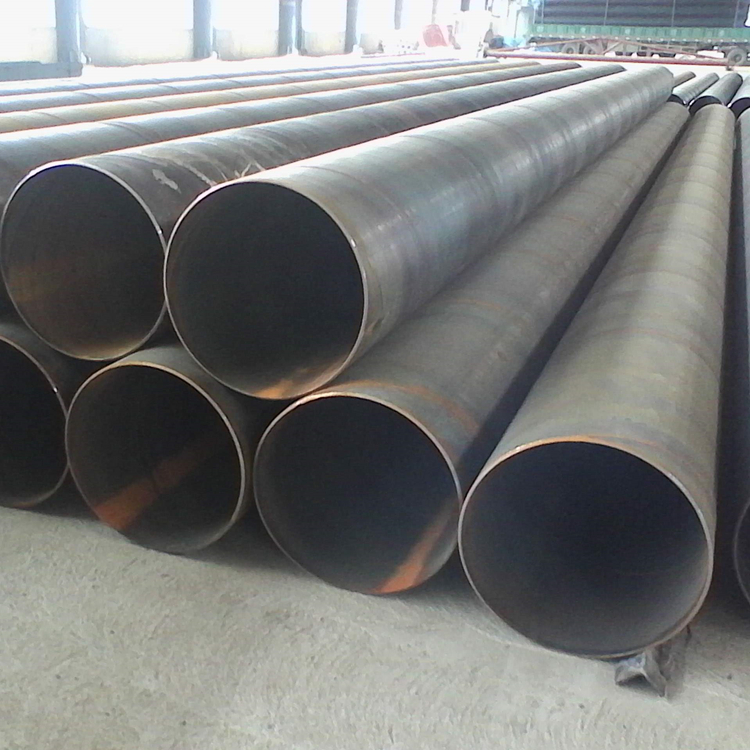















Spiral steel pipe is a spiral steel pipe made by bending strip or coil into a spiral shape and welding the inner and outer seams with double-sided submerged arc automatic welding. It can be widely used in industries such as water, electricity, and chemical production due to the following reasons.
The main process characteristics of spiral tube:
1. The double-sided submerged arc welding process used can achieve welding at the optimal position, avoiding defects such as misalignment, welding deviation, and incomplete penetration, and making it easy to control the welding quality;
2. During the forming process, the steel plate deforms uniformly, with minimal residual stress and no scratches on the surface. The processed spiral pipes have greater flexibility in the size specifications of diameter and wall thickness, especially in the production of high-grade thick walled pipes, especially in the production of medium and small-sized thick walled pipes, which have advantages that cannot be compared with other processes, and can meet more requirements of users in terms of spiral pipe specifications;
3. The equipment of the entire production line has the function of networking with the computer data acquisition system to achieve real-time data transmission, and the technical parameters during the production process are controlled by the control room;
4. The quality inspection of the spiral tube ensures that the entire production process is under effective testing, effectively guaranteeing product quality.
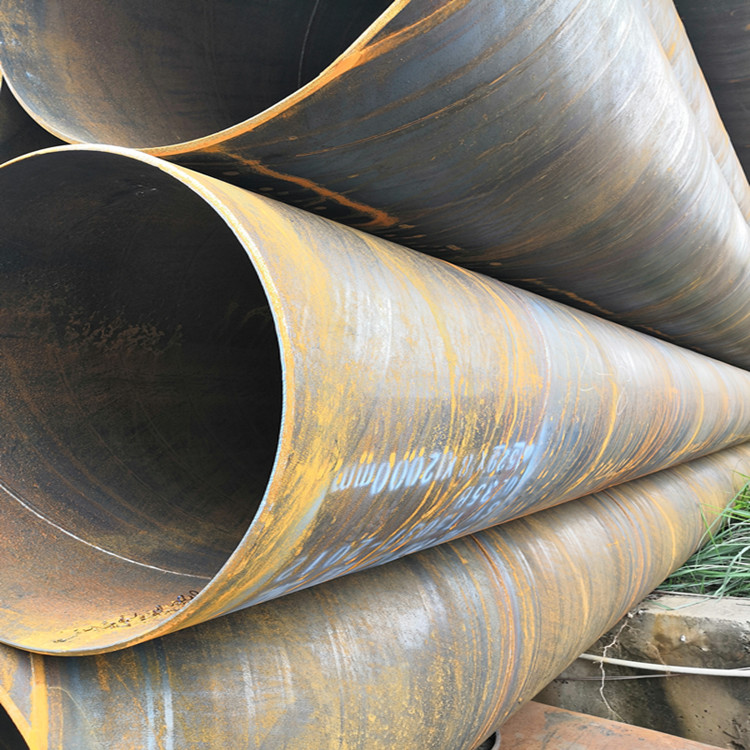
Surface treatment method for spiral tube:
1. Cleaning.
Using solvents and emulsions to clean the surface of steel to remove oil, grease, dust, lubricants, and similar organic substances, but it cannot remove rust, oxide scale, welding flux, etc. on the surface of steel, so it is only used as an auxiliary measure in anti-corrosion production.
2. Tool rust removal.
Using tools such as wire brushes to polish the surface of steel can remove loose or raised oxide scales, rust, welding slag, etc.
3. Acid washing.
Chemical and electrolytic methods are commonly used for acid washing treatment, while chemical acid washing is only used for pipeline anti-corrosion, which can remove oxide scale, rust, and old coatings. Sometimes it can be used as a post-treatment after sandblasting and rust removal. Chemical cleaning can certainly achieve a certain level of cleanliness and roughness on the surface, but its anchor pattern is shallow and prone to contamination.
4. Spray (throw) rust removal.
Spraying (throwing) rust removal is achieved by using a high-power motor to drive the spraying (throwing) blades to rotate at high speed, causing abrasives such as steel sand, steel shot, iron wire segments, and minerals to spray (throw) the surface of steel pipes under centrifugal force, which can clean rust, oxides, and dirt.
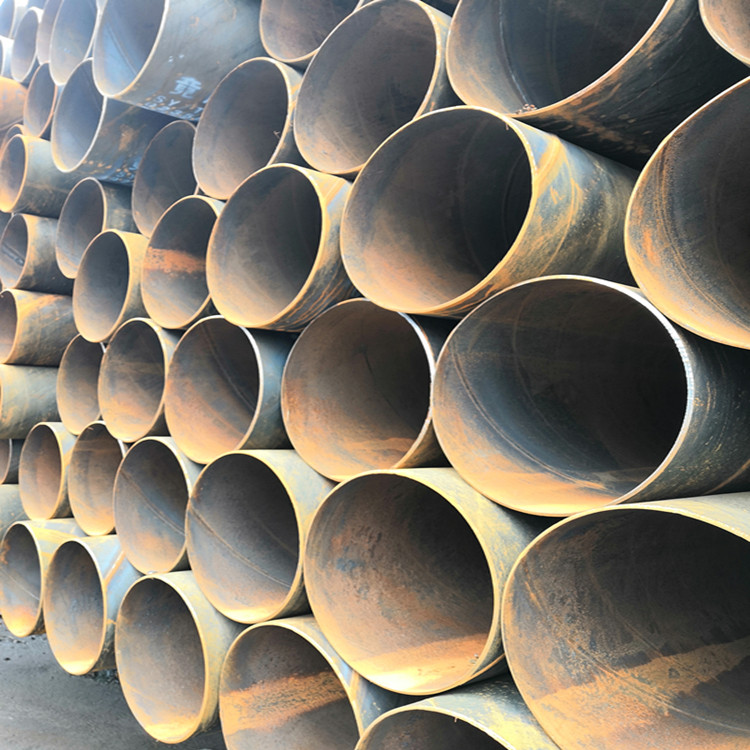
Spiral pipes are mainly used in water supply engineering, petrochemical industry, chemical industry, power industry, agricultural irrigation, urban construction, for liquid transportation: water supply, drainage, sewage treatment engineering, sludge transportation, marine water transportation. Used for gas transportation: coal gas, steam, etc. Used for structural purposes: as pile driving pipes, as bridges; Pipes for docks, roads, building structures, marine pile driving pipes, etc.
Spiral pipes are used in heating (cooling) projects, and their heat sealing effect is significant. They can be directly buried, saving energy and reducing waste. They do not occupy the environment and beautify the environment. Used for oil and gas transportation, it can meet the requirements of long-distance transportation, avoid operation and maintenance, meet the requirements of insulation and antifreeze, reduce heating equipment, facilitate installation, and shorten the construction period.
Our company adheres to the business philosophy of "integrity-based, quality first, customer satisfaction" and the competitive advantage of "complete variety, uniform specifications, good quality, and excellent service", which has won the trust and support of our customers.