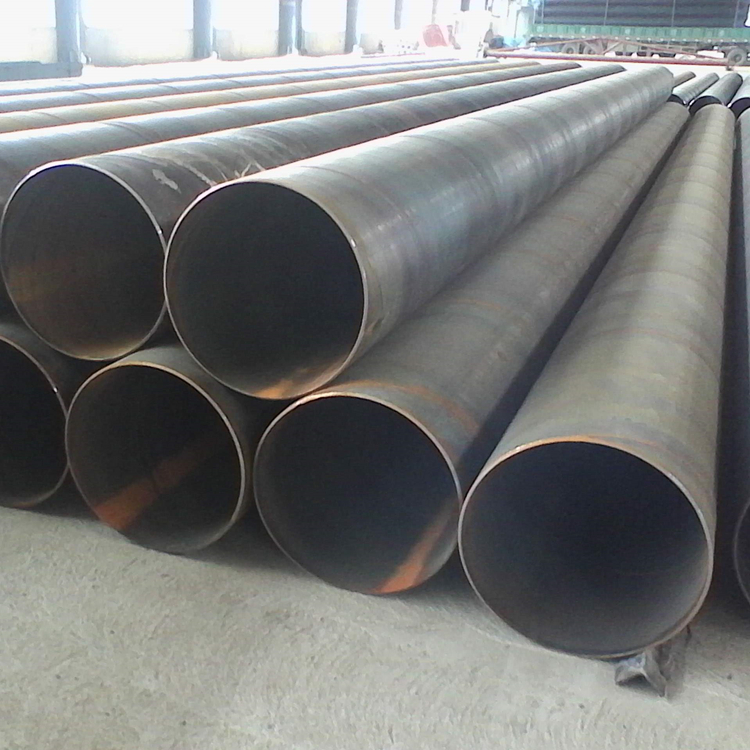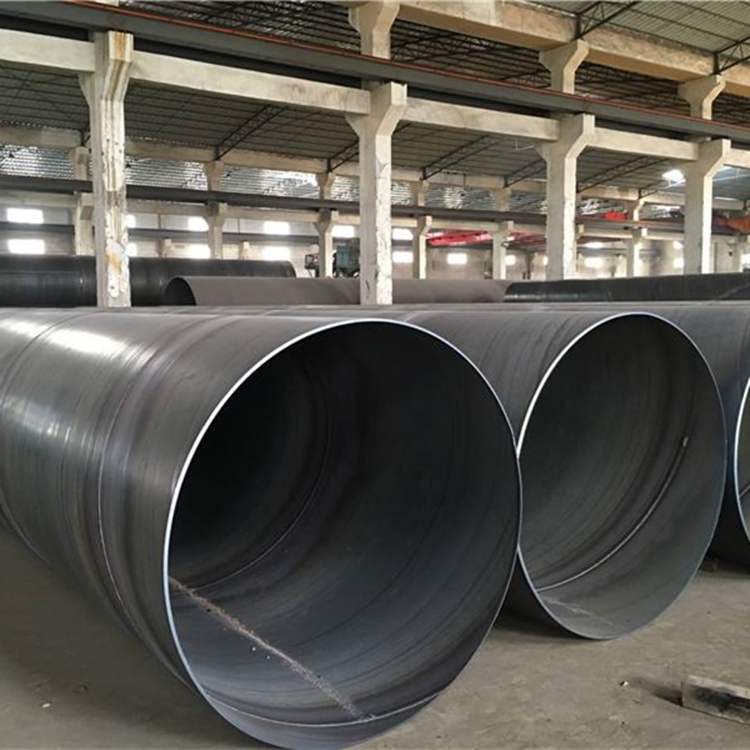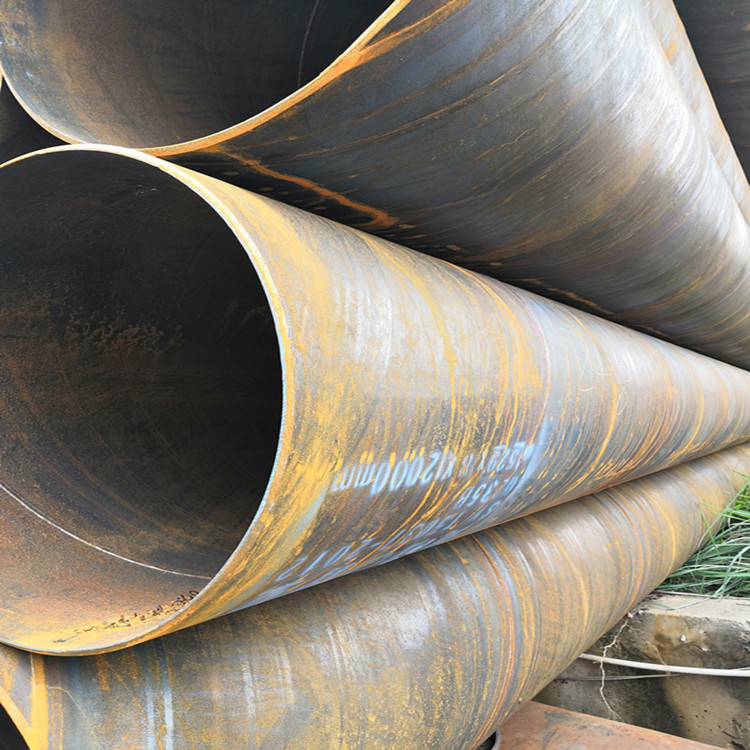

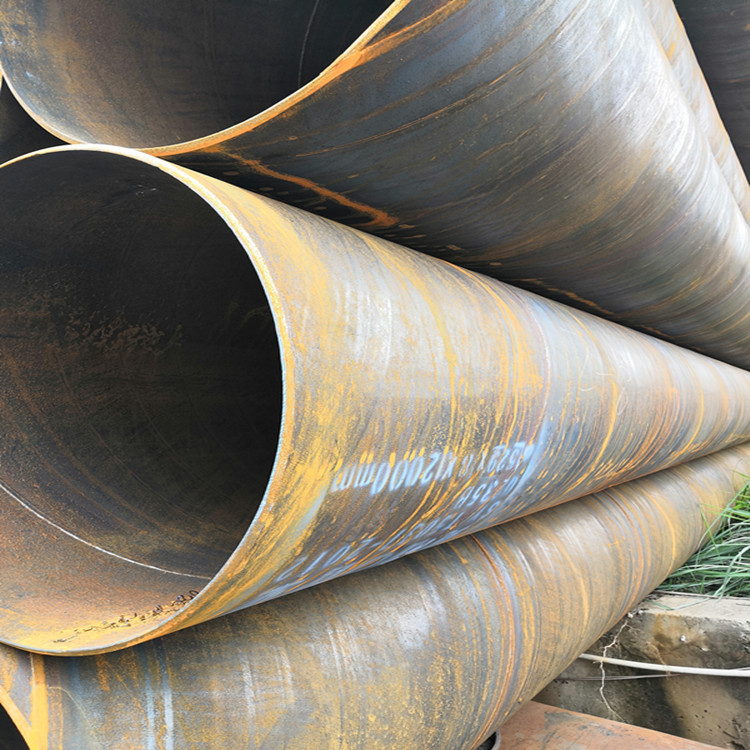
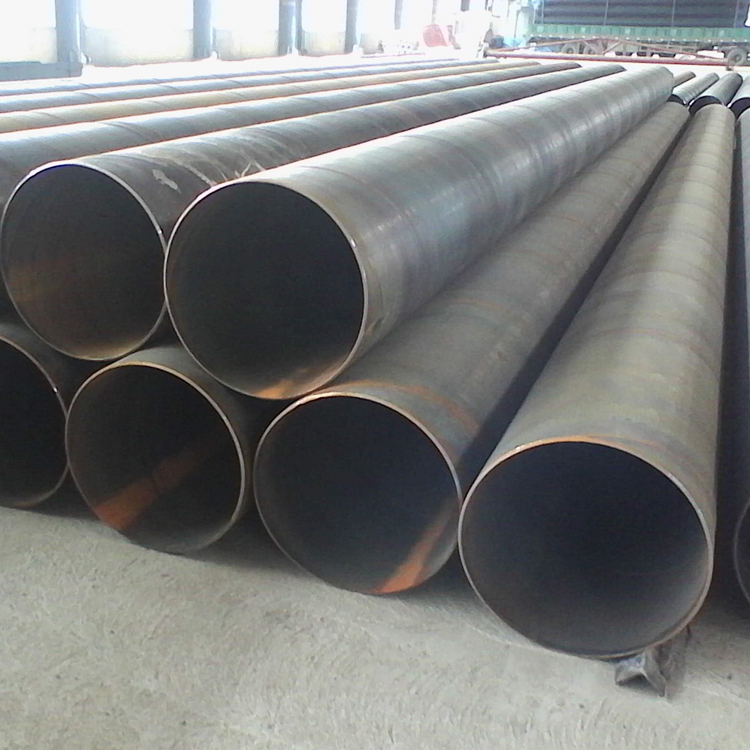
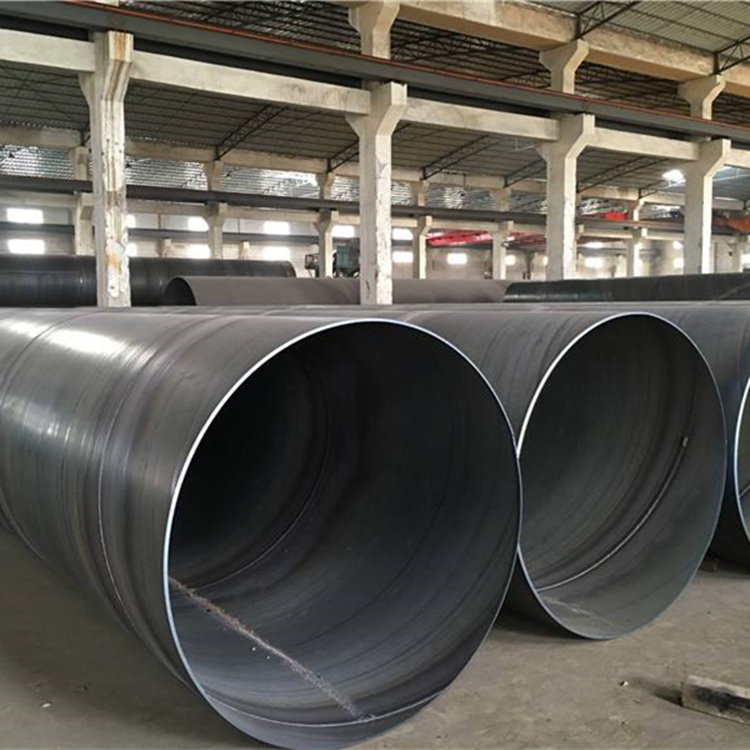















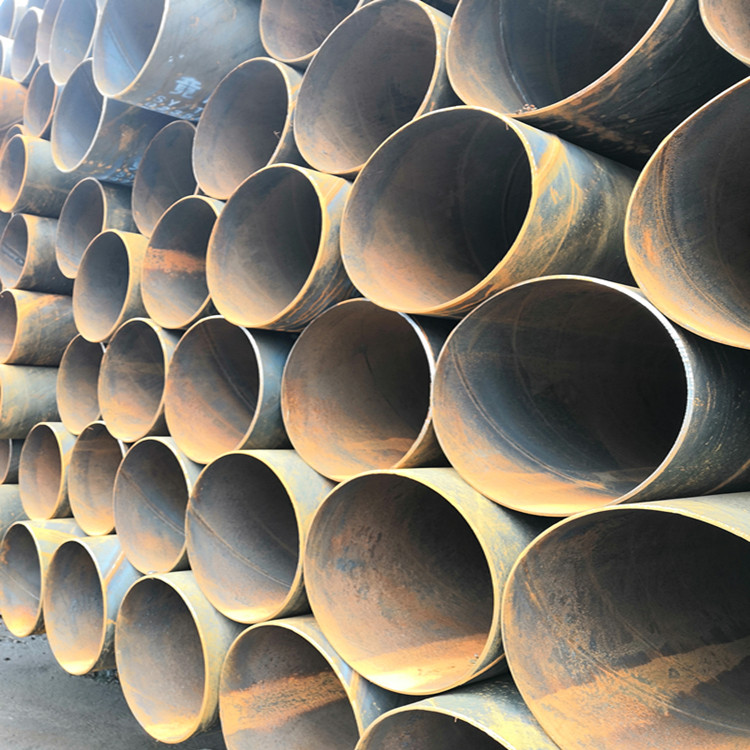
Spiral steel pipe is a spiral steel pipe made by bending strip or coil into a spiral shape and welding the inner and outer seams with double-sided submerged arc automatic welding. It can be widely used in industries such as water, electricity, and chemical production due to the following reasons.
Spiral pipes are mainly used in water supply engineering, petrochemical industry, chemical industry, power industry, agricultural irrigation, urban construction, for liquid transportation: water supply, drainage, sewage treatment engineering, sludge transportation, marine water transportation. Used for gas transportation: coal gas, steam, etc. Used for structural purposes: as pile driving pipes, as bridges; Pipes for docks, roads, building structures, marine pile driving pipes, etc.
Spiral pipes are used in heating (cooling) projects, and their heat sealing effect is significant. They can be directly buried, saving energy and reducing waste. They do not occupy the environment and beautify the environment. Used for oil and gas transportation, it can meet the requirements of long-distance transportation, avoid operation and maintenance, meet the requirements of insulation and antifreeze, reduce heating equipment, facilitate installation, and shorten the construction period.

Advantages of Spiral Tube:
1. Steel pipes of the same width can be used to produce steel pipes of different diameters. Large diameter steel pipes can be made of bismuth strip steel;
2. The stress of spiral welds is lower than that of straight welds and can withstand greater pressure;
3. Accurate size. Usually, sizing and pulling can be omitted;
4. Continuous production: In theory, steel pipes can be produced infinitely long with minimal cutting losses at the cutting head and tail, which can improve metal utilization;
5. Flexible operation and variable variety (compared to straight seam welded pipes);
6. The equipment is lightweight and requires minimal initial investment. Some equipment can be circulated and produced directly at the construction site where pipelines are laid.

Surface treatment method for spiral tube:
1. Cleaning.
Using solvents and emulsions to clean the surface of steel to remove oil, grease, dust, lubricants, and similar organic substances, but it cannot remove rust, oxide scale, welding flux, etc. on the surface of steel, so it is only used as an auxiliary measure in anti-corrosion production.
2. Tool rust removal.
Using tools such as wire brushes to polish the surface of steel can remove loose or raised oxide scales, rust, welding slag, etc.
3. Acid washing.
Chemical and electrolytic methods are commonly used for acid washing treatment, while chemical acid washing is only used for pipeline anti-corrosion, which can remove oxide scale, rust, and old coatings. Sometimes it can be used as a post-treatment after sandblasting and rust removal. Chemical cleaning can certainly achieve a certain level of cleanliness and roughness on the surface, but its anchor pattern is shallow and prone to contamination.
4. Spray (throw) rust removal.
Spraying (throwing) rust removal is achieved by using a high-power motor to drive the spraying (throwing) blades to rotate at high speed, causing abrasives such as steel sand, steel shot, iron wire segments, and minerals to spray (throw) the surface of steel pipes under centrifugal force, which can clean rust, oxides, and dirt.
Our company adheres to the standards of "green, environmentally friendly, and energy-saving", and insists on the development concept of "promoting technological progress through technological innovation and winning market users through product innovation".