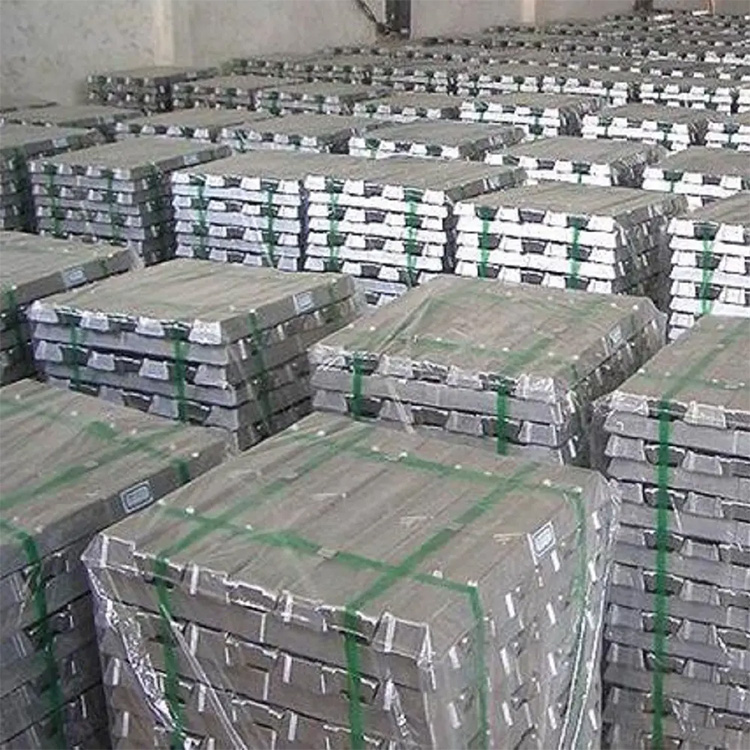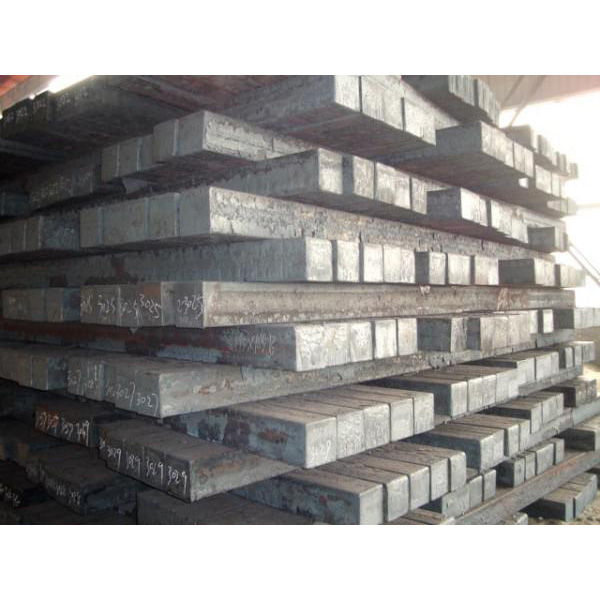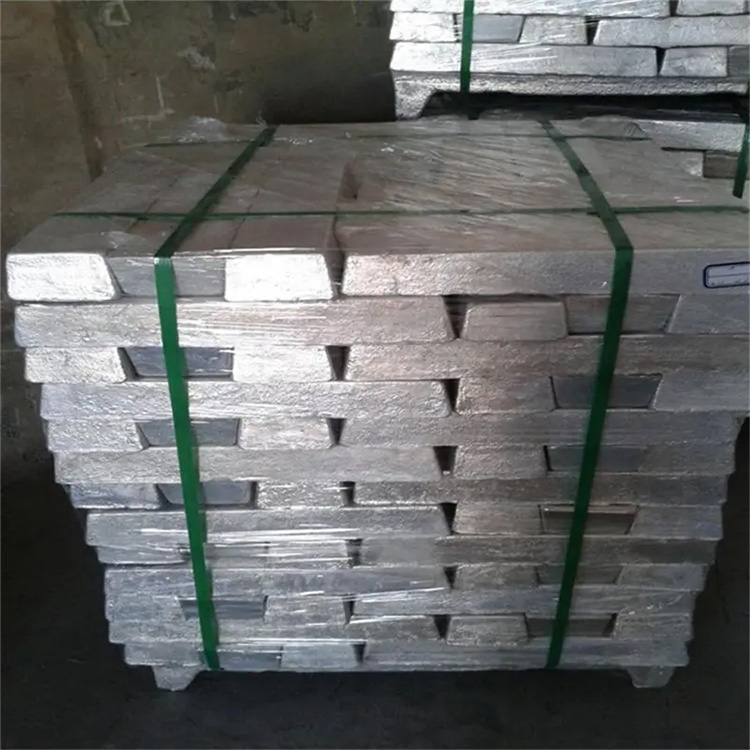

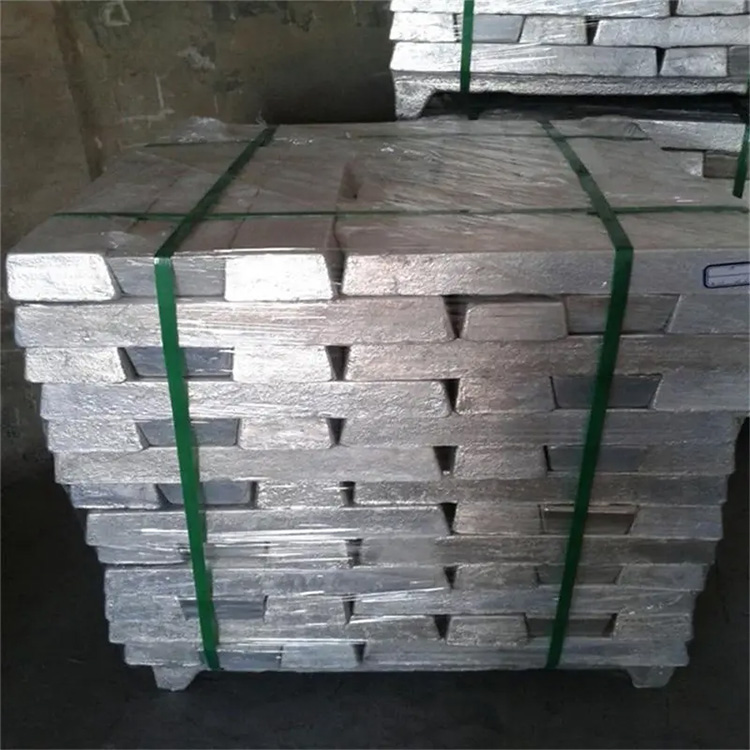
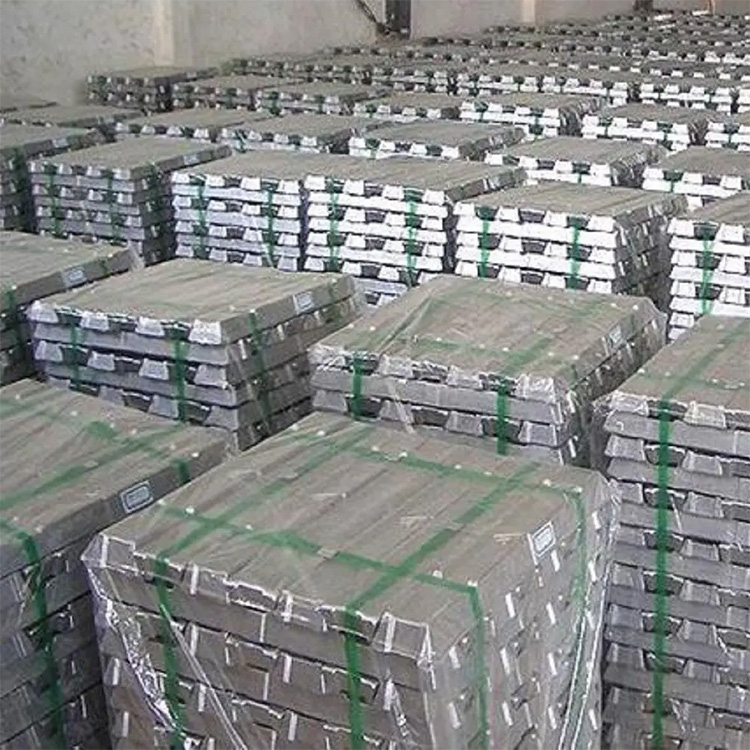












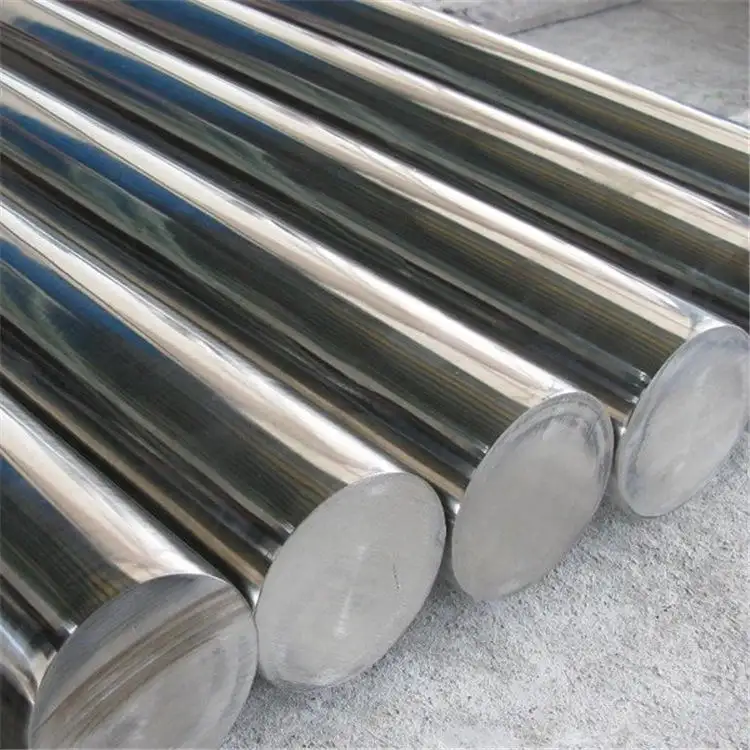
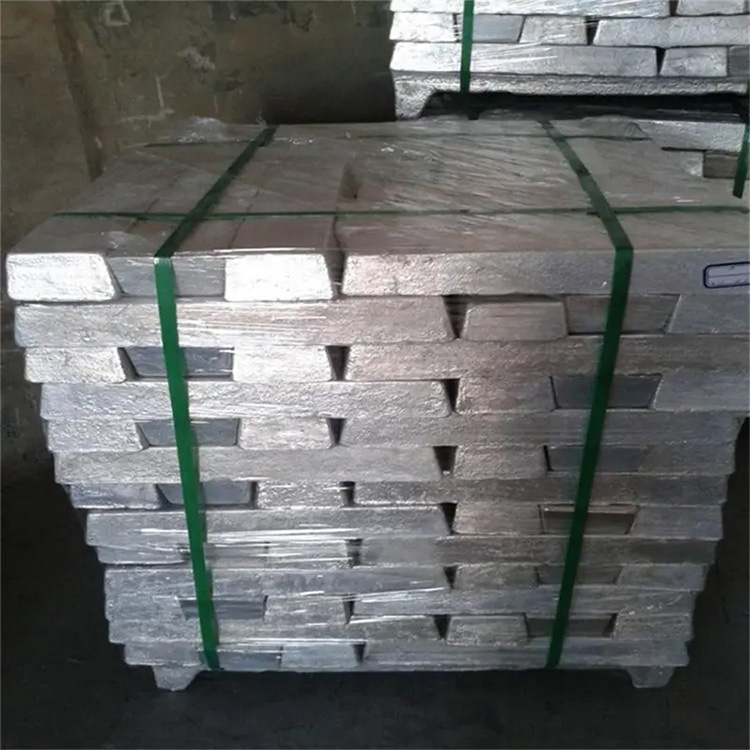
Stainless Steel Ingots: The process for refining stainless steel is similar to that for ordinary steel: first, add the materials and melt them, then add alloys to adjust the composition. After sampling and passing the inspection, the molten steel is cast into square or round billets, which are the steel ingots (of course, they need to be ground for surface treatment). Steel ingots are used to produce hot-rolled plates, hot-rolled wire rods, and steel pipes.
Stainless steel is a general term for both stainless and acid-resistant steel. Stainless steel refers to steel that resists corrosion from atmospheric, steam, and water, etc., while acid-resistant steel is steel that can withstand corrosion from acidic, alkaline, and saline chemical mediums.
Stainless steel and acid-resistant steel differ significantly in the degree of alloying. While stainless steel is corrosion-resistant, it is not necessarily acid-resistant; in contrast, acid-resistant steel generally possesses corrosion resistance.
A high-alloy steel that can resist corrosion in air or chemical corrosive mediums; stainless steel boasts a beautiful surface and excellent corrosion resistance, requiring no surface treatments like plating, thus showcasing the inherent surface properties of stainless steel. It is a type of iron and steel used in various applications, commonly referred to as stainless steel.