







Application Range
1. Floors for supermarkets, lobbies, warehouses, car showrooms, auto repair shops, and parking lots, etc.
2. Floors for locations with high mechanical performance requirements, including facilities of machinery, electronics, electrical appliances, instruments, textiles, clothing, food, and tobacco industries that have specific impact resistance needs.
Performance Features
1. Impact-resistant, high-pressure bearing, and excellent mechanical properties.
2. Dustproof, mildew-resistant, wear-resistant, and good hardness.
3. Minimal shrinkage after hardening, no cracks.
4. Resistant to water, oil stains, acids, alkalis, and other general chemical corrosion.
5. Flat and glossy appearance, with a variety of colors.
6. Seamless, easy to clean, and convenient to maintain.
Construction Techniques
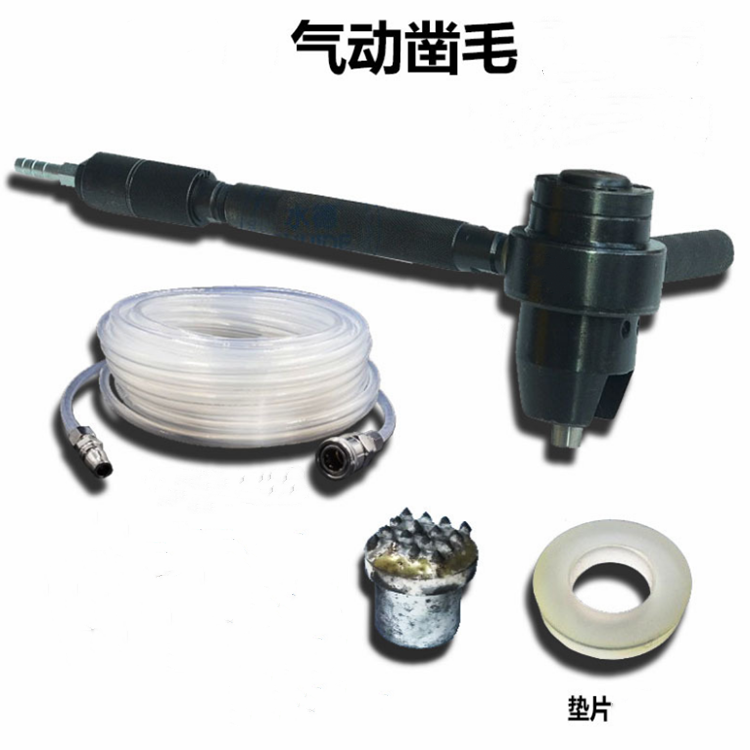
1. Surface Preparation: Using a grinder for all floor areas, remove all loose particles and protrusions from the base surface. After cleaning, inspect the floor for cracks, unevenness, oil stains, and other issues.
2. Mortar Intermediate Coating: Mix the epoxy mortar intermediate agent and hardener thoroughly; add the mixed resin in appropriate amounts to quartz sand; spread the material evenly using a trowel; pay attention to the appropriate thickness of the troweling, and ensure each layer is completely dry before applying the next layer.
3. Putty Middle Coat: Mix the middle coat material of ring mortar with putty powder, stir thoroughly, and apply two coats. The requirement is to achieve a smooth surface without holes, no trowel marks, and no sanding marks.
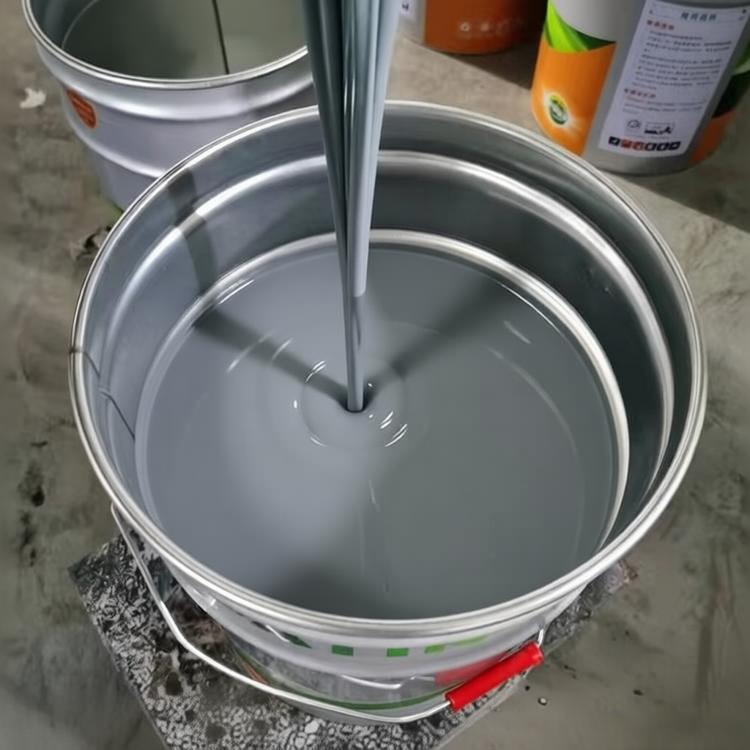
4. Surface Coating: Applied with epoxy finish paint using a roller, ensuring a glossy and wear-resistant floor.
Process Diagram