















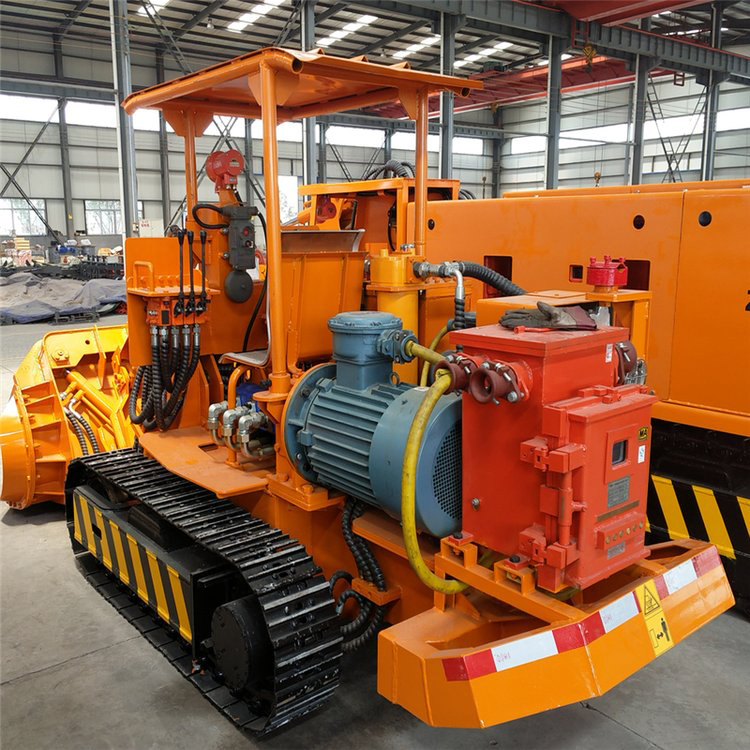


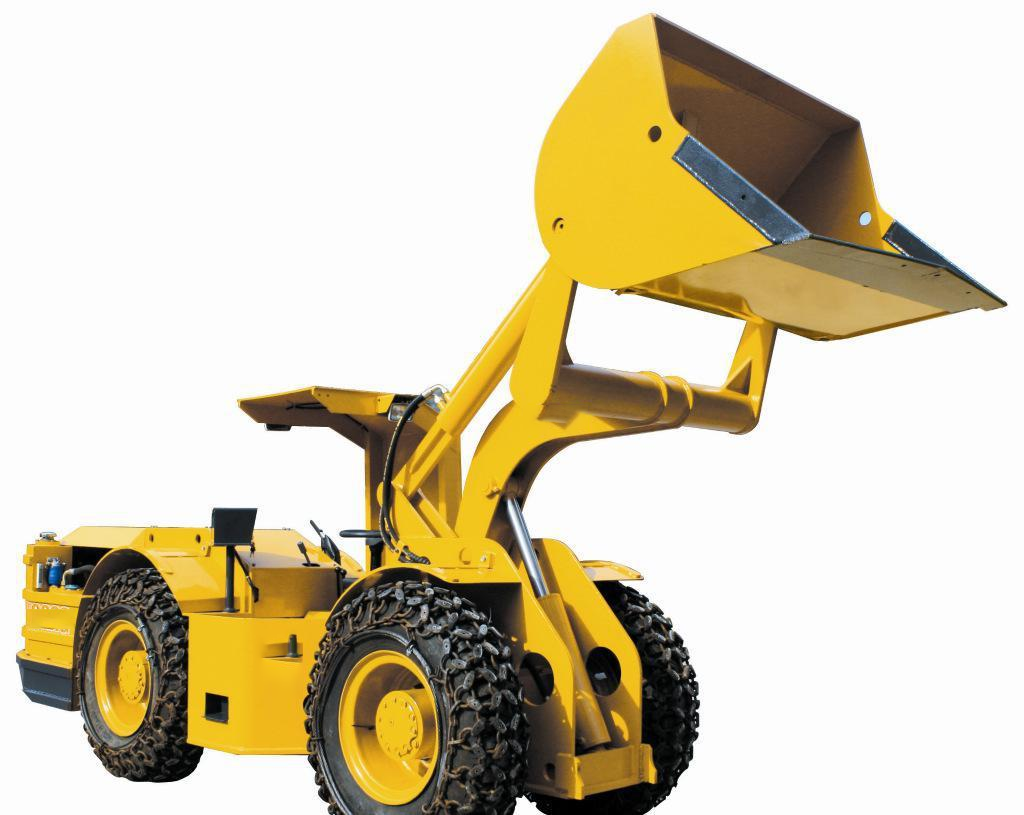
The bulldozer [1] is a type of earth-moving machinery that uses a bucket to dig and transport soil, capable of performing comprehensive operations such as digging, loading, transporting, unloading, and layering and compacting soil. It is suitable for leveling sites in railway, road, water conservancy, and electric power projects. The bulldozer boasts simple operation, unrestricted by terrain, independent working capability, fast travel speed, and high production efficiency. It is applicable to soil types I to III; when digging soil types above grade III, soil loosening is required in advance. The bulldozers widely used in the market are divided into two types: internal combustion and electric bulldozers. Internal combustion bulldozers are suitable for well-ventilated working environments and feature flexibility and speed; electric bulldozers are more environmentally friendly and pollution-free.
Key Functions: Excavating, transporting, unloading, filling, and leveling. Components include bucket body, blade, trenching blade, and guard. Features: Simple structure, high construction efficiency. Time of Appearance: 18th century. Applicable Situations: River and dam construction, and post-flood sediment removal. Categories: Towed Excavators and Self-Propelled Excavators.
Excavator [2], a type of integrated earth-moving and transportation machinery. The key feature of this invention is the design of a bucket with a soil-moving mechanism, comprising a hopper, blade, soil-cutting blade, rotating plate, and sliding plate, and a support structure consisting of a front support rod, 2 side support rods, and a plate support rod. The rotating plate and sliding plate are set at the opening of the hopper, connected by hinges, with the hinge ends inserting into the sliding slot at the front of the hopper, allowing for movement along the slot. The blade is welded to the bottom front of the hopper, and the soil-cutting blade is welded to the blade. The support structure is used to control the lifting and lowering of the sliding plate and rotating plate. This invention has a simple structure, high construction efficiency, and is suitable for river and dam construction, as well as post-flood silt removal.


















