






Based on the measurement object and environment
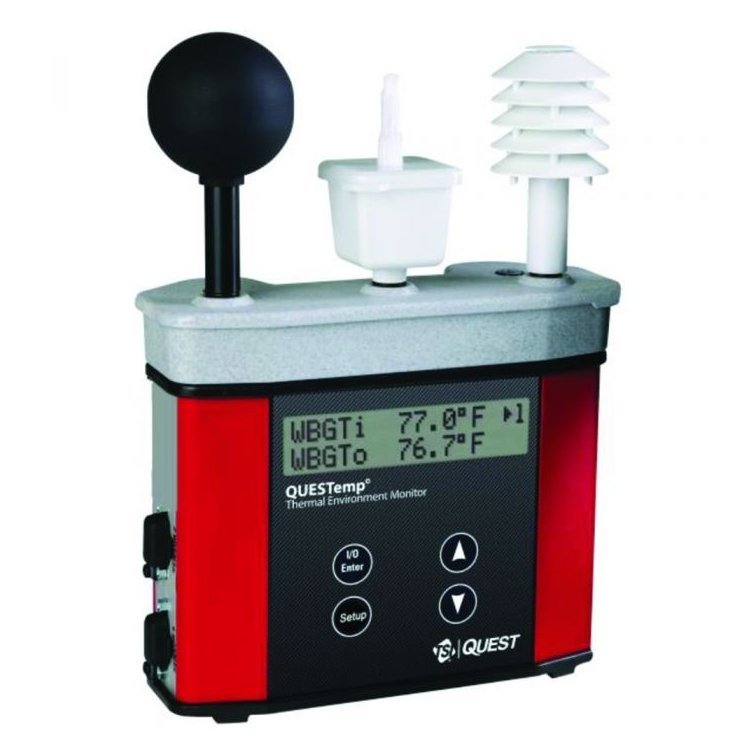
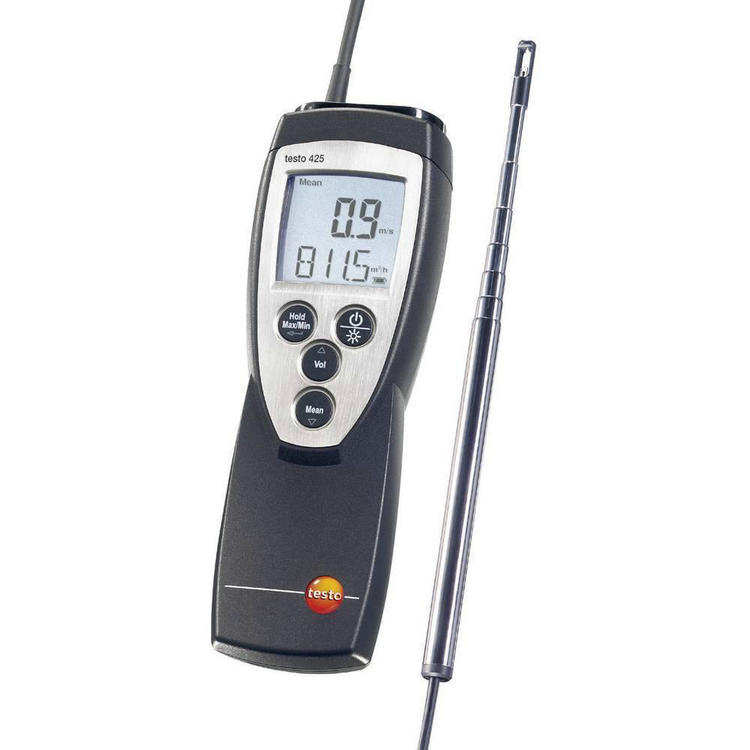
Determine the type of sensor based on the measurement object and environment. To perform a specific measurement task, first consider the principle of the sensor to be used, which requires analyzing various factors to make a decision. Since there are multiple principles available for sensors to measure the same physical quantity, determining the most suitable one depends on the characteristics of the measurement and the sensor's operating conditions. Consider the following specific issues: the size of the measurement range; the sensor volume requirements at the measurement location; whether the measurement is contact or non-contact; the method of signal extraction, wired or non-contact measurement; the origin of the sensor, domestic or imported, whether the price is affordable, or if it needs to be developed independently. After considering these issues, you can decide on the type of sensor to use, and then consider the specific performance indicators of the sensor.
Selection of Sensitivity
Typically, within the linear range of a sensor, it is preferable for the sensor's sensitivity to be as high as possible. Only when it's highly sensitive does the value of the output signal corresponding to the measured change become larger, which is beneficial for signal processing. However, it's important to note that a highly sensitive sensor is also prone to picking up external noise unrelated to the measurement, which can be amplified by the system and affect measurement accuracy. Therefore, the sensor itself should have a high signal-to-noise ratio and strive to minimize interference signals introduced from the outside. The sensitivity of a sensor is directional. If the measured quantity is a single vector and its directionality is highly required, a sensor with lower sensitivity in other directions should be chosen; if the measured quantity is a multi-dimensional vector, the sensor's cross-sensitivity should be as small as possible.