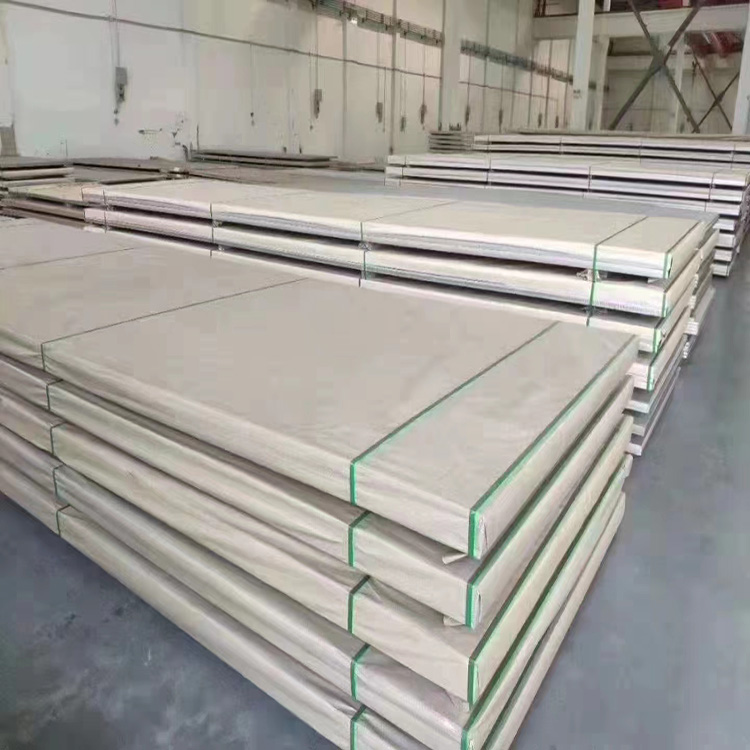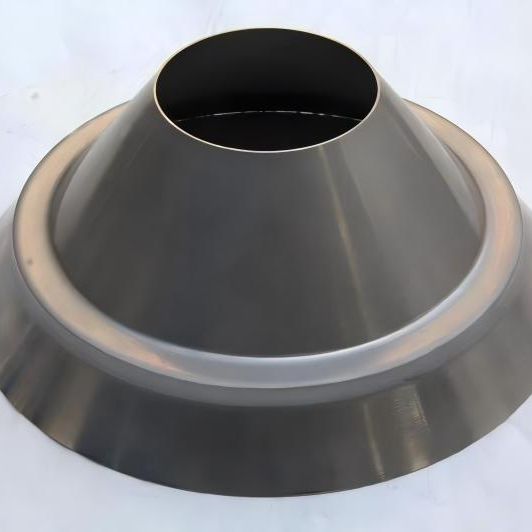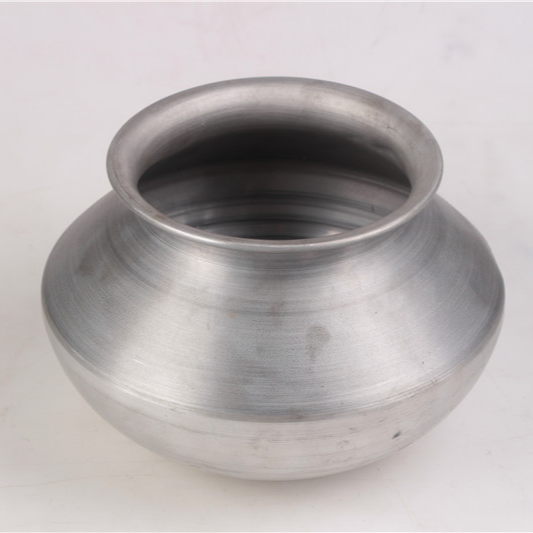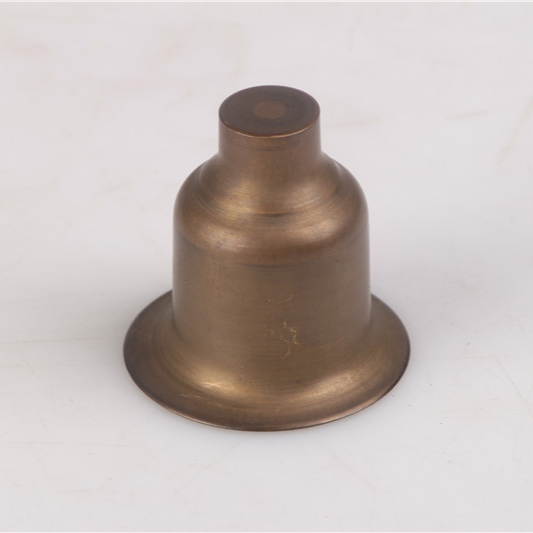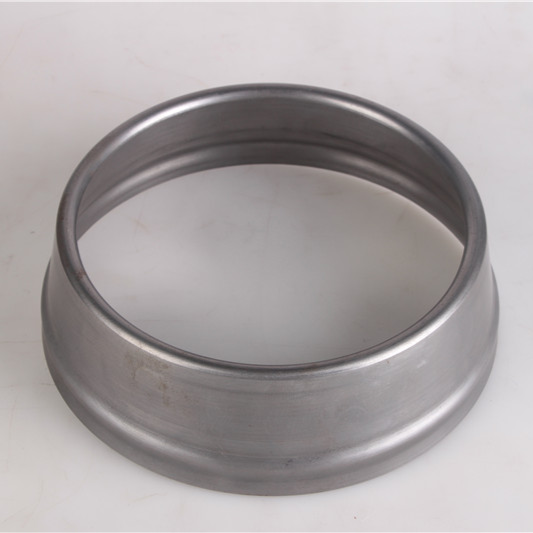


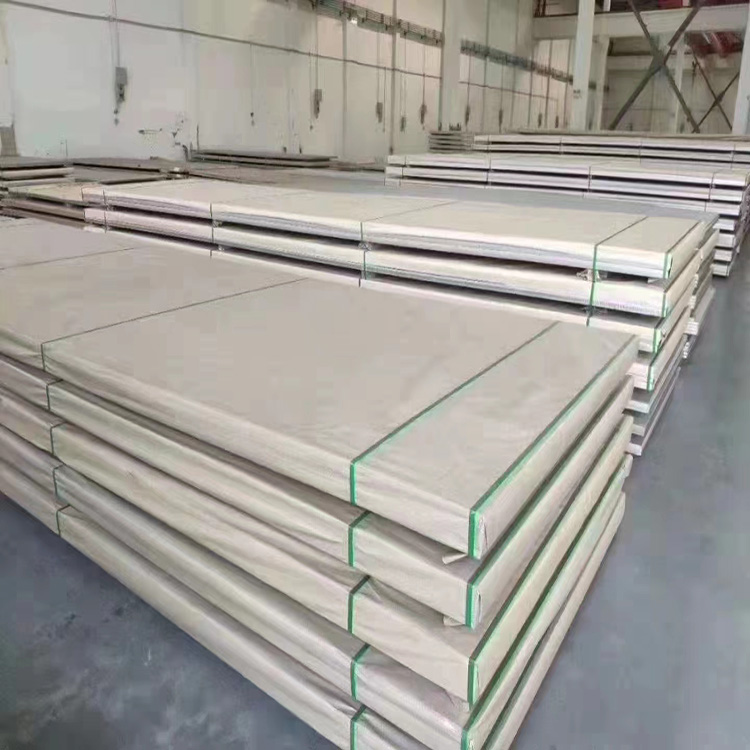





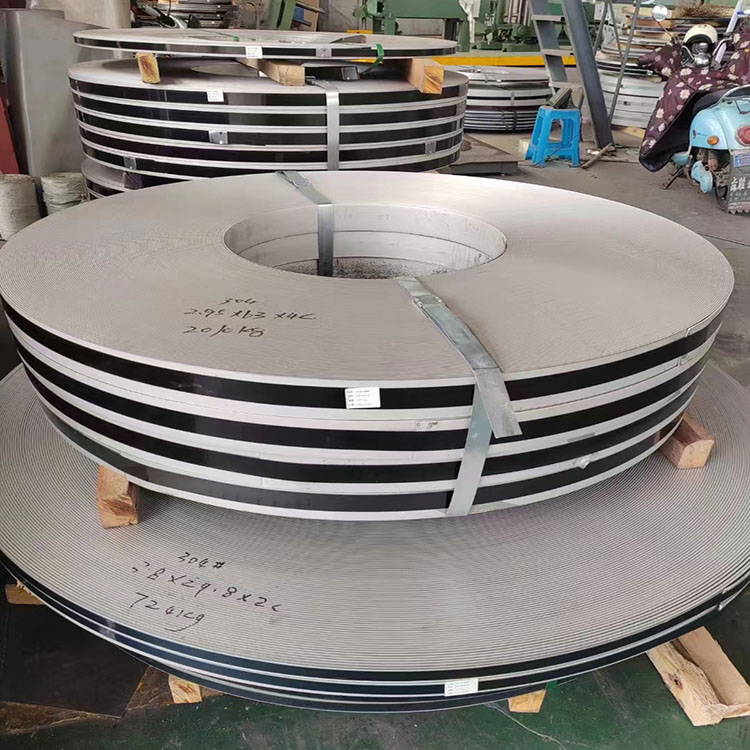

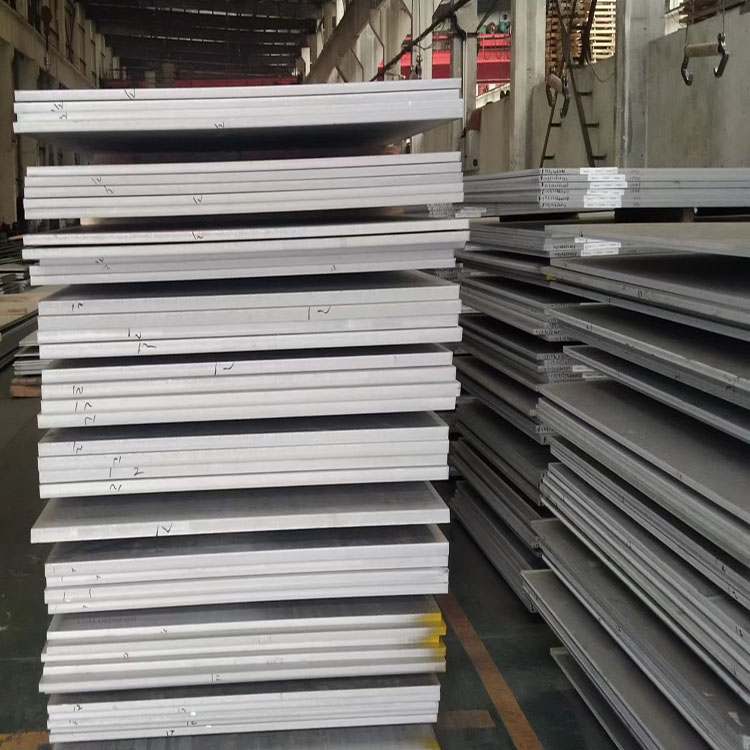
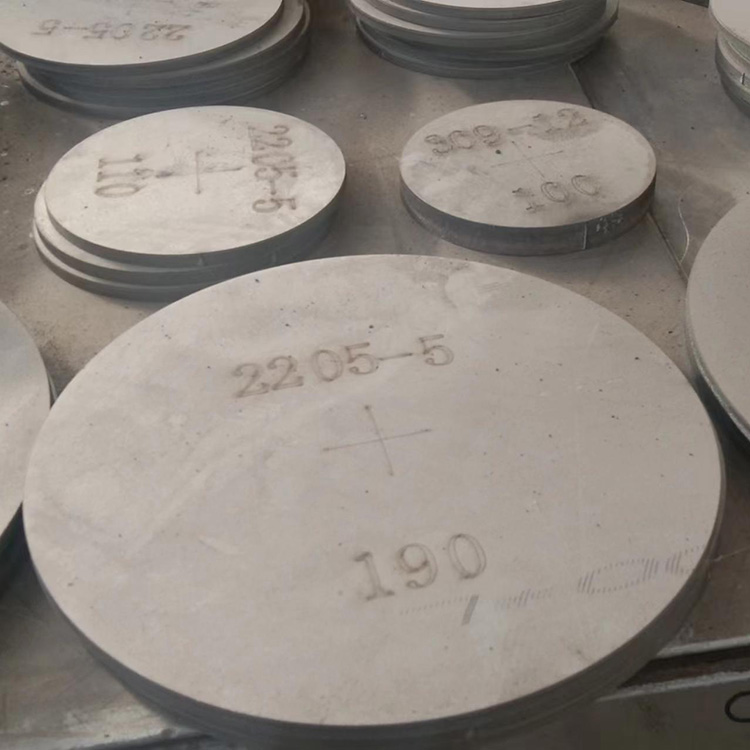
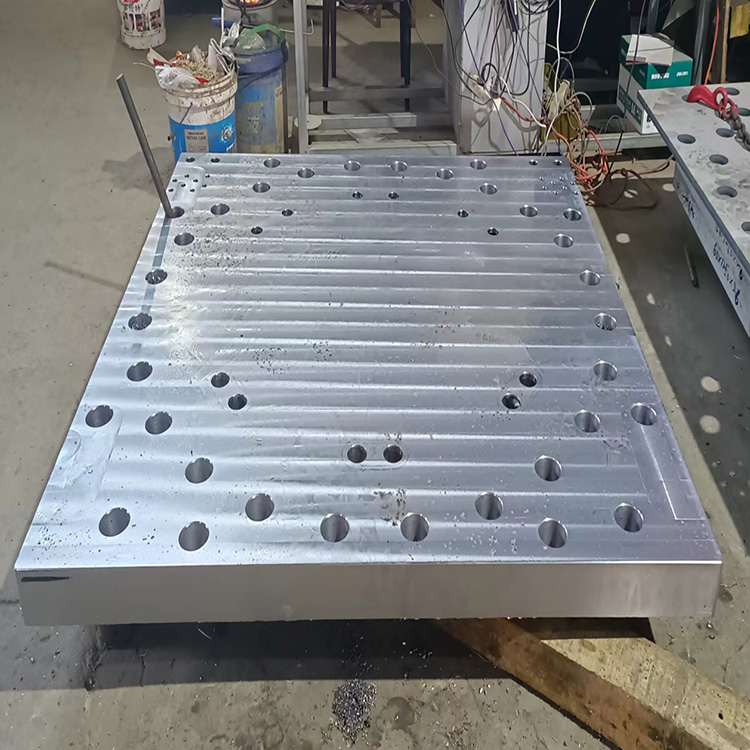
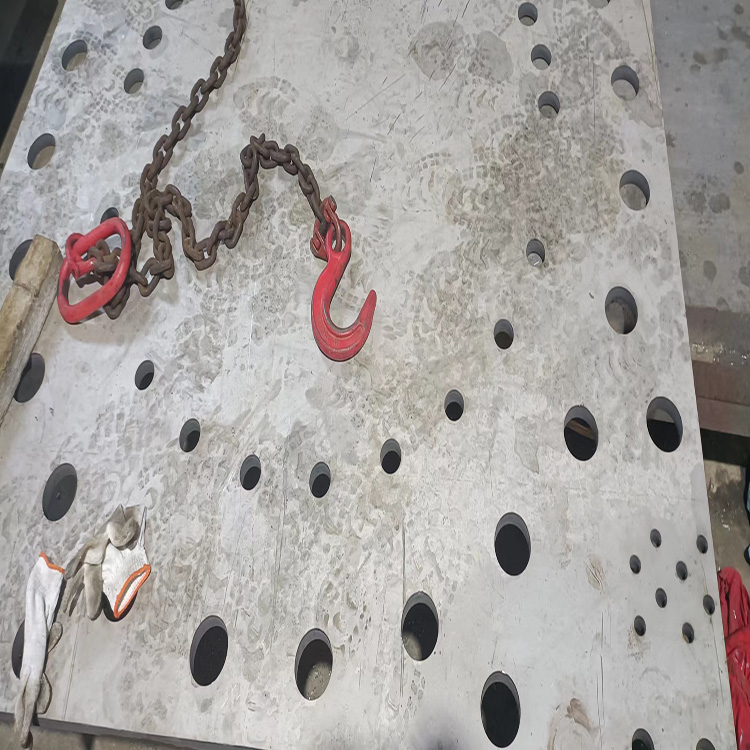
The stainless steel plate has a smooth surface, high plasticity, toughness, and mechanical strength, and is resistant to corrosion from acidic, alkaline gases, solutions, and other media. It is an alloy steel that is not prone to rust, but it is not rustproof.
Stainless Steel Sheets
Primary materials include: SUS316L, 316, 314, 310S, 309S, 304, 301, 202, 201, 904, 902, various imported specifications of stainless steel plate (coil) materials.
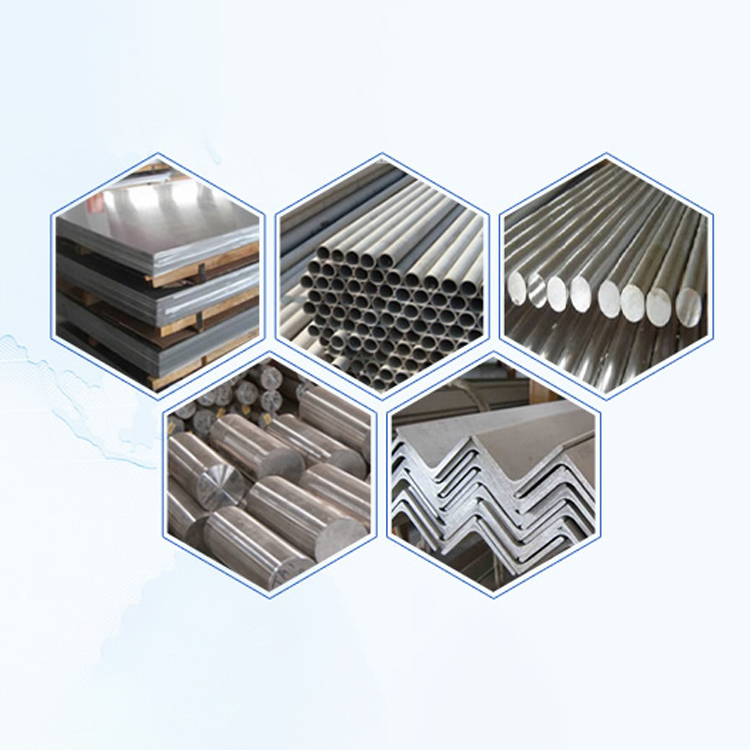
Main products include: 301 stainless steel plate, 304 stainless steel coil, 321 stainless steel coil/plate, 316 stainless steel plate, 304 stainless steel plate, and other stainless steel sheets.
Surface: Available in BA, 2B, No.1 (White), 2D, No.4 (Matte), HL (Brushed), and 8K finishes, with good brightness and luster.
Spec: Thickness 0.02mm to 40mm; Width 3.5mm to 1550mm
Application Scope: Oil, electronics, chemicals, light industry and textiles, machinery, construction, nuclear power, aerospace, and other industries!
There are numerous types of stainless steel plates with varying properties, which have gradually formed into several major categories. They are categorized by microstructure into Martensitic stainless steel plates (including precipitation-hardening stainless steel plates), Ferritic stainless steel plates, Austenitic stainless steel plates, and Austenitic-Ferritic duplex stainless steel plates. By the primary chemical composition in the steel plates or specific elements, they are divided into Chromium stainless steel plates, Chromium-Nickel stainless steel plates, Chromium-Nickel-Molybdenum stainless steel plates, Low-carbon stainless steel plates, High-Molybdenum stainless steel plates, and High-Purity stainless steel plates. According to the performance characteristics and applications, they are classified into Nitric acid-resistant stainless steel plates, Sulfuric acid-resistant stainless steel plates, Pitting-resistant stainless steel plates, Stress corrosion-resistant stainless steel plates, and High-strength stainless steel plates. Functionally, they include Low-temperature stainless steel plates, Non-magnetic stainless steel plates, Easy-to-cut stainless steel plates, and Superplastic stainless steel plates. The current common classification method combines the characteristics of the microstructure and chemical composition of the steel plates. Generally, they are categorized into Martensitic, Ferritic, Austenitic, Duplex, and Precipitation Hardening stainless steel plates, or into Chromium and Nickel stainless steel plates. Their applications are extensive, with typical uses including heat exchangers for pulp and paper equipment, machinery and equipment, dyeing equipment, film processing equipment, pipelines, and exterior materials for buildings in coastal areas.