














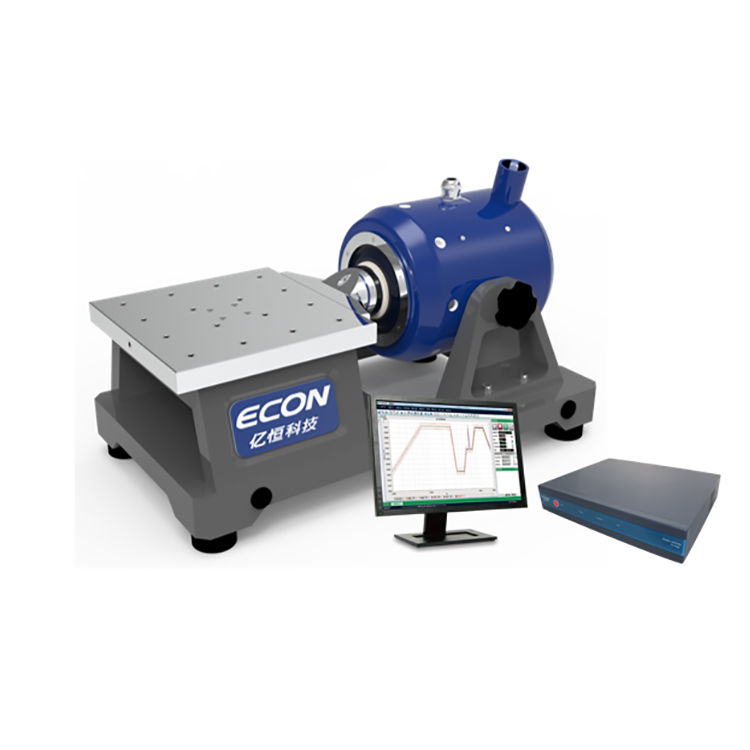
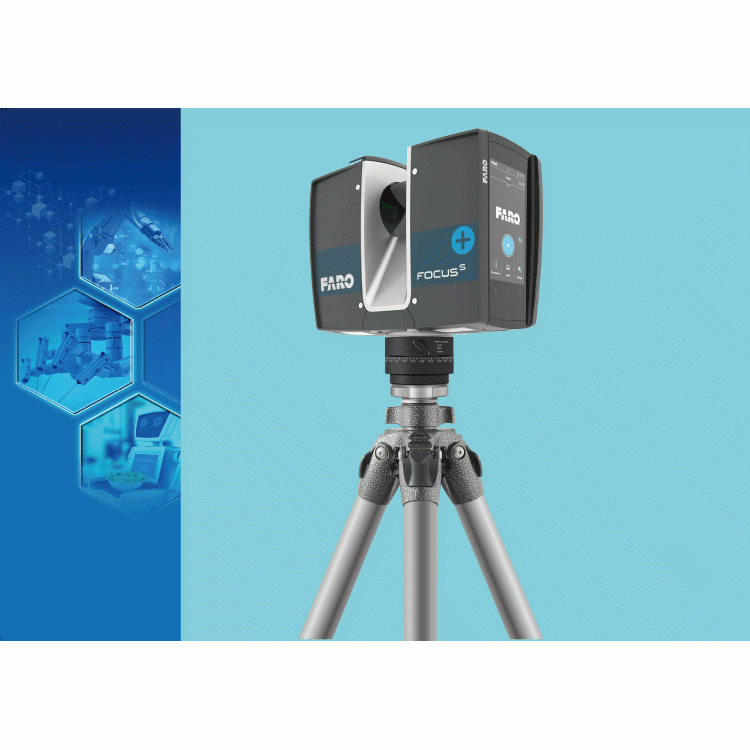
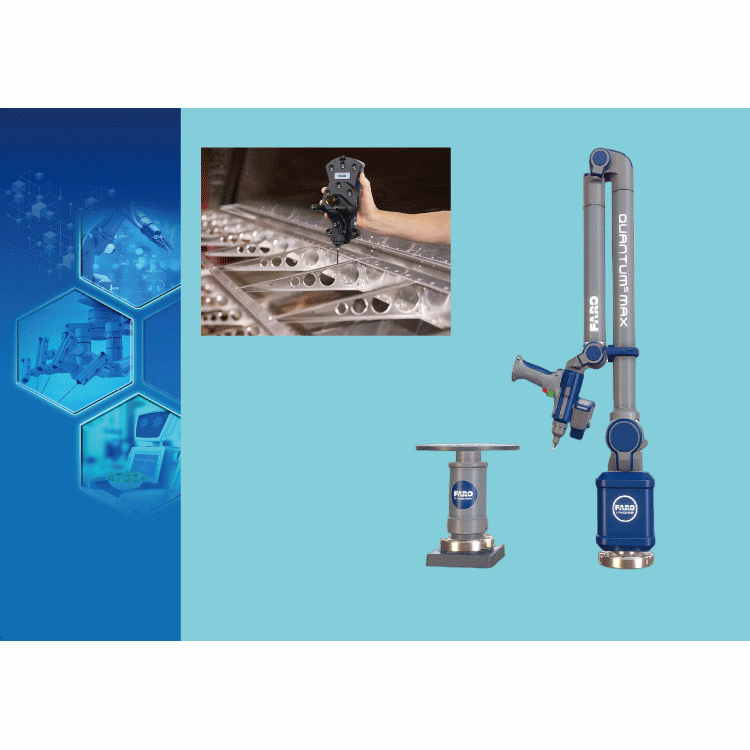
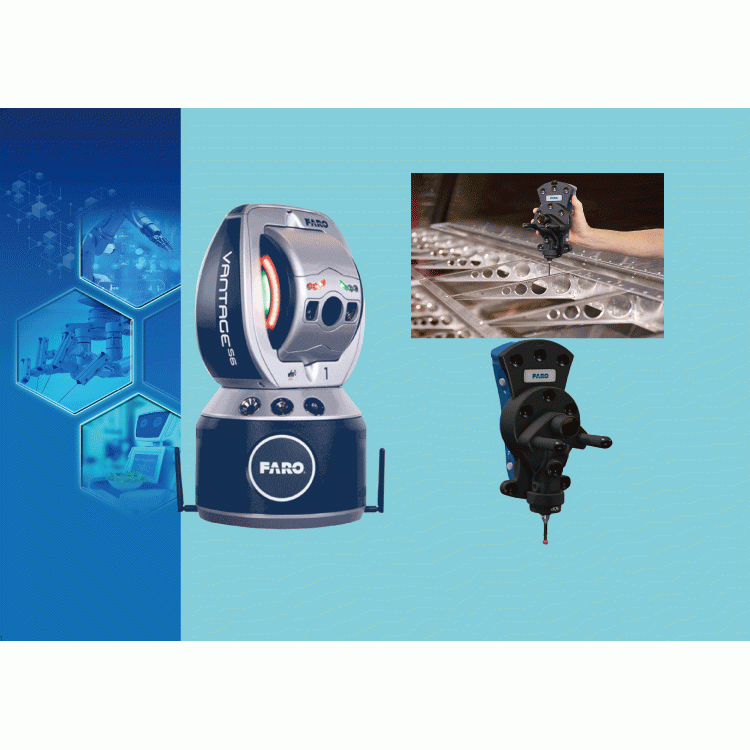


This system utilizes laser non-contact measurement technology to achieve precise measurement and calculation of the six-axis pose accuracy during the robot's movement. It is the first in China to support the measurement of industrial robot performance criteria as specified in both "GB/T 12642-2013 Specification for Performance of Industrial Robots and Their Test Methods" and "ISO 9283:1998 Manipulating Industrial Robots - Performance Criteria and Related Test Methods."
This system also meets the measurement requirements for robot performance indicators as stipulated in the standard "YY/T 1712-2021 Auxiliary Surgical Equipment and Auxiliary Surgical Systems Using Robotics Technology." In conjunction with the company's independently developed active target ball platform, it can complete the measurement of service robot performance indicators as required by "GB/T 38124-2019 Methods for Performance Testing of Service Robots," as well as the performance testing of power inspection and power operation robots.
The robotic calibration system can calibrate the DH model parameters of robots, compensating for deformation and errors caused by various factors in the industrial robot body at a low cost, enhancing the absolute positioning accuracy of industrial robots without modifying any mechanical components.
ARTS - 5025 Industrial Robot Performance Measurement System is recognized as the first key equipment in the leading field of Zhejiang Province's equipment manufacturing industry for 2018.
ARTS-5025 Industrial Robot Performance Measurement & Calibration System supports the performance measurement and calibration of six-axis articulated robots, stacker robots, SCARA robots, collaborative robots, dual-arm robots, and is continuously developing new calibration modules.
For high-precision applications such as welding, assembly, sanding, polishing, and visual recognition, it can significantly enhance the robot's absolute positioning accuracy and the accuracy of its spatial operating posture, ensuring the reliability and stability of the production system.
Meets the needs of quality inspection departments in manufacturing enterprises for factory inspections and quality traceability, reducing product return rates and lowering production costs. Additionally, it can also be used for fault diagnosis in the R&D department and prototype improvement, providing methods and evidence for product enhancement, thereby significantly enhancing the technical content and brand value of robot enterprises.


















