
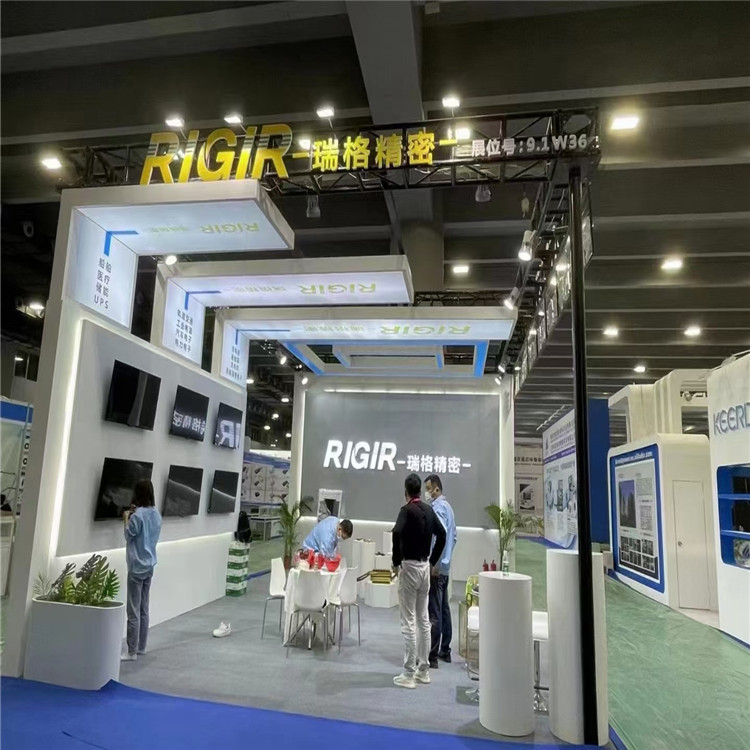










Staging plays a crucial role in modern commercial and performance events. It not only provides a platform for display but also actively participates in the event, contributing its own strength to the performance or commercial activity.
The stage setup is not merely a platform; it is also an integral part of the event itself. Therefore, it's not just about constructing a platform but also about enhancing the event. Thus, when building a stage into a comprehensive project, several factors should be considered:
1. Consider the location when setting up the stage.
For many promotional campaigns, the stage setup is not just a platform, but a stage to capture public attention and maximize the impact of the campaign. Such events should be set up in bustling local areas or scenic spots.
2. The stage location should be conducive to the gathering and dispersal of participants.
Due to the large number of participants required for many business activities, the stage setup itself should consider the transportation issues of the participants. Only fast and convenient transportation can attract as many visitors to attend the exhibition activities, thereby achieving the intended effect of the stage setup.
3. Stage setup equipment issues.
Only well-equipped facilities can keep the stage alive and effectively utilize it as a promotional platform. In this aspect, lighting and sound effects are crucial. With the advancement of modern audio-visual equipment, both can produce excellent scene effects and can be adjusted according to the specific requirements of the event. Therefore, attention must be paid to the use of audio-visual equipment in stage setup.
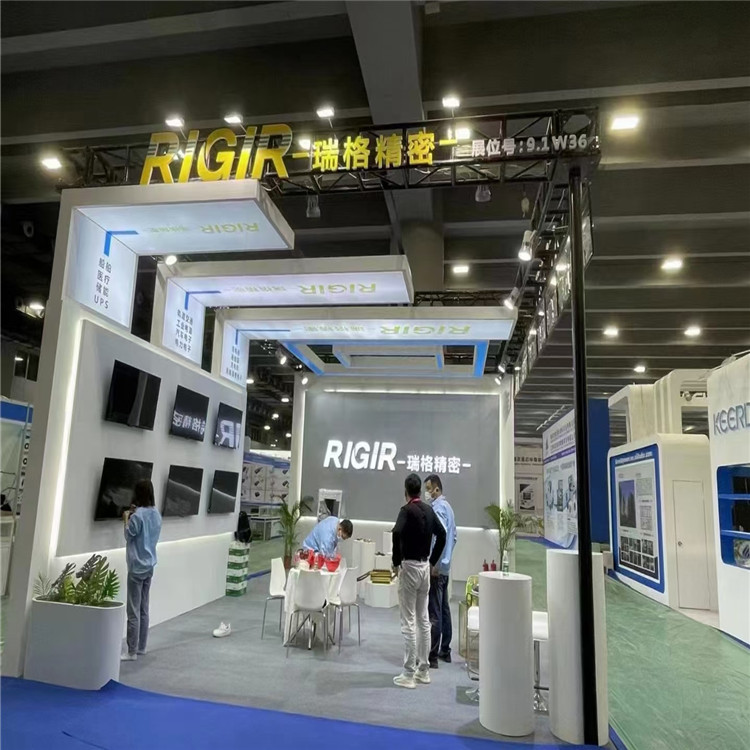
Setting up a stage is not just about constructing a platform; it's about advancing the event itself. Similarly, establishing an event stage requires considering many aspects.
1. Consider durability issues.
The sturdiness of the stage is a fundamental issue in stage construction, concerning the safety of both performers and the audience on and off stage.
2. Consider the timing of the performance.
For daytime performances, consider the angle of sunlight during the performance time to avoid performers or spectators from having their eyes dazzled. The seating area and stage should be positioned with the back to the sunlight to prevent direct glare and hinder viewing.
3. The stage should have clear layers to facilitate the arrangement of numerous performers by the program directors, ensuring the performance visuals have a sense of depth and aesthetic appeal.
4. When setting up the stage, for celebratory performances, fully present the on-site environment and atmosphere to create a festive atmosphere for the celebration event.
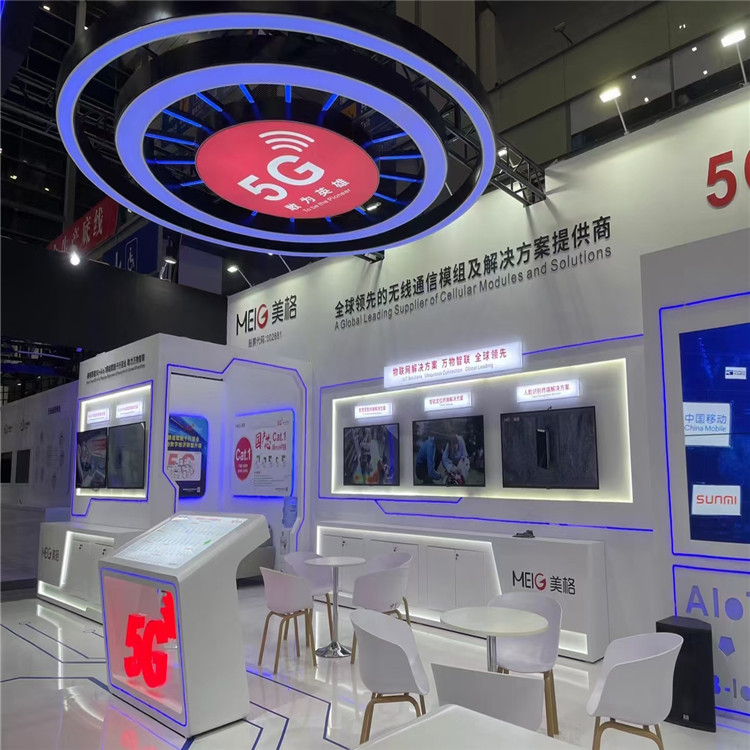
Preparation for stage setup:
1. Measure the ceiling height at the event venue.
When arranging stage setup, lighting, and audio-visual equipment, the ceiling height has a crucial impact. Taking the stage background with an LED display as an example, the appropriate size of the LED display to install needs to be calculated based on the height of the layers.
2. Check if there are any obstructions blocking the line of sight at the survey site.
Check the room from every angle to ensure there are no columns, chandeliers, or other obstructions blocking the view.
3. Plan the number and scale of stages based on the actual circumstances.
For small businesses, the total number isn't substantial and is enough to establish a stage at an annual meeting. However, for large companies, the numbers can be in the hundreds, so multiple stages or multiple displays per stage may be required. By pre-determining the number and orientation of the stages and background screens, space can be maximized to a great extent.
4. Estimate the stage size required based on the program's needs.
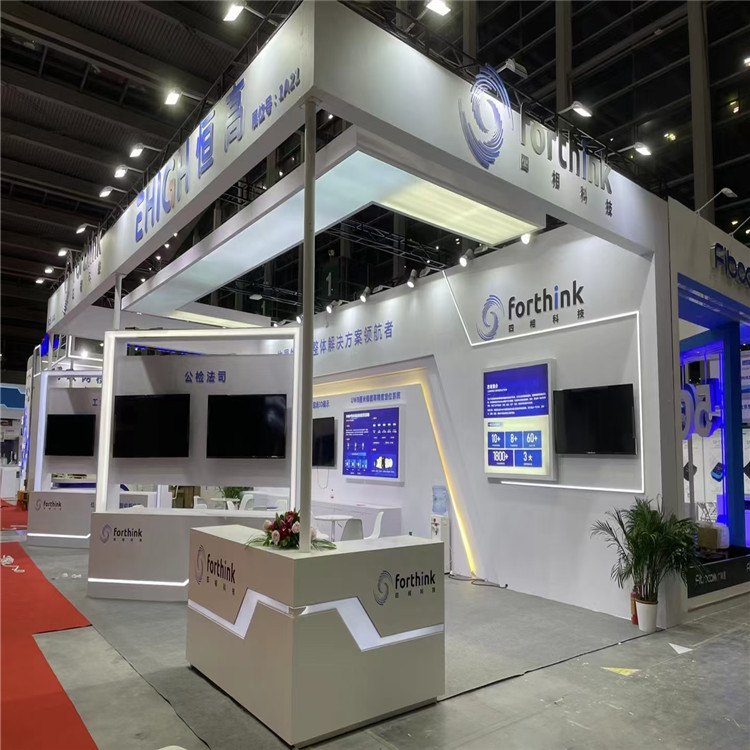
Staging Process:
Ensure the installation area is clean, cover the floor with a cloth according to the stage size, then place the frame and materials on the cloth. The stage is installed in one go. When laying the platform mat, secure it to the stage board with tacks. When laying the display curtain, ensure it is pulled taut and then secured with tacks. For larger stages, the display curtain will need to be joined together, with the seams overlapping outward and secured with tacks. Install the stage skirt. After the display curtain is laid, construction personnel should wear shoes when walking. And always keep the area clear of debris.
Our company adheres to the principle of "upholding contracts and providing excellent service," and we uphold the corporate spirit of "unity, collaboration, rigorousness, realism, and innovation." We offer satisfactory services to both new and existing customers.