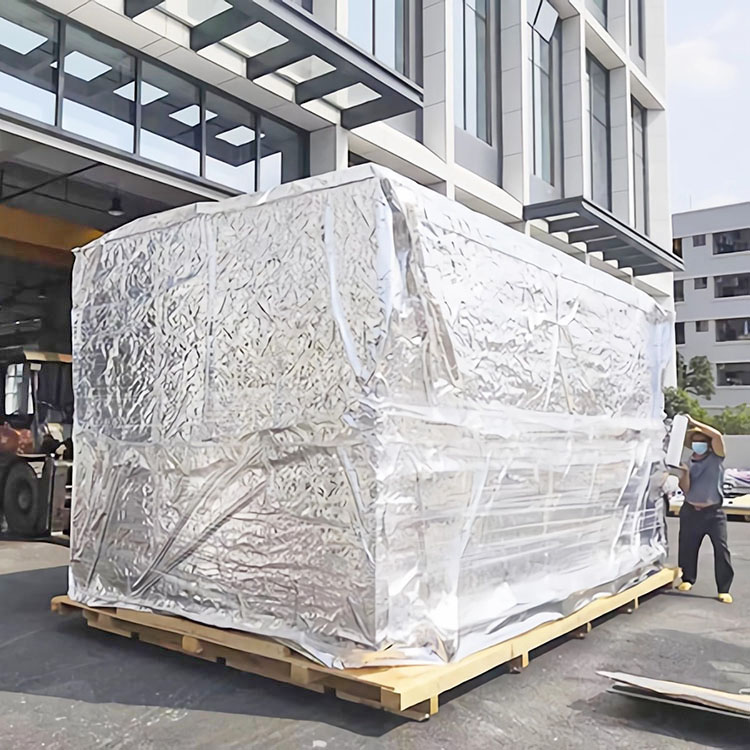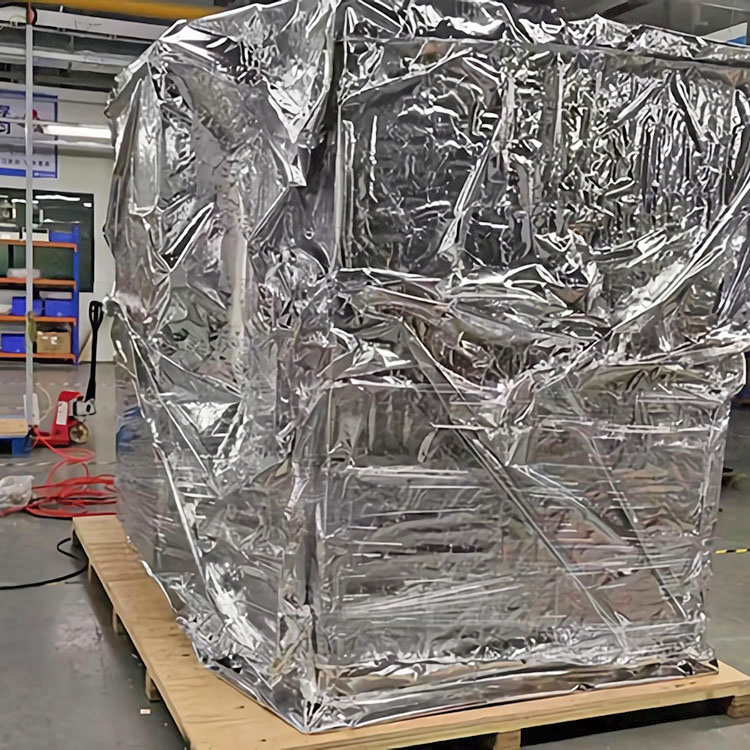

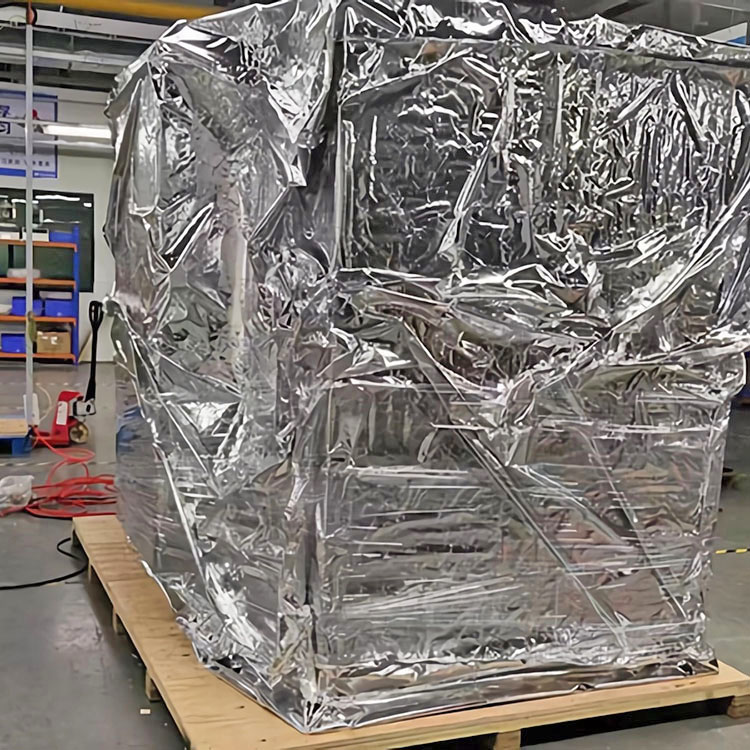

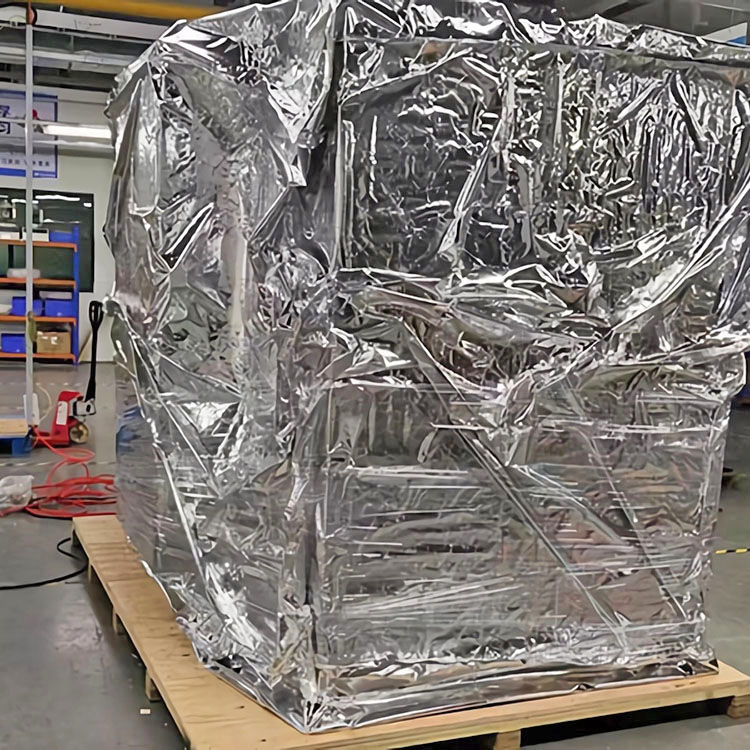
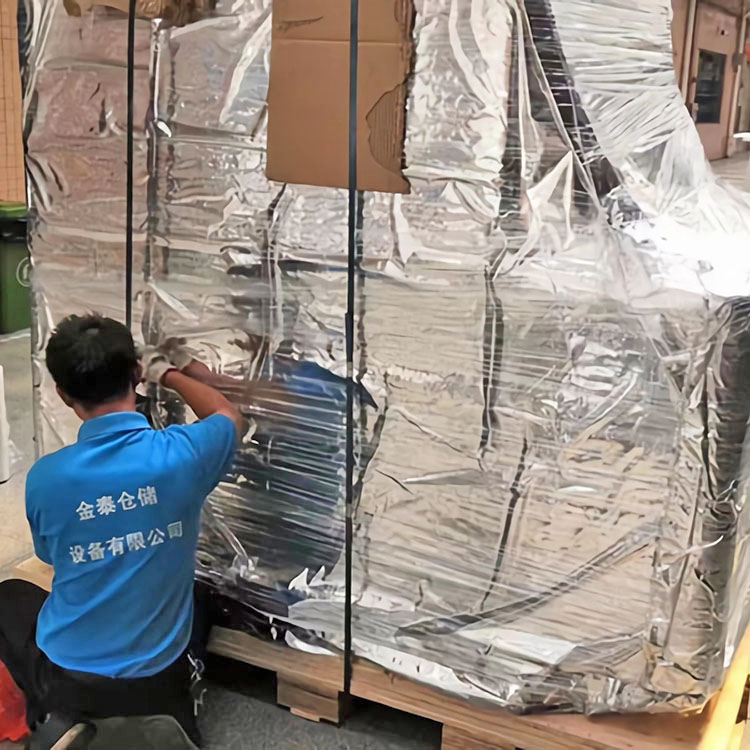
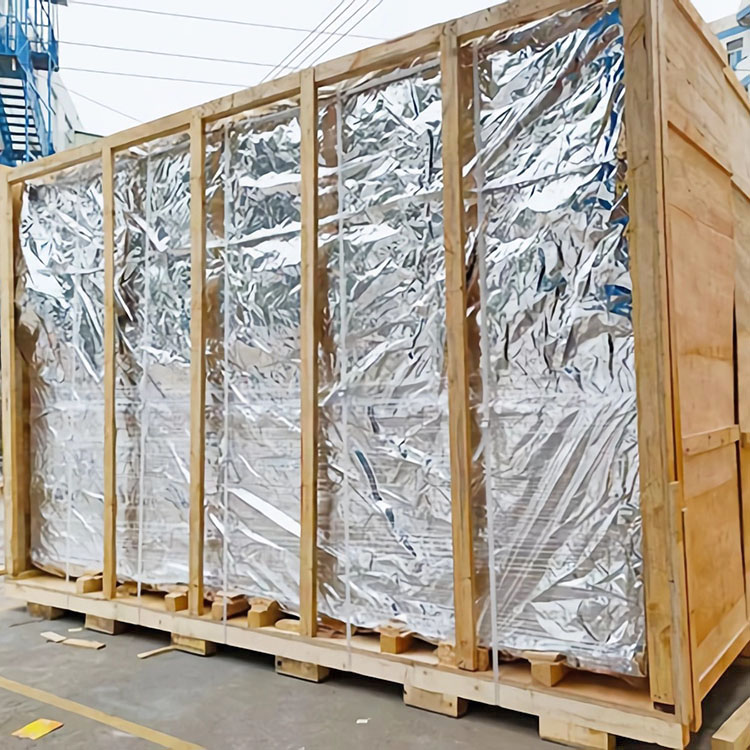











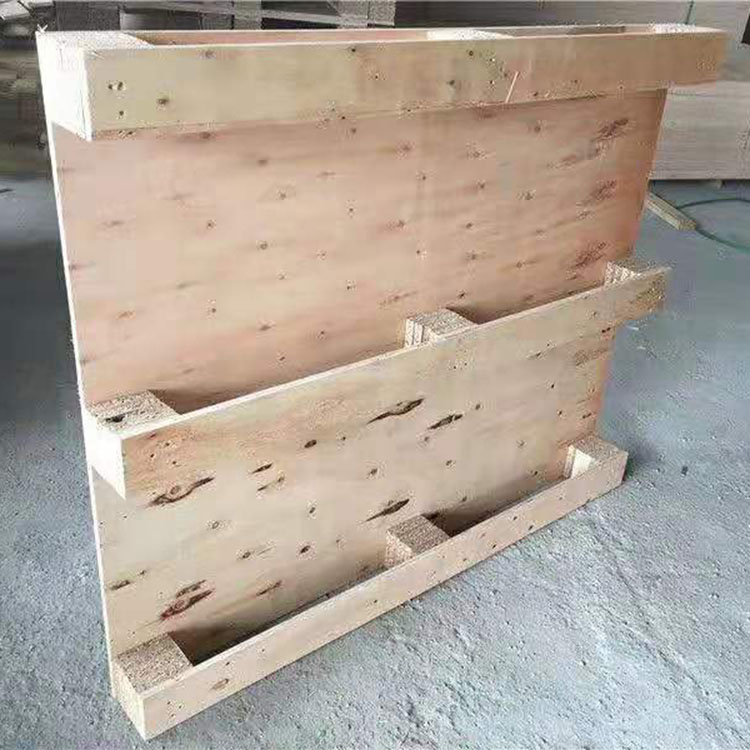
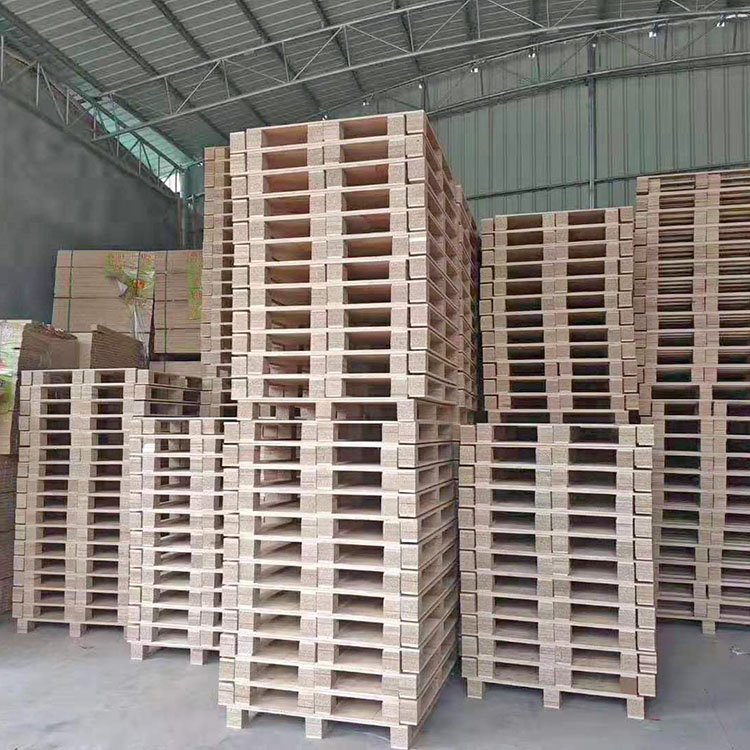

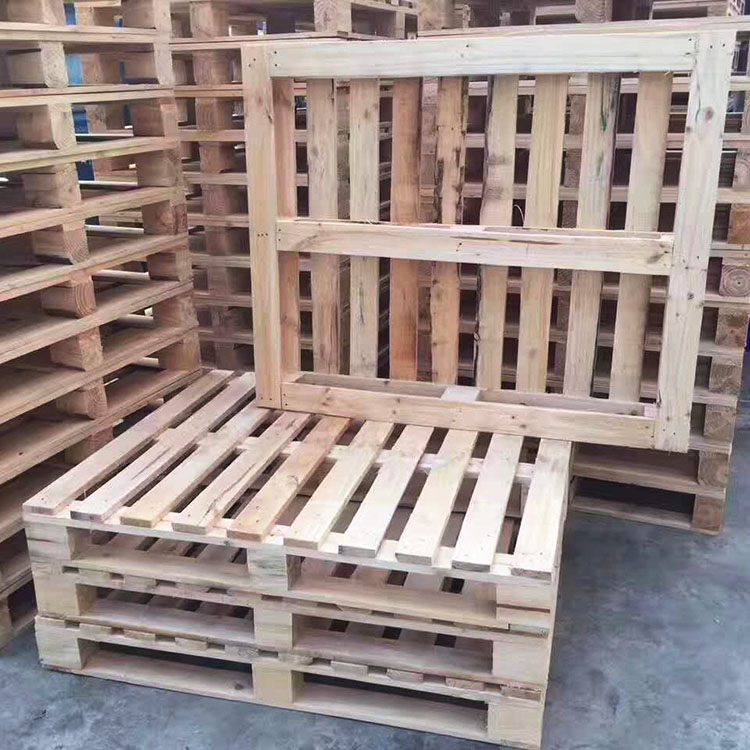

Wooden box vacuum packaging involves loading goods into a wooden box, removing the air inside the box to achieve the desired vacuum level, and then completing the sealing process. Vacuum inflation packaging places food into a box, removes air inside to the predetermined vacuum level, inflates with nitrogen or other mixed gases, and then finishes the sealing process.
Vacuum-packed wooden boxes refer to a method where all the air inside the packaging is removed, combined with low-oxygen-permeable packaging materials, thus preventing external oxygen from penetrating. This reduces the rate of oxidation and rancidity in fresh meat. The shelf life of vacuum-packed wooden boxes is extended by 5 to 7 days compared to cardboard packaging. Moreover, after vacuum packaging, the oxygen blockage provides anti-corrosion and anti-rust protection.