








Comprehensive comparison between bus duct and cable
1. Technical comparison
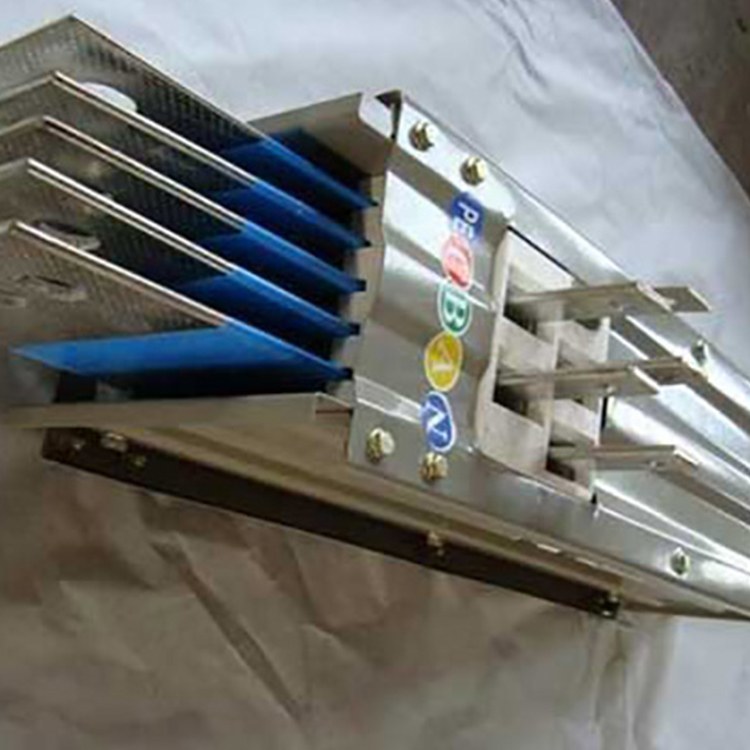
For high-rise buildings, the use of cable power requires separate wiring on each floor. The number of cables is pyramid shaped, and the number of cables near the ground is very large. The bus duct only needs to use one central bus, which can be connected through a plug-in box. All floors are electrified, with a simple structure that is safe and reliable. The cross-sectional area of cables currently manufactured usually does not exceed 500mm2, with a large cross-sectional area of 800A. Because cables with large cross-sectional areas are heavy and long, in order to avoid damaging the cable insulation layer, the mechanical force of fixed equipment in vertical arrangement should not be too large. Therefore, when high-rise large section cables are vertically placed, the construction difficulties of excessive weight slip and cable section deformation have always been difficult to solve. The bus duct does not have this issue. Because it is rigid, it can make the mechanical fixation method very firm.
2. Easy to use for comparison
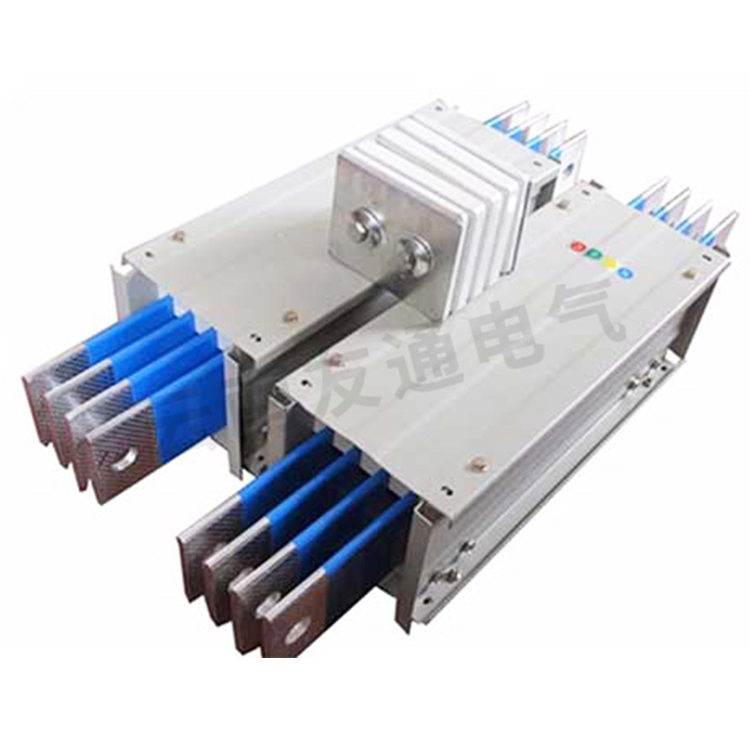
Bus ducts are easy to tap. Plug in bus duct is a method of diverting the power supply from the main line to the branch line through a plug-in box, making it very convenient to tap. The power supply needs to be cut off at any floor level, and the bus duct does not need to be powered off. Simply remove the plug-in box of the bus duct under no-load conditions. For cables in high-rise buildings as an example, to repair the distribution box on the building level, the upper power supply must be cut off. Even relatively new prefabricated branch cables are highly risky to operate under live conditions.
3. Bus duct can only be compared with overload
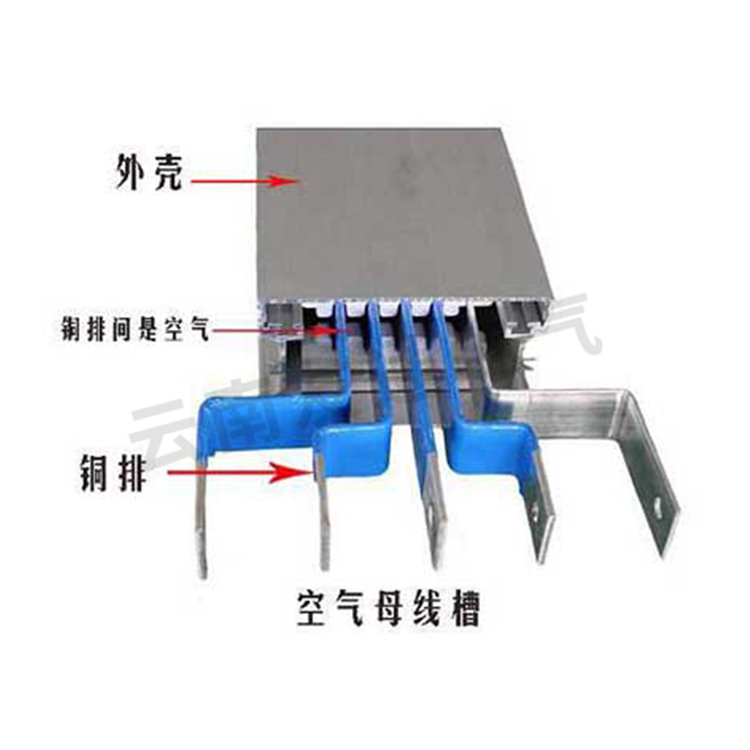
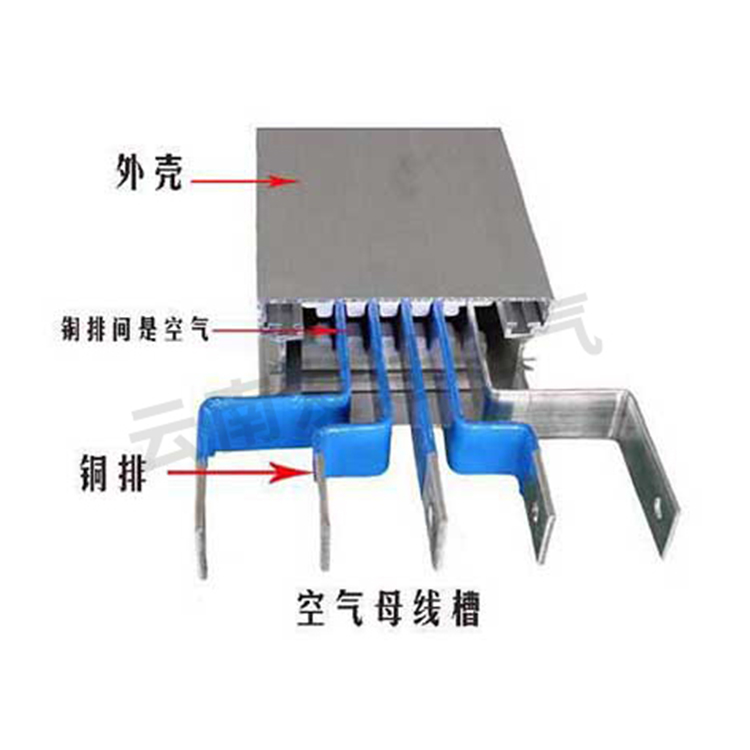
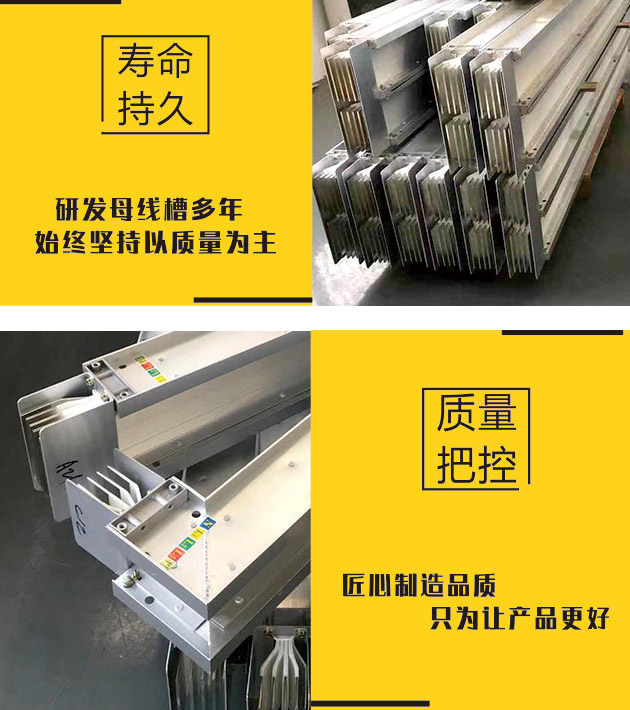
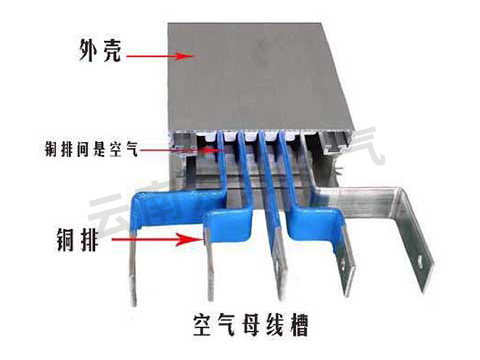
The overload capacity of the bus duct is very strong, which depends on the high working temperature of the insulation material used. The insulation material used in the insulation busbar tube of high-voltage technology is imported, with a long-term working temperature of 130 ° C. The long-term working temperature of the insulation material used in the cable is usually 95 ° C and 105 ° C, so the overload of the busbar duct may be much greater than that of the cable. The fires caused by cable overload are everywhere: the Ostankin Tower in Moscow, Russia, is the second tallest building in the world and also the tallest building in Europe, causing fierce fires; The reason for the shutdown of Baosteel's three furnaces is all due to cable fires. The insulation layer of ordinary cables will extinguish, while flame-retardant cables will extinguish under flames. As long as the flames separate, they will not extinguish. Fire resistant cables will not disconnect, but they are expensive. As long as it is not allowed to cut off the power supply, such as fireproof and fire-resistant cables, they can be used. The QFL series bus duct casing is made of aluminum alloy and will not extinguish. Even if the insulation material of the copper busbar is extinguished, the flame will not fly outside the bus duct. The QFL series bus duct adopts a "sandwich" structure, with copper busbars tightly installed. Meanwhile, compared with air type bus ducts, its internal insulation material is not easily extinguished and will not cause chimney effect and combustion phenomenon.
4. Comparison of heat dissipation performance
Cable insulation materials (core insulation and sheath insulation) are both insulation materials and thermal insulation materials. Therefore, when laying power cables in the bridge, an additional two layers are allowed. The reason is to consider heat dissipation. QFL series dense insulated busbar is used for heat dissipation. The shell is made of special aluminum alloy and comes with heat sinks, which have much better heat dissipation performance than cables.
5. Comparison of convenient maintenance
Bus ducts are almost maintenance free. Daily maintenance usually involves measuring the temperature rise of the shell and core bolts, as well as the temperature rise of the inlet box joints. If the core bolt is 4.8 grade, it needs to be tightened regularly, and if it is 8.8 grade, high-strength tightening should be carried out. The use of bolts does not require regular reinforcement. Low voltage cables should undergo maintenance and insulation testing at least once a year. For cables with connectors for new installation, maintenance and testing should be stopped after three months of operation.
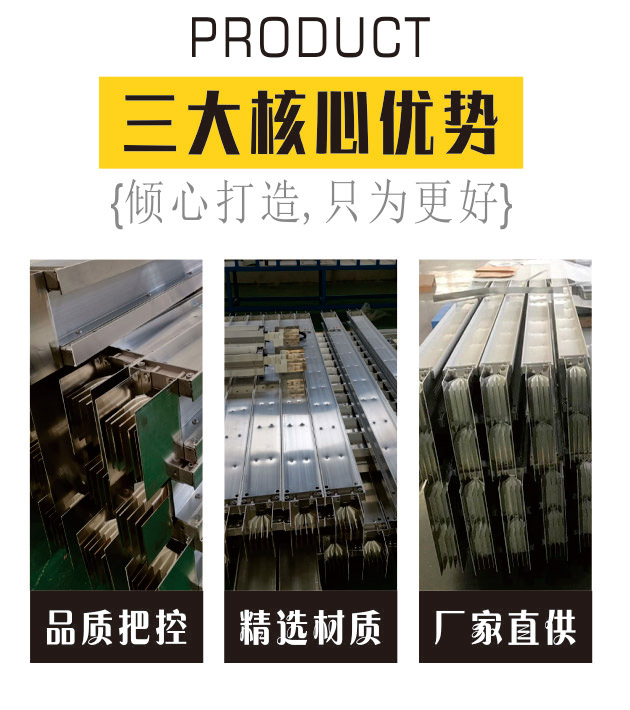
Yunnan Youtong Electric Co., Ltd. is a professional manufacturer of bus ducts and cable trays, with high cost-effectiveness. Crafted with ingenuity, it is durable, with complete specifications and low prices. If you need it, please feel free to call us for consultation!