












How to choose underfloor heating for villas, duplexes, and self-built houses with large floor areas?
Carbon Fiber Electric Ground Heating - Carbon fiber is a new material with superior mechanical properties. Its density is less than one-fourth of steel. The tensile strength of carbon fiber reinforced plastic composites typically exceeds 3500 MPa, which is 7 to 9 times that of steel. The tensile elastic modulus ranges from 230 to 430 GPa, also higher than that of steel. The higher the specific strength of the material, the lighter the weight of the component; the higher the specific modulus, the greater the stiffness of the component. This预示s the broad application prospects of carbon fiber in engineering.
Electric Underfloor Heating Usage Instructions:
1. After the installation of the ground heating system, gradually increase the temperature 24 hours later. Make sure the floor is clean and dry before heating to prevent cracking and warping due to rapid temperature rise.
2. When using the underfloor heating for the first time or after a long period of non-use, set it to a low temperature first, then gradually increase the heat by about 1℃ per hour. This allows the wooden floor to acclimate to the temperature increase. Rapid heating may cause the wooden floor to expand and distort, leading to cracking and reducing its lifespan.
3. Avoid fixed decorations or placing furniture without legs on geothermal radiant floor heating to prevent uneven heat distribution and to avoid the floor warping due to localized heat buildup.
Installation Standards for Electric Underfloor Heating
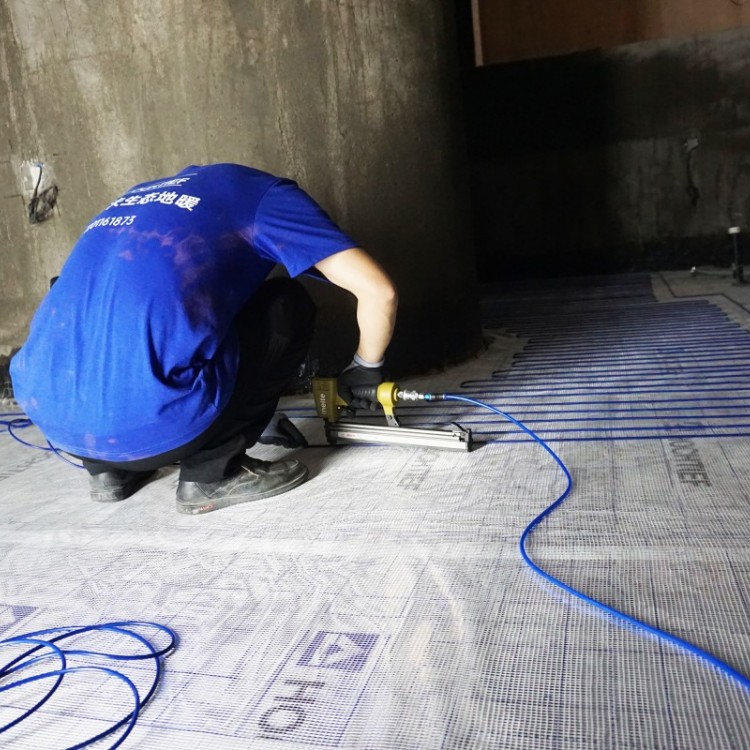
The electric underfloor heating installation process is the same as the low-temperature water underfloor heating. After the ground part of the electric underfloor heating is installed, just install a thermostat on the indoor wall. For the low-temperature water underfloor heating, after the ground part is installed, you also need a boiler and a circulating pump.
Electric underfloor heating is also safe to use; it has been tested with 4000V high voltage. Home voltage is only around 220V, with double-layer protection for the heating element, plus electromagnetic wave shielding and grounding protection. In case of any leakage, your home's main power supply will be immediately cut off. The product lifespan exceeds 50 years, and electric underfloor heating has large-scale project cases in buildings across China and around the world.
You can choose decorative layers above electric radiant heating: tiles, marble, engineered hardwood flooring, solid hardwood flooring (self-regulating heating cables can be used for solid hardwood flooring).
Electrical underfloor heating installation precautions:
Before installing electric underfloor heating, ensure the power supply lines and electricity meter capacity can support the system's power load. For those insufficient in capacity, apply for an increase in power capacity first to meet the system's electricity requirements.
2. For newly constructed or newly renovated residential properties, after the system installation is complete and the floor decoration is finished, the heating should be initiated only after the floor has naturally dried (approximately 28 days). During floor decoration, it is crucial to avoid damaging the heating cables to prevent system damage.
3. Strictly prohibit the use of joists as subflooring for floor installation to avoid nails piercing the ground and damaging cables, causing electric leakage.
4. Choose home decorations with a bottom that is at least 4 inches off the ground to ensure heat dissipation and prevent damage to furniture from radiant heating.
5. Upon first-time system activation, the initial warming rate is slower, taking a minimum of 3 hours, and up to 12 hours if the ground heat storage layer is thick. Additionally, there is a building structure heat storage process, which typically lasts for about a week. During this period, do not lower the heating temperature or shut down the system.
6. When heating, turn the thermostat switch to the "on" position, then adjust the ground temperature and room temperature. Initially, set the temperature to a lower level (3℃ above the base temperature), wait for the heating cable to run for a while, and then gradually increase the temperature.
7. When you're away for an extended period, ensure that the systems in rooms with plumbing, such as bathrooms and kitchens, are not turned off. Set the room temperature around 5°C to prevent pipes from freezing and cracking.
Haugtifu, leveraging its core competitiveness in building heating, offers sustainable heating ecosystem solutions and services from residential to large commercial buildings, catering to your diverse comfort needs, whether you reside in a winter wet and cold climate zone or in the extreme cold of up to -35°C.
WeChat Official Account

Scan to follow Official Account