












How to choose underfloor heating for villa, duplex, and self-built houses with large living spaces
The principle of carbon fiber electric floor heating:
Its working principle is based on electrical stimulation, which induces "Brownian motion" through carbon molecular clusters. This results in thermal energy through the mutual collision and friction between carbon molecules, generating a large amount of infrared radiation, with an electrical to thermal energy conversion rate exceeding 98%.
The main component of the "temperature control system" is the electric heating thermostat. The thermostat controls the heat provided by the carbon fiber electric radiant heating by sensing changes in the indoor heating environment temperature. Setting a reasonable heating temperature can significantly improve the system's efficiency and reduce energy consumption.
Carbon fiber electric floor heating installation details are crucial:
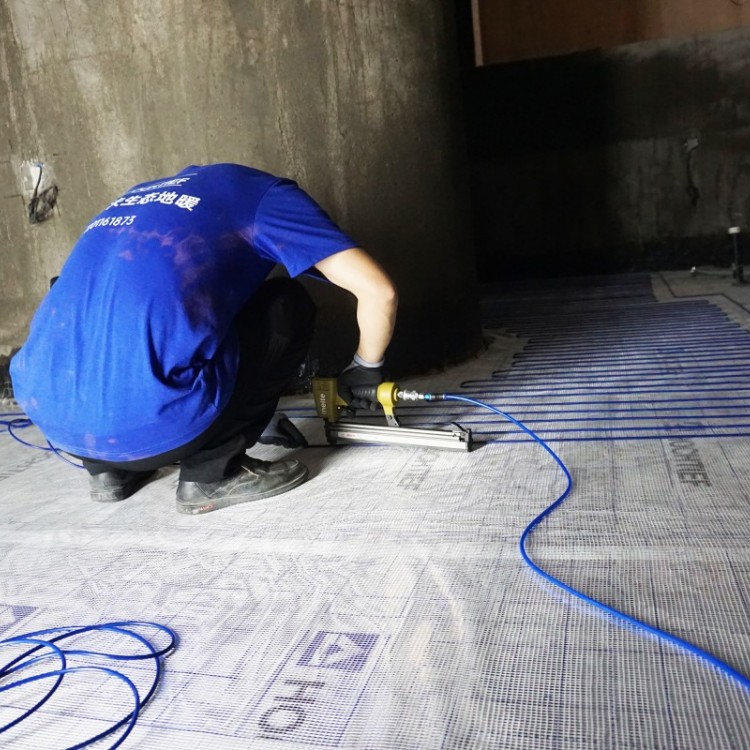
Before installing carbon fiber electric radiant heating, the construction crew should first inspect the site. Check the installation area to confirm it meets construction conditions, design the plans, and then install according to the plans. Before installation, clean the installation area, lay the cement mortar heat storage layer as per design requirements, create a moisture-proof isolation layer, lay the ground decorative materials, and complete the ground construction.
Electrical underfloor heating installation precautions:
Before installing electric floor heating, ensure that the power lines and electricity meter capacity can support the system's electrical load. For insufficient capacity, apply for an increase in electrical capacity first to meet the system's power requirements.
2. For newly constructed or newly renovated residential properties, after the system is installed and ground decoration is completed, it is necessary to wait for the ground to naturally dry (approximately 28 days) before heating. During ground decoration, be mindful to avoid damaging the heating cables to prevent system damage.
3. Strictly prohibit the use of joists as subflooring for flooring installation to avoid nails piercing the ground and damaging cables, causing electrical leakage.
4. Choose home furnishings with a base at least 4 inches off the ground to ensure heat dissipation and prevent damage to furniture from underfloor heating.
5. Upon first-time system activation, the initial heating rate is slower, taking a minimum of 3 hours and up to 12 hours depending on the thickness of the ground heat storage layer; in addition, there is a building structure heat storage process, typically lasting around one week. During this period, do not lower the heating temperature or shut down the system.
6. During heating, turn the thermostat switch to the "on" position, then adjust the ground temperature and room temperature. Initially, set the temperature to a lower level (3℃ above the base temperature), wait for the heating cable to operate for a while, and then gradually increase the temperature.
7. When away for an extended period, do not shut off the systems in rooms with water supply and drainage, such as bathrooms and kitchens. Set the room temperature around 5°C to prevent pipes from freezing and bursting.
Before installing the carbon fiber electric floor heating system, the electrical resistance and nominal resistance of the products should be tested for insulation. To prevent accidental damage to the insulation layer of the electric floor heating products during construction, a retest should be conducted prior to installation to ensure the system operates normally after being concealed. The concealed sections should be drawn on-site as a concealed work diagram to facilitate users in understanding the installation of the carbon fiber electric floor heating products and to avoid damaging the structural layer of the system due to house repairs.
Haugheitiv, leveraging its core competitive advantages in the field of building heating, offers sustainable heating ecosystem solutions and services from residential to large commercial buildings. Whether you reside in a humid and cold winter climate zone or in extreme cold conditions down to -35°C, we cater to your diverse comfort needs through international resource integration.
WeChat Official Account

Scan to follow Official Account