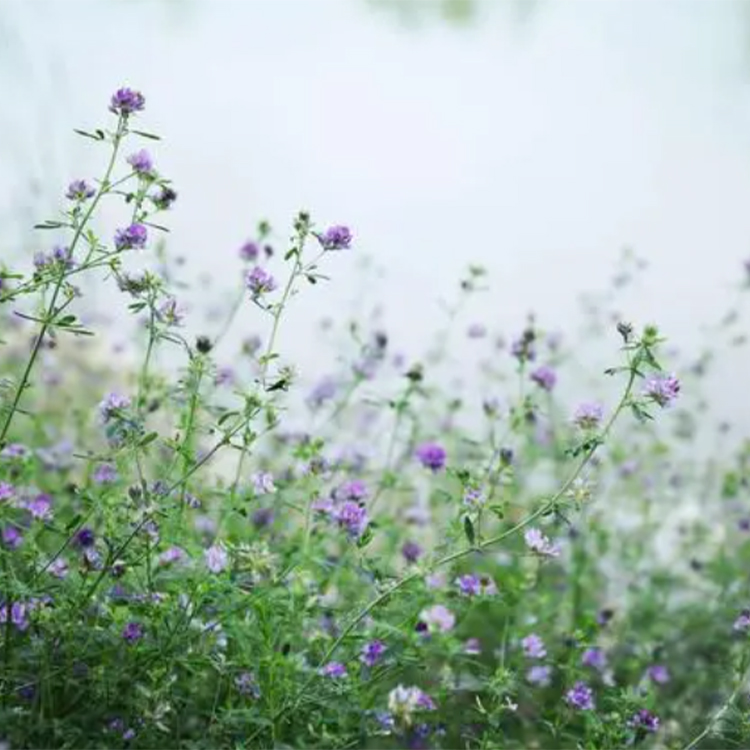













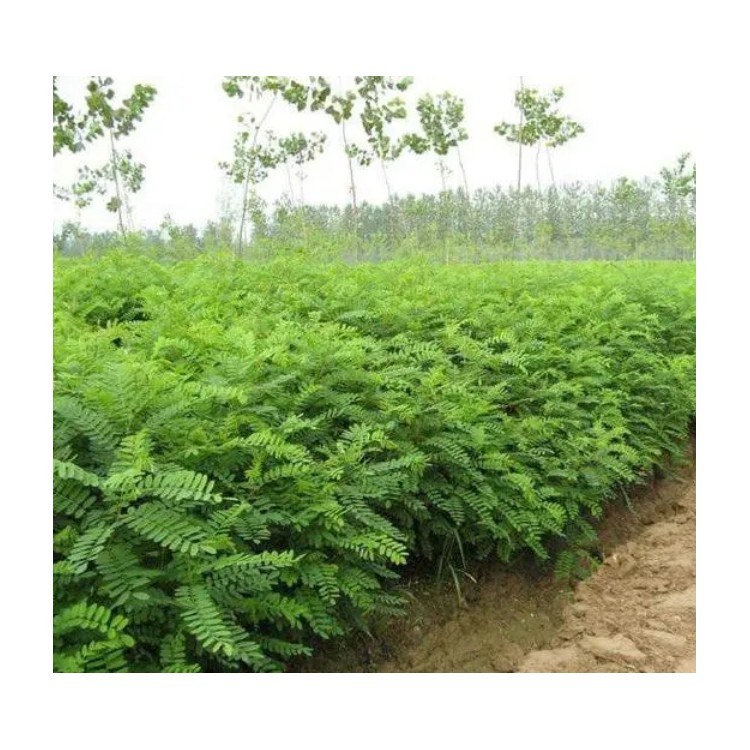
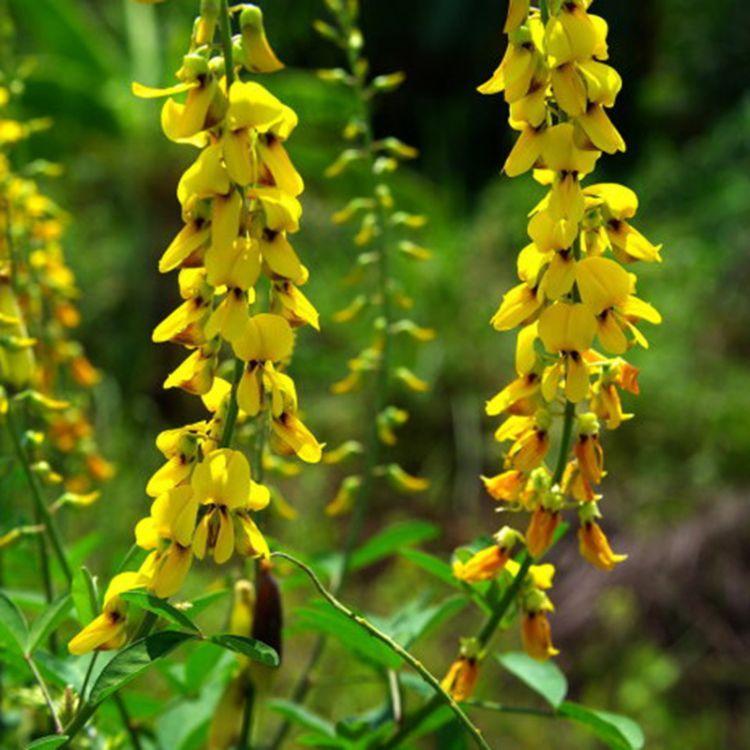
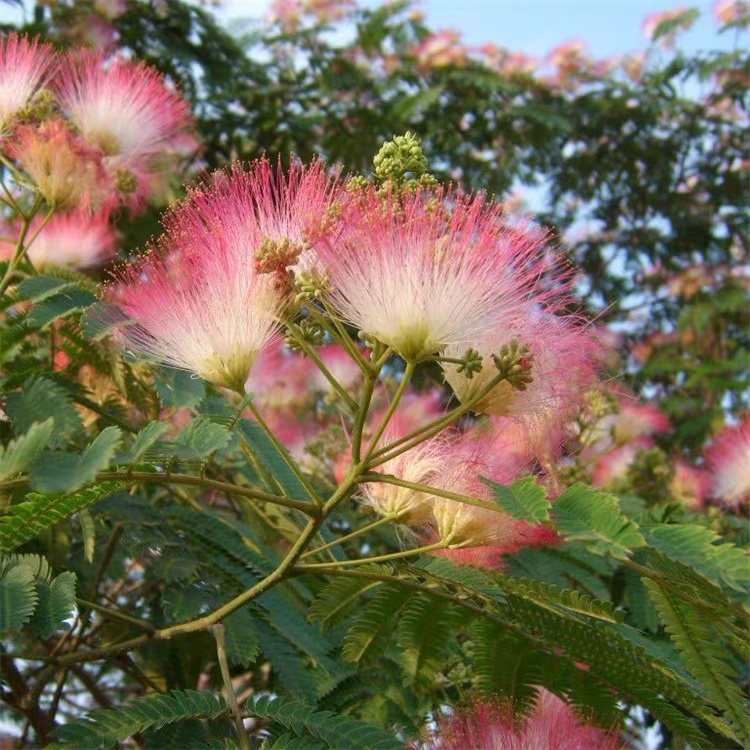
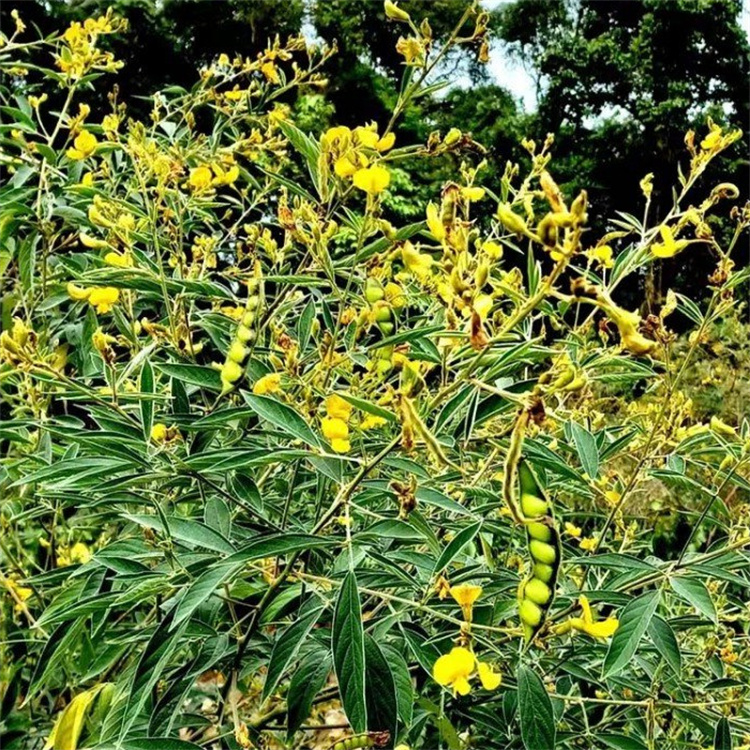
Alfalfa (scientific name: Medicago sativa), also known as purple clover, is a perennial rhizomatous herb in the genus Medicago. Below is a detailed introduction:
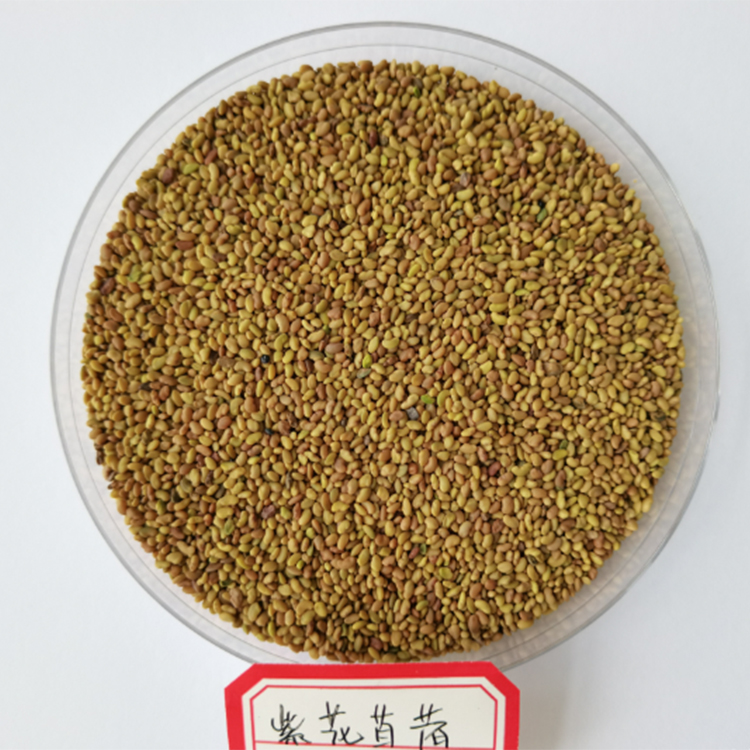
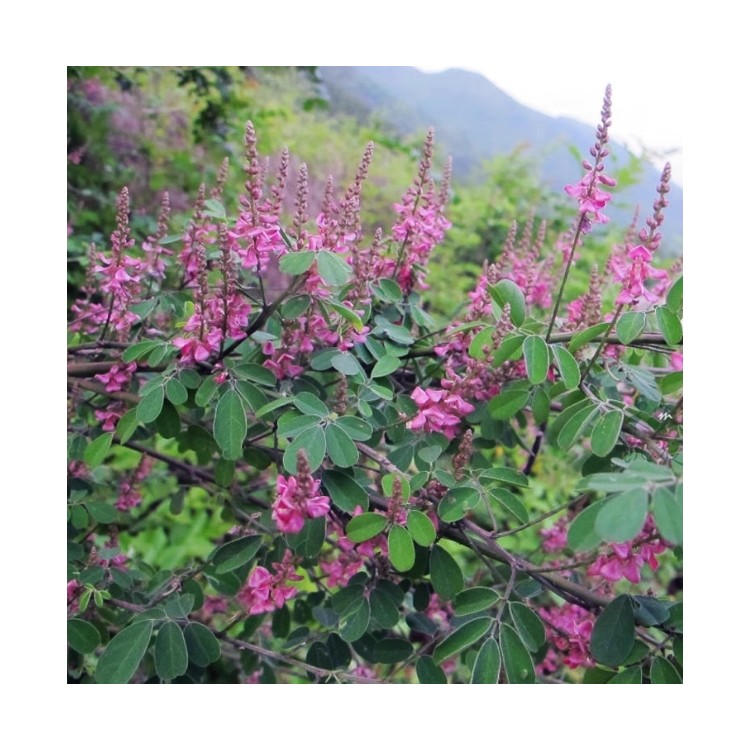
Morphological characteristics. The stems of alfalfa are upright, tufted, or creeping, quadrangular, and highly branched; the stipules are large, ovate-lanceolate; the leaflets are inversely ovate-oblong; the flowers are arranged in racemes in clusters, with purple corollas; the pods are spiral-shaped, turning brownish when ripe; the seeds are small and smooth, yellow or brown; flowering usually occurs from May to July, and fruiting from June to August.
Geographical Distribution: The purple clover is native to the western Asia, primarily distributed in the middle and lower reaches of the Yellow River and the northwestern regions of China. It is also widely spread in the northwestern, north, northeastern, and east coast regions, with some distribution in the central and northern parts of Ganzi Prefecture.
Ecological Value. The purple clover has effects on coughs, asthma, and neuralgia related to incontinence of urine and feces. Its tender stems and leaves are rich in vitamin K, have strong regenerative capacity, and are used as livestock feed and green manure crops.
Nutritional Value. Alfalfa is rich in protein, up to 20%, and also contains minerals such as calcium, phosphorus, iron, zinc, manganese, potassium, and sodium, as well as a variety of vitamins like Vitamin A, C, and K. These nutrients are highly beneficial for the growth and reproduction of livestock.
Cultivation History. The cultivation of alfalfa with purple flowers in China has a very long history, with historical records indicating over 2,000 years. Originally introduced from the Western Regions, it was primarily used as horse feed.
Symbolic Meaning. Alfalfa is considered a lucky herb due to its purple flowers, symbolizing the gift brought to humanity from Eden by Adam and Eve.
Edible Value. Alfalfa is not only used as forage but also as food. There is a history of consuming alfalfa in ancient China, with its tender stems and leaves being regarded as highly nutritious.