











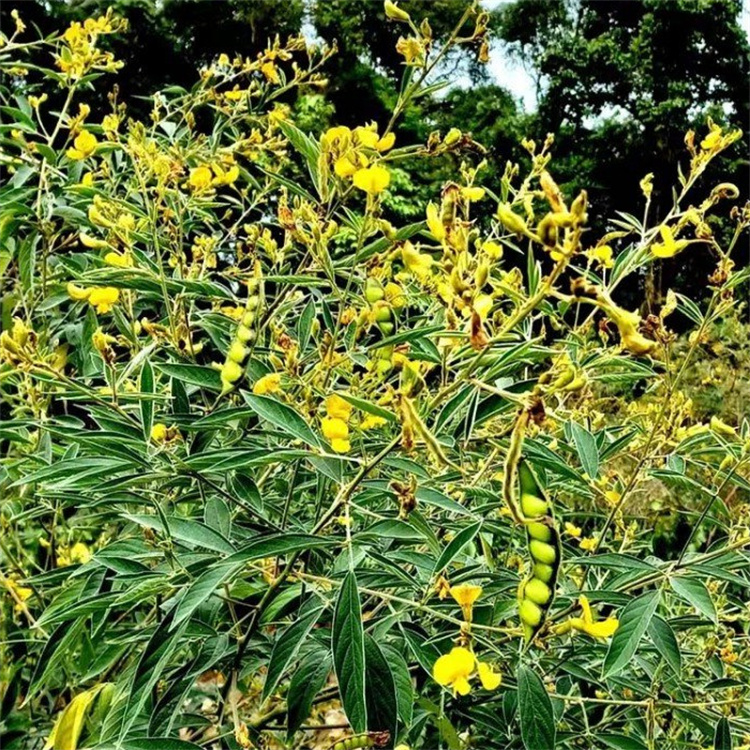
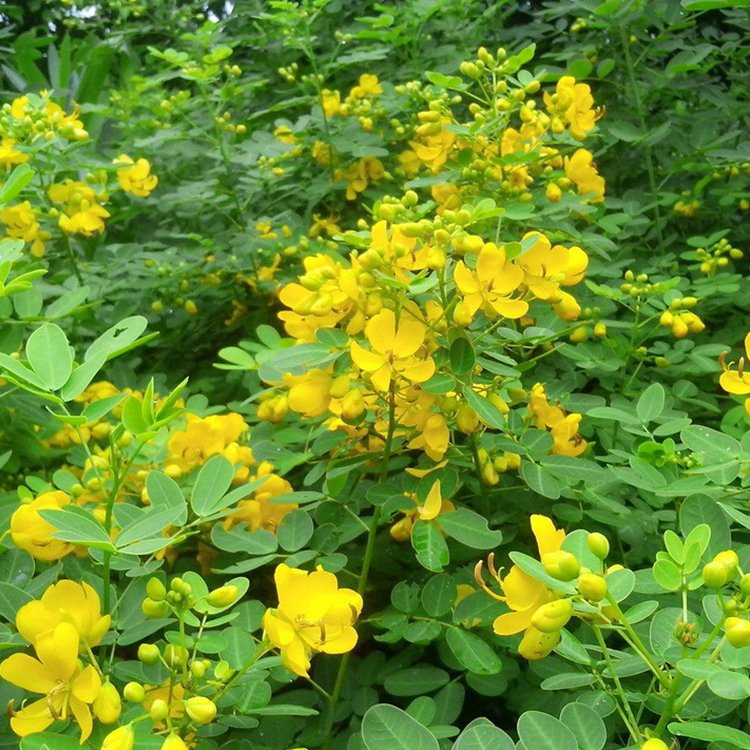
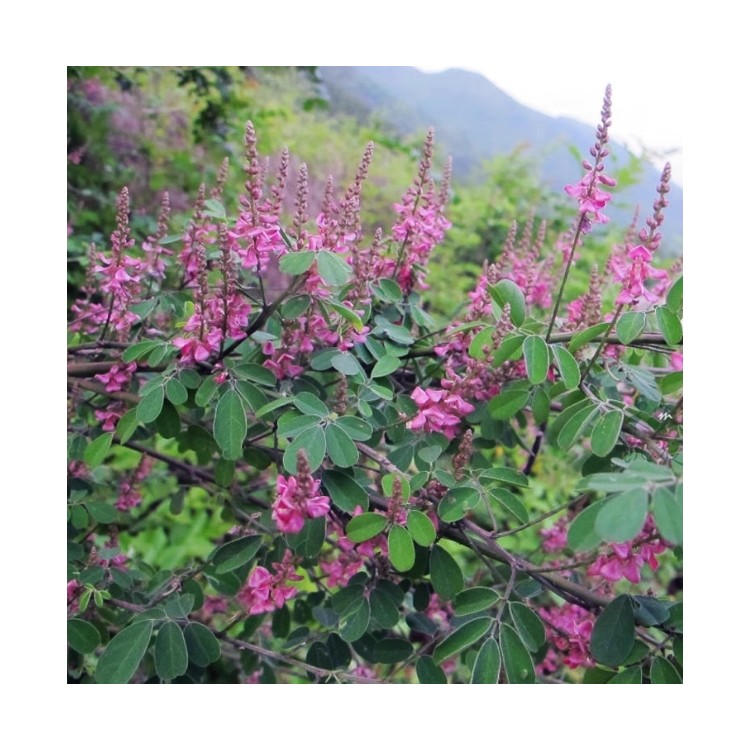
Marigold, also known as autumn chrysanthemum, Gesanghua, and Zhang Da Ren flower, is an annual or perennial herb belonging to the Asteraceae family, Chrysanthemum genus. Its native land is Mexico, America, and it is now cultivated in many places, especially thriving in warm climates. Marigolds are beloved for their vibrant flowers and robust vitality.
Marigold seeds are generally small, with a shape that is flat and round, typically black or brown in color. The seed coat is hard and possesses certain drought and storage resistance. The quality of the seeds has a direct impact on the growth and flowering of marigolds. Good seeds should be plump, free from pests and diseases, and have a high germination rate.
Marigold seeds are best sown in spring, with an optional pre-soaking in warm water to aid germination. Post-sowing, maintain soil moisture, avoiding both over-dryness and excessive wetness. Marigolds are not picky about soil, but thrive in well-draining, fertile ground.
The germination time for波斯菊 seeds varies by variety and local climate, typically requiring 7 to 14 days. After germination, the波斯菊 grows rapidly, forming dense plants.波斯菊prefers a sunny environment, so ensure the plants receive adequate sunlight during the growing period.
Marigold seeds are not only used for propagating new plants but also serve as educational materials, allowing children to understand the growth process of plants. By planting and nurturing marigolds by hand, people can get closer to nature and experience the wonders of life.
Additionally, the flowers of the波斯菊 possess certain economic value. Due to their tight petals, sturdy petals, and resistance to shedding, these flowers are often used as cut flowers for making bouquets, flower baskets, and other floral products. Moreover, the flowers of the波斯菊 can be extracted for essential oils, which are used in the production of perfumes and cosmetics.
In summary, the seeds of the波斯菊 are a promising plant resource. Through proper planting and management, the Persian aster not only offers a beautiful visual delight but also generates economic value. For gardening and flower enthusiasts, cultivating Persian aster is a fun and beneficial choice.