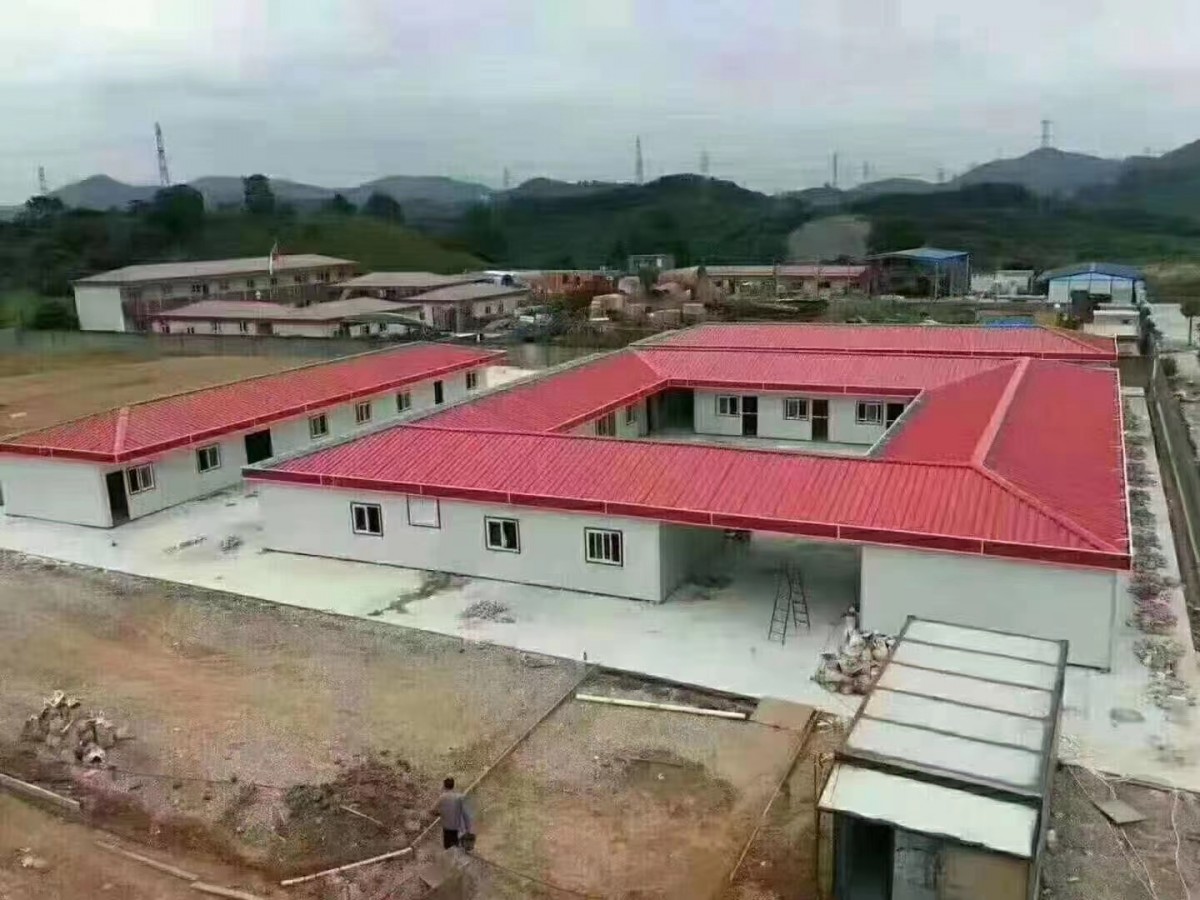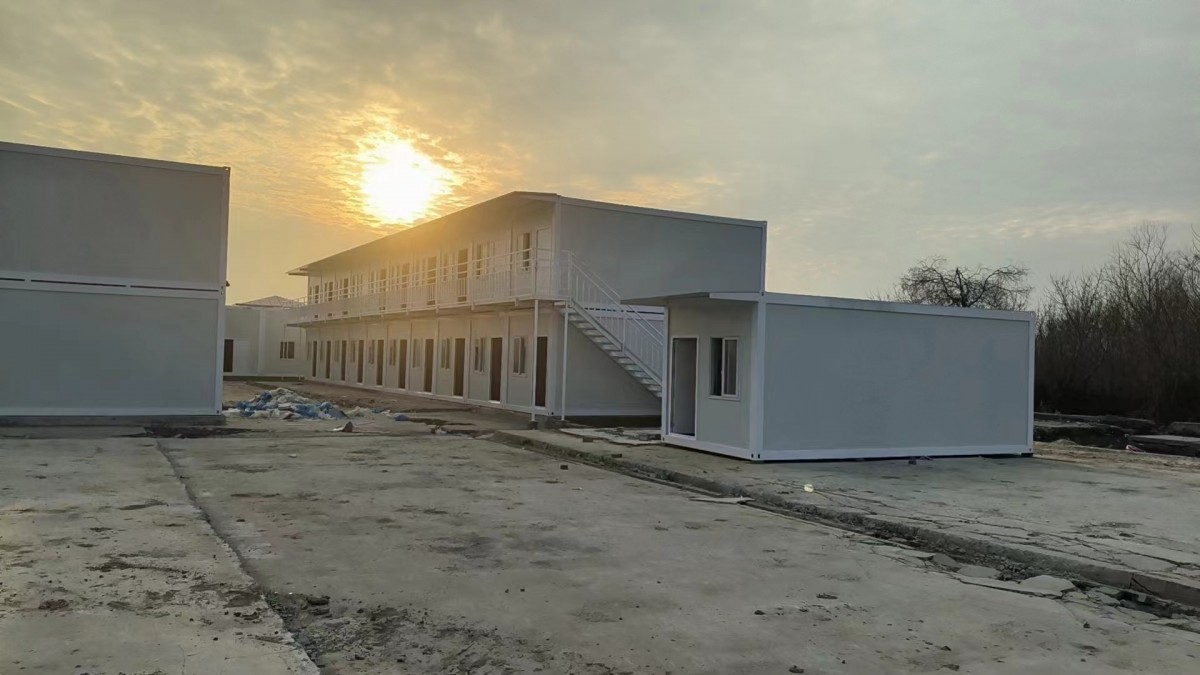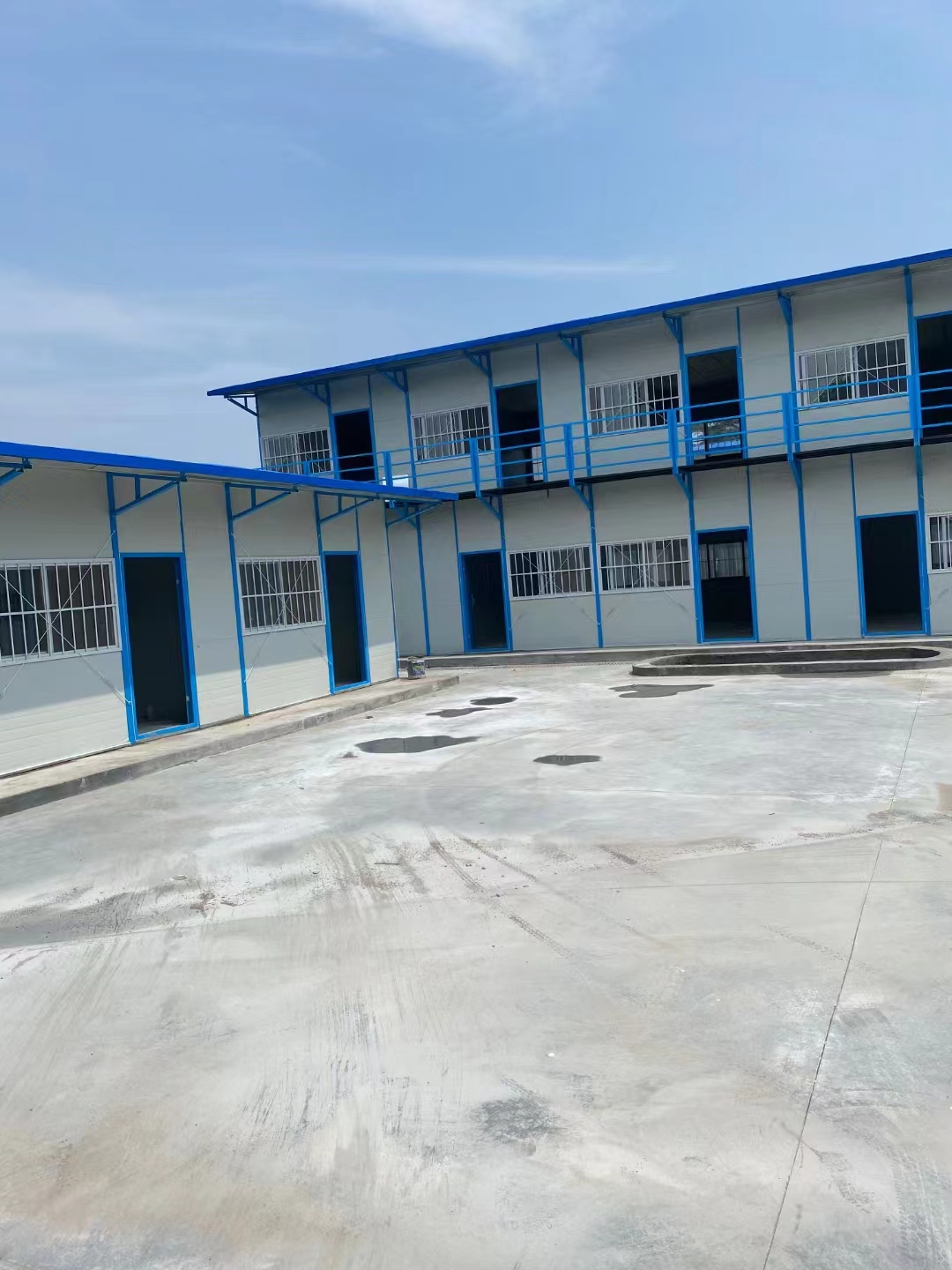











The principle of quick-packing is primarily based on its modular design and material selection, achieving fast assembly, convenient transportation, and excellent durability.
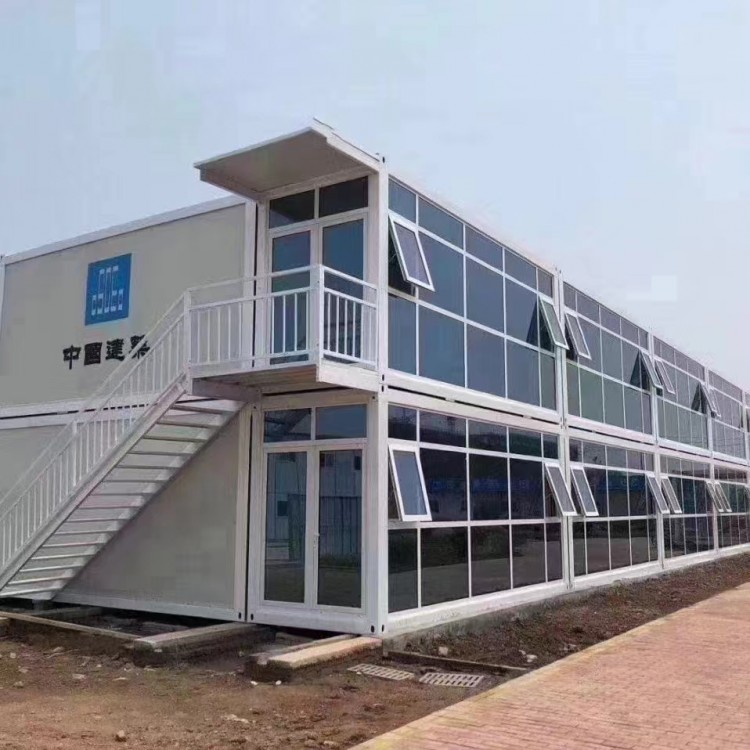
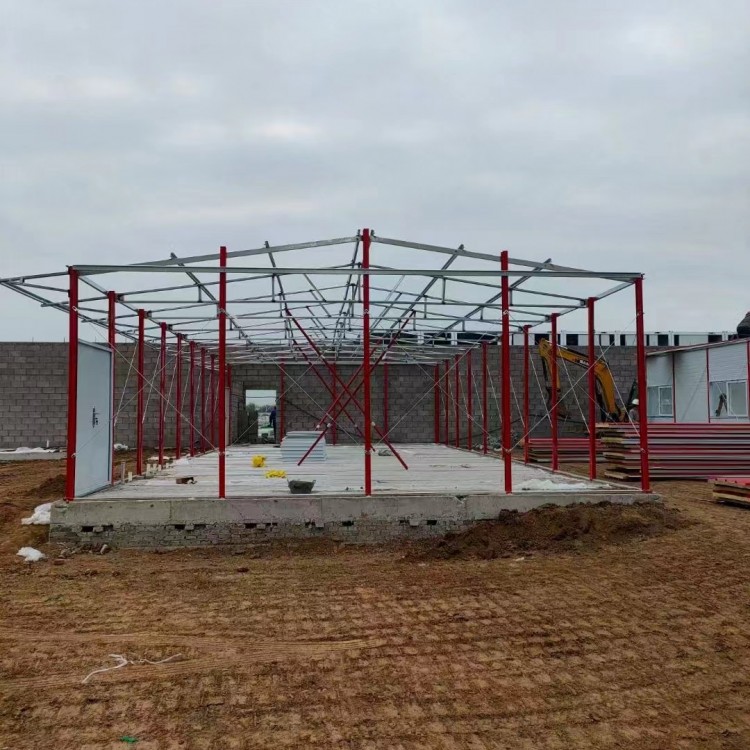
Firstly, the quick assembly container is designed with a modular concept. Its components, such as frames and panels, are pre-manufactured standard parts connected by screws and other fasteners, without the need for welding or other complex processes. This modular design makes the assembly and disassembly of quick assembly containers very convenient and quick, significantly enhancing construction efficiency.
Next, the material selection for the quick assembly container embodies the essence of its principle. It typically uses galvanized steel, SPCC steel plate, and color-coated steel plate as the framework and shell, which not only offer excellent strength and durability but also possess good anti-corrosion properties, enabling long-term use in various harsh environments. Additionally, the quick assembly container employs high-strength insulating materials like PU and EPS as the insulation layer, enhancing the building's thermal insulation and heat preservation capabilities.
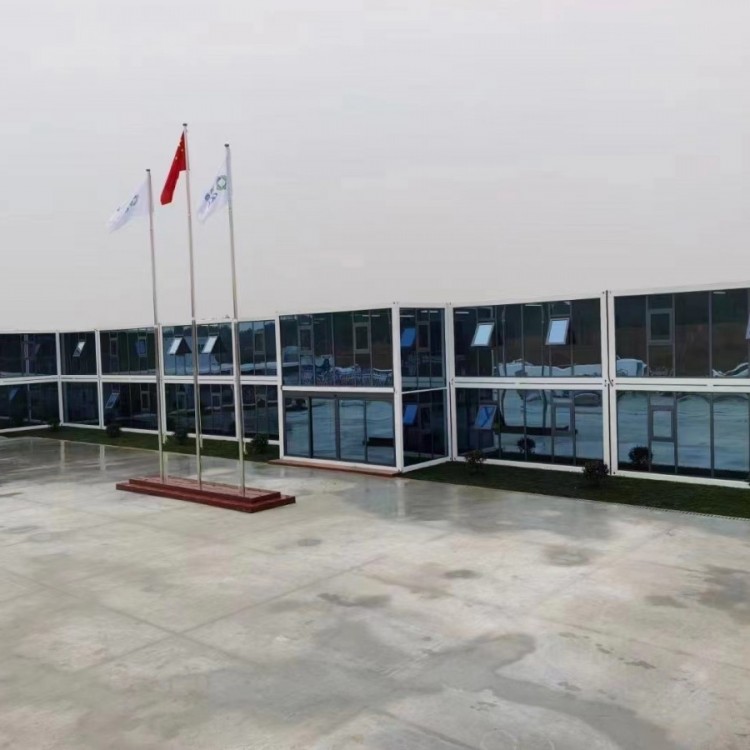
Moreover, the standardized design of the quick-pick container is a crucial part of its principle. It adheres to the international standard container dimensions and structural design, allowing the quick-pick container to conveniently interface with the container transportation system, achieving rapid transport and flexible scheduling. This standardized design not only enhances logistics efficiency but also reduces transportation costs.
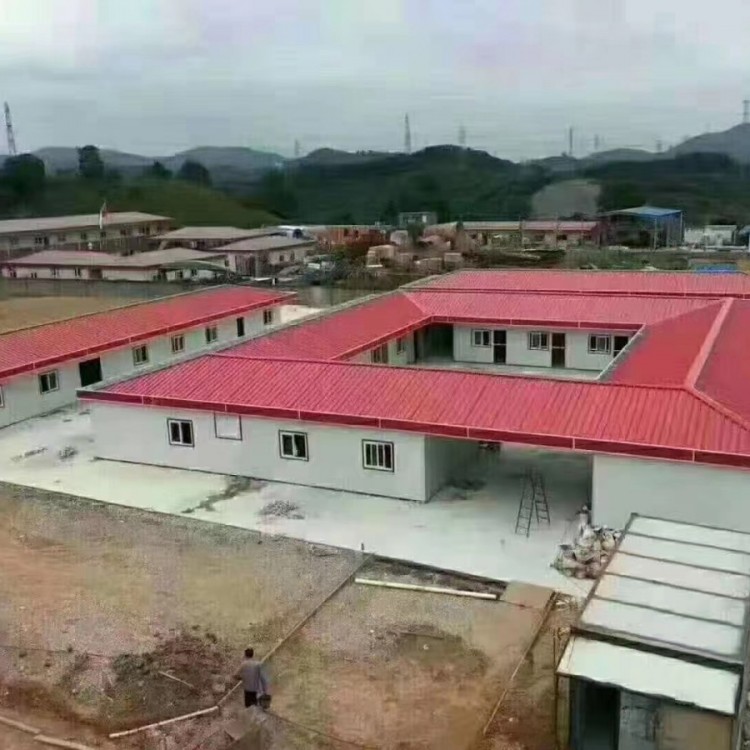
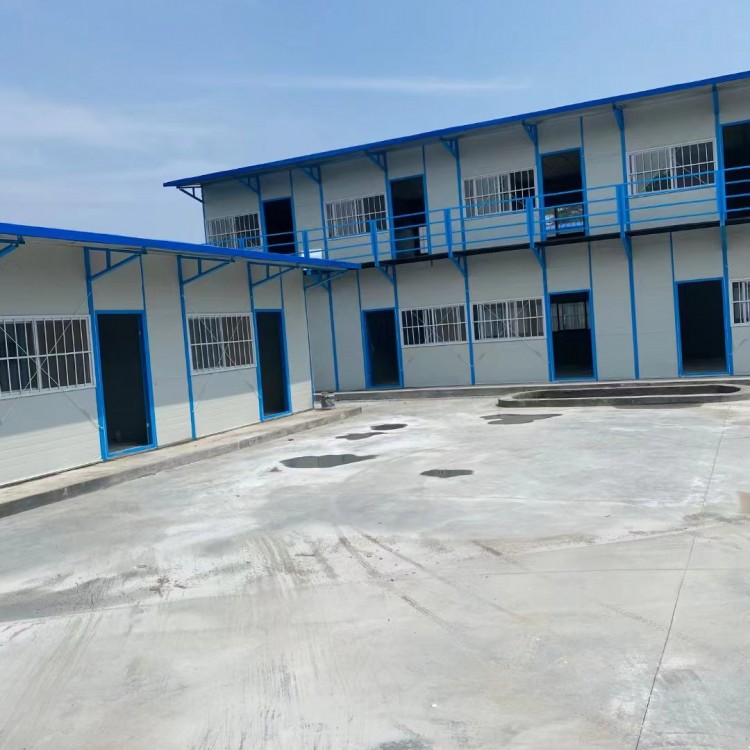
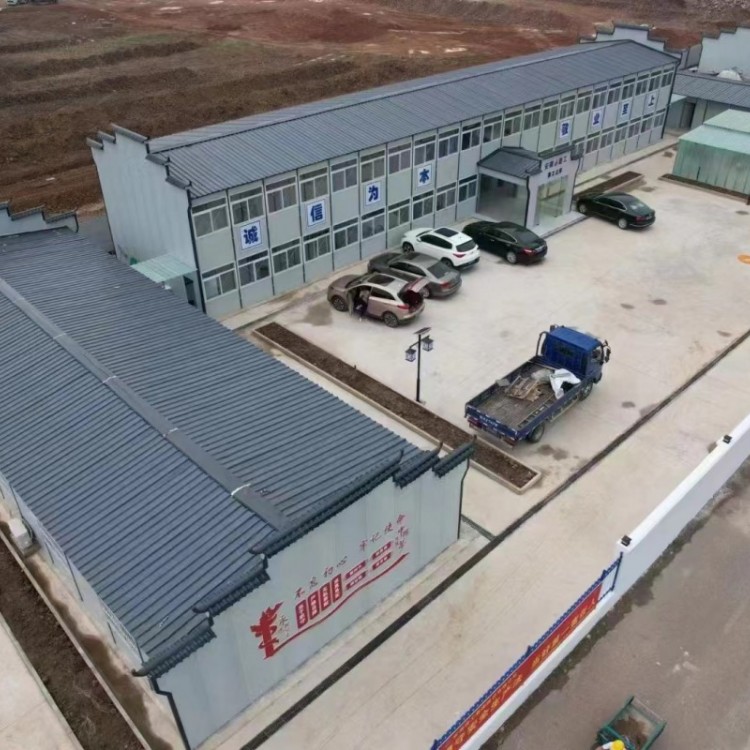
In summary, the principle of quick-packing containers lies in their modular design, choice of high-strength materials, and standardized construction. These features make quick-packing containers a fast, convenient, and durable temporary building solution, widely used in construction sites, temporary offices, warehouses, and various other settings.