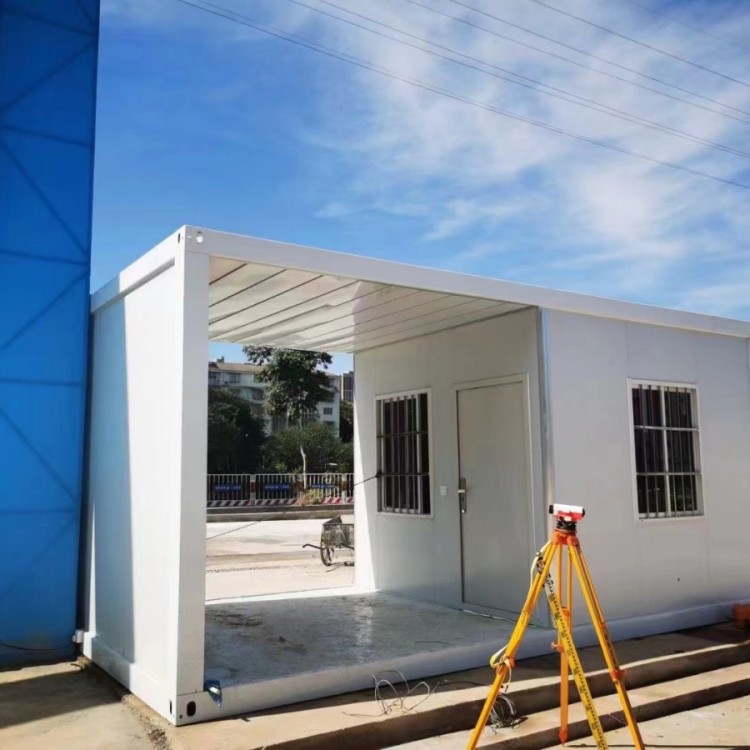

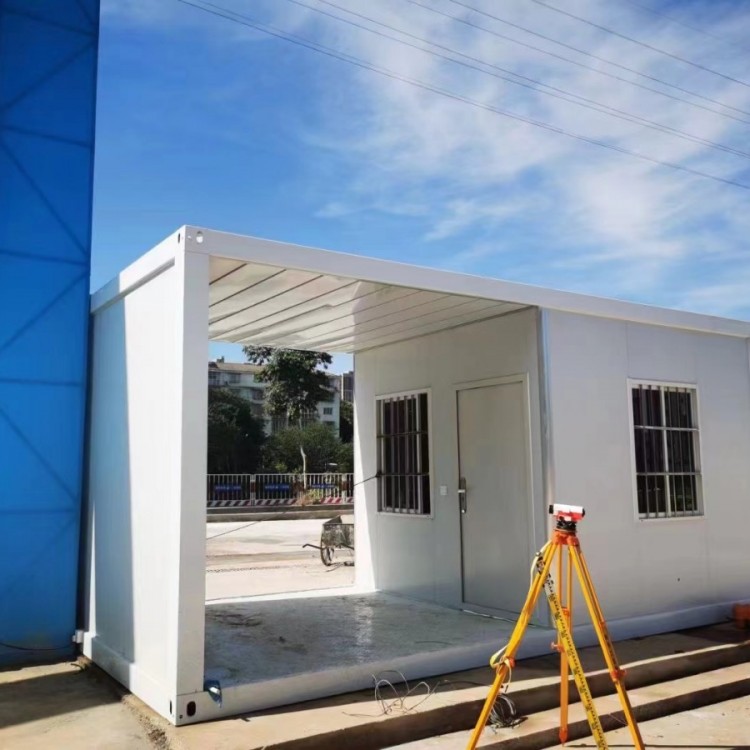




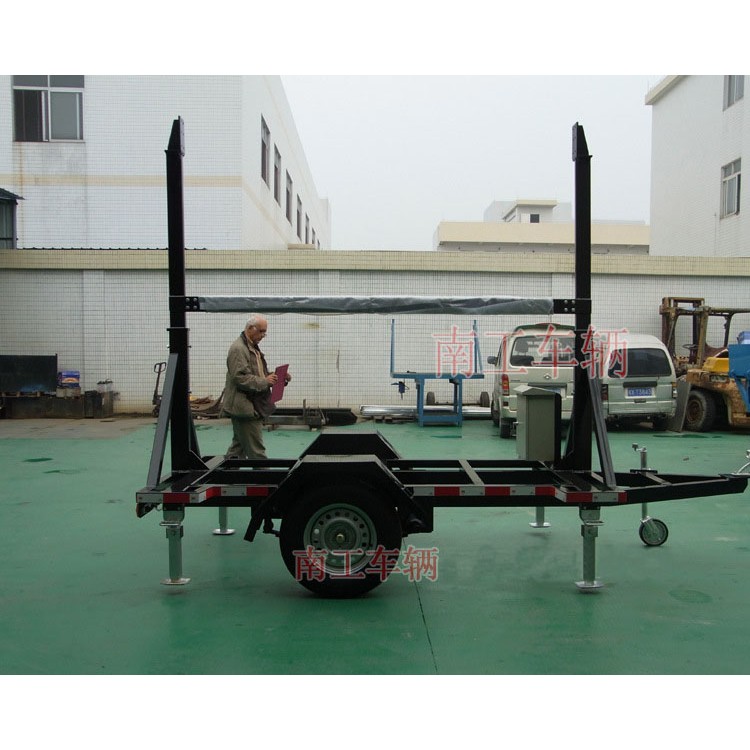
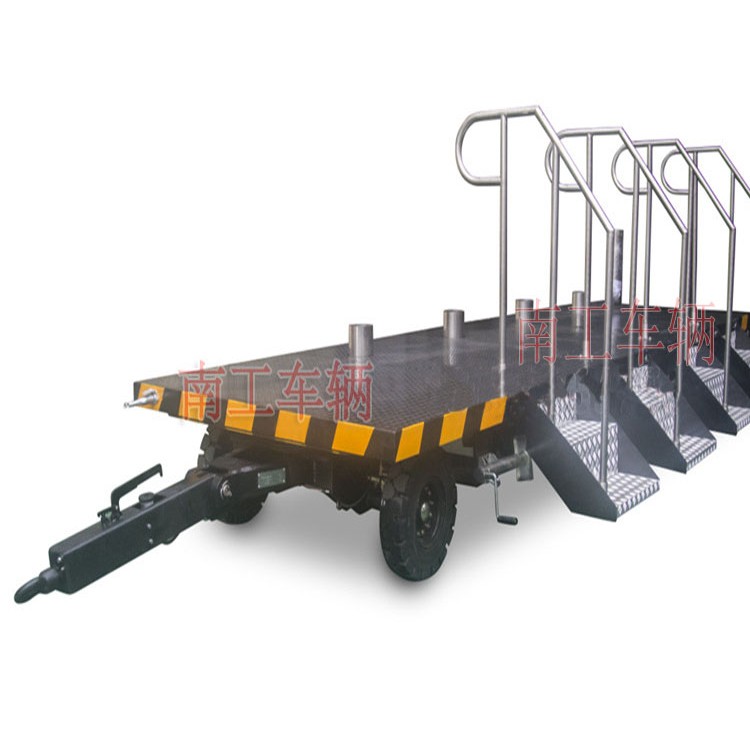











The principle of containers is primarily based on their structural design and functional characteristics, achieving effective protection and efficient transportation of goods.
Firstly, containers have standardized dimensions, which facilitate convenient transshipment between different modes of transport (such as ships, trains, and trucks) without the need for additional packaging or unpacking. This standardized design not only simplifies the logistics process but also enhances transportation efficiency.
Secondly, the structural design of the container takes into account strength and durability. Typically made of high-strength steel, it boasts excellent compressive and impact resistance. This allows the container to withstand vibrations, impacts, and stacking pressures during transportation, protecting the goods from damage.
Additionally, the container's load capacity is a crucial part of its principle. Containers can carry a large volume of goods, typically ranging from 20 to 30 tons. With proper loading and securing measures, containers can ensure the stable positioning of goods during transportation, reducing the risk of damage and loss.
Additionally, the intermodal nature of containers is a key principle. Goods can be directly loaded into containers at the production site and then transferred using different modes of transport, such as trucks, trains, or ships, without requiring additional loading and unloading during transit. This intermodal approach not only enhances transportation efficiency but also reduces product loss and labor costs.
For specialized types of containers, such as insulated and energy storage containers, their principles also involve specific technical designs. Insulated containers maintain stable cargo temperatures by selecting appropriate insulation materials and structural designs; while energy storage containers integrate energy storage batteries and other equipment to provide peak load and frequency regulation services for the power system.
In summary, the principle of containers is primarily based on their standardized design, structural strength, load capacity, intermodal transport characteristics, and the design of special functions, effectively protecting and efficiently transporting goods. These principles have made containers an indispensable part of the modern logistics system, driving the development of global trade.