
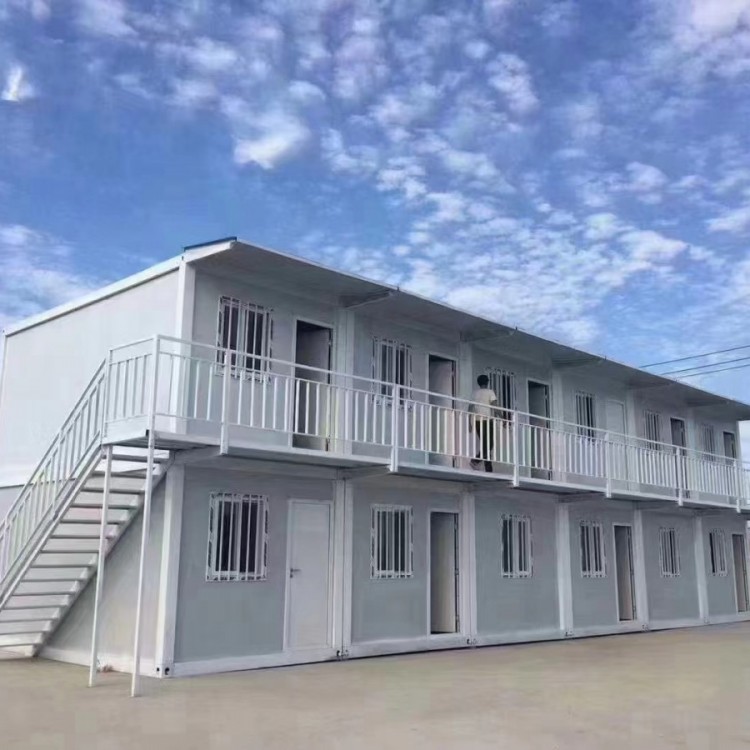



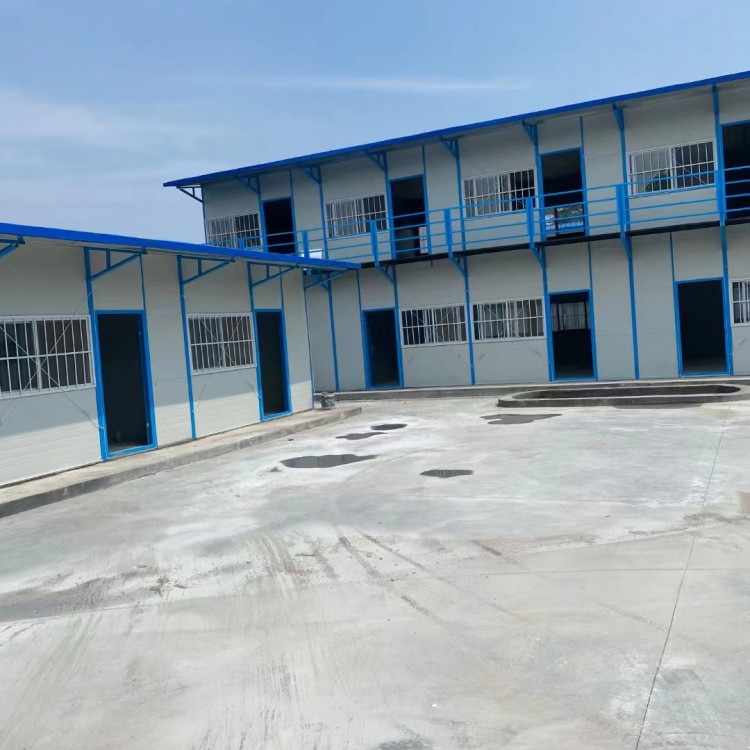



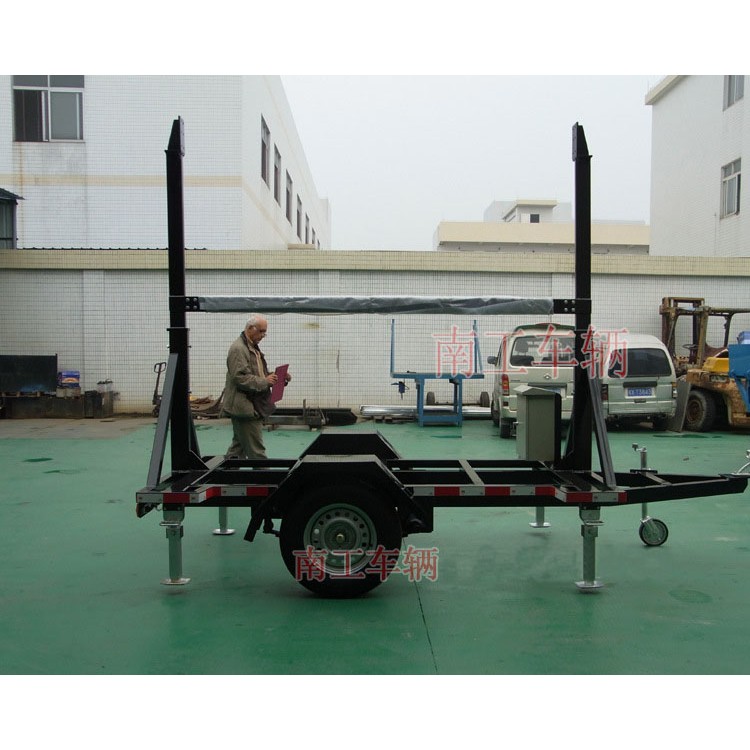
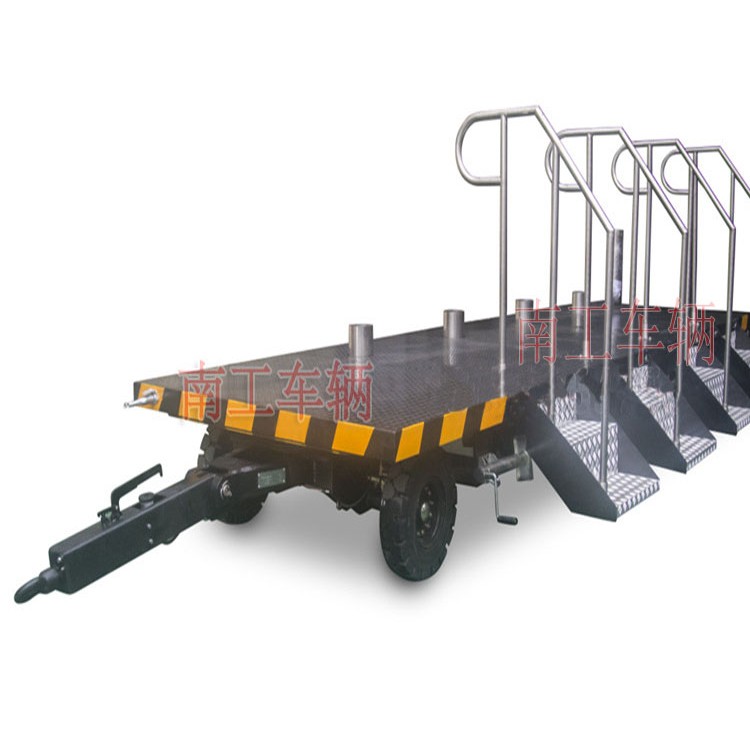







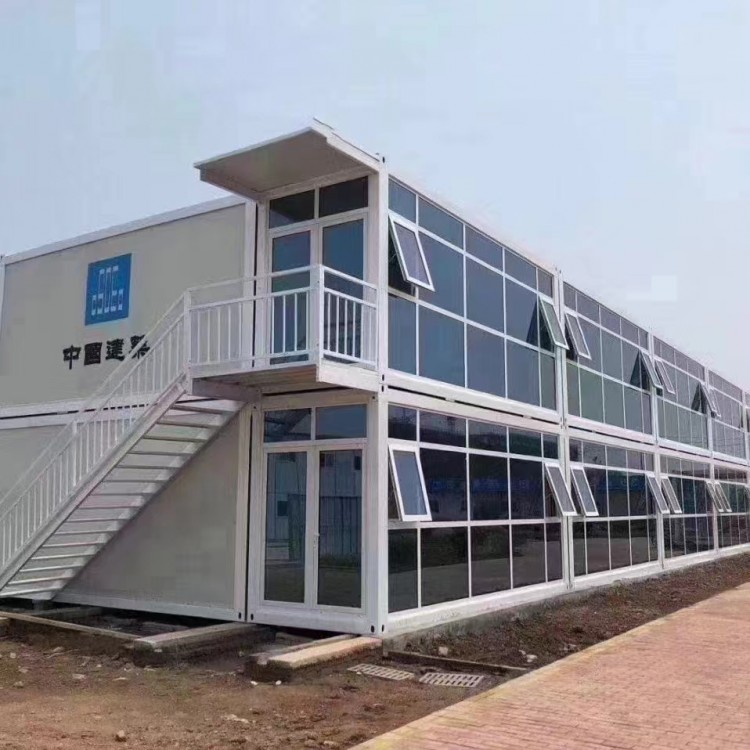
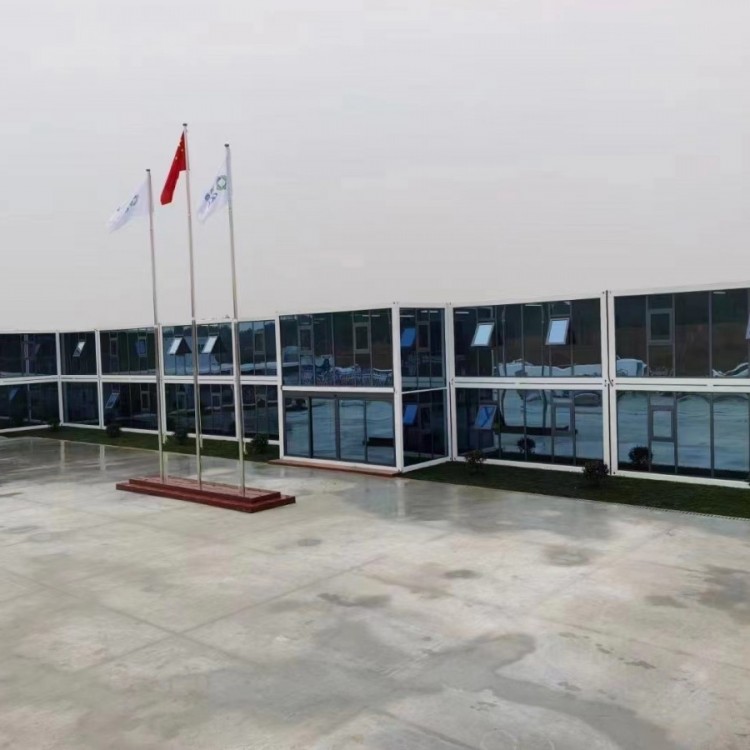
A container is a unitized tool for transporting packaged or unpackaged goods, designed for easy handling by mechanical equipment. Its success lies in the standardization of the product and the comprehensive transportation system established thereby, enabling the integration of logistics systems across global shipping, ports, routes, roads, transit stations, bridges, tunnels, and multimodal transport.
The main advantages of containers include:
High strength, low cargo damage: Due to the sturdy strength of the container, its protective and defensive capabilities are strong, resulting in minimal cargo damage.
All-in-one multifunctional: The container itself serves as a mini-storage warehouse, eliminating the need for additional warehouses or storage facilities.
Streamlined Standardization: Container dimensions, sizes, and shapes are standardized, facilitating planning and scheduling for cargo loading and carrier equipment. This allows for unified loading and transportation, simplifies handling processes, and enhances universality and interchangeability.
Based on various usage scenarios and transportation requirements, containers come in multiple types, including:
Dry cargo container: Suitable for a variety of goods, especially dry items like electronic equipment, textiles, and food.
Refrigerated Containers: Primarily used for transporting goods that require low temperatures or refrigeration, such as frozen food, pharmaceuticals, and flowers.
Open-top containers: Typically used for transporting oversized or over-length goods, such as large machinery, construction materials, and construction equipment.
Flat Rack Container: Ideal for loading and unloading cargo from the sides or top, suitable for items like steel, wood, and large machinery.
Box container: Ideal for transporting large quantities of similar goods, such as clothing, furniture, and consumer products.
Additionally, we offer flat rack containers, tunnel containers, and open-side storage containers.AndA variety of special container types, including double-door containers, to meet different transportation and storage requirements.
However, containers also have some drawbacks, such as their own weight and high cost. The weight of the containers themselves is substantial, leading to a higher proportion of deadweight transportation and handling, which increases transportation costs. Additionally, the manufacturing of containers requires a significant cost, which also contributes to the overall increase in logistics expenses.
In summary, containers play a crucial role in the modern logistics system, enhancing the efficiency and safety of cargo transportation, and are an indispensable part of global trade.