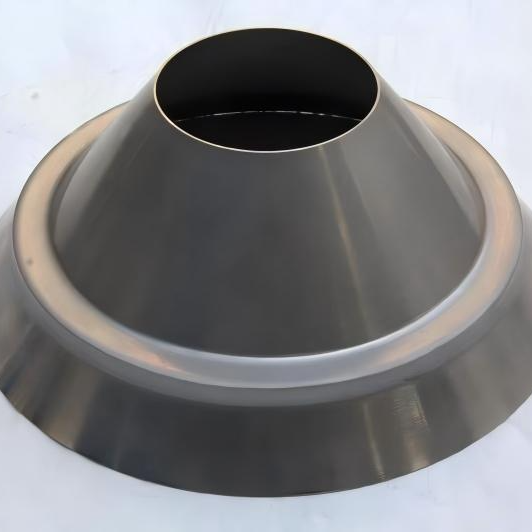




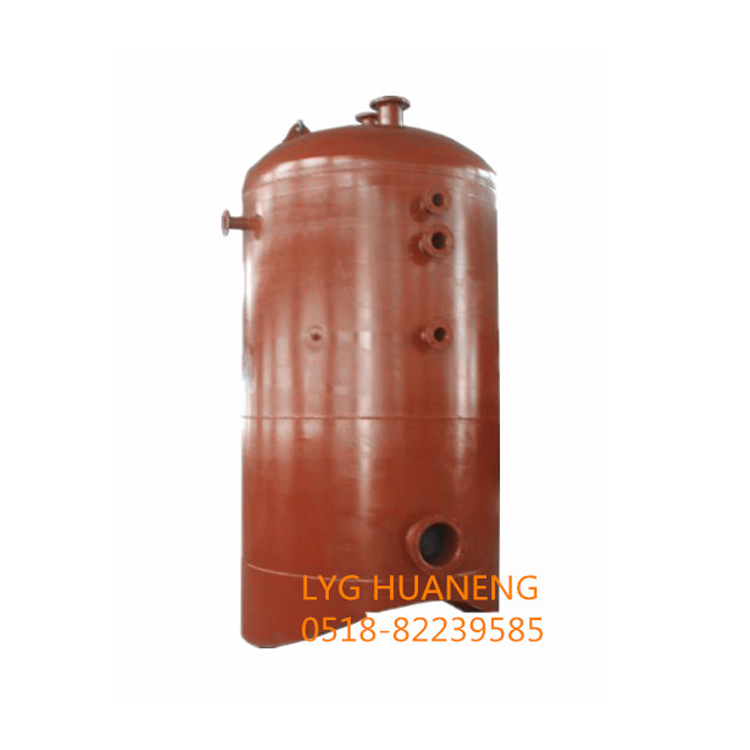


Continuous Effluent Blower Tank
Purpose of continuous row:
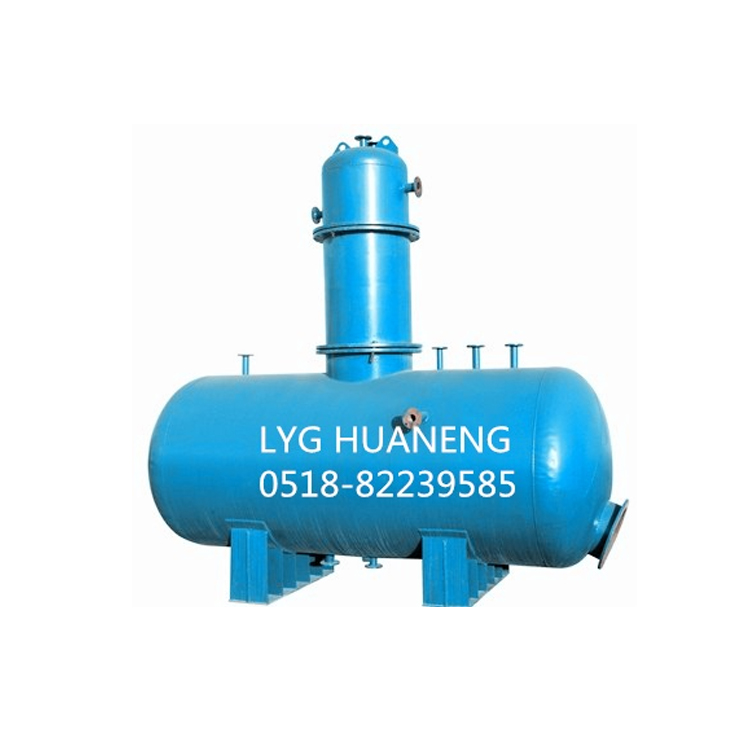
Continuous blowdown expansion vessels are used to expand and reduce the pressure of continuous blowdown water to separate steam for utilization, thereby enhancing the thermal economy of the power plant. They are connected to the continuous blowdown outlet of the boiler and are designed to reduce and expand the blowdown water. Inside the expansion vessel, the blowdown water is insulated, expands, and separates into secondary steam and waste hot water. It then undergoes expansion, pressure reduction, and heat exchange before being discharged. The secondary steam is piped out through a dedicated pipeline, while the waste hot water is automatically drained through a float ball level valve or an overflow control valve. This allows for the recovery and reuse of thermal energy. The continuous blowdown rate is automatically adjusted with the boiler feedwater load, maintaining a relatively stable discharge rate. Therefore, by utilizing the secondary steam and waste hot water as heat sources, some of the heat loss from the boiler's continuous blowdown can be recovered, thereby improving the efficiency.
Furnace efficiency.
II. Composition Structure:
1. Housing
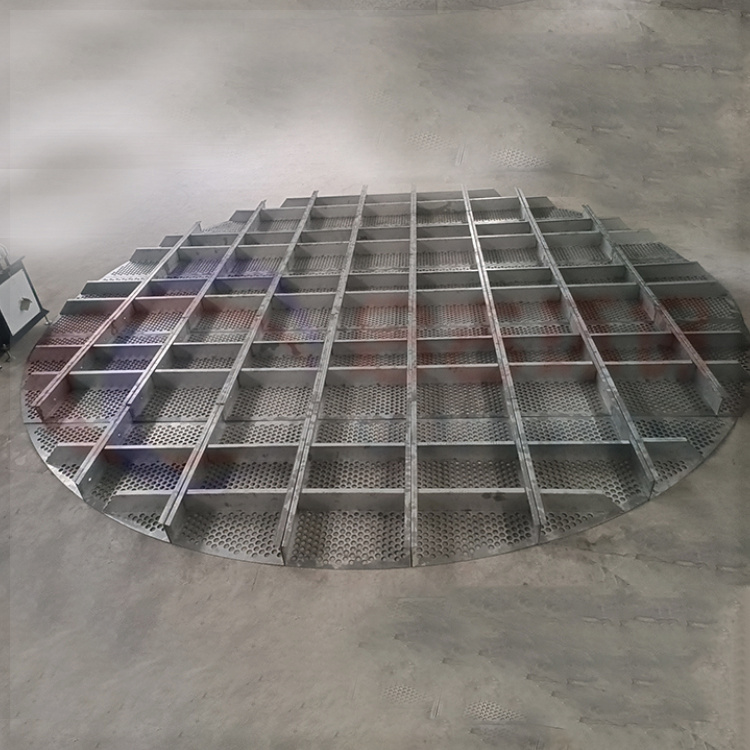
2. Water Inlet Distributor
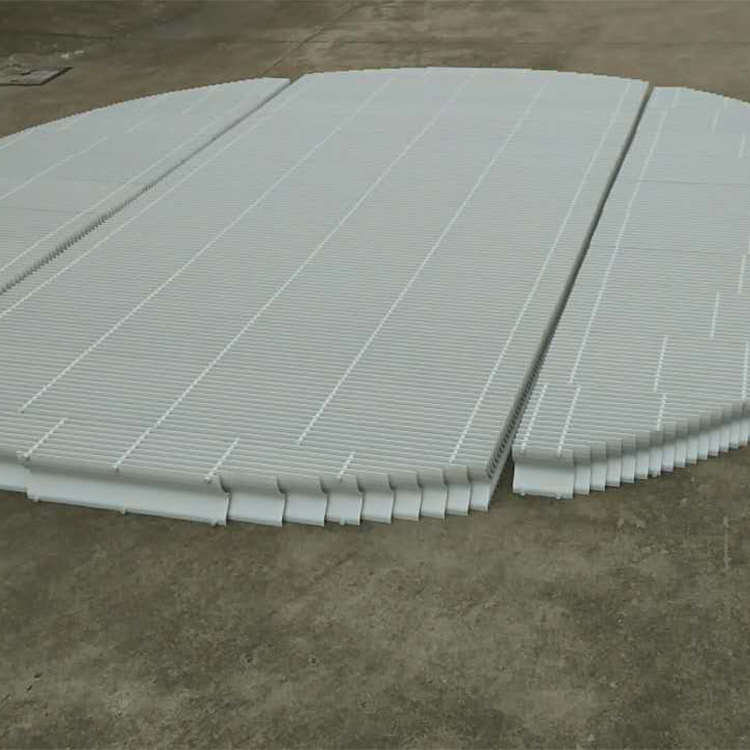
3. Steam and Foam Separator
4. Safety Relief Device
5. Liquid Level Indicator
6. Composition of level regulating device (Note: Safety relief devices and level regulating devices are not included in the supply scope. If required to be supplied together, it must be specified in the contract.)
Main technical specifications:

Regular排污Expander
The purpose of the regular discharge expansion container:
The regular drainage expansion tank is used to discharge the boiler's regular drainage water or waste hot water with a pressure and temperature higher than that of the regular drainage expansion tank, after which the water is减压 (depressurized) and expanded to separate the secondary steam and waste heat.
Water. The secondary steam is discharged into the atmosphere or utilized as another heat source. Waste hot water is typically discharged into the drainage system after being cooled in a waste water cooling pond.
Boiler blowdown water has the same working pressure as the boiler and the saturated water temperature under that pressure. A throttle valve is installed before the regular blowdown expansion tank to reduce the pressure, facilitating the regular blowdown expansion tank operation.
Internal expansion, cooling, and separation of secondary steam.
Main technical specifications:

Water-repellent expansion vessel
I. Usage:
This process involves expanding and reducing the pressure of condensate in the drain line, separating steam and condensate, introducing the steam into a heat exchanger or deaerator to maximize heat utilization, while the condensate is directed to a drain tank for regular addition to the feedwater system.
II. Structural Composition:
1. Housing
2. Inlet pipe
3. Carbonated Water Separator and Similar Equipment
Section 3: Specifications and Technical Parameters