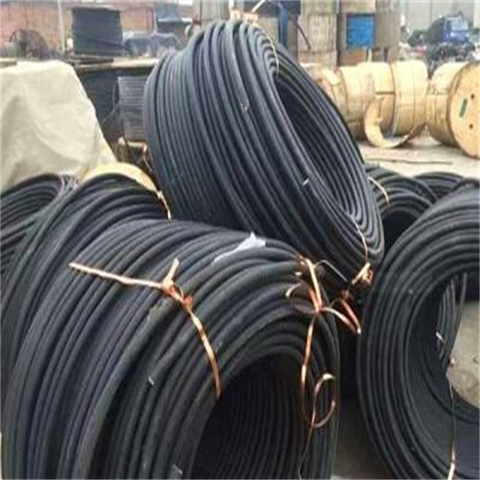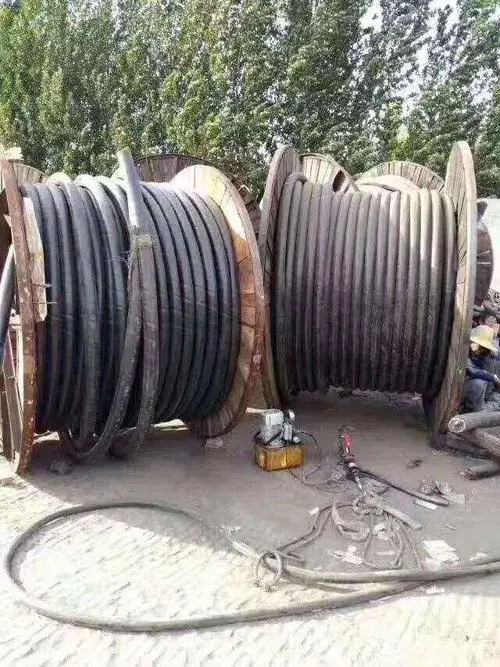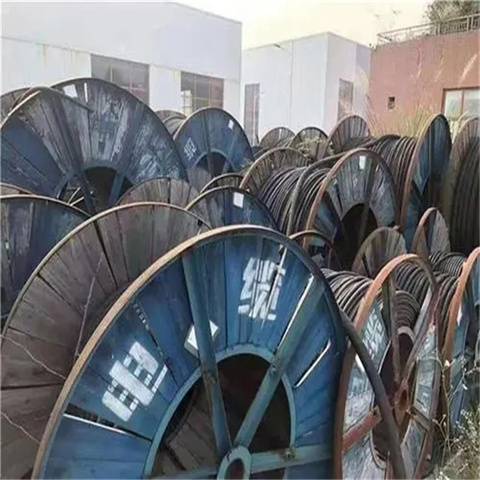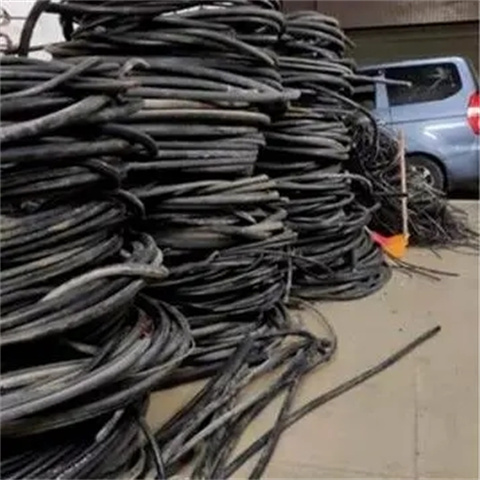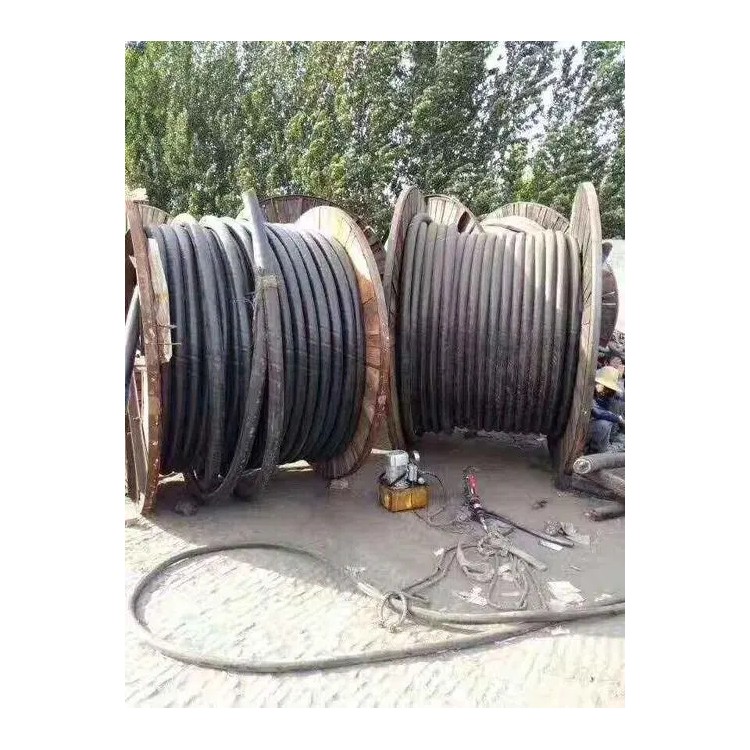

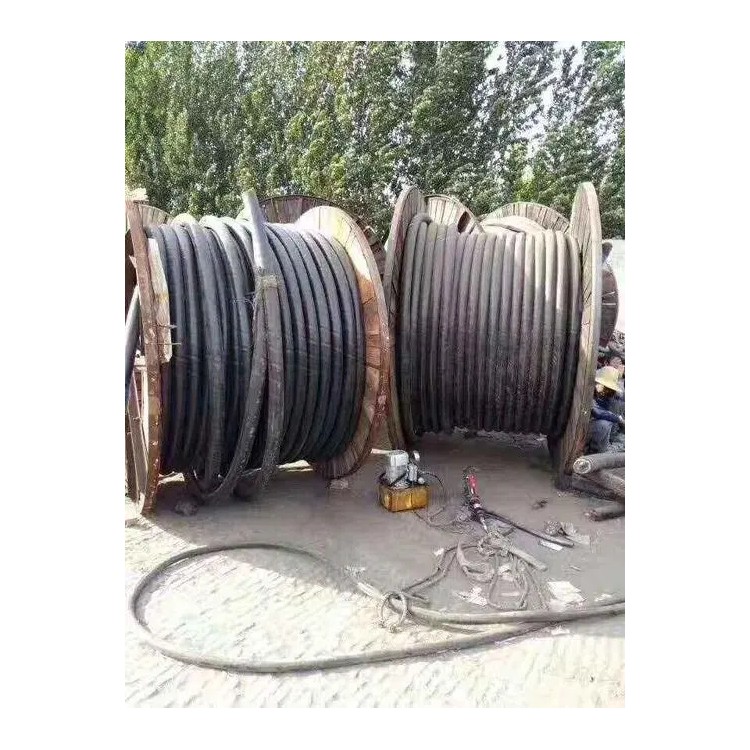
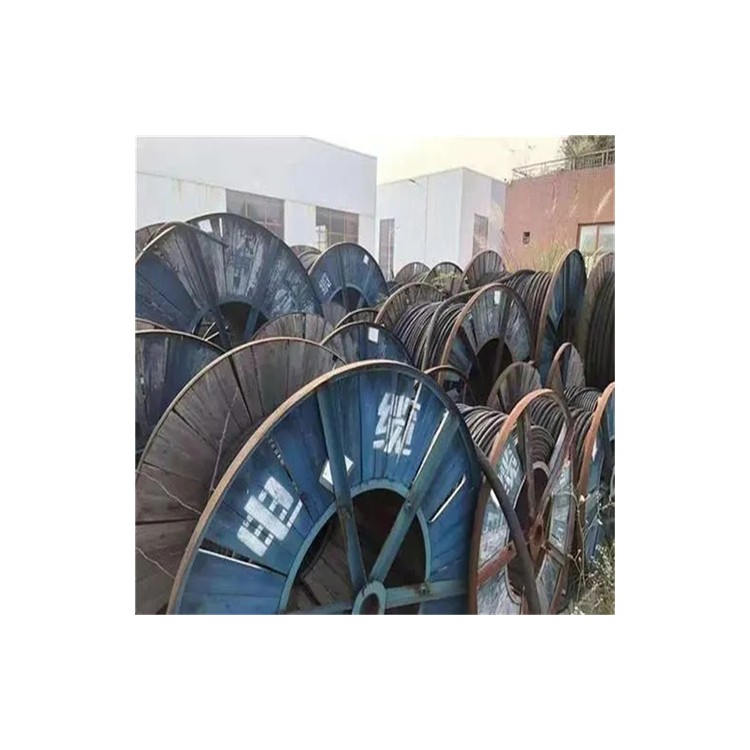
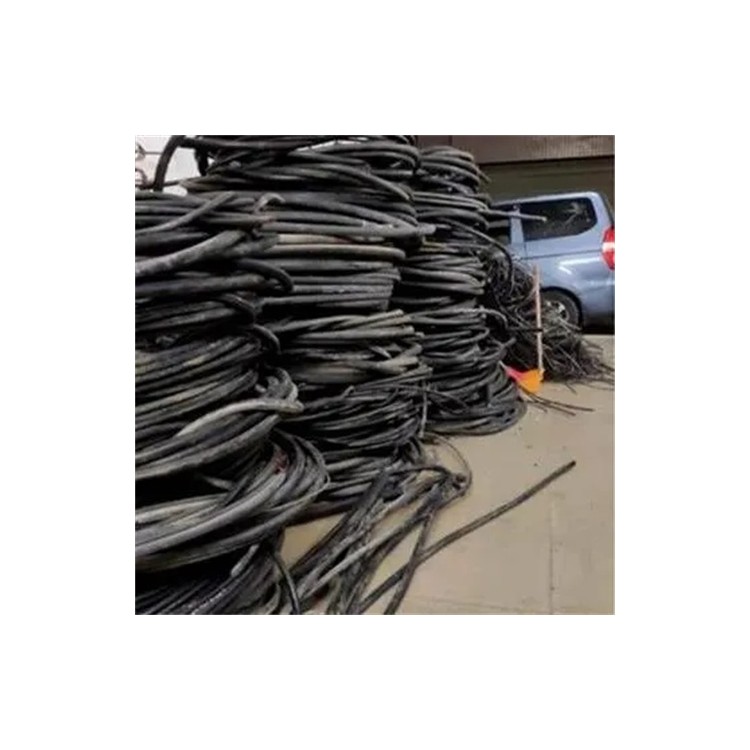










Shanghai Scrap Cable Recycling Company, Far East Cable Recycling, Shangshang Scrap Cable Recycling, Wucai Jiangnan Cable Recycling, Qifan Cable Wire Recycling. Cable Recycling, Huamei Cable Acquisition Company, Golden Phoenix Cable Wire Recycling, Baosheng Scrap Wire Recycling, Scrap Network Cable Recycling, etc.
Scope of Waste Recycling:
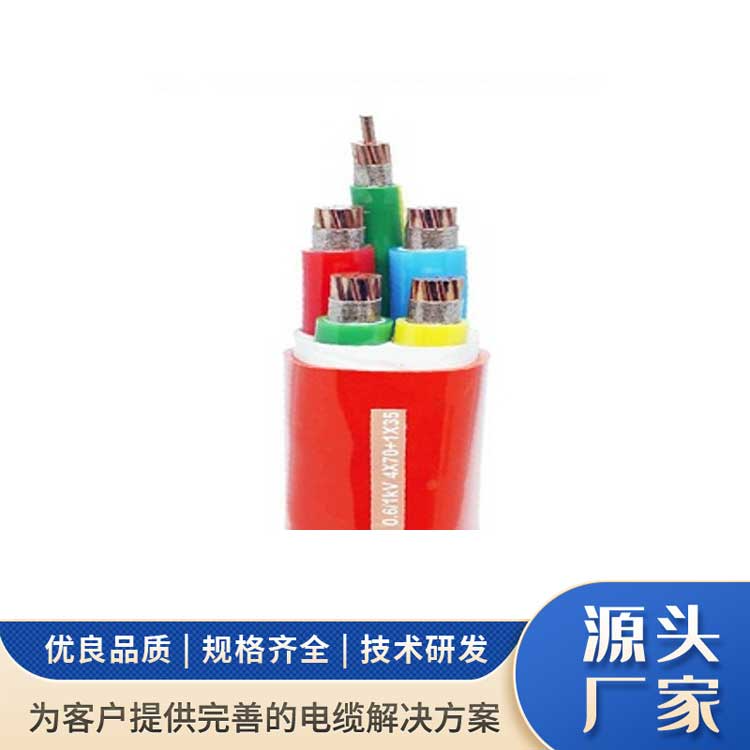
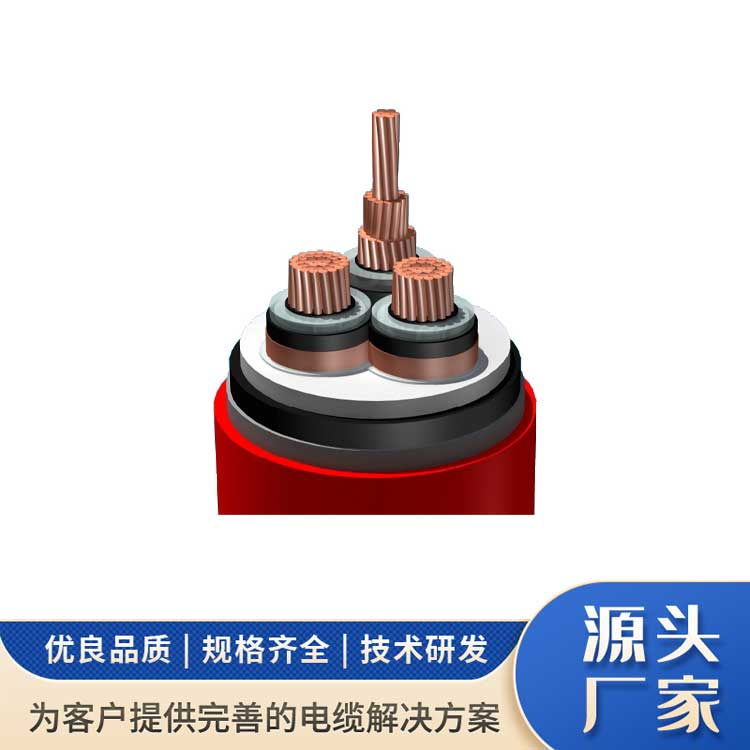
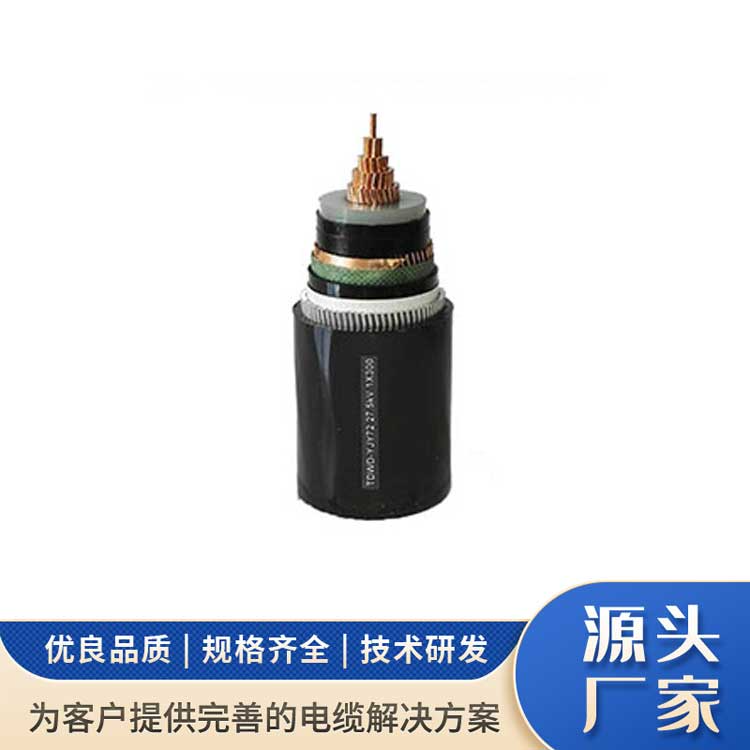
1. Power Cable Recycling: Medium and low voltage power cables, high voltage cables, and ultra-high voltage cables; oil-impregnated, plastic, and rubber insulated power cables recycling.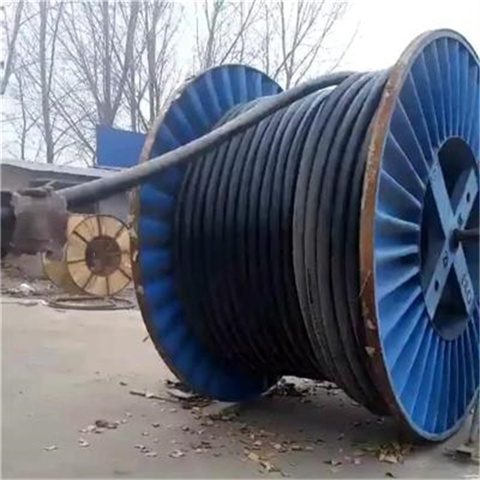
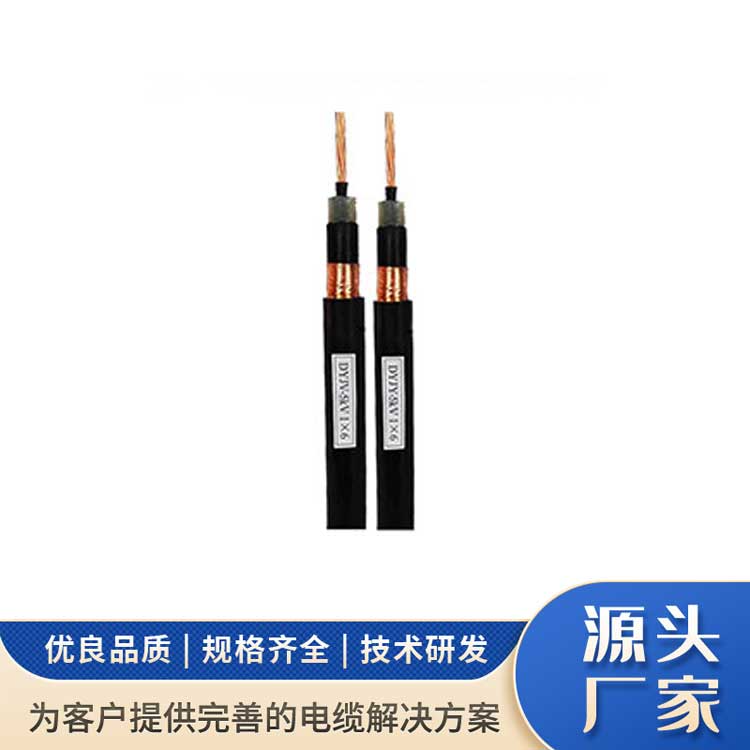
2. Communication Cable Recycling: Coaxial communication cables, urban communication cables, coal mine communication cables, shielded communication cables, armored communication cables, flame-retardant communication cables.
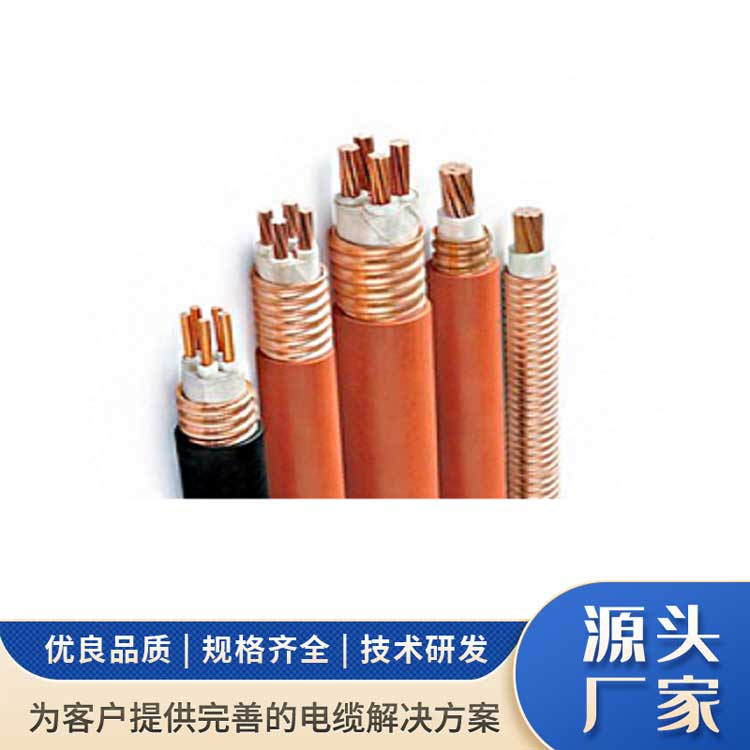
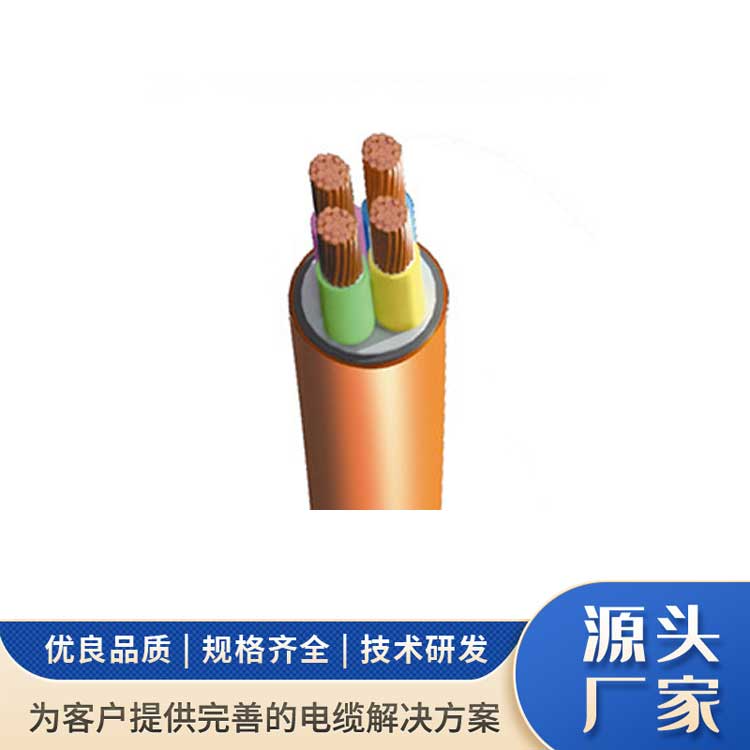
3. Specialty Cable Recycling: High-Temperature Wire and Cable, PTFE Insulated Wire, Low-Loss Cable, Low-Noise Cable, Heating Cable, Electro-Luminescent Wire, CMP Cable, Avionics Cable, Halogen-Free New Green Wire and Cable, Cross-Linked Cable, Bare Wire, Factory Cable.
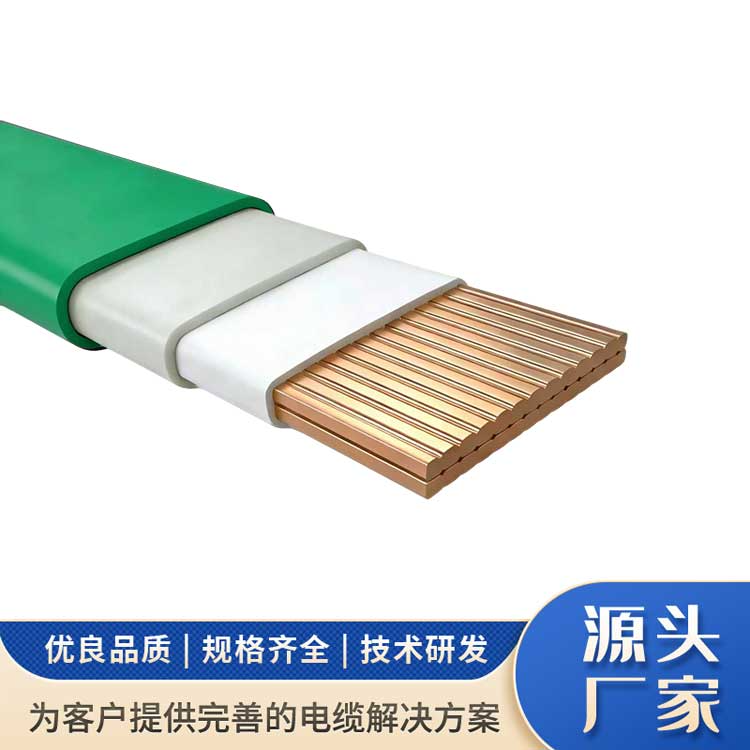
4.裸电线体制品: Steel-core aluminum stranded wire, copper-aluminum busbars, electric locomotive wire, etc.
5. Cable Recycling: Control Cables, Compensating Cables, Shielded Cables, Computer Cables, Signal Cables, Coaxial Cables, Marine Cables, Mining Cables, Photovoltaic Cables, Electrical Wires and Cables for Mechanical and Electrical Equipment, Industrial Power Wires and Cables, Cold-Resistant Cables, etc.
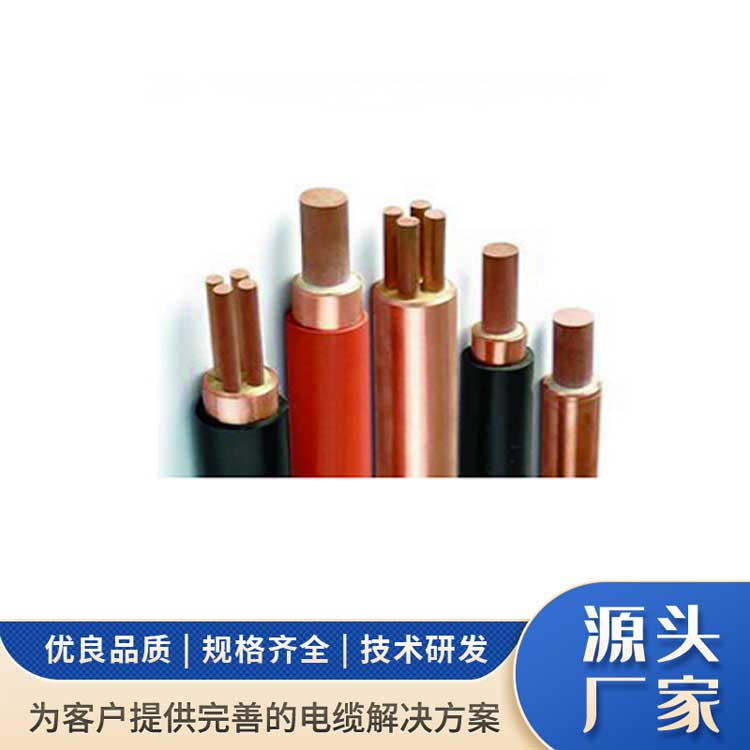
Cable conductor: The conductor of a standard power cable must transmit current, thus the copper material must meet the standards, primarily in terms of resistance. If the resistance does not comply with the standard, the conductor is prone to overheating and melting the insulation during use, leading to short circuits. The conductors of non-standard cables are usually made with recycled scrap copper, copper-clad steel, or copper-clad aluminum, which have significantly exceeded resistance standards, posing potential hazards during use.
Good copper has a rosy red color and a smooth surface, whereas poor copper appears dull. Copper-clad aluminum and copper-clad steel surfaces are white. They can be identified by the naked eye.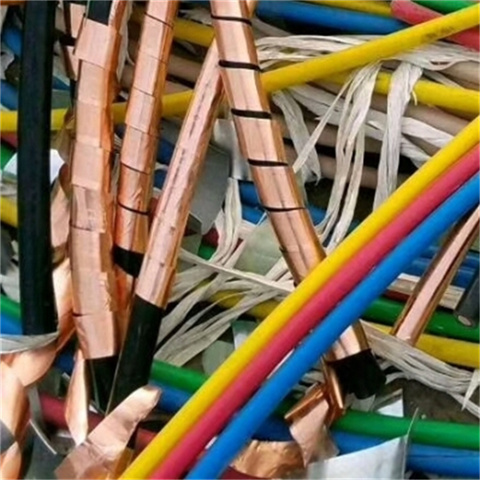
The conductors must be stranded, as standard power cables are suitable for mobile use. Unstranded conductors result in poor mobility of the finished cable and uneven insulation sheath, making the conductors prone to breakage and insulation damage during use, which can easily lead to accidents.
Insulation: It is required to protect the normal flow of current through conductors, which necessitates insulating materials to possess both electrical and mechanical physical properties. The insulation resistance, tensile strength, elongation at break, and other parameters must meet standard requirements. However, cables with non-standard specifications typically use recycled PVC material for insulation extrusion, which fails to meet the required electrical and mechanical physical properties, posing potential hazards for use.
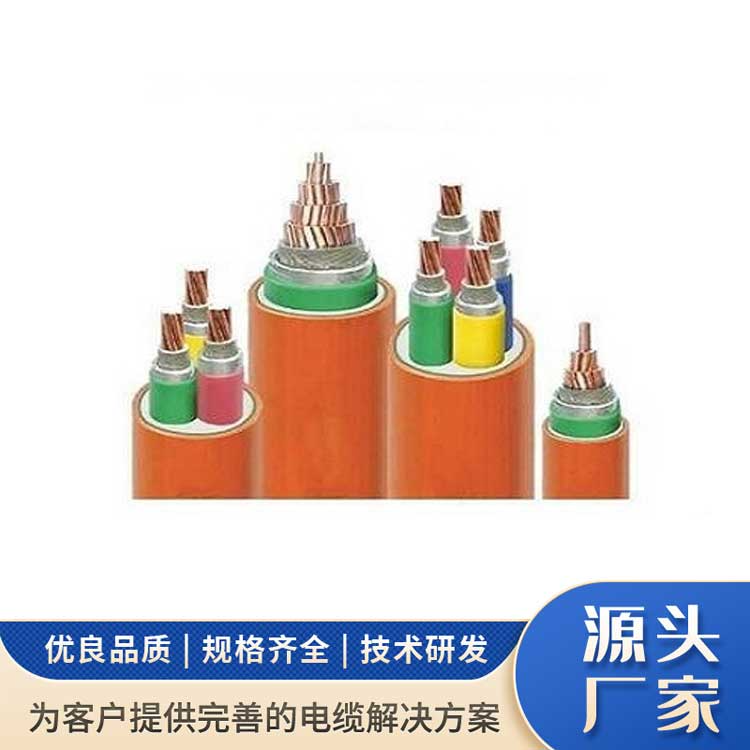
Cable Core: For cable cores with more than 2 cores, a stranded structure should be used to enhance the flexibility of the cable. During the core stranding process, you can use wrapping tape to improve the electrical insulation properties and facilitate the stripping of the sheath during installation. Alternatively, you can use talc powder to ease the sheath stripping process.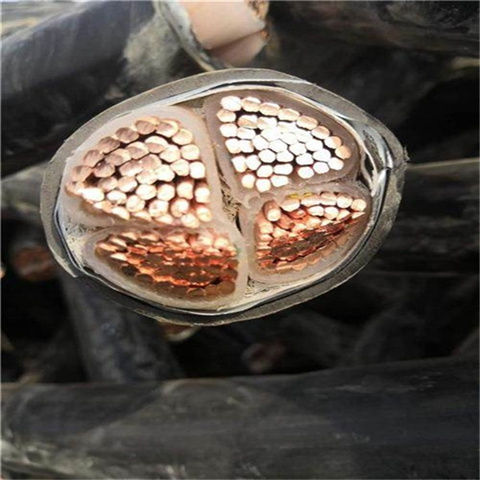
Shielding: Shielded cables use woven shielding with longitudinal aluminum foil and woven copper wire as the anti-interference layer and ground wire. They are woven using high-speed looms for stable structure. Non-standard cable structures are loose, leading to instability and affecting performance.
Jacket: The middle jacket plays a protective role for the core, hence it needs to have mechanical and physical strength. Non-standard cables usually use recycled materials for the jacket, which tend to have poor performance. Some can be torn apart with a single pull, posing quality risks during installation and use.
Markings: Required to include company name or registered trademark, product model and specifications, rated voltage, manufacturer's name, etc. However, non-standard cables often lack complete marking content, which results in poor guidance for installation during use and may lead to misuse and subsequent accidents.
When purchasing this type of power cord, ensure you acquire products that have passed the national mandatory product certification. It is explicitly stipulated by the state that certification is required for production, sales, and use.