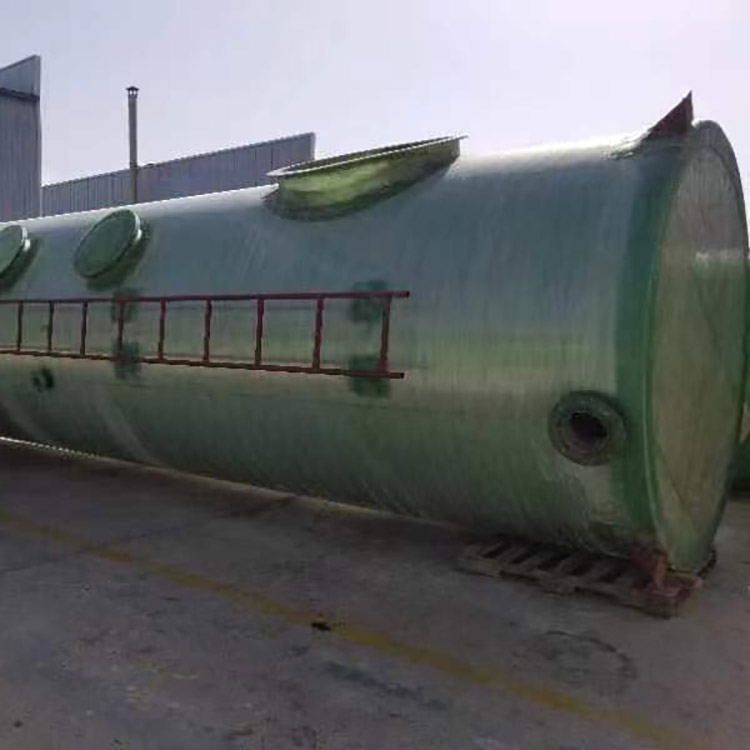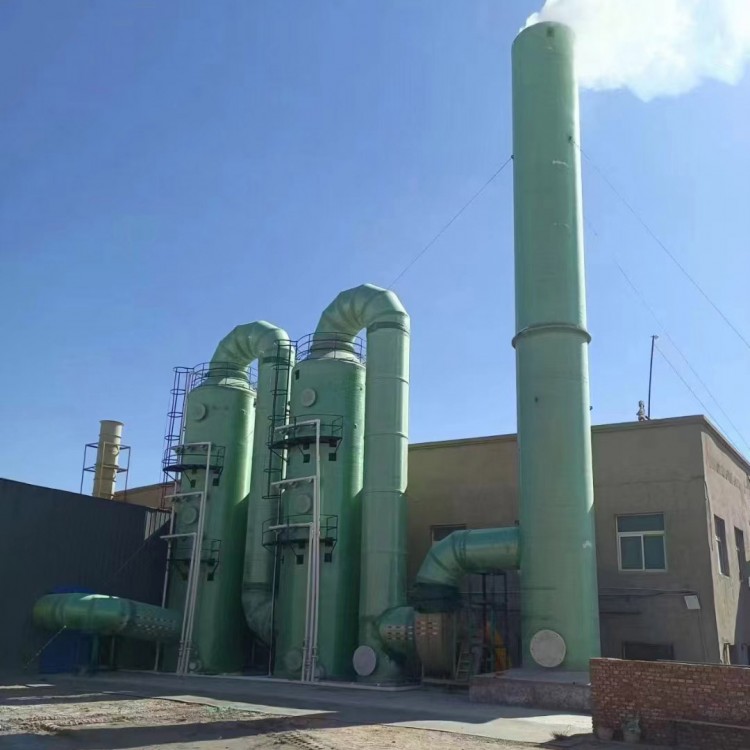




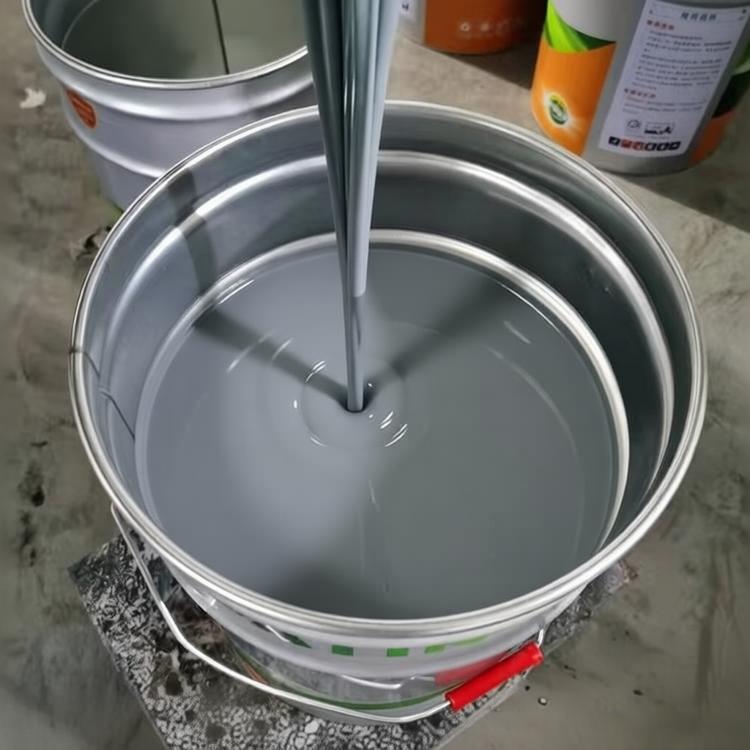





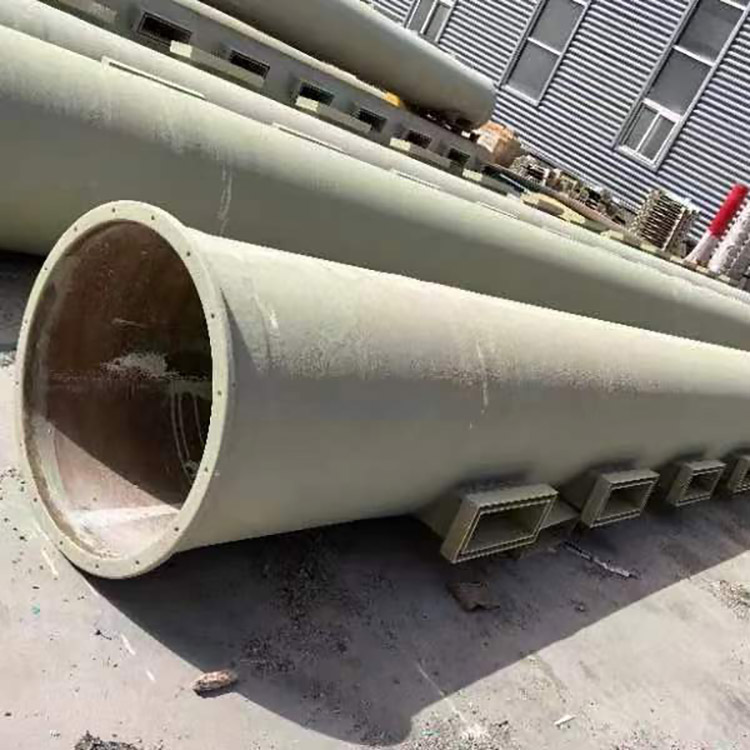
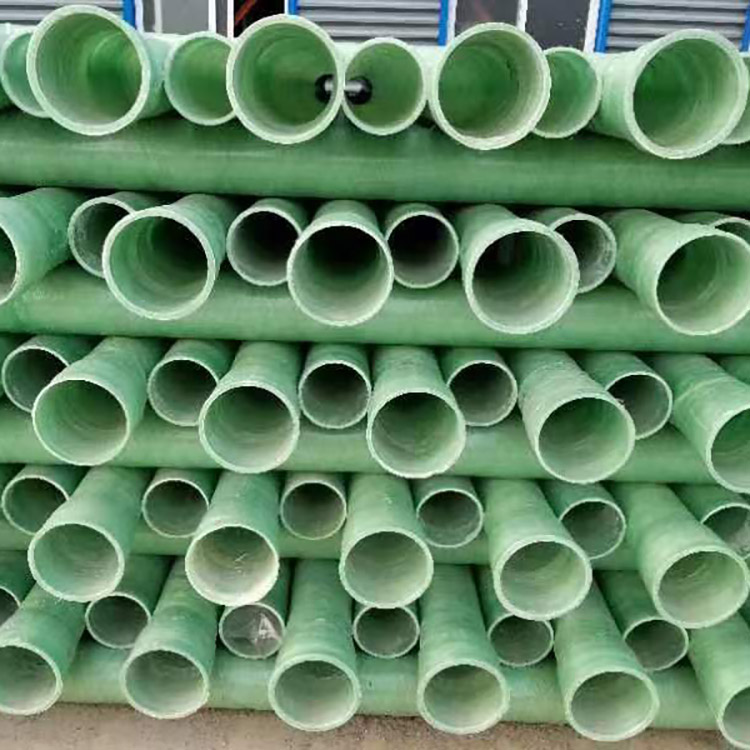
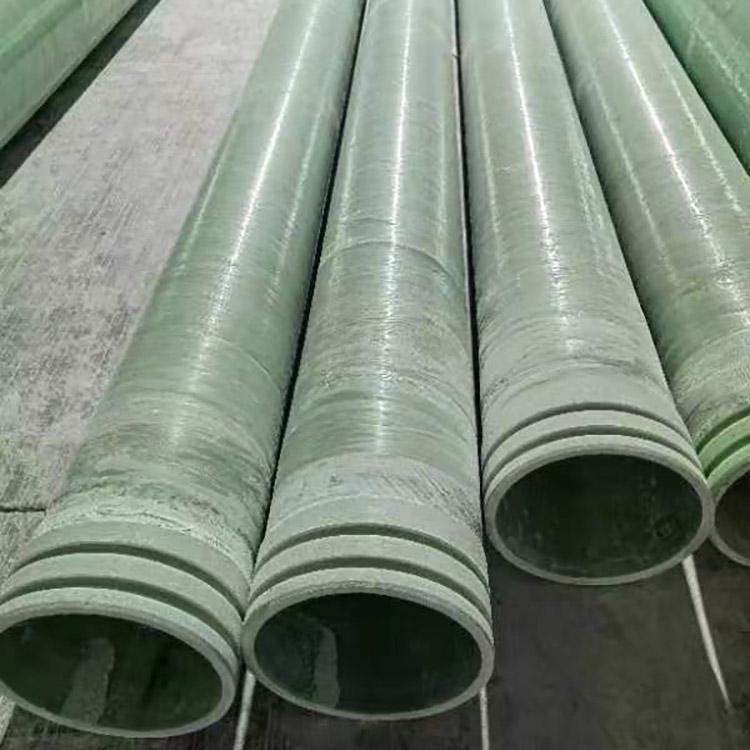
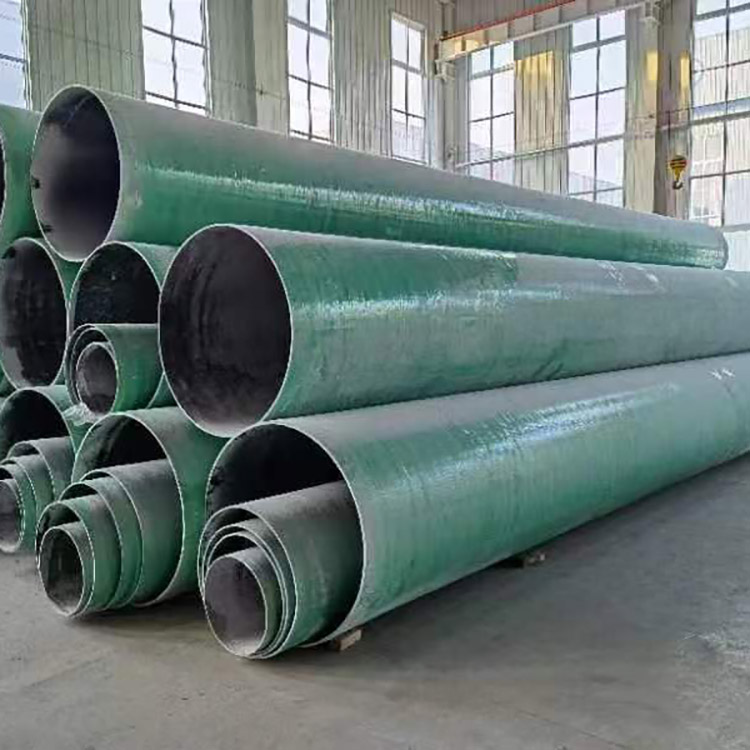
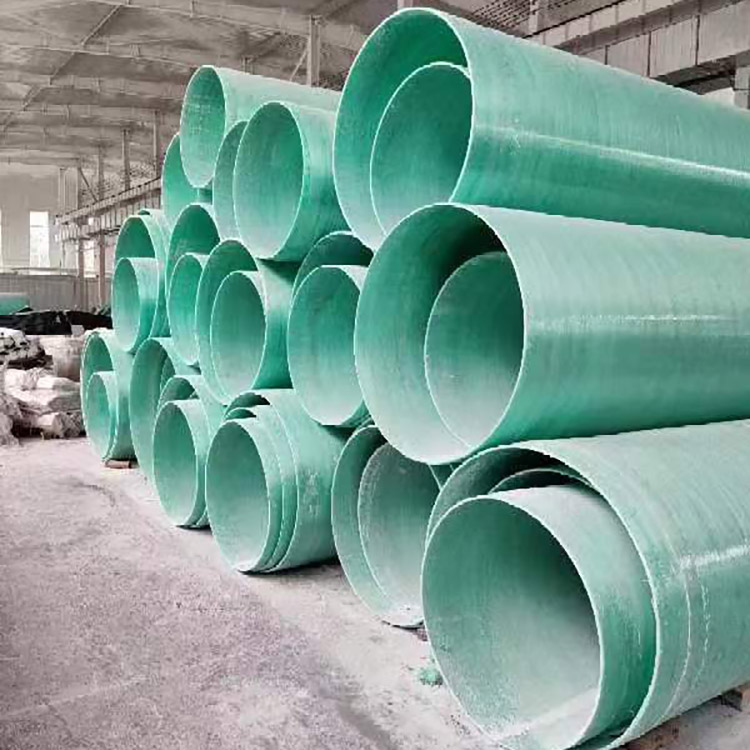
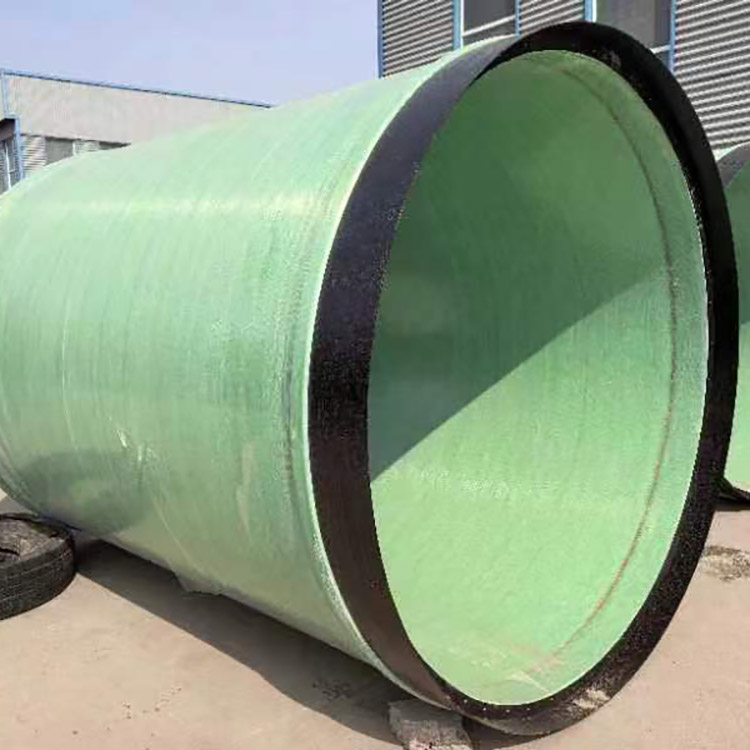

Glass fiber reinforced plastic (FRP) desulfurization towers are equipment used for industrial waste gas treatment, primarily for removing sulfur compounds from the waste gases. Made of FRP, they feature corrosion resistance, fireproofing, moisture and dust resistance, and good insulation properties. The working principle of the glass fiber reinforced plastic desulfurization tower mainly involves using an absorbent (usually an alkaline solution) to absorb the sulfur compounds in the waste gases. The waste gases rise within the tower, coming into contact with the descending absorbent, where the sulfur compounds are absorbed, thereby achieving desulfurization.
Fiberglass desulfurization towers are widely used in waste gas treatment in industries such as petrochemicals, electricity, and metallurgy, effectively removing harmful substances like sulfur mist from waste gases, protecting the environment and the health of workers. Additionally, these towers are suitable for waste gas or wastewater treatment in various fields including urban sewage treatment, waterworks, food and beverage processing plants, chemical factories, power stations, paper mills, cement factories, aquaculture farms, oil drilling platforms, steel mills, mines, shipbuilding, textile dyeing, electronics, machining, construction, municipal engineering, agricultural gardens, residential buildings, and highways.
Glass fiber reinforced plastic desulfurization towers offer performance advantages such as high operating efficiency, effective desulfurization, low emissions concentration, and low maintenance costs. The structure is compact and has strong vibration resistance, with higher operational efficiency than traditional equipment. The desulfurization efficiency can reach over 90%, effectively purifying industrial emissions to meet current pollution discharge standards. The glass fiber material is resistant to corrosion, high temperatures, and impacts, extending the equipment's lifespan and reducing maintenance costs.