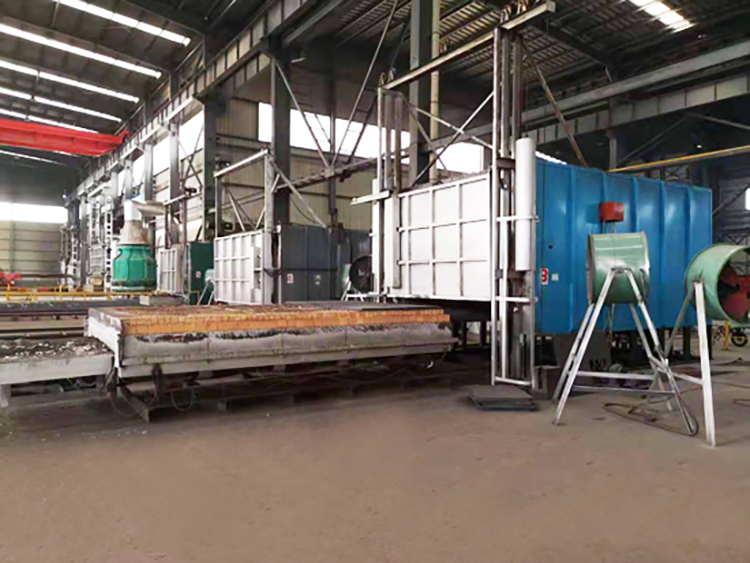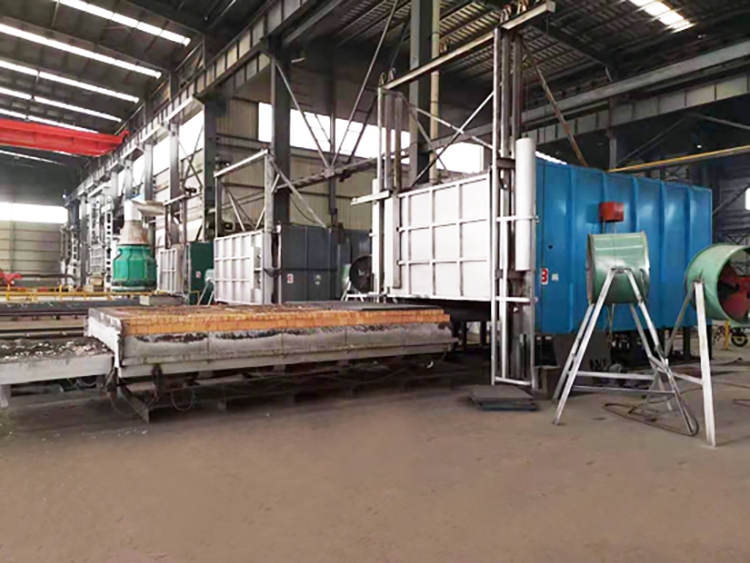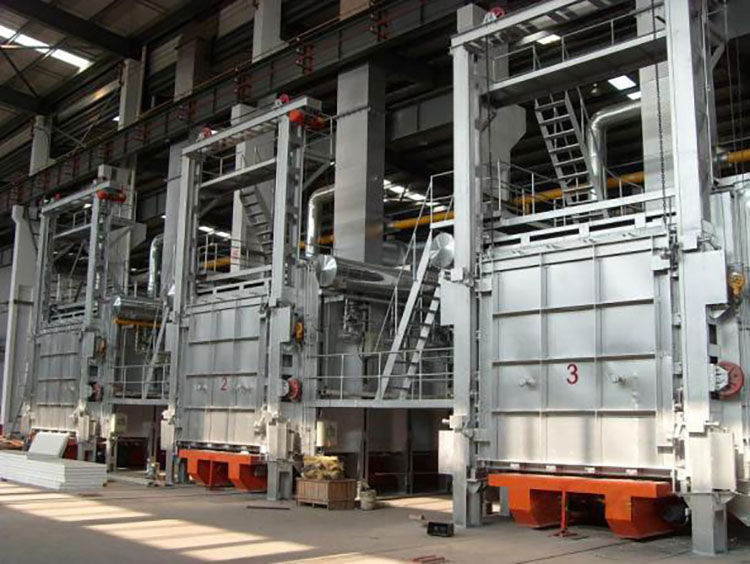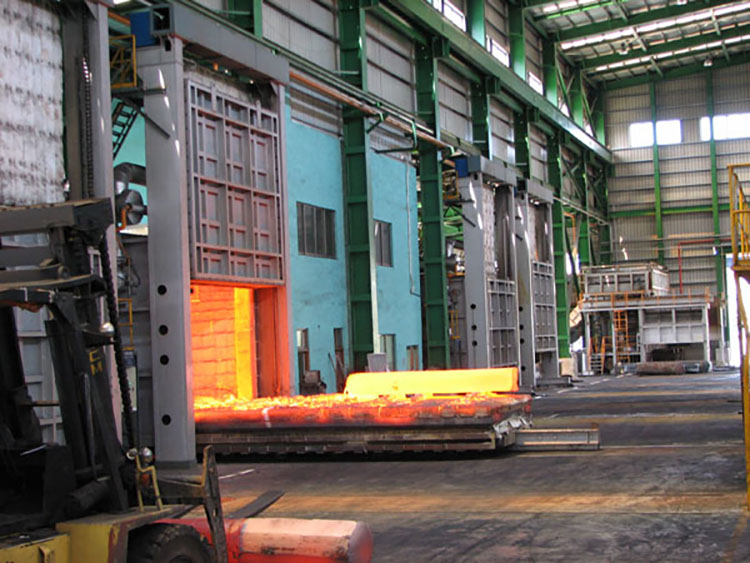

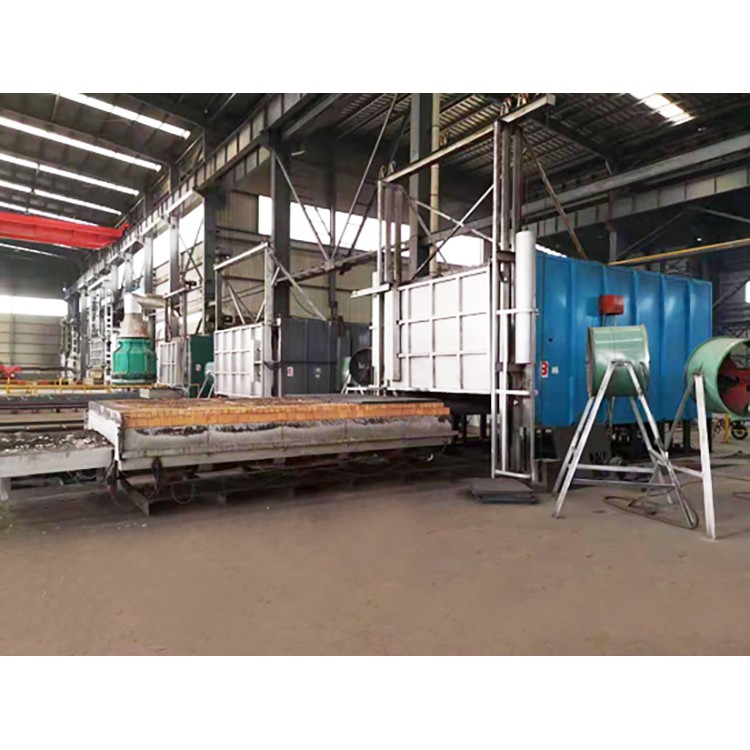

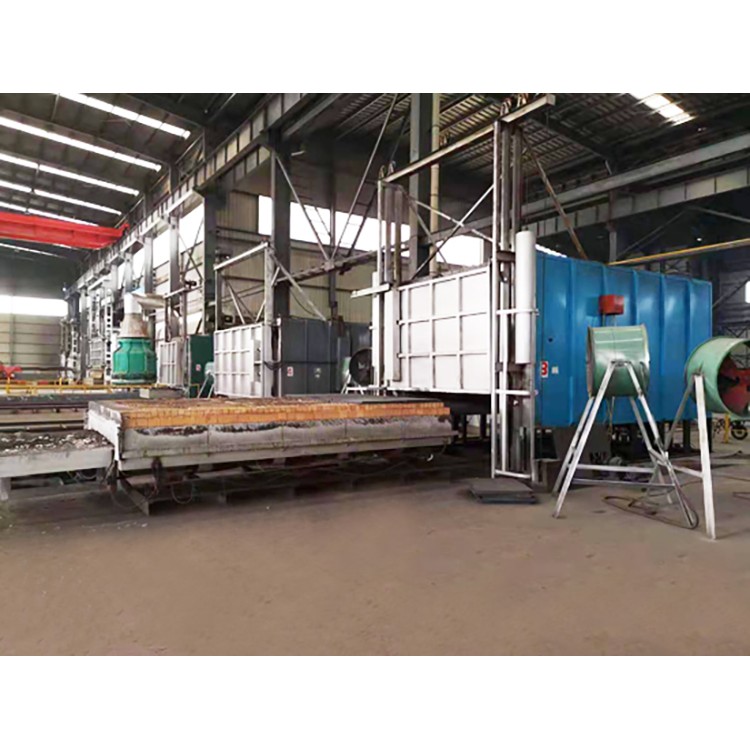
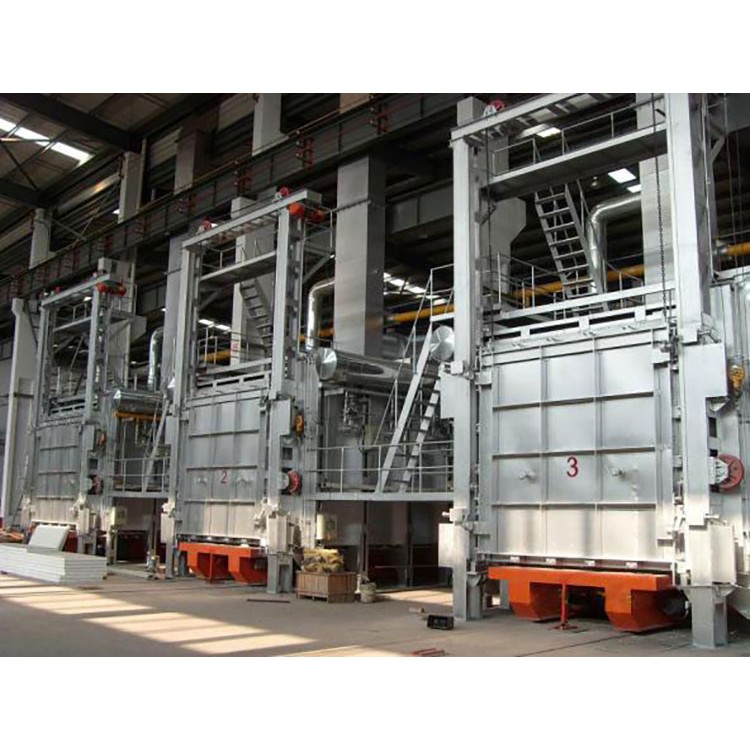
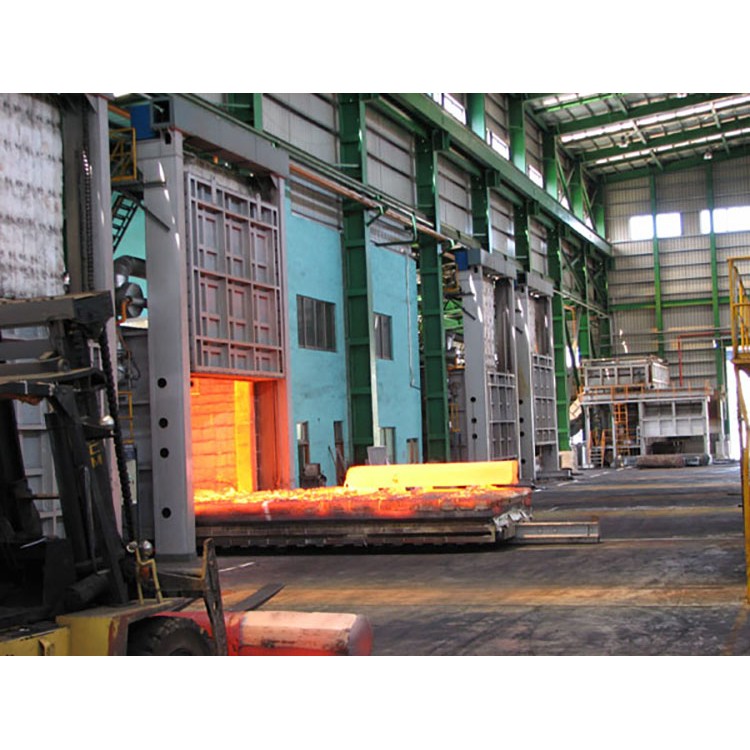










The oven shell is generally made of 3mm steel plate with a painted surface, and the studio uses stainless steel plate for production. Fill the space between the shell and the studio with aluminum silicate fibers. The heater is installed on both sides. The temperature control instrument adopts a digital intelligent meter, PID regulation: equipped with a 999.99-hour time controller and connected to the alarm device. Make the operation of the oven simpler, faster, and more effective.
Structure characteristics of oven and hot air circulation oven
1. Overview of Oven
The oven adopts a new energy-saving and environmentally friendly heating technology promoted by the state, which heats the electric heating tube through the power supply to generate a heat source. When it is absorbed by the heated object, it can be directly converted into heat energy, thereby achieving rapid drying effect, shortening the production cycle, saving energy, and improving product quality.
2. Hot air circulation drying structure
The oven box is made of angle steel and thin steel plate. Fill the space between the shell and the studio with fiberglass insulation and thermal insulation. The heating system is installed at the top of the studio. Horizontal circulation ventilation makes the temperature inside the drying oven more uniform. This type of drying oven can effectively avoid the gradient temperature difference and temperature overshoot phenomenon in the working chamber, and can improve the temperature uniformity inside the working chamber.
3. Temperature control of hot air circulation drying
Using an intelligent program temperature controller for temperature control, PID parameter self-tuning, solid-state relay power adjustment, contactless continuous adjustment, automatic completion of the entire drying process, it can meet the requirements of any curing curve, is easy to operate, and has reliable performance. Equipped with a thermal sensor probe to form an automatic constant temperature control. The temperature control accuracy is sensitive, and the room temperature can be freely selected and set between 300 ℃. The temperature inside the studio can be directly read from the instrument. The constant temperature time can reach 999.99H
4. Heating principle of oven
Heating the heating tube with electrical energy, and using a motor to supply air through a duct to achieve uniform temperature inside the oven. The air supply methods are divided into vertical circulation air supply and horizontal circulation air supply. Using different air supply methods to make heating more reasonable and uniform.
5. Working principle of hot air circulation drying:
The temperature is controlled through the connection between digital display instruments and temperature sensors, using a hot air circulation supply method. The hot air circulation system is divided into horizontal and vertical types. After calculation, the air source is driven by the air supply motor to drive the wind turbine through the electric heater, and the hot air is sent to the air duct before entering the oven working chamber. The used air is then sucked into the air duct as the air source for further circulation and heating, which can effectively improve temperature uniformity. If the door is opened or closed during use, the air circulation system can quickly restore the operating temperature value.
6. Oven classification
Ovens can be divided into programmable ovens, precision ovens, nitrogen filled ovens, vacuum ovens, explosion-proof ovens, electric blast drying ovens, hot air circulation ovens, etc. based on their performance. Fangfan is suitable for various industries that require drying and heating of electronic components.
Ovens can be divided by industry into: specialized ovens for the electronics industry, specialized ovens for instruments and equipment industry, specialized ovens for plastics and rubber industry, specialized ovens for electrical equipment industry, specialized ovens for electroplating industry, specialized ovens for printing industry, specialized ovens for glasses industry, specialized ovens for textile printing and dyeing industry, specialized ovens for machinery industry, specialized ovens for synthetic fibers industry, specialized ovens for wood industry, specialized ovens for friction materials industry ..
Ovens can be divided into two types based on their appearance: horizontal ovens and vertical ovens
Ovens are classified based on their rated temperature and can generally be divided into:
Room temperature oven: 100-250 ℃, which is a common operating temperature used for moisture drying, coating curing, heating, insulation, etc. of most materials.
High temperature oven: 250-400 ℃, used for high-temperature drying of special materials, workpiece heating installation, material high-temperature testing, and reaction treatment of chemical raw materials.
Ultra high temperature oven: 400-600 ℃, higher working temperature, high temperature drying special materials, workpiece heating treatment, material high temperature testing, etc
Classification and applicability of air supply methods for hot air circulation ovens: The air supply methods for hot air circulation ovens are divided into horizontal air supply and vertical air supply.
1. Horizontal air supply: suitable for objects that need to be placed in a tray for baking; The hot air for water supply is blown out from both sides of the studio, so you can bathe in the objects in the tray! The baking effect will be very good. On the contrary, it is not suitable to use vertical air supply for baking objects placed in trays. Vertical air supply hot air is blown from top to bottom, which will block the hot air and prevent it from reaching the lower layers, resulting in poor baking effect!
2. Vertical air supply: Suitable for baking objects placed on a grid. The vertical air supply hot air is blown from top to bottom. As it is a grid, the vertical circulation will be very good, allowing the hot air to completely bathe on the object!
Of course, objects placed on the grid can also be horizontally ventilated, depending on the characteristics of the object itself!
Safely use hot air circulation drying:
1. There should be a certain amount of space for placing the oven, and there should be a certain distance from the wall on all sides. It is recommended to have a distance of at least 2 meters.
2. The arrangement of baked items should not be too dense. Items should not be placed on the bottom (heat dissipation plate) of the oven to avoid affecting the circulation of hot air.
3. It is prohibited to dry or compensate for flammable, explosive, volatile, and corrosive materials.
4. After the drying compensation is completed, cut off the power first, and then open the workshop door. Remember not to directly touch the drying compensation items with your hands. Use special tools or insulated gloves to take out the drying compensation items to avoid burns.
When using an oven, the temperature should not exceed the operating temperature of the oven, usually below 250 degrees Celsius.
Customers with special requirements can choose special ovens, such as explosion-proof ovens, high-temperature ovens, etc.
Precautions for using hot air circulation oven
An oven is a device that uses electric heating wire layers to heat and dry objects. It is suitable for baking, drying, heat treatment, etc. in the range of 5-300 ℃ (some up to 200 ℃) above room temperature, with a sensitivity usually of ± 1 ℃. There are many models of ovens, but their basic structures are similar, generally consisting of a box, an electric heating system, and an automatic temperature control system. The usage and precautions are summarized as follows:
1. The oven should be placed indoors in a dry and level place to prevent vibration and corrosion.
2. Pay attention to safe use of electricity and install power switches with sufficient capacity according to the power consumption of the oven. Select sufficient power conductors and have good grounding wires.
3. The oven with an electric contact mercury thermometer temperature controller should connect the two wires of the electric contact thermometer to the two terminal posts on the top of the box. Insert another ordinary mercury thermometer into the exhaust valve (the thermometer in the exhaust valve is used to calibrate the electric contact mercury thermometer and observe the actual temperature inside the box), and open the hole of the exhaust valve. Adjust the mercury thermometer to the desired temperature and tighten the screws on the steel cap to achieve constant temperature. But it must be noted not to turn the indicator iron outside the scale when adjusting.
4. After all preparations are ready, the test sample can be placed in the oven, and then the power should be connected and turned on. The red indicator light is on to indicate that the box has been heated. When the temperature reaches the controlled temperature, the red light goes out and the green light comes on, and the constant temperature starts. To prevent temperature control failure, it is also necessary to take care of it.
5. When placing the test sample, attention should be paid to not arranging it too tightly. Test samples should not be placed on the heat dissipation plate to avoid affecting the upward flow of hot air. Prohibit baking flammable, explosive, volatile, and corrosive items.
When it is necessary to observe the sample situation in the studio, the outer box door can be opened and observed through the glass door. But it is better to keep the door as closed as possible to avoid affecting the constant temperature. Especially when working above 200 ℃, opening the box door may cause the glass door to suddenly cool and break.
7. For ovens with blowers, the blower must be turned on during the heating and constant temperature process, otherwise it will affect the uniformity of the working room temperature and damage the heating elements. 8. After the work is completed, the power should be cut off in a timely manner to ensure safety.
9. The inside and outside of the oven should be kept clean.
10. When using, do not exceed the operating temperature of the oven.
To prevent burns, specialized tools should be used when taking and placing test samples.