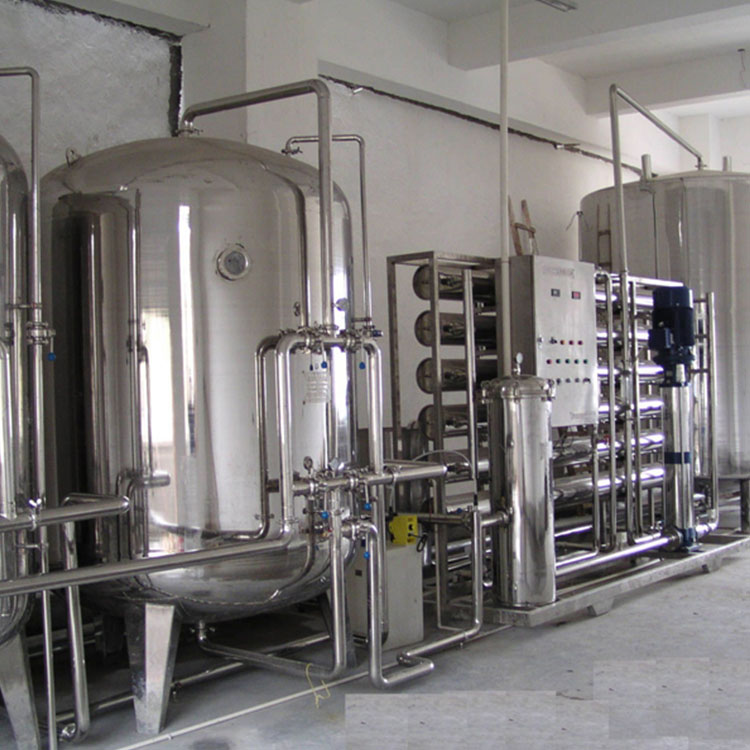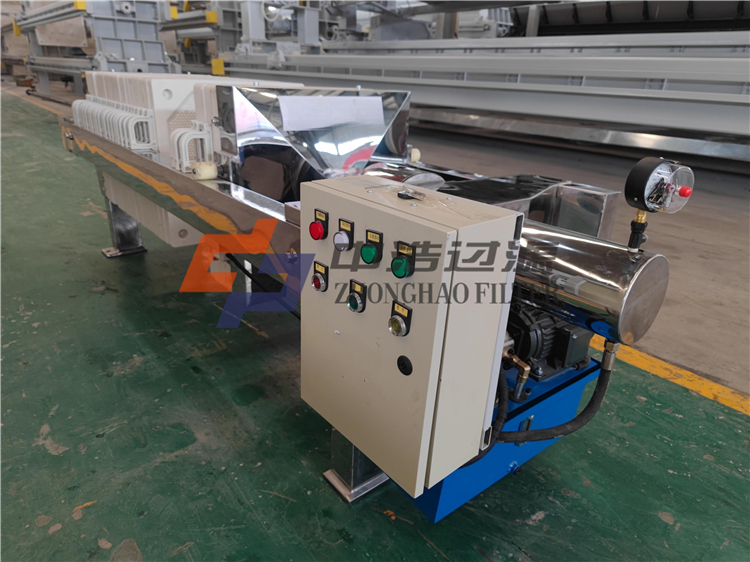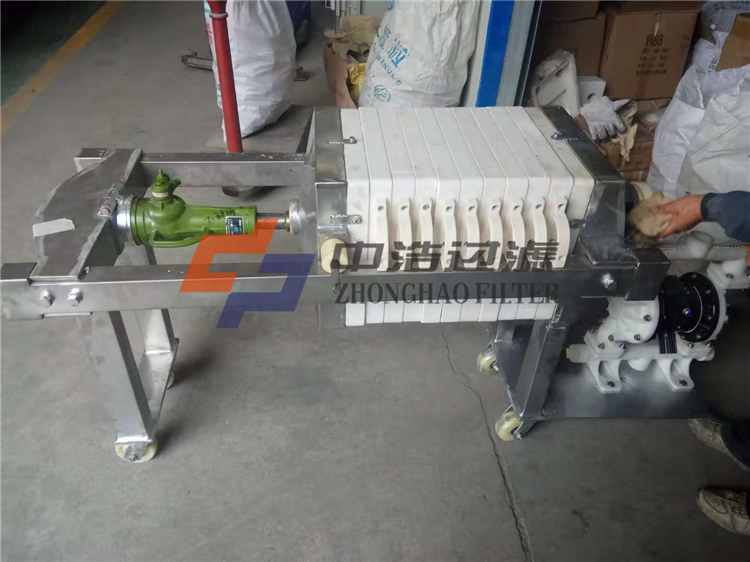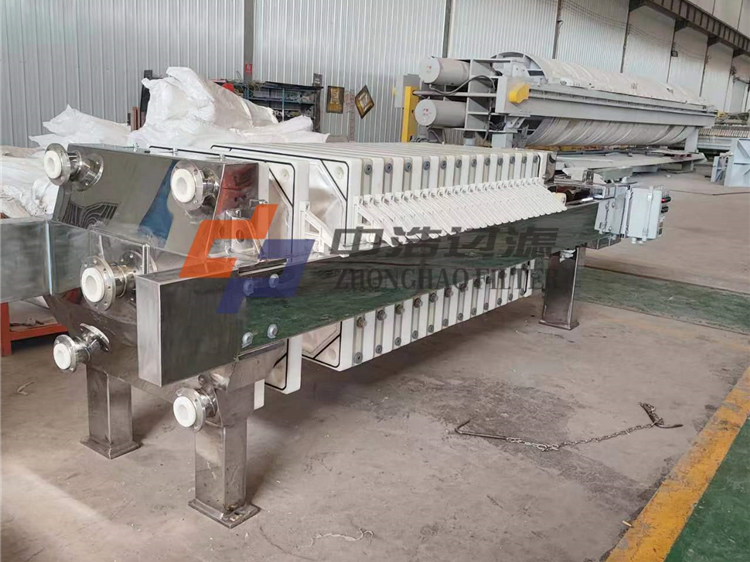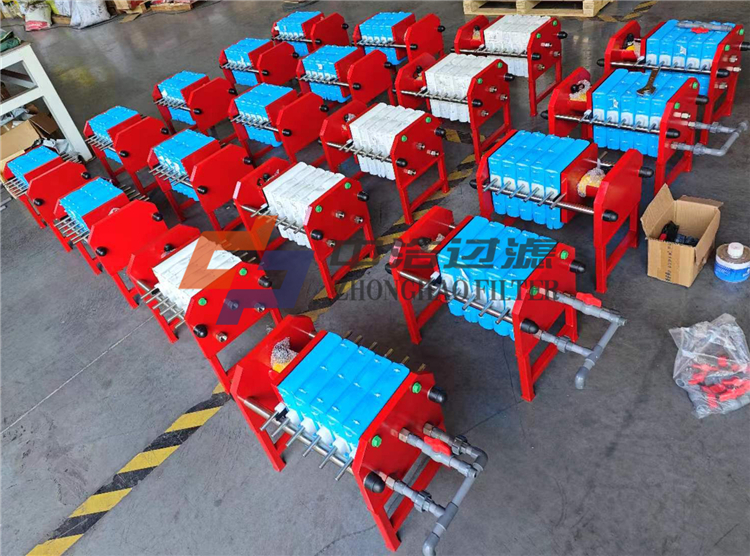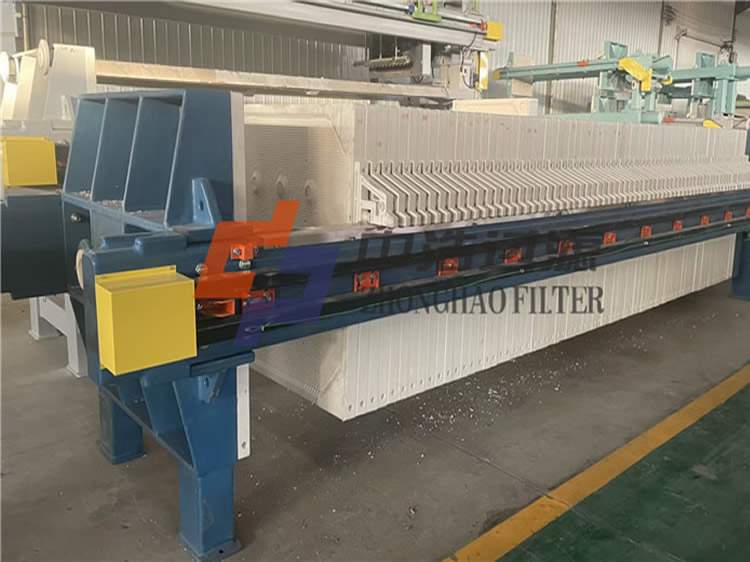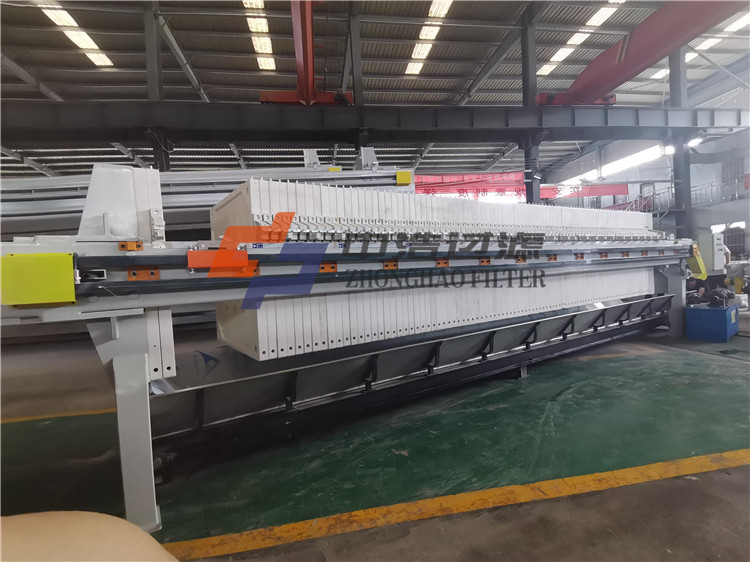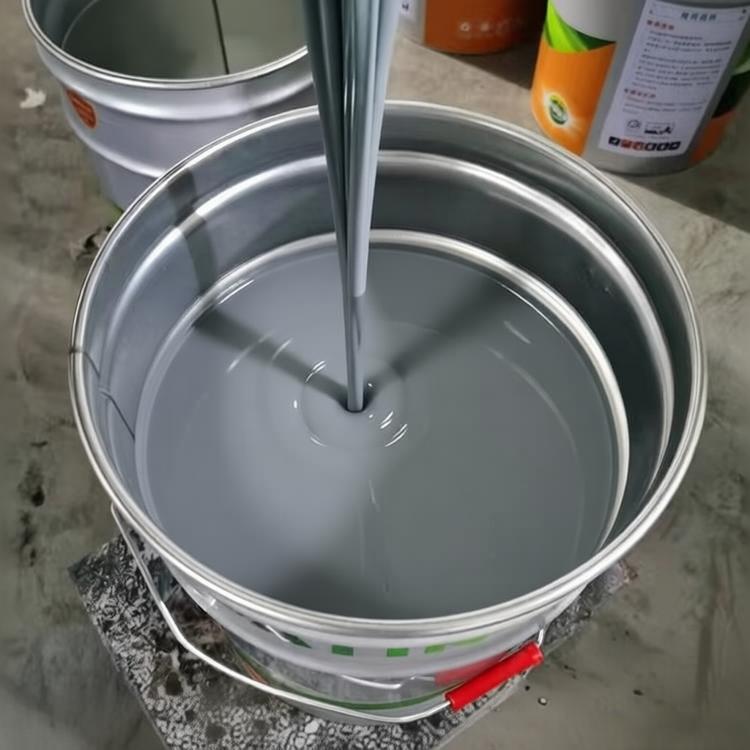

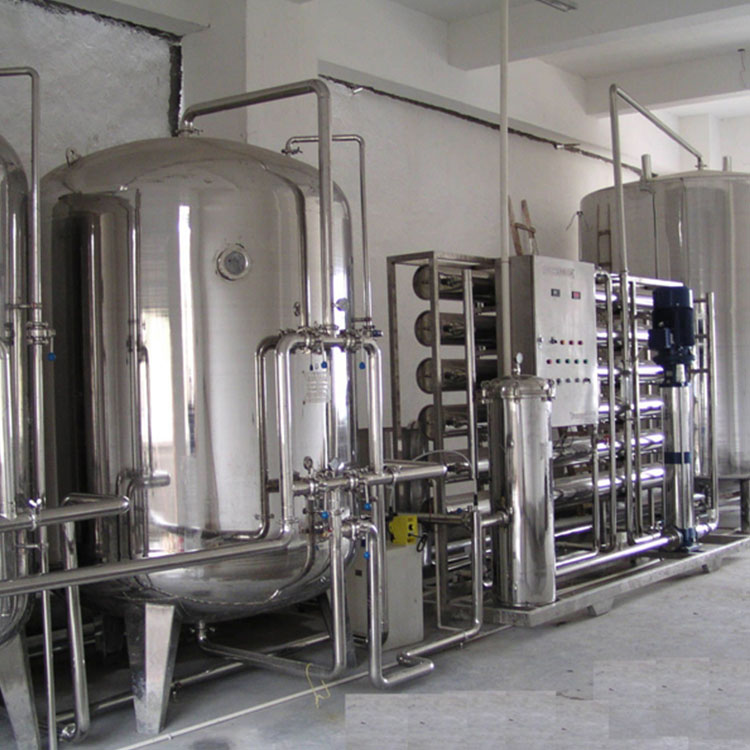

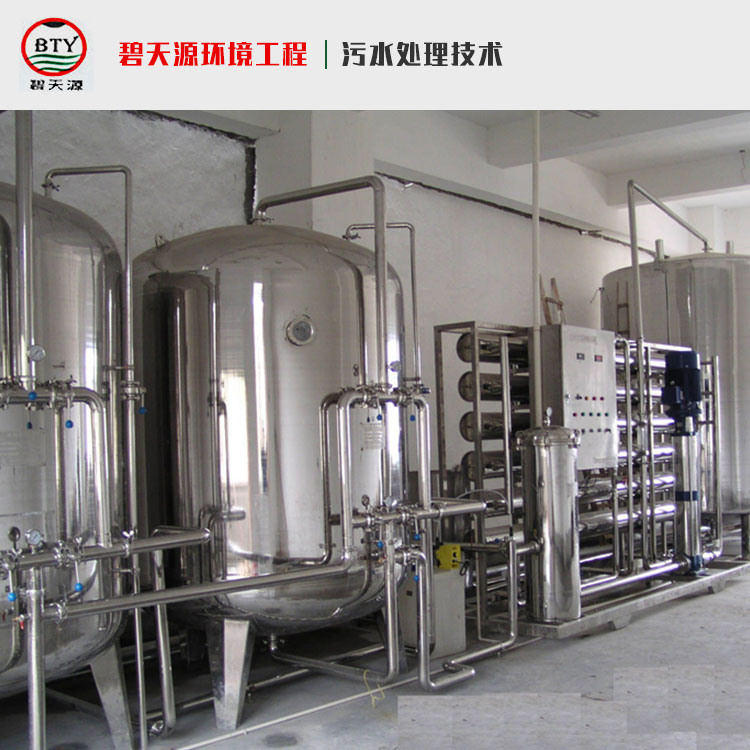
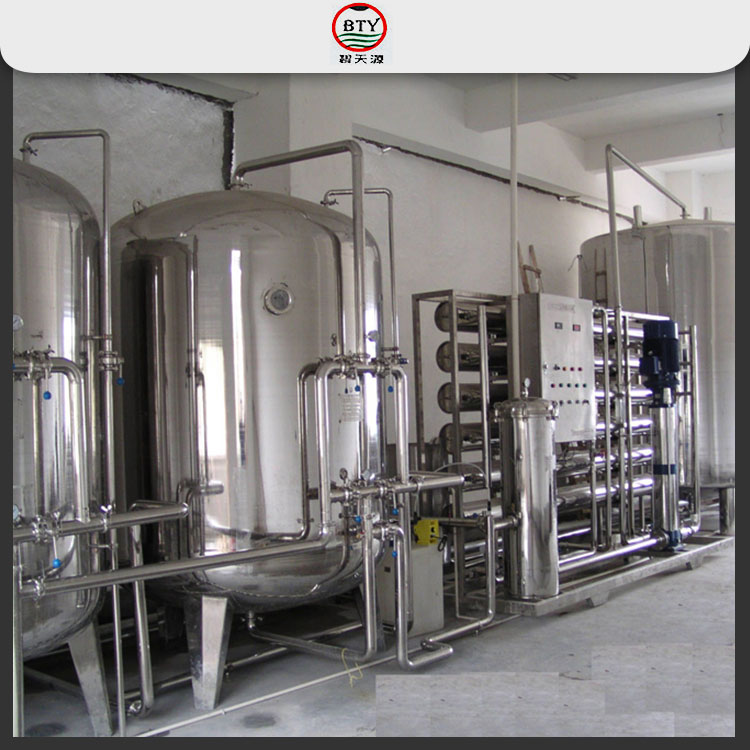





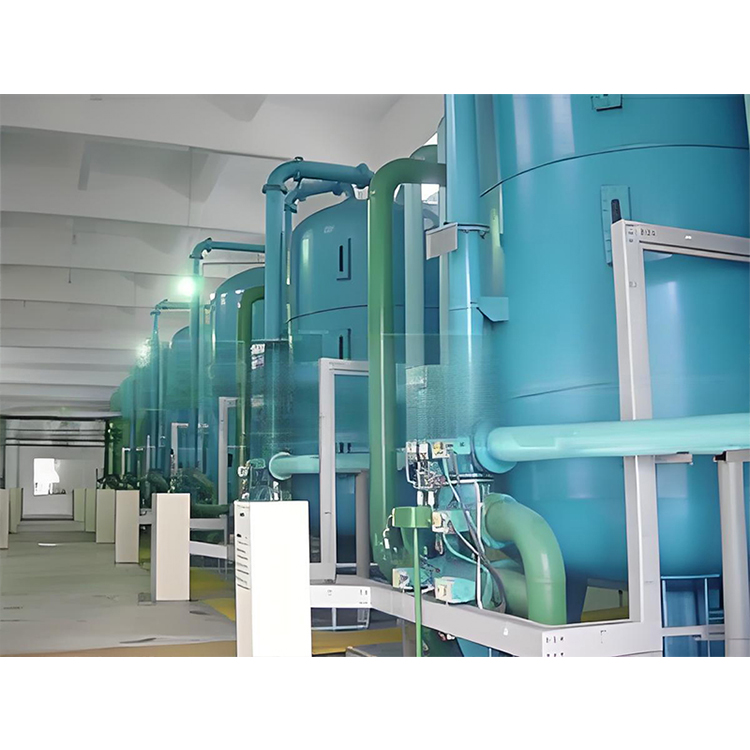
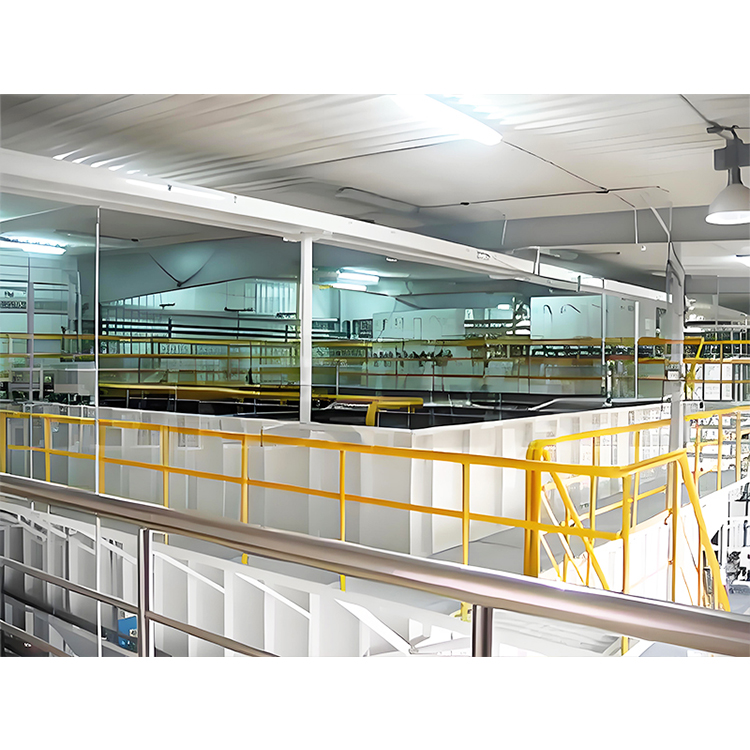
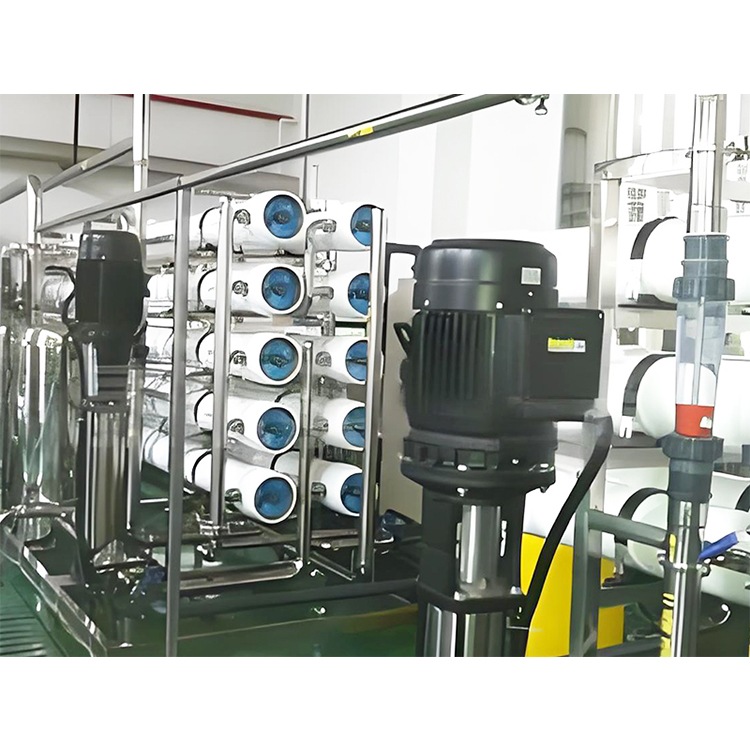
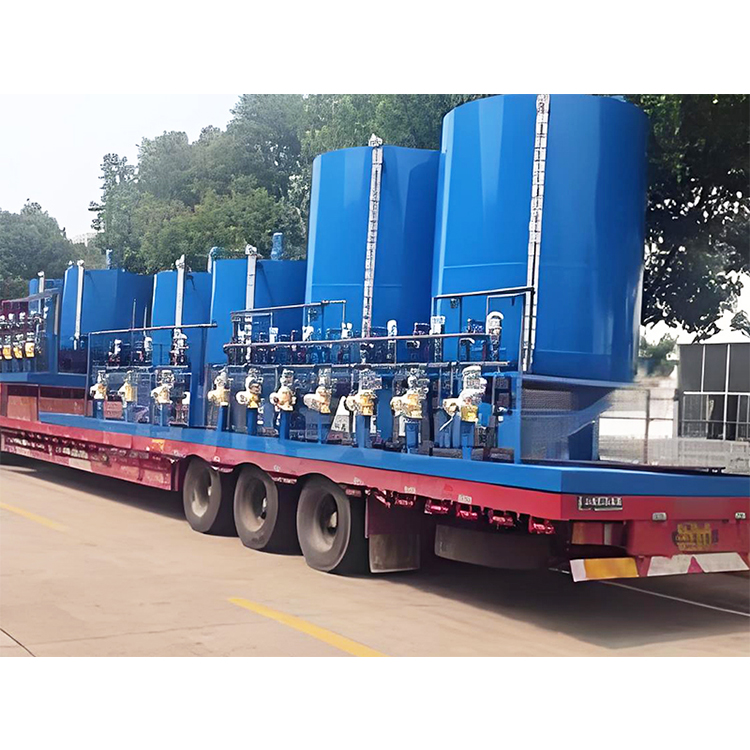
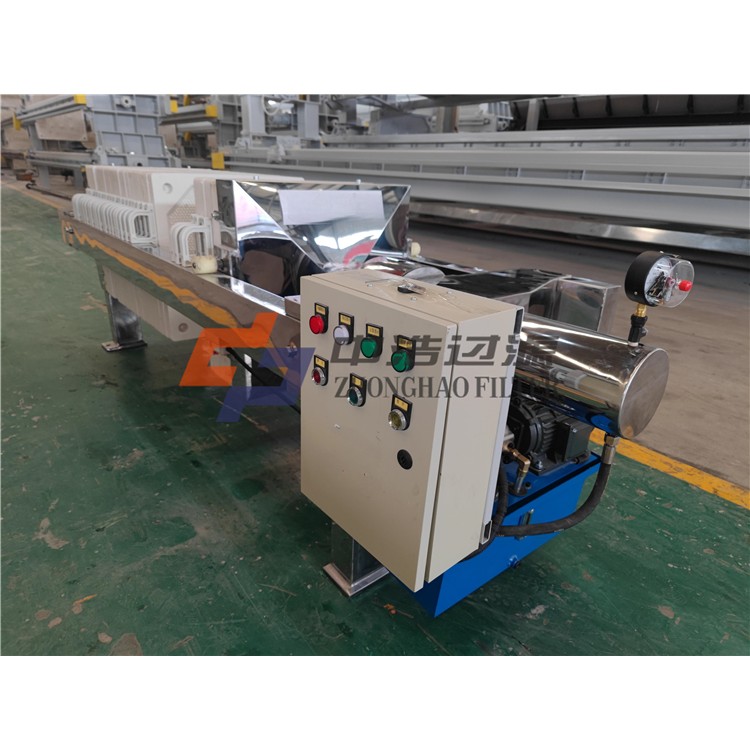





1、 Picture
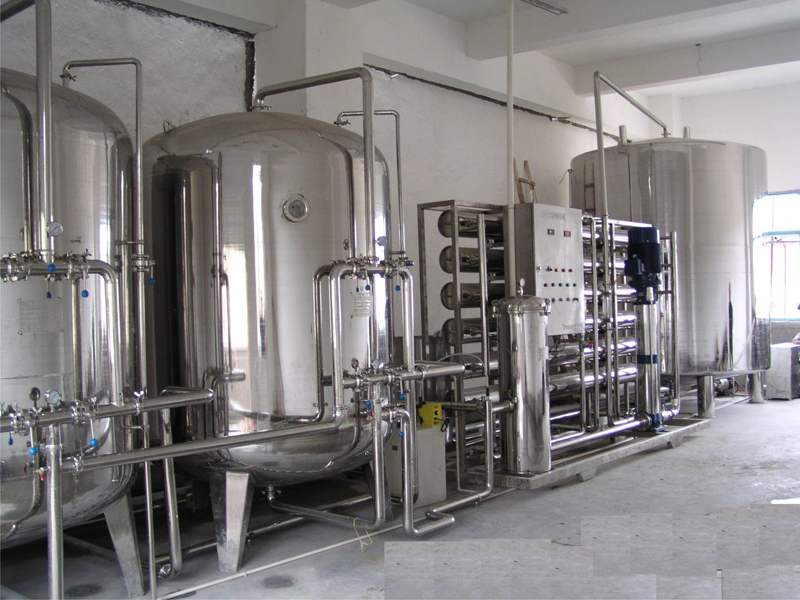
2、 Application of activated carbon filter
Activated carbon is mainly used to remove residual chlorine and organic matter from water, reduce the color of water, remove odors in water, and can be used for deep purification of domestic water and industrial water; Pre treatment equipment for reverse osmosis and ion exchange systems can effectively extend the service life of these key devices and improve the quality of effluent.
3、 Description of Activated Carbon Filter
Activated carbon is currently widely used as an adsorbent, with various shapes of micropores in its lattice structure, forming a unique porous structure and thus forming a huge adsorption area, resulting in strong adsorption capacity. It effectively removes organic matter, colloids, residual chlorine and other unpleasant odors from water using adsorption methods, reduces water color, and is widely used in factory and urban water purification, as well as pre-treatment processes of reverse osmosis, ultrafiltration, ion exchange systems, and improving the inlet water quality of various deep purification equipment. Activated carbon is made from materials such as coal, charcoal, fruit kernels, and fruit shells, which are carbonized and activated at high temperatures. It has a large specific surface area (800-2000m2 per gram of activated carbon). Therefore, activated carbon has extremely high adsorption capacity. When activated carbon is used for dechlorination, hypochlorous acid is adsorbed on the surface of activated carbon and decomposed into hydrogen chloride and atomic oxygen. Atomic oxygen and carbon atoms rapidly transition from adsorption state to chemical state (oxidized carbon). Therefore, there is no problem of adsorption saturation in activated carbon dechlorination, only a small amount of carbon is lost. Therefore, activated carbon dechlorination can run for a long time. Activated carbon can not only remove chlorine, but also filter out residual suspended solids, humic acid, colloids, heavy metals, and odors in tap water. The regeneration and activation of activated carbon usually use thermal regeneration method, which decomposes the organic matter adsorbed on the surface of activated carbon into carbon dioxide and water under high temperature conditions of 500-1000 ℃; High pressure steam blowing or soaking in sodium hydroxide solution can also be used for regeneration.
4、 Process characteristics
1. Fixed bed process for flow reduction
2. Equipped with two sets of air washing and water washing systems
3. Equipped with devices to prevent carbon loss
4. Has the function of eliminating short flows
5. Facilities with hydraulic loading and unloading of charcoal
6. Capable of operating in an oxygenated environment
The above features ensure that the product always operates in an extremely optimal state, resulting in low energy consumption, no secondary pollution, stable operation, and good effluent quality.
If used for deep water treatment, this product can effectively degrade and remove mutagenic substances such as trihalomethanes with color, taste, and odor thresholds, improving the quality of drinking water and making it purer and more beautiful.
If used for the treatment of brackish water, it can effectively remove bitterness and improve water quality compared to regular tap water.
If used for deep treatment of sewage, it can effectively degrade or remove difficult to degrade dissolved organic pollutants, greatly improve treatment efficiency, and ensure the qualification rate of sewage treatment.
If used in pre-treatment systems for ion exchange, reverse osmosis, and electrodialysis, it can effectively remove organic pollutants, residual chlorine, etc. from water, prevent resin contamination or membrane poisoning, ensure the service life of ion exchange resins or membranes, ensure the normal operation of the system, and improve the quality of effluent water.
Therefore, this product is widely used for deep treatment of water supply and sewage in industries such as petrochemicals, metallurgy and power, light industry and food, medicine and transportation. It has great practical and promotional significance for ensuring the reliable and stable operation of the treatment system, improving treatment efficiency, and enhancing water quality.
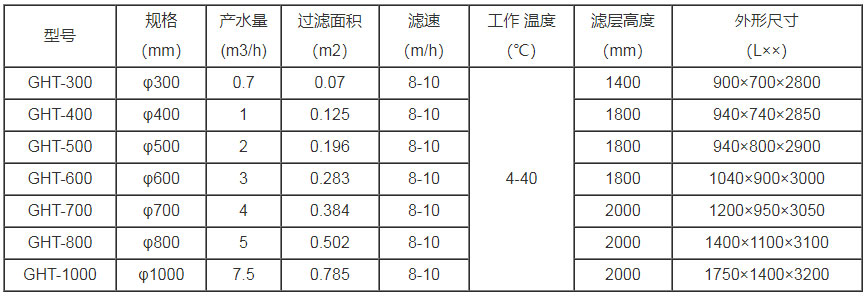
5、 Equipment specifications