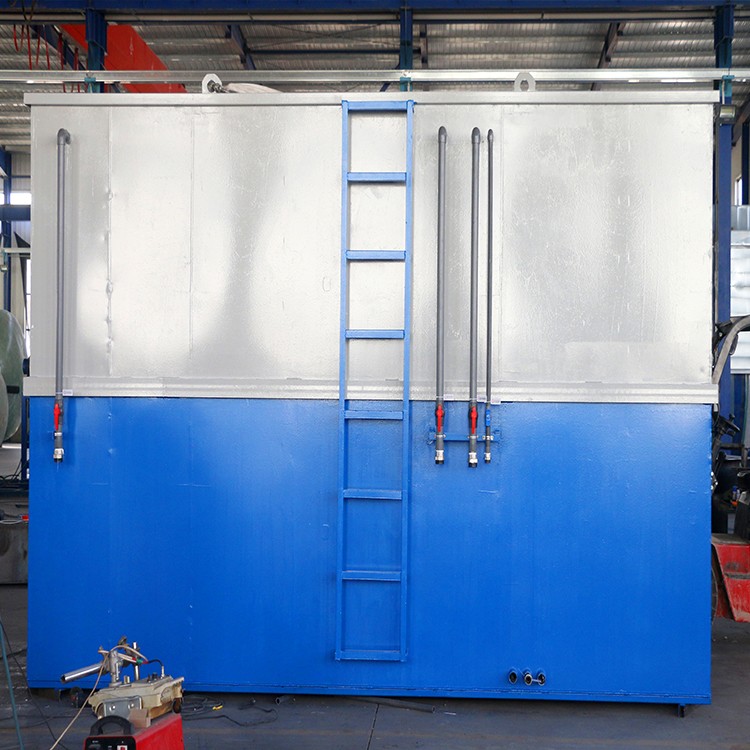
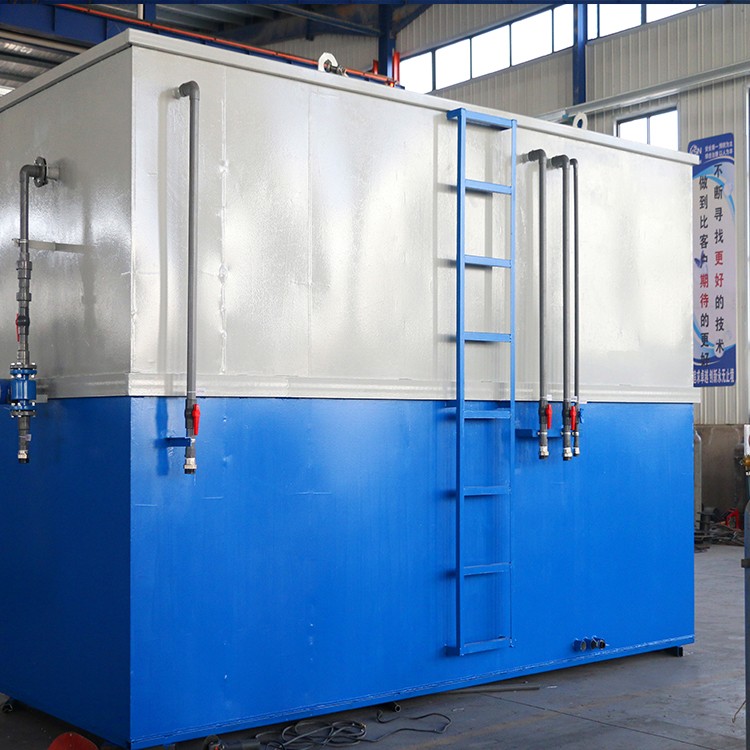
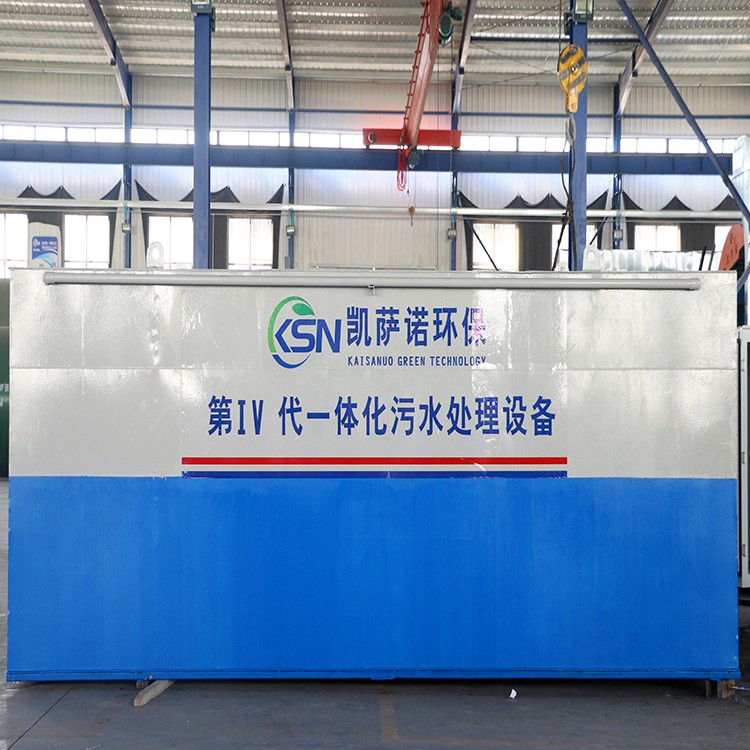
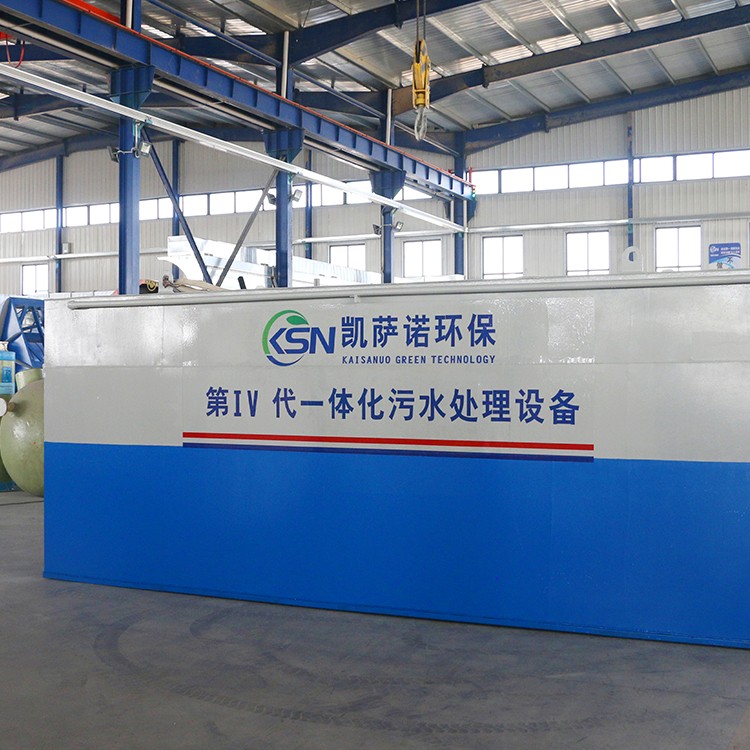










Water treatment equipment is an industrial device that effectively handles urban domestic wastewater and industrial wastewater, among others, preventing the direct discharge of sewage and pollutants into water bodies. It plays a significant role in improving the ecological environment, enhancing the urban quality, and promoting economic development.
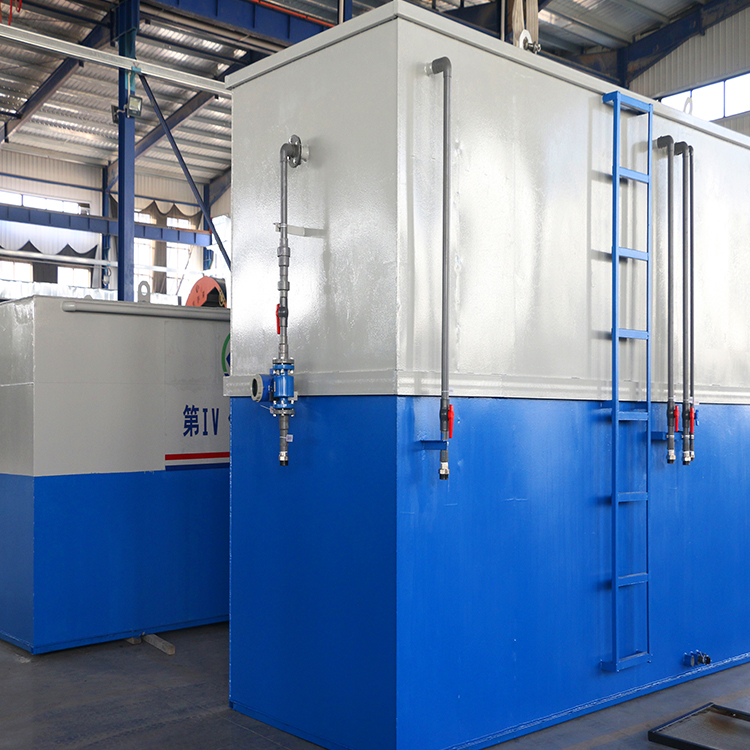
Subsurface sewage treatment equipment is suitable for residential communities, office buildings, shopping malls, hotels, restaurants, government agencies, schools, aquaculture processing plants, livestock processing plants, dairy processing plants, and other similar facilities for domestic wastewater and similar industrial organic wastewater, such as textile, beer, papermaking, leather, food, and chemical industries. The primary purpose is to treat domestic wastewater and similar industrial organic wastewater to meet reclaimed water quality standards, enabling the resourceful utilization of treated wastewater.
1. Strong ability to withstand impact loads; the average residence time in the contact oxidation process is over 6 hours.
2. Capable of denitrification and phosphorus removal, and able to treat industrial wastewater, domestic wastewater, and urban wastewater by adjusting the structure of the equipment.
3. The contact oxidation tank is typically filled with a combination of soft media, which is lightweight, high-strength, and possesses stable physical and chemical properties. It has a large specific surface area, strong biofilm adhesion, and high efficiency of contact between wastewater and the biofilm.
4. The contact oxidation tank employs aeration blowers for aeration, causing the fiber bundles to continuously float, ensuring uniform aeration, promoting the growth and maturation of microorganisms, and exhibiting the characteristics of the activated sludge process.
5. Stable effluent quality with minimal sludge production and easy handling.
6. Submersible pumps can be installed within the equipment, reducing engineering investment.
7. The equipment can be placed on the ground or buried underground. When buried, the top can be covered with greenery, reducing the land area required for the factory and minimizing ground structures.
8. Easy to implement automatic control; simple management operations.
9. The equipment can be mounted on a vehicle to create a mobile integrated wastewater treatment unit.