






The vacuum of the condenser has a significant impact on the economy and safety of a thermal power plant. A decrease in condenser vacuum leads to increased coal consumption for power generation, while a deterioration of condenser vacuum causes the temperature in the after cylinder to rise, making it impossible for the steam turbine to operate stably.
I. Overview
The vacuum of the condenser has a significant impact on the economic efficiency and safety of thermal power stations. A decrease in condenser vacuum leads to increased coal consumption for power generation. Worsening condenser vacuum results in higher back cylinder temperatures, causing the steam turbine to operate unstably.
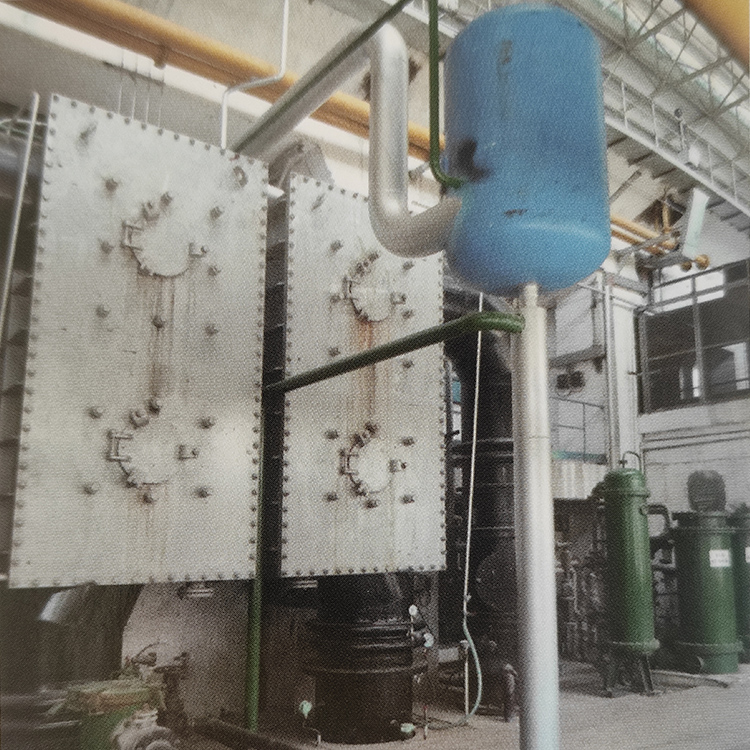
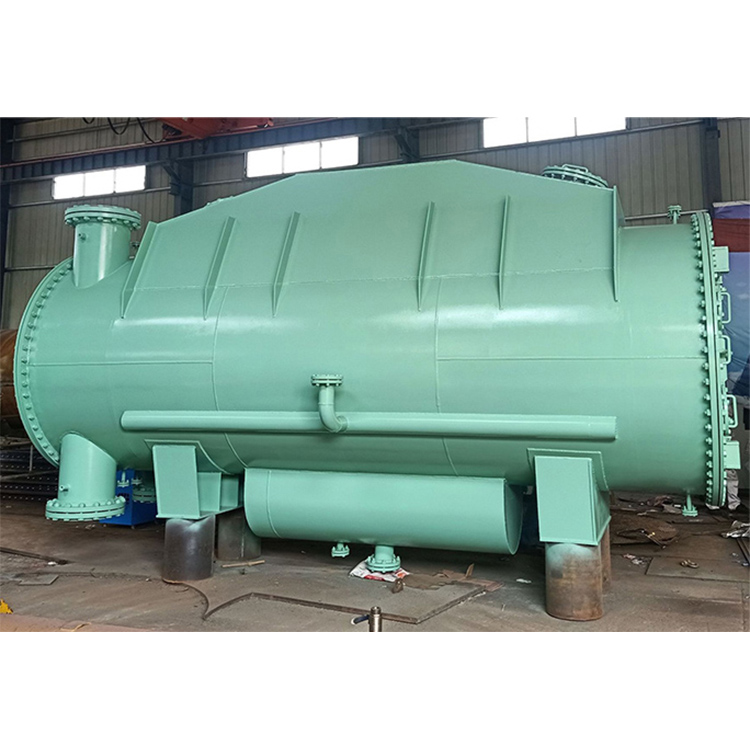
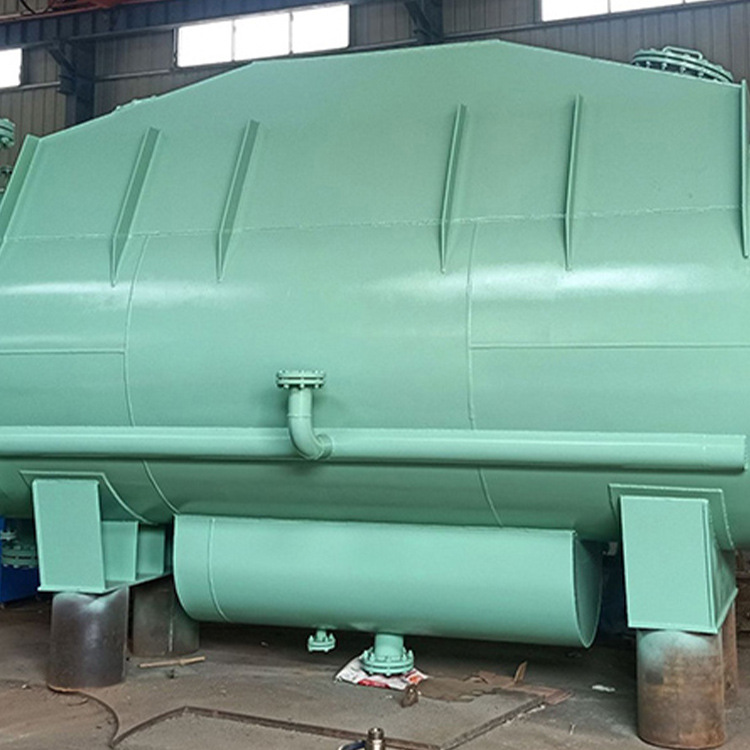
The vacuum extraction system of condensers in thermal power plants typically consists of jet vacuum pumps, steam jet vacuum pumps, or water ring vacuum pumps. The vacuum level of the condenser significantly affects the economic efficiency and safety of the power plant. A decrease in condenser vacuum leads to increased coal consumption for power generation, and a deterioration of the vacuum causes the temperature in the downstream cylinder to rise, compromising the stable operation of the steam turbine. The mixture extracted from the condenser, usually consisting of steam (2/3) and air (1/3), reduces the working capacity of the jet vacuum pump or water ring vacuum pump on one hand, and heats the working fluid water, impacting the performance of the pump on the other. To maintain the performance of the jet vacuum pump and water ring vacuum pump, cold water needs to be added to lower the temperature of the working fluid, resulting in high water consumption. If the steam-air mixture is condensed before entering the jet vacuum pump or water ring vacuum pump, it can significantly enhance the working capacity of the pump. Increasing the condenser vacuum also boosts the power output of the steam turbine and saves a considerable amount of cooling water. To achieve this, a vacuum cooler is installed after the suction port. This approach has been tested on many power plants with 150MW units, yielding favorable results. It can raise the condenser vacuum by 1%, reduce coal consumption for power generation by 1%, and save 612 tons of standard coal and 540 tons of desalinated water annually.