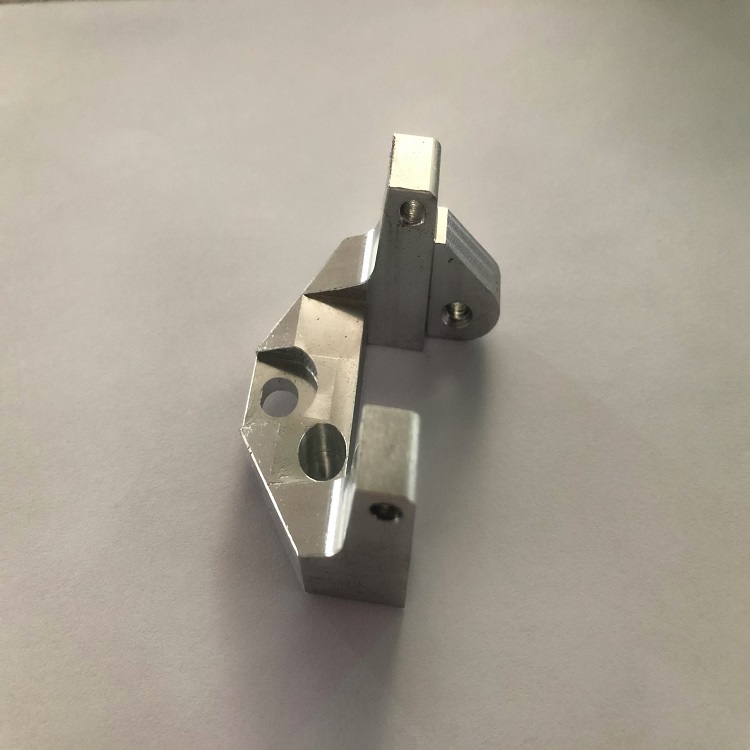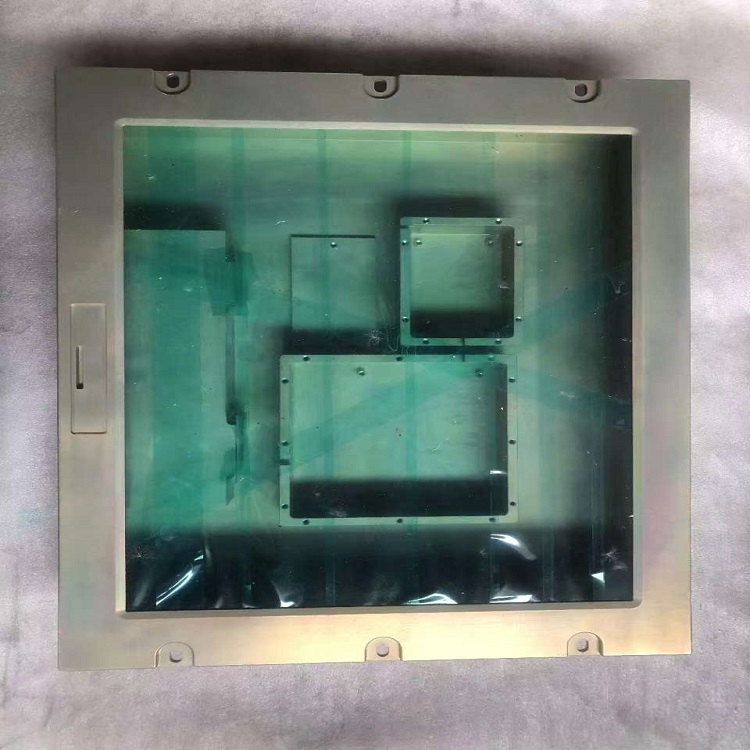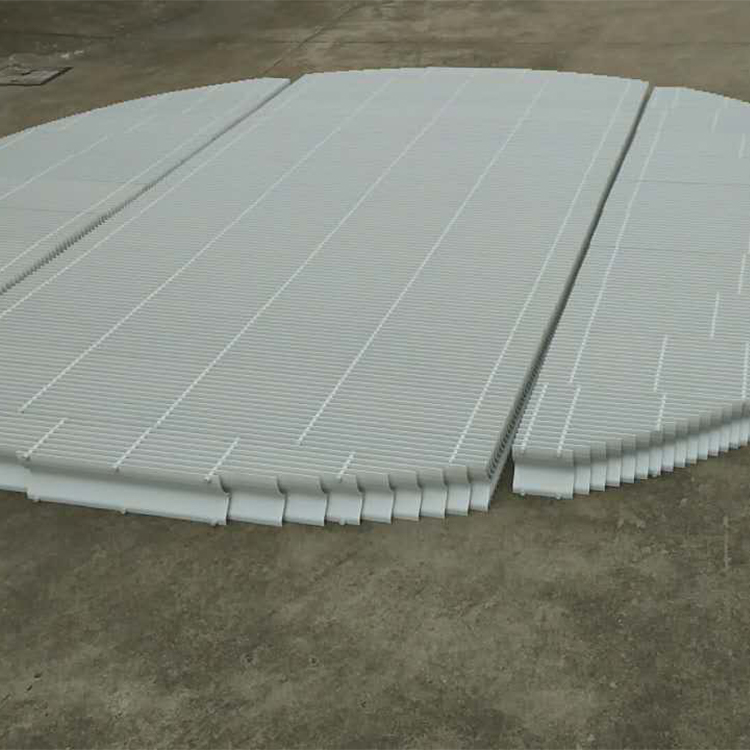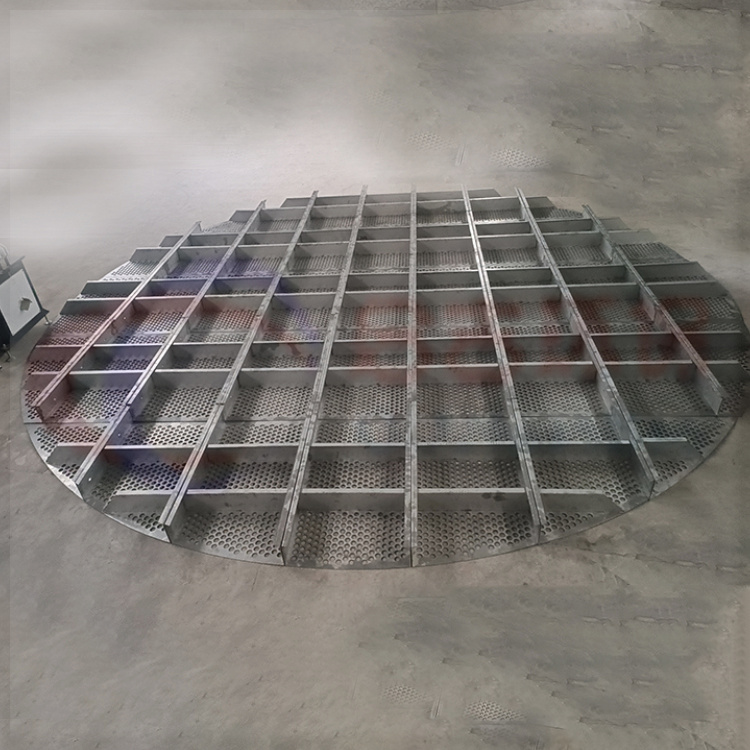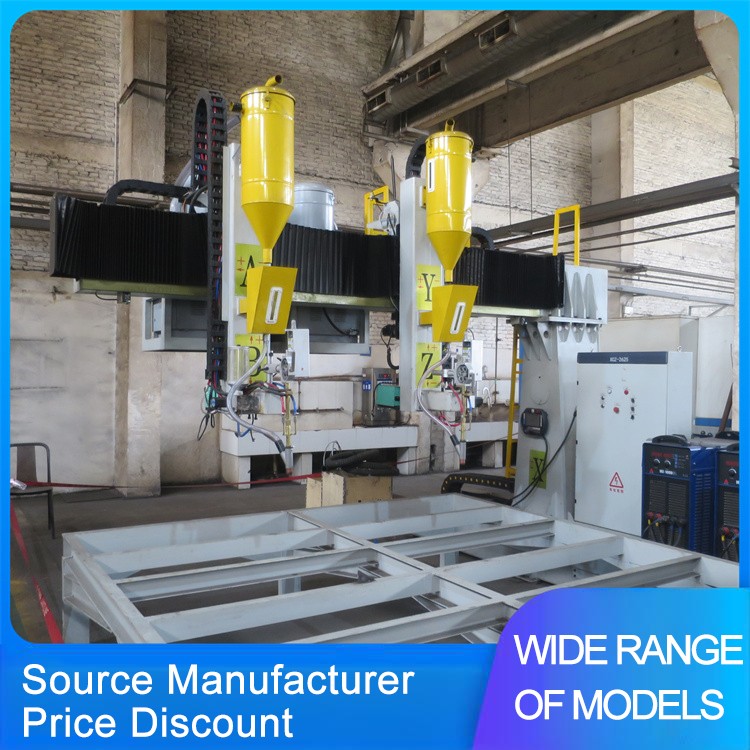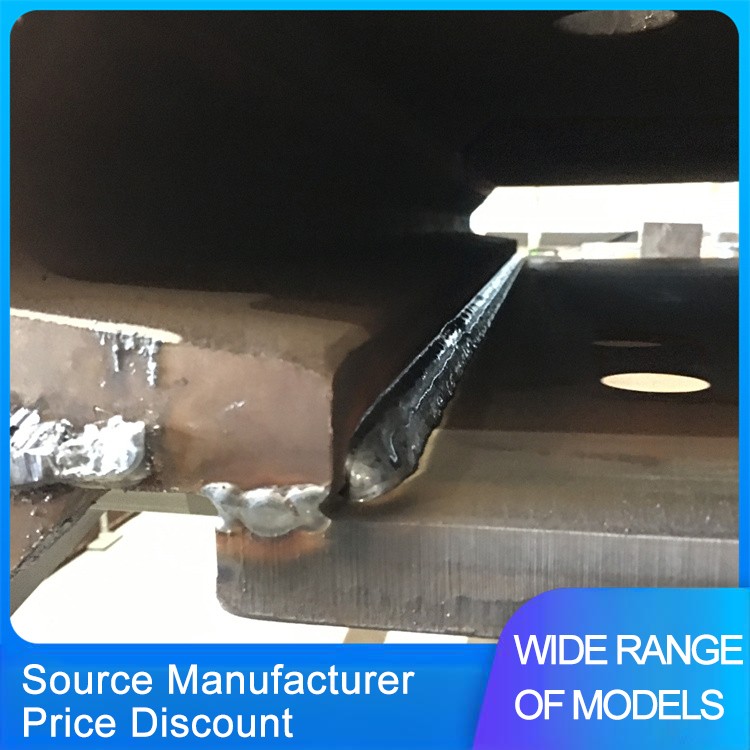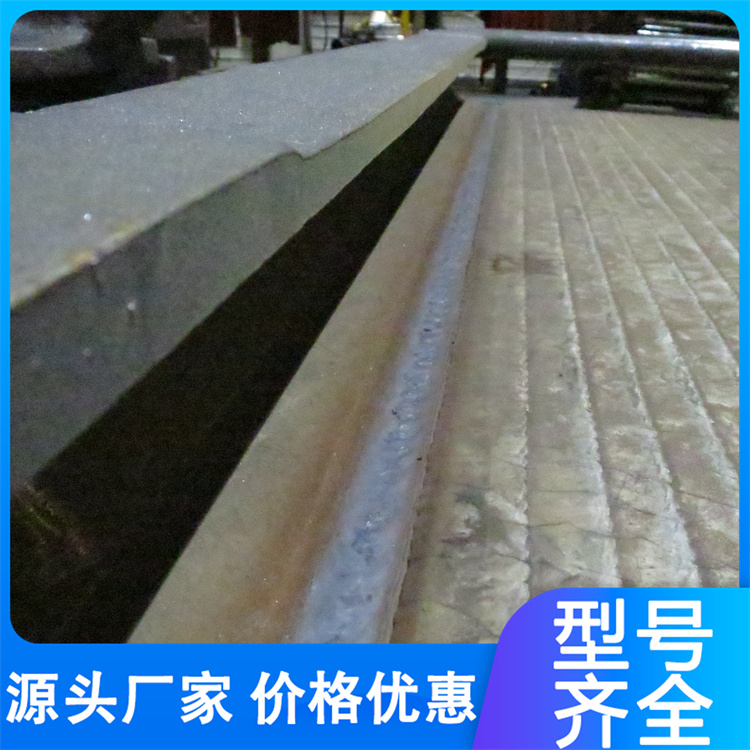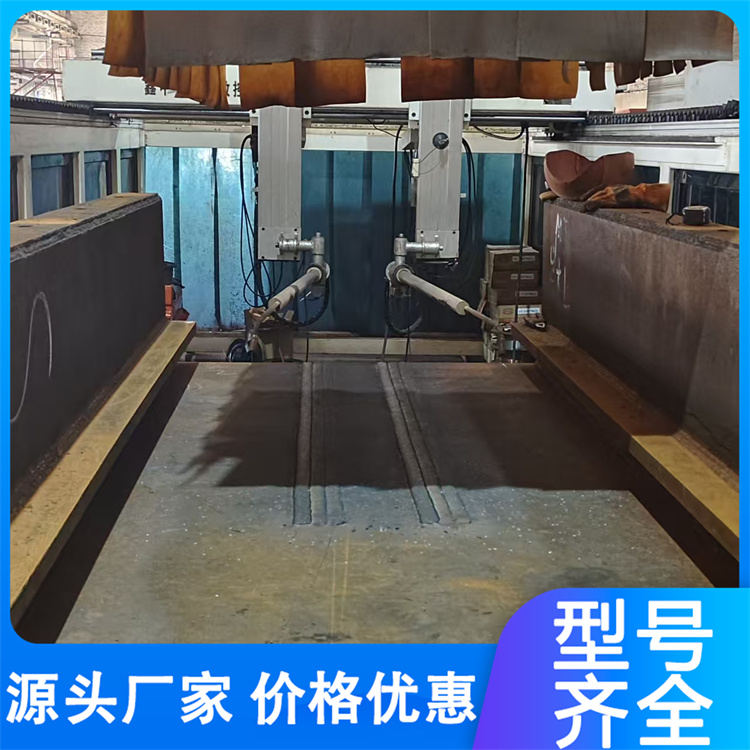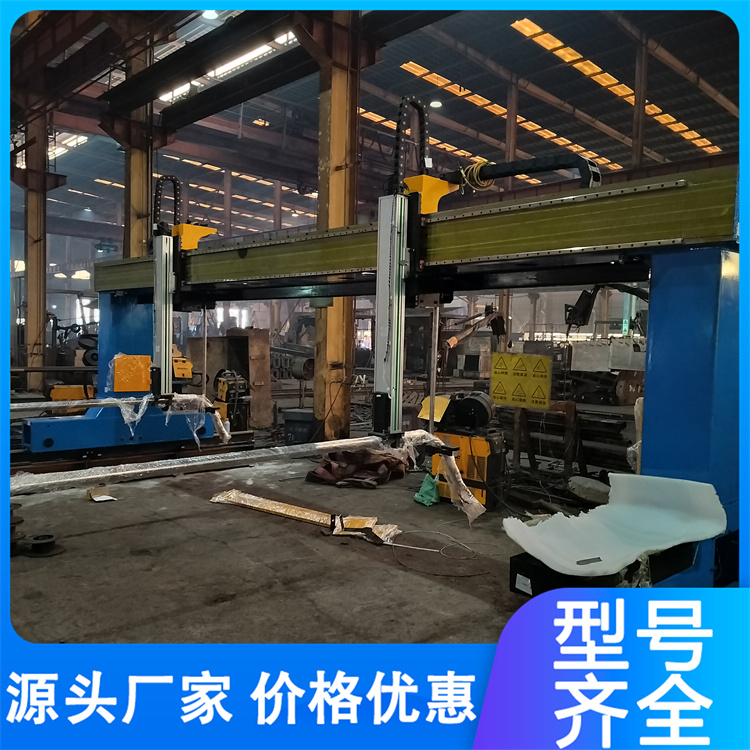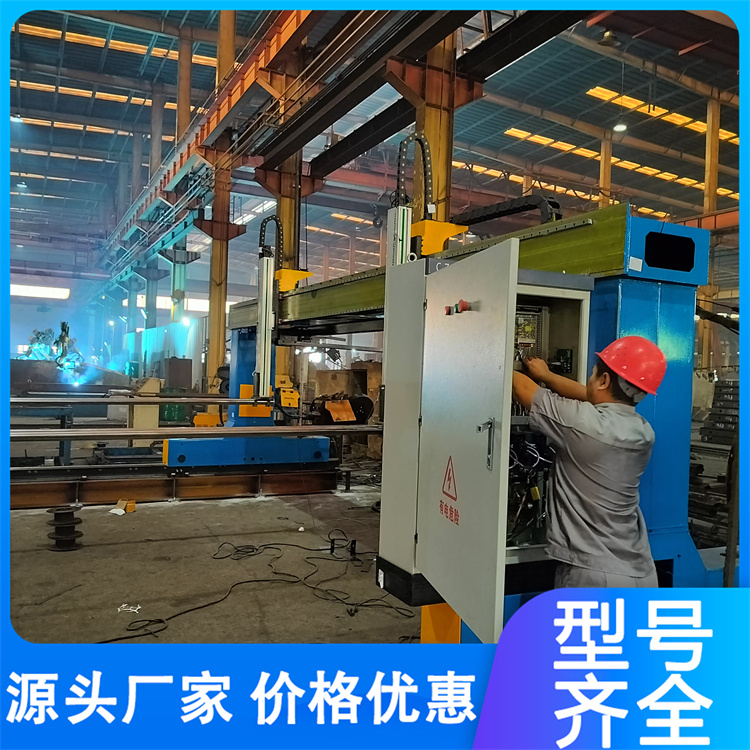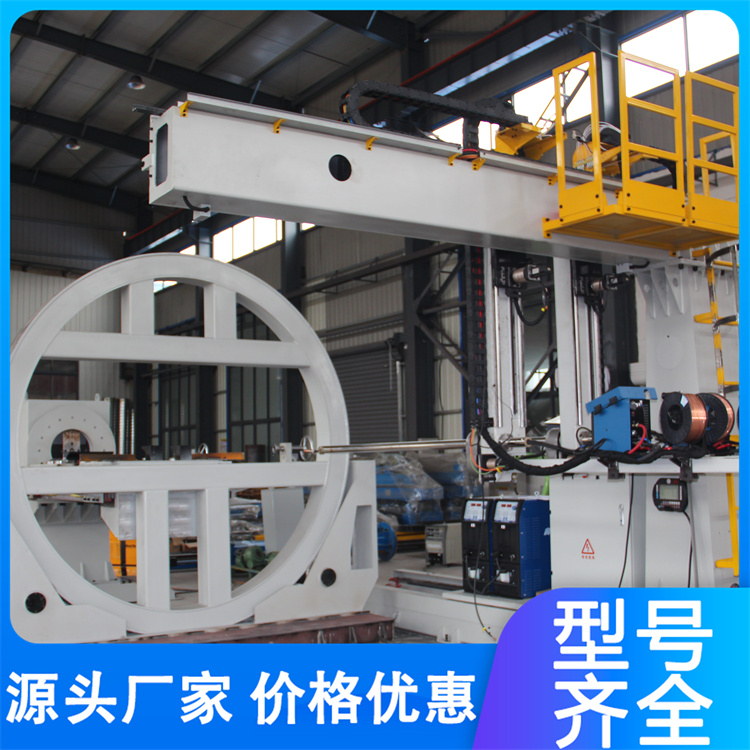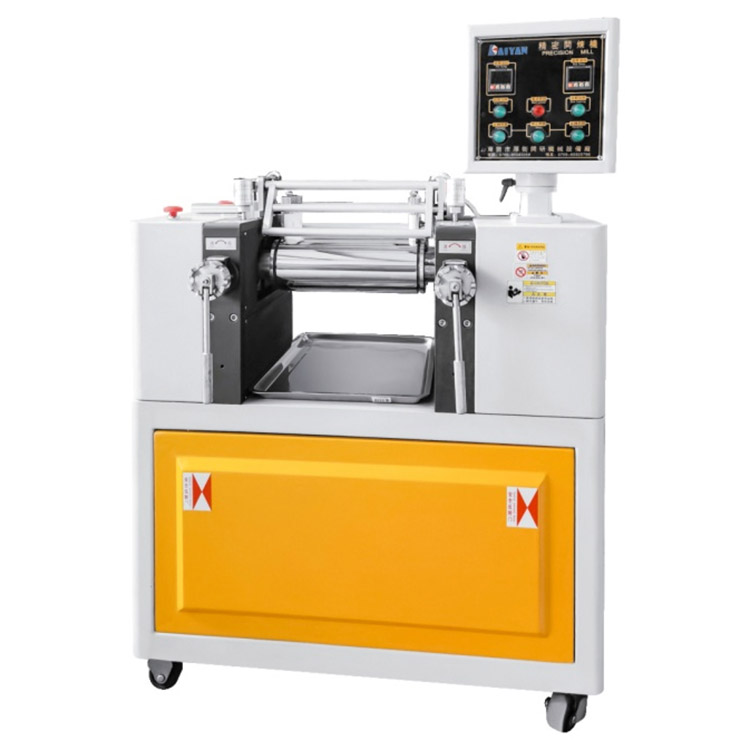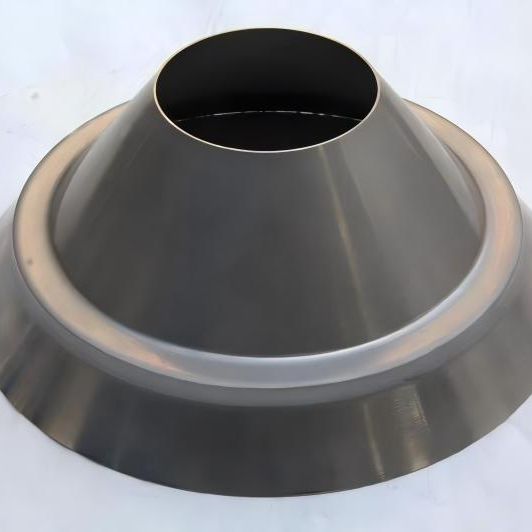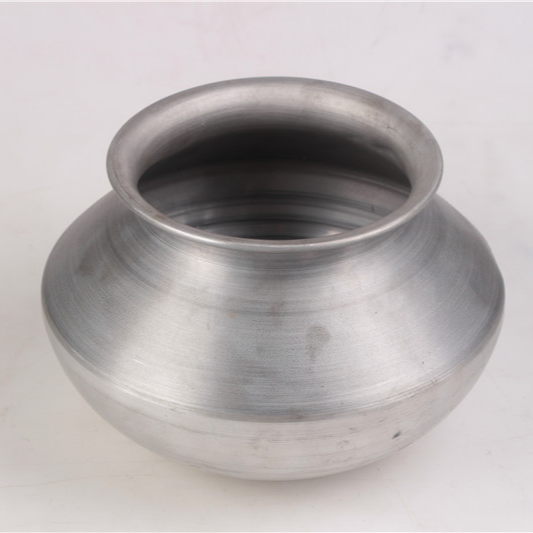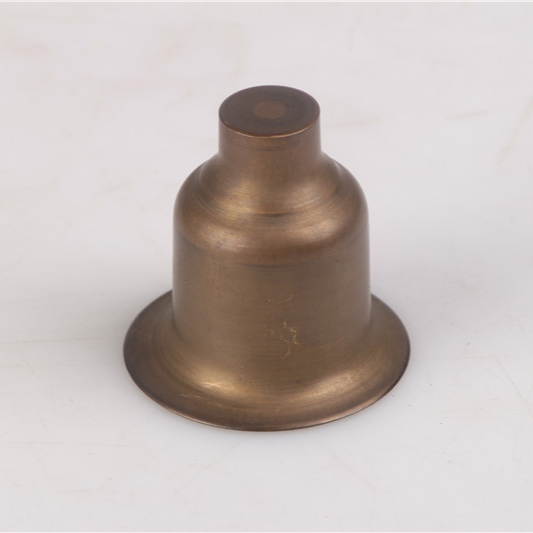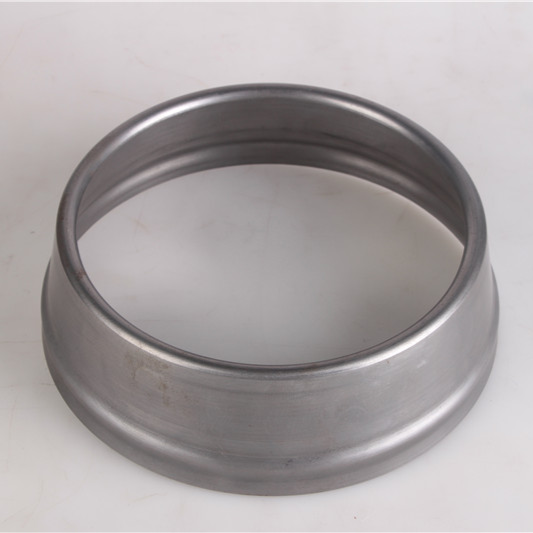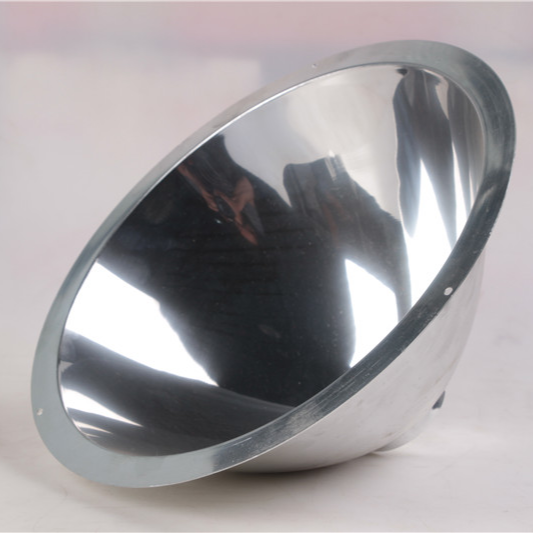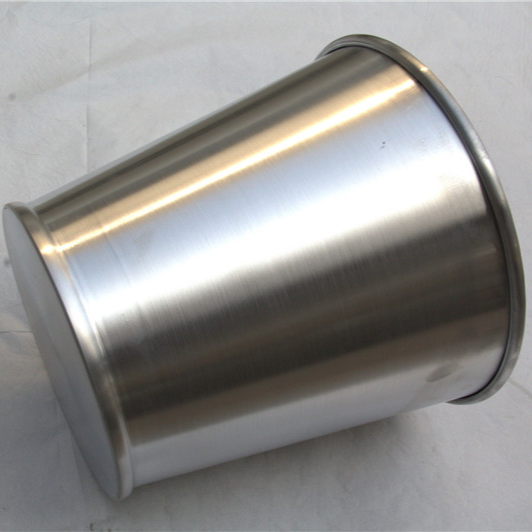


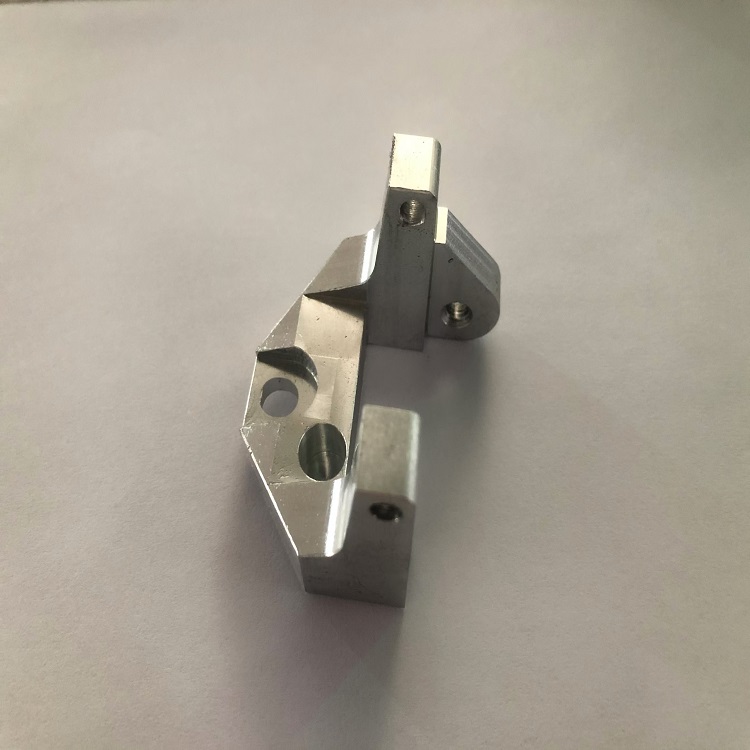



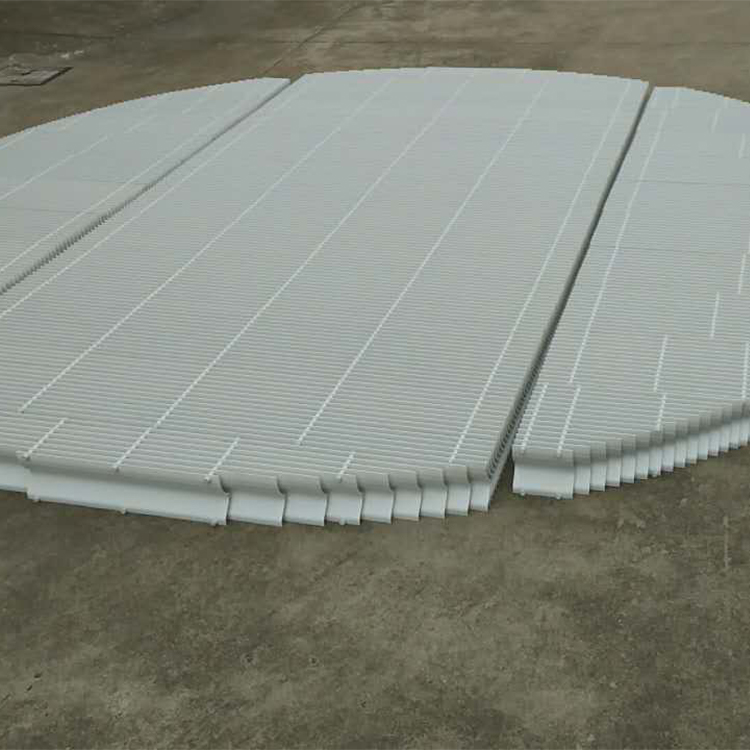
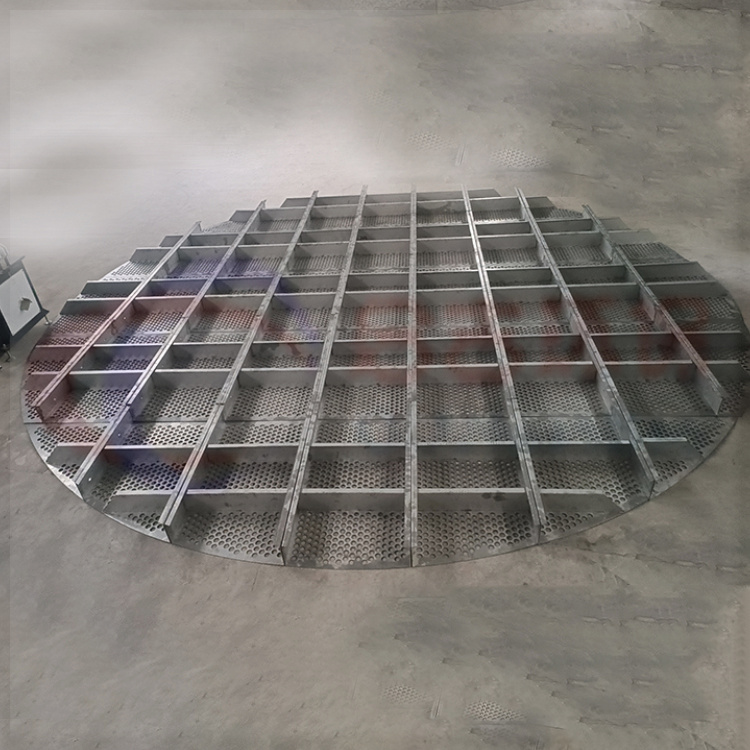
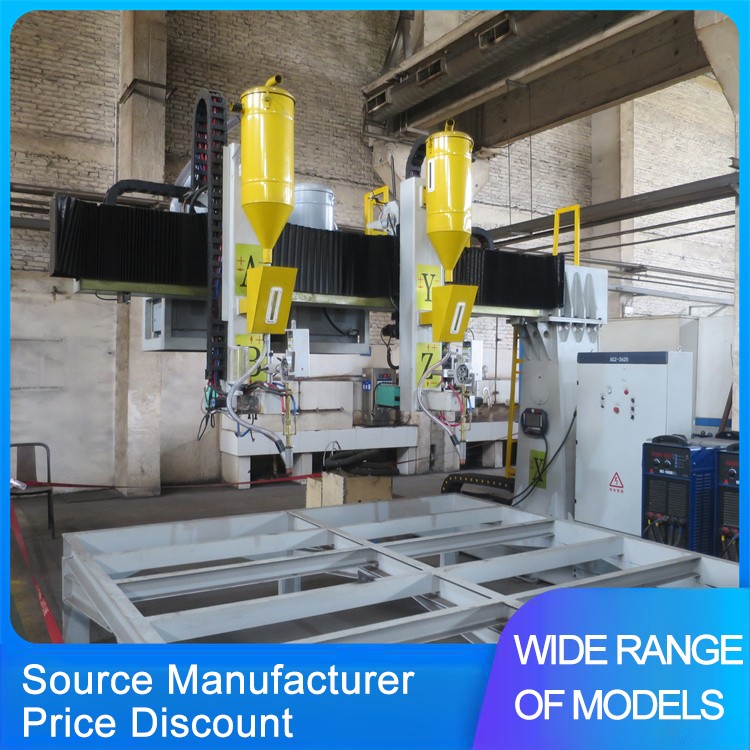
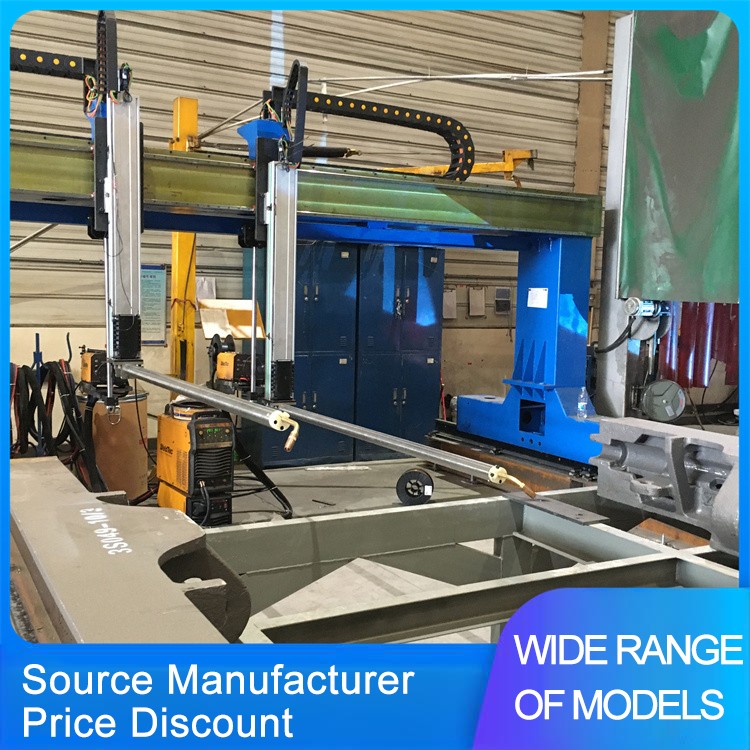


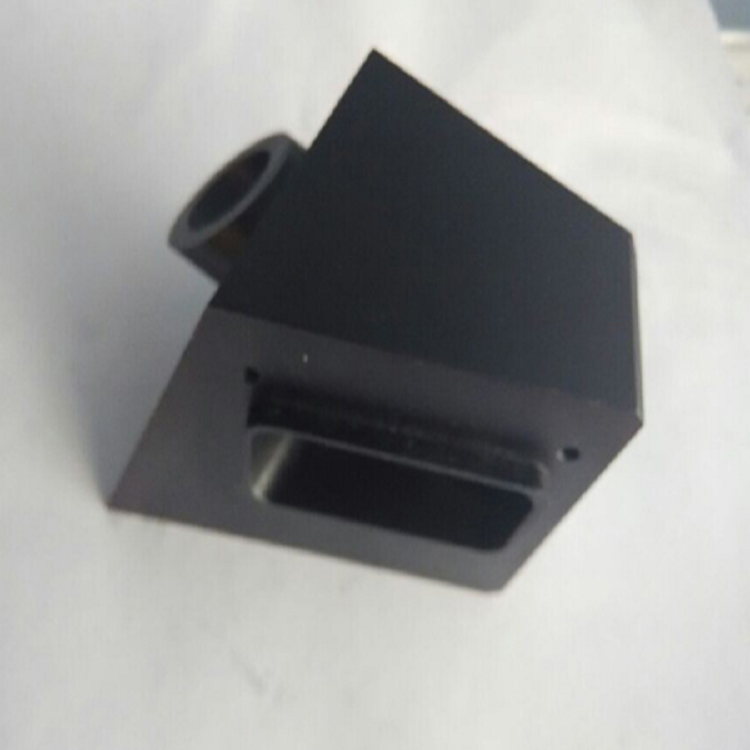

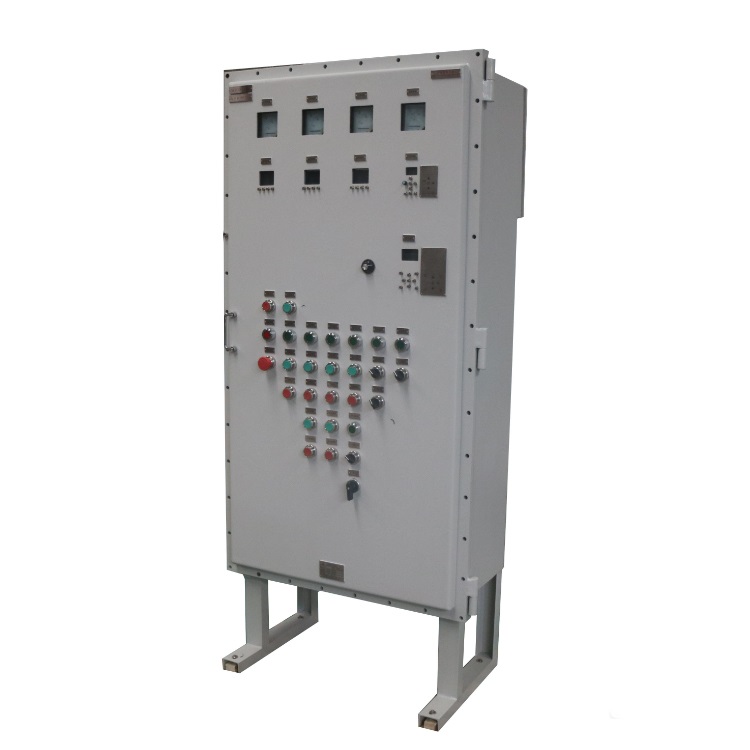
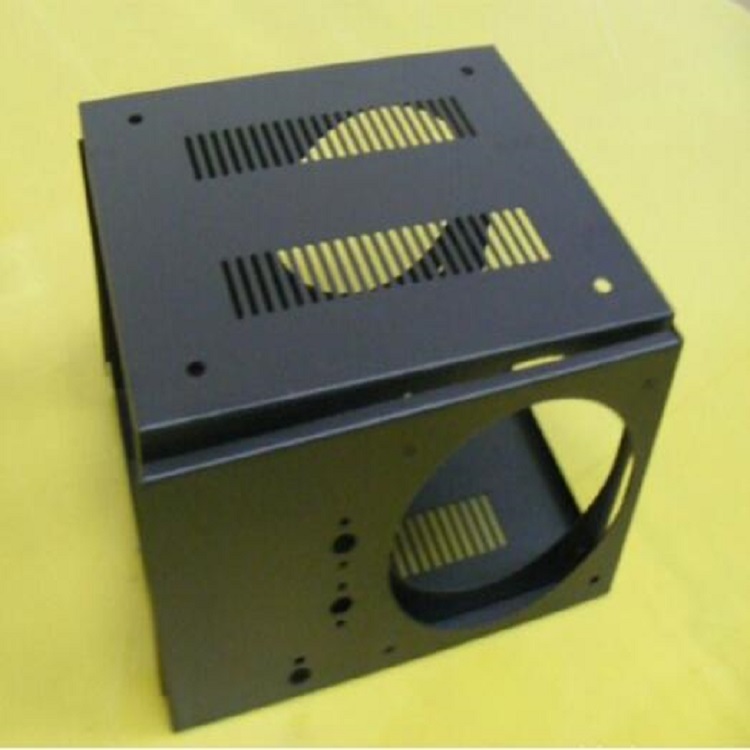

Machining of mechanical parts is a complex process involving multiple aspects. The following provides a detailed introduction to the product's performance and advantages, applications, after-sales service, and packaging.
I. Product Performance and Advantages
High precision:
Advanced CNC equipment and processes are used for machining mechanical parts, enabling high precision processing.
For some extremely fine parts, machining can achieve precision down to 0.01 millimeters or even smaller, meeting the requirements of precision manufacturing.
High efficiency:
Machining of mechanical parts can complete a large number of production processes in a short time, significantly enhancing production efficiency.
Compared to traditional manual processing methods, mechanical processing significantly reduces the production cycle.
Automated and semi-automated production methods further enhance production efficiency and reduce labor costs.
Variety:
A variety of machining methods are available for mechanical parts, including milling, turning, drilling, and grinding, among others.
This diversity allows for mechanical processing to cater to a wide range of complex shapes and structural requirements.
Reusability:
Machine parts processing boasts high repeatability.
Once the process and equipment are determined, efficient processing quality and stability can be maintained long-term.
This repeatability ensures that parts in bulk production have high similarity and consistency, reducing uncertainty in the production process.
Consistent Quality:
Machine parts processing ensures quality assurance for the parts delivered to customers through rigorous quality control systems and production process management.
 。
。This quality consistency enhances the product's reliability and lifespan.
Adaptable:
Machine parts processing is well-suited for various materials and shapes.
Whether it's metal, plastic, or other composite materials, machining can offer suitable processing solutions.
II. Application
Mechanical parts processing products are widely used in various fields, including but not limited to:
Aerospace IndustryAircraft engines, aerospace components, and precision parts.
Automotive IndustryEngine, transmission system, body structure, and other precision parts.
Energy SectorGear and precision parts such as bearings for wind power and solar power generation equipment.
Electronics IndustryIntegrated circuits, micro-nano devices, optical components, and other precision parts.