

















Product Overview
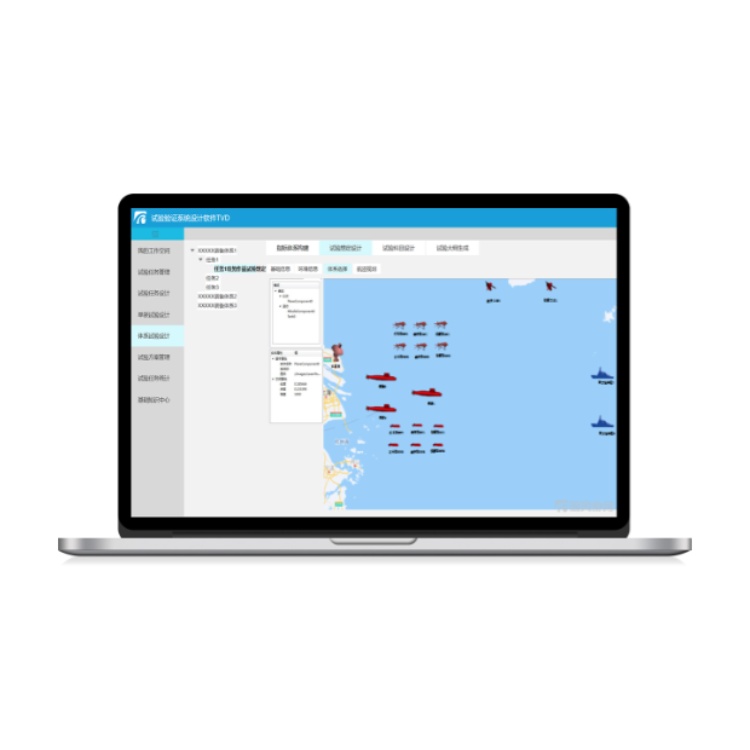
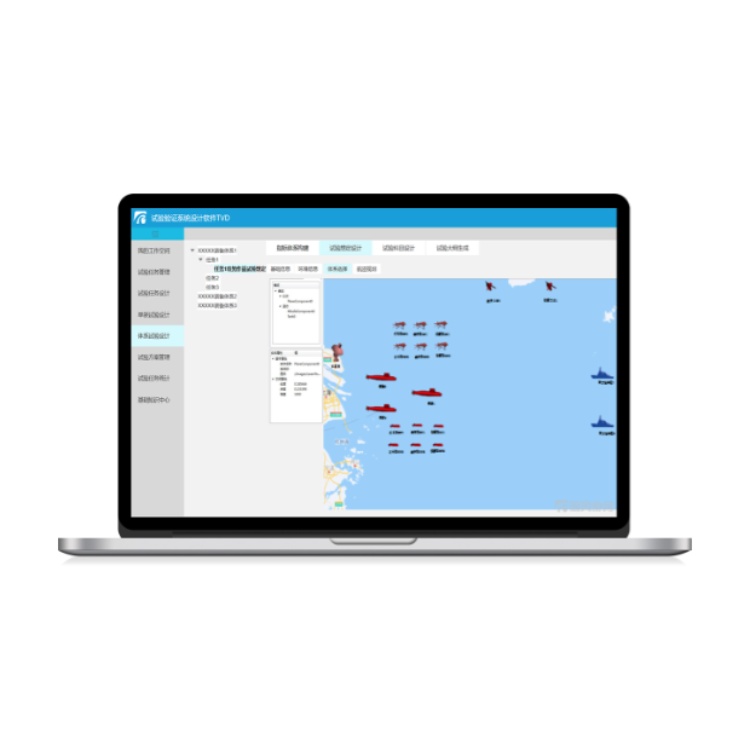
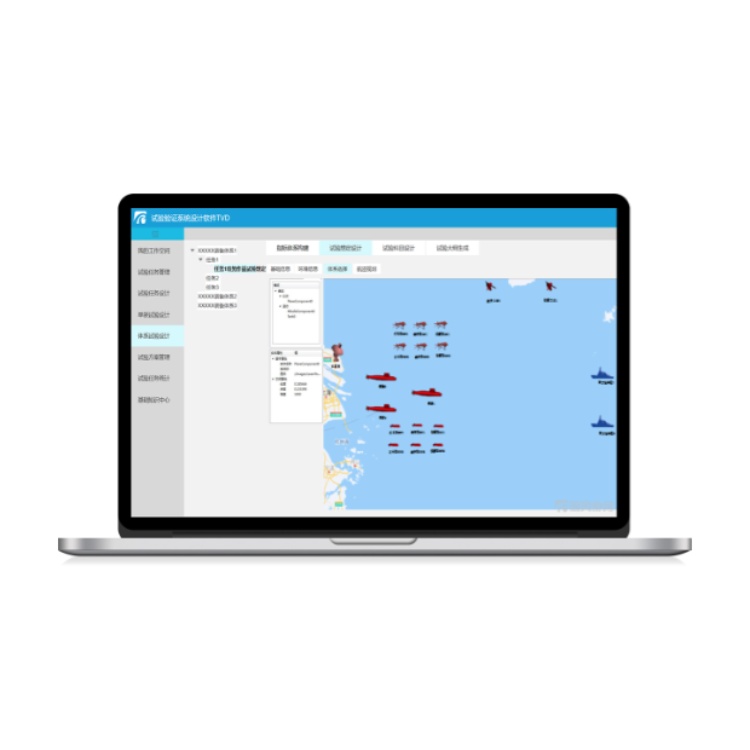
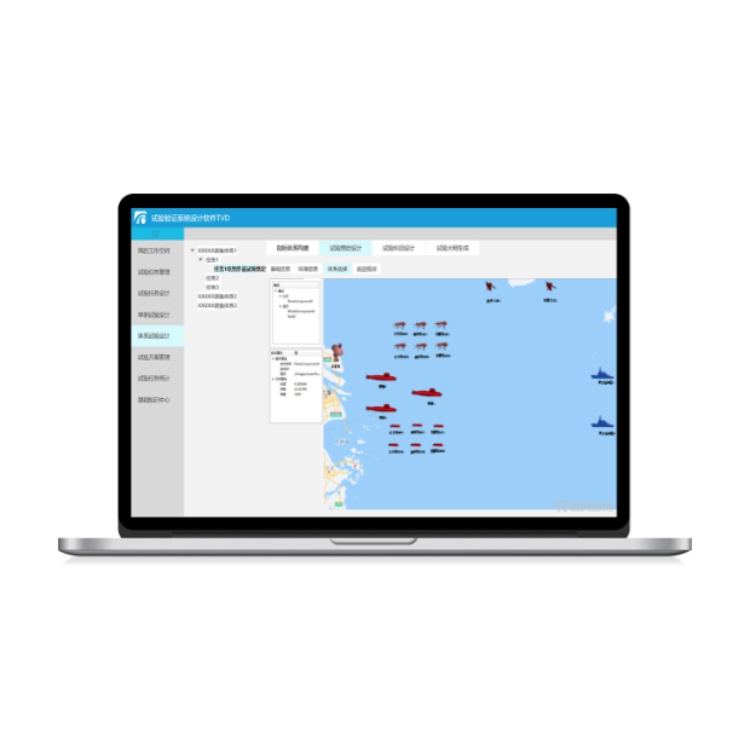
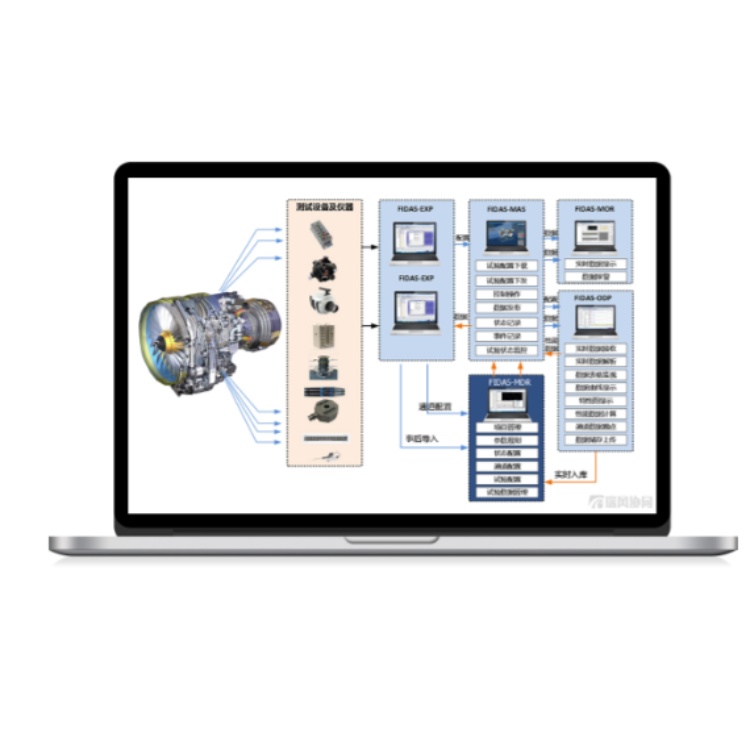
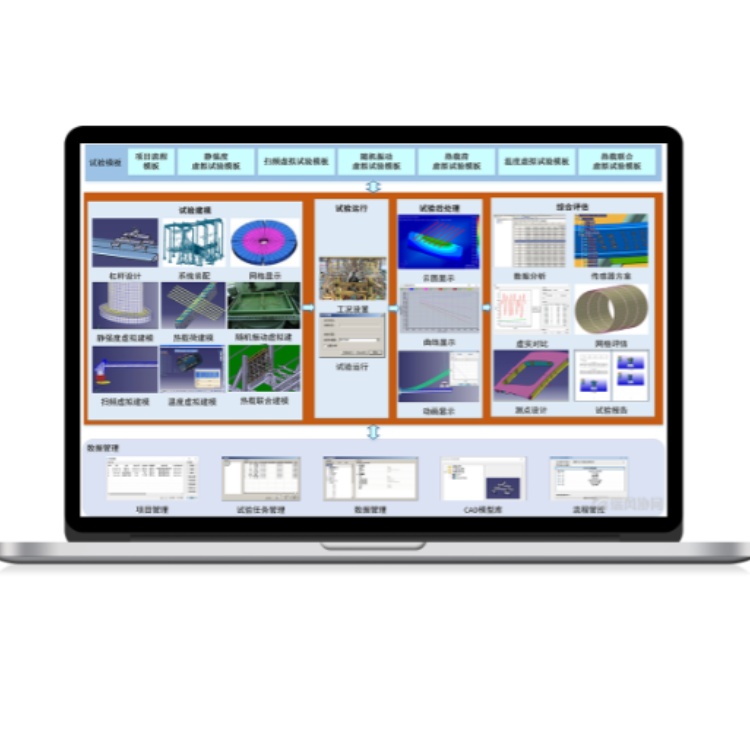
A System Design Software for Test Verification is a tool for systematic planning and design of test verification activities. By offering functionalities such as test verification indicator management, requirement management, and item planning, it ensures that product testing preparation, planning, software development for measurement and control, and analysis algorithm integration are all under control. This guarantees that the planned test verification items cover all necessary indicators, enhancing the efficiency of test planning, and aiding in baseline control and technical status management of testing.
Application Fields
Aircraft Aerodynamic Tests, Aircraft Structural Strength Tests, Aircraft Stealth Tests
Engine ignition test, engine ground test
Automotive Vibration and Noise Test, Automotive Intake Pressure Test
Marine Mooring Test, Ship Heading Test
Core Advantages
Model Traction
Based on the MBSE concept, integrating the DMT modeling tool, a comprehensive model of the verification process is established, linking the correlation between verification indicators, verification requirements, verification items, and functional items.
Standard Built-in
Based on the GB/T39582-2020 Test Data Organization and Service (TODS) standard for standardized storage of test data; and based on the FMI standard for standardized encapsulation of test algorithms.
Flexible Expansion
A reasonable software framework enables model expansion, allowing users to add foundational data such as verification indicators, test items, and functional items based on their actual business scenarios to accommodate various units' operations.
Efficient collaboration
Based on a unified user and role management module, efficient collaboration among designers, testers, and chief engineers is achieved through precise user permission settings.
Function Features
We offer centralized support for the management and itemized decomposition of test requirement documents from multiple sources such as PDM and ERP. Our solution ensures precise association and planning, in line with MBSE principles, between test validation indicators, test requirements, test validation items, and functional items. It also supports the planning and design of personnel, resources, schedule, and software needed for executing test tasks.