
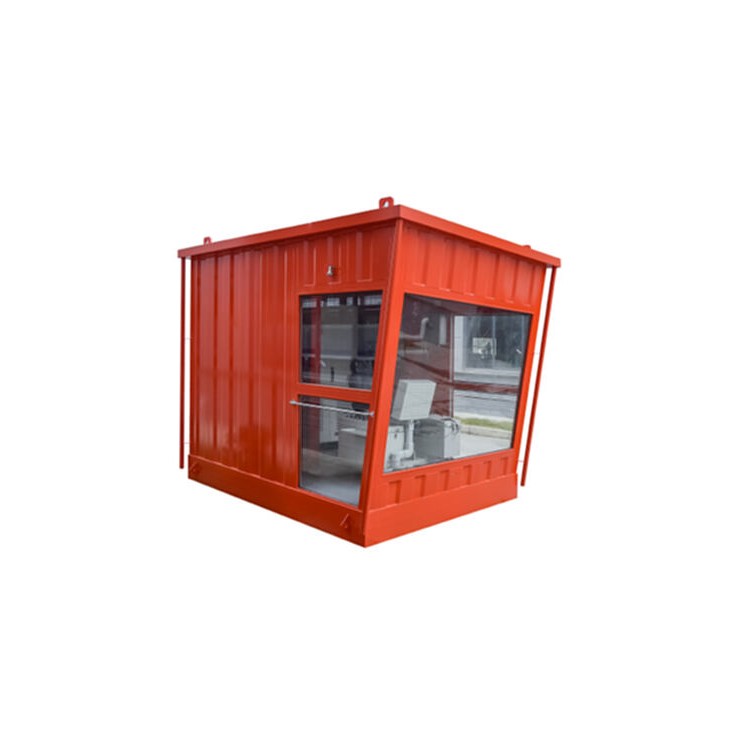

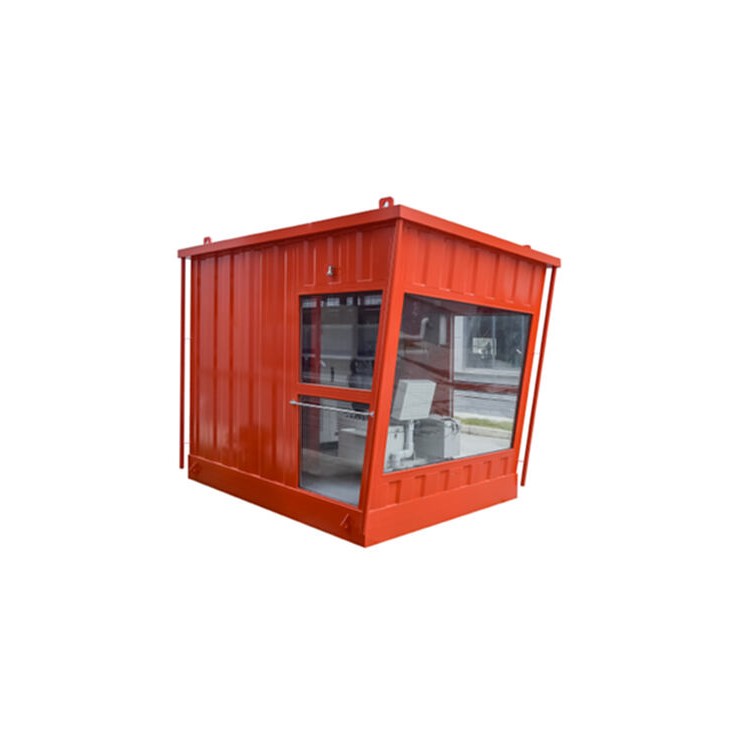
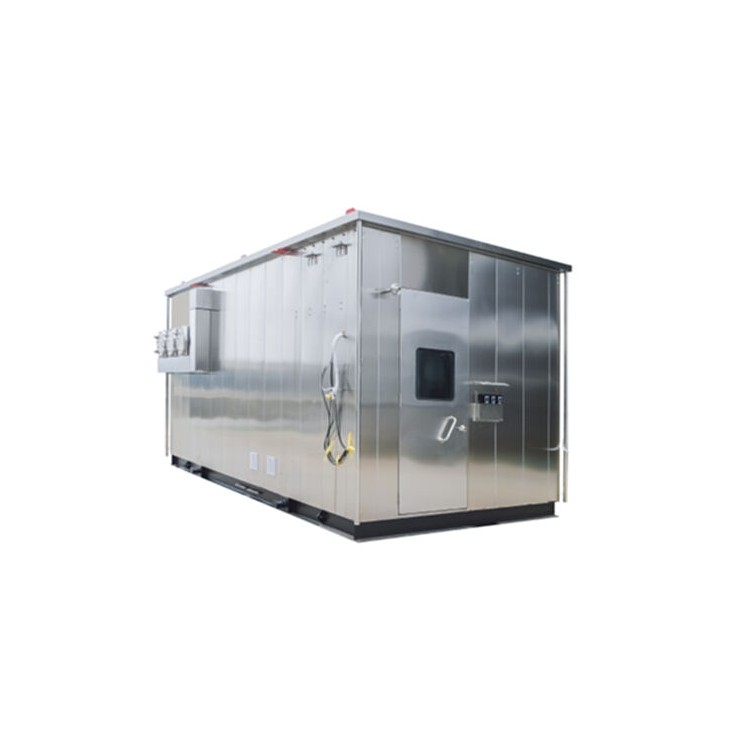
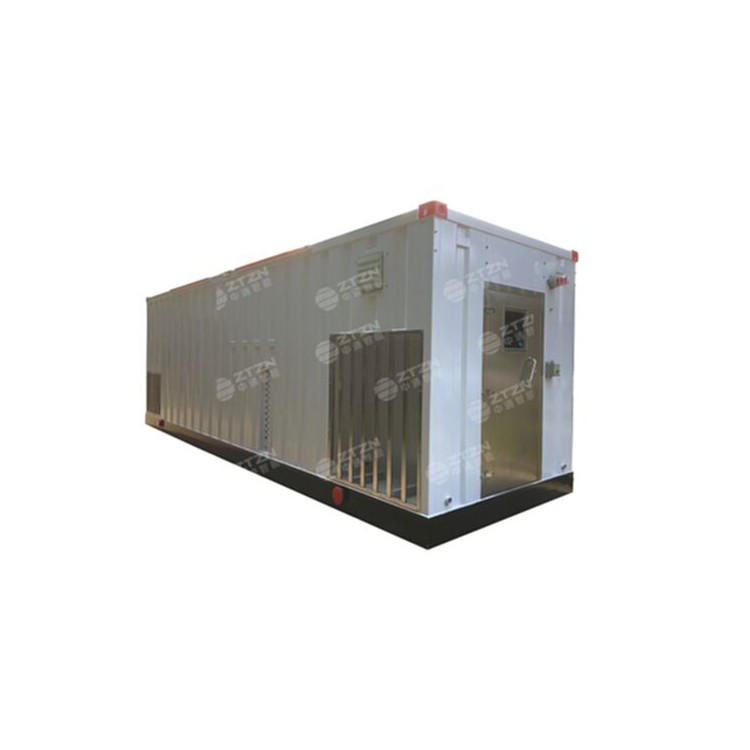



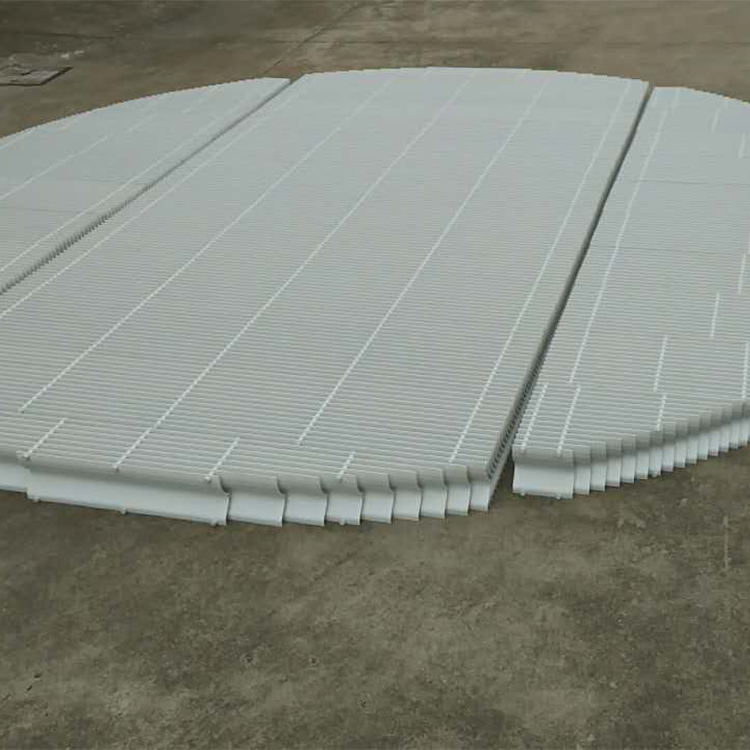









Explosion-proof boothApplication Range
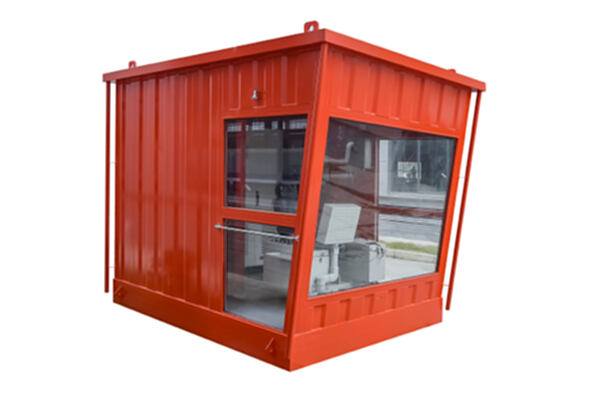
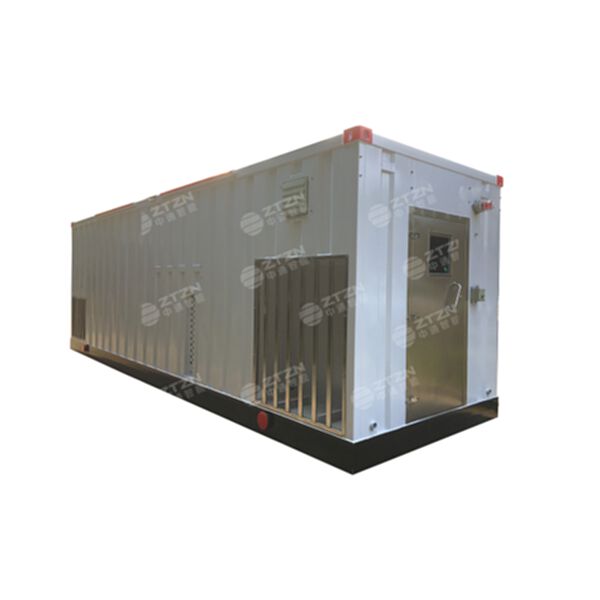
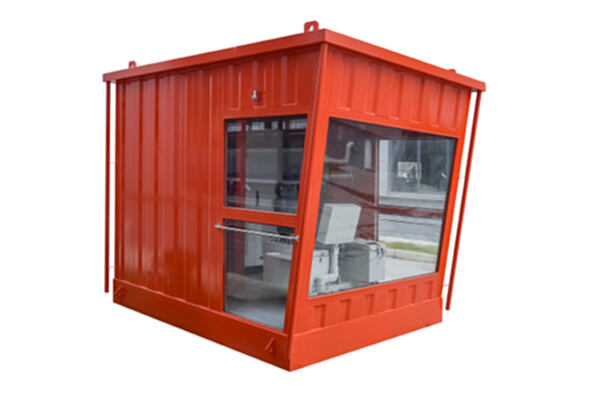
Positive-pressure ventilation explosion-proof analysis booths. Used in refining, chemical industry, metallurgy, and light industry production, providing on-site safe installation space and protection for various on-line process gas analyzers and on-line water quality analyzers.
Explosion-proof boothMechanical structure and material requirements
Frame, base, and roof
The frame, base, and roof of the analysis cabin are made of metal components, welded from shaped steel, which should possess sufficient strength and rigidity to ensure that the cabin remains deformation-free during loading, lifting, shifting, and transportation.
The main frame of the base should be made of 12# to 20# channel steel, with two 10# to 12# channel steel or I-beams used as support beams beneath the floor joists. The main frame, floor joists, and support beams should all be welded together to ensure that the floor does not tremble when maintenance personnel are moving indoors.
Roof edges and main beams should be made of 10# to 12# channels, with 8# to 10# channels used as supports for the main beams and roof joists in the width direction. They should all be welded together to prevent warping and deformation. The roof should have a certain slope, with a minimum pitch of 4%, and can be in an A-frame or one-slope structure; flat roofs are not allowed to prevent water accumulation.
Interior and exterior walls, as well as interior and exterior ceiling panels
Exterior wall panels should be made from 1.5mm to 2.0mm steel plates. A Π-type panel assembly structure can be used to form the exterior wall. If the welding process can be guaranteed, a ribbed galvanized steel plate welding structure can also be employed for the exterior wall. For Π-type panel assembly structures, stainless steel plates (304SS, recommend using brushed stainless steel film panels) are preferred. Galvanized steel plates can also be used, but in this case, surface spraying treatment is mandatory, with white or international gray as the spray color.
Interior wall panels and ceilings should be made of 1.5mm to 2.0mm steel plates. The materials for the two-man electrical cabin use galvanized steel or cold-rolled steel plates, and stainless steel plates can be used upon customer request. When using galvanized steel or cold-rolled plates, surface painting treatment is required. The paint color: ceiling - white glossy; interior wall panels - white matte.
Roof panels must be equipped with an effective waterproof design, which can be either a snap-fit modular waterproof design or a flat welding waterproof design. Made from 1.5mm to 2.0mm stainless steel plate, the material ensures long-lasting corrosion resistance for the roof surface, with an external load-bearing capacity of ≥250kg/m2 (the weight of two people) without deformation.
Insulation layer
Insulation materials with flame retardant properties, such as mineral wool, are filled between the interior and exterior walls and ceilings. The thickness of the insulation layer is generally 70 to 75mm (3in), but should be increased to 80 to 85mm in extremely cold or hot climates.
Flooring
The flooring should be anti-slip metal plate, preferably made from 4-6mm steel plate. The material can be patterned stainless steel plate, patterned galvanized steel plate, or hot-rolled steel plate, as per customer requirements. When using galvanized steel plate or hot-rolled plate, surface coating treatment is mandatory, typically in gray. An anti-static plastic plate can be added if necessary.
Avoid dead corners and grooves inside the cabin where gases might accumulate. Appropriate manual or automatic exhaust holes should be provided at both high and low points of the cabin to prevent gas buildup. The sample pretreatment unit, gas cylinders, standard gas bottles, and laboratory manual sampling points should be located outside the cabin.
Explosion-proof booth power distribution
The lighting, ventilation fans, air conditioners, and repair outlets in the analysis cabin are powered by industrial power. The analyzer system, installation detection alarms, and interlock systems are powered by UPS power.
Explosion-proof booth safety detection and alarm system
Combustible gas detectors featuring an integrated detection probe and signal transmitter, with a local display indicator and contact signal output.
Toxic Gas Detector — A toxic gas detector alarm must be installed when the sample or surrounding environment contains toxic components, and it should meet the same requirements as the flammable gas detector alarm.
Micro pressure transmitter: The analysis cabin is equipped with a varying number of micro pressure transmitters based on the internal volume to detect the positive pressure inside the cabin. The principle of the signal provided by the micro pressure transmitter to the PLC controller is 3 out of 2, meaning that the PLC controls the power cut-off of non-explosion-proof electrical equipment inside the analysis cabin through pressure signals. The PLC must issue a command to cut off the power of non-explosion-proof electrical equipment inside the cabin only when more than two of the three micro pressure transmitters simultaneously indicate a pressure below the safe value.
Acoustic and visual alarm devices, including siren and rotating strobe lights, mounted outside the cabin.
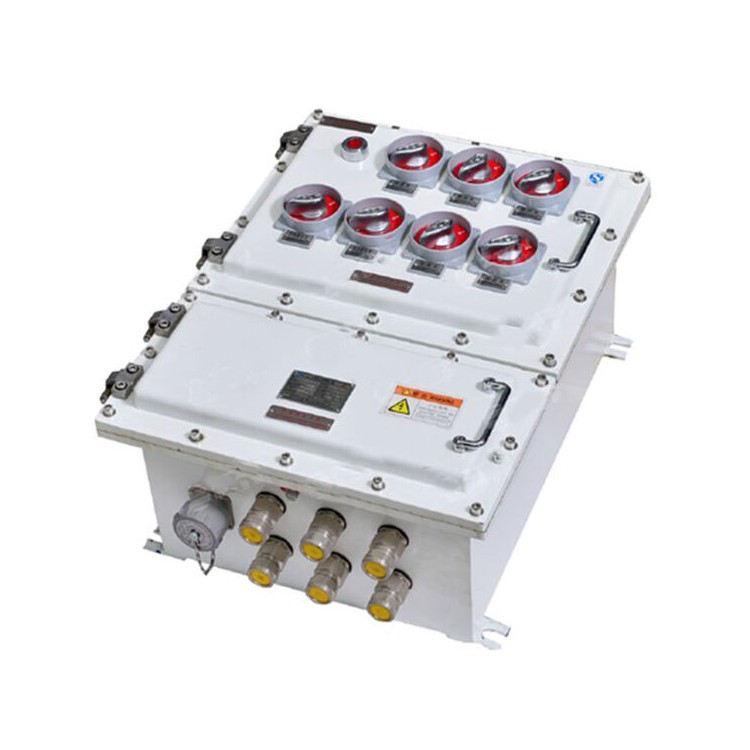
Explosion-proof alarm control box, internally equipped with a small programmable logic controller (PLC or processor), featuring various indicator lights and buttons on the panel. Its function is to control the safety detection alarm system, enabling on-site alarms (both inside and outside the cabin), control room alarms, and interlock functions (such as starting fans and opening instrument air for exhaust ventilation).