










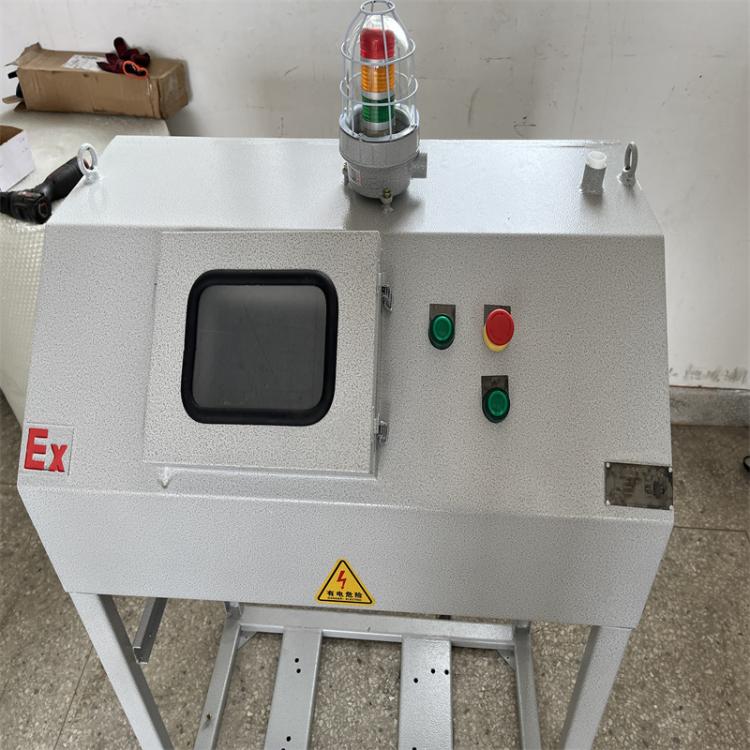
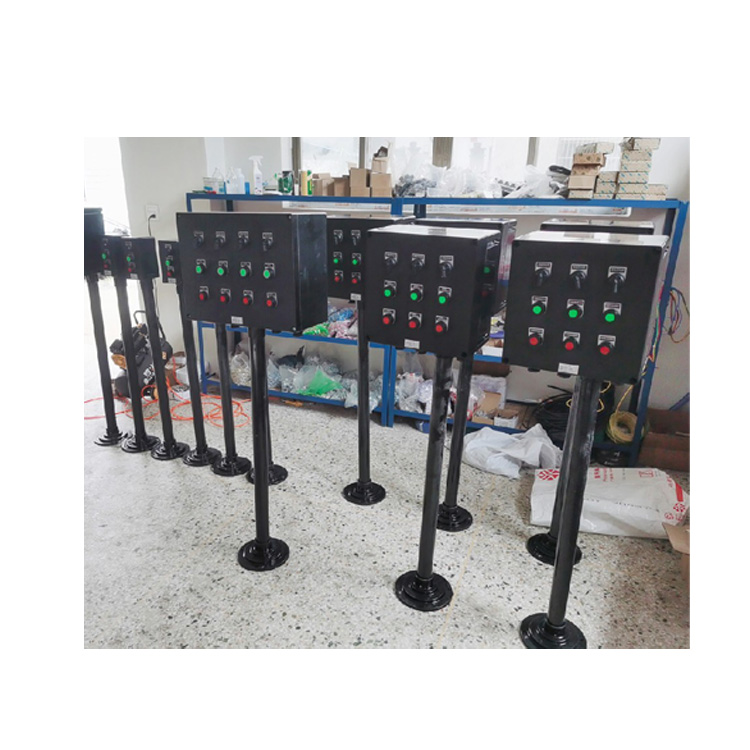

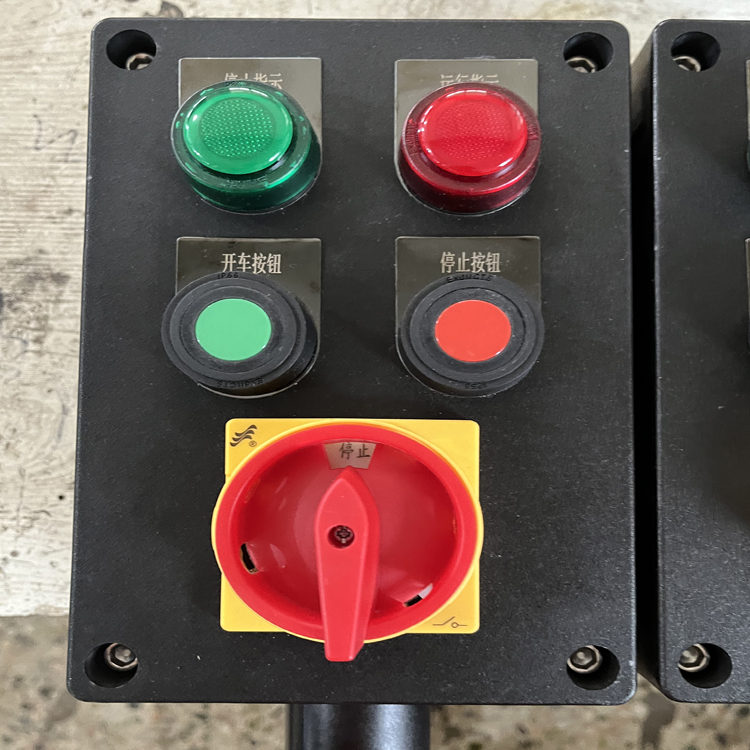
An explosion-proof junction box is an electrical device used in hazardous areas, designed to prevent explosions caused by electric sparks or high temperatures. It is commonly used in the oil, chemical, aerospace, and other fields, effectively preventing arcs, sparks, or high temperatures generated by internal circuits from causing fires or explosions, thereby ensuring the safety of personnel and equipment.
Explosion-proof junction boxes typically feature high-strength metal materials such as aluminum alloy die-casting and stainless steel welding, with the casing often made of shock-resistant glass fiber reinforced polyester. These materials offer excellent explosion-proof, anti-static, and corrosion-resistant properties. The explosion-proof design can withstand internal explosion pressures, preventing the spread of flames to the outside. The sealed design ensures waterproof and dustproof protection, preventing external dust and moisture from entering the interior, safeguarding electrical equipment from contamination and damage. Additionally, explosion-proof junction boxes come with a modular structure, allowing for customizable terminal numbers, incoming/outgoing line orientation, and quantity to meet various requirements.
Explosion-proof junction boxes are widely used in flammable and explosive environments such as oil, chemical, mining, and shipbuilding. In these settings, standard electrical equipment can easily generate sparks during operation, potentially leading to fires or explosions. Explosion-proof junction boxes effectively prevent electrical equipment from causing explosion accidents in flammable and explosive environments, ensuring safe production.
Explosion-proof junction boxes feature multiple performance characteristics, including superior explosion-proof properties, a safe and reliable design, dust and waterproof features, and a compact structure. They effectively utilize space, save costs, and facilitate installation and maintenance. Moreover, explosion-proof junction boxes also have protection functions against short-circuit, overload, and leakage, ensuring the normal operation of electrical equipment.