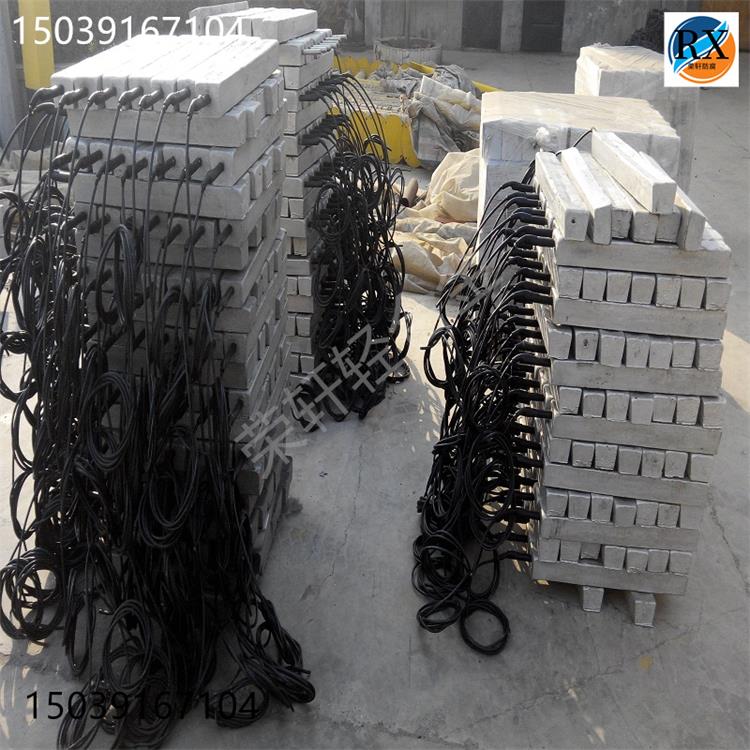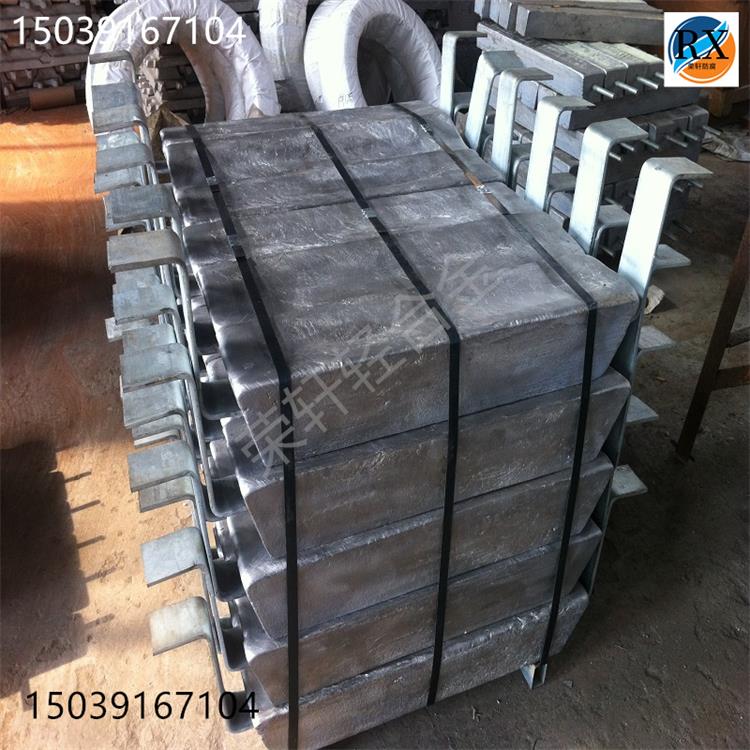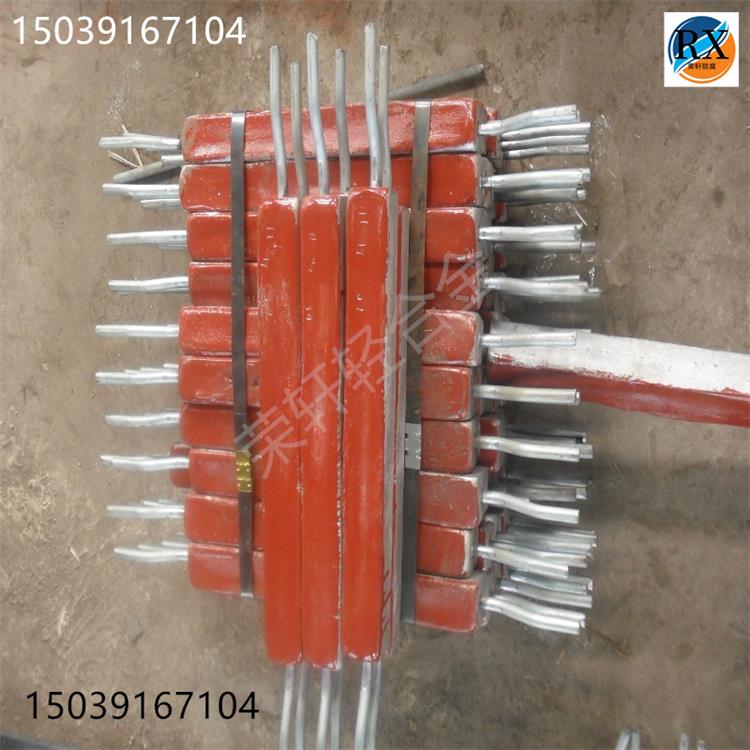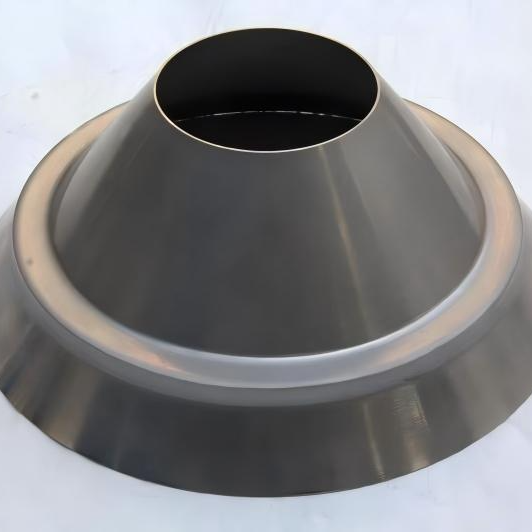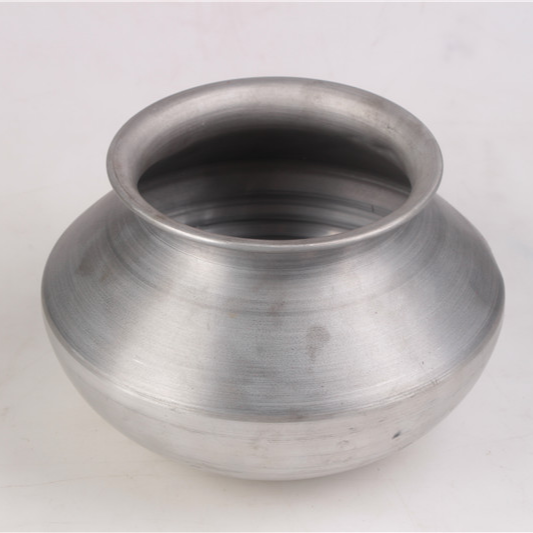








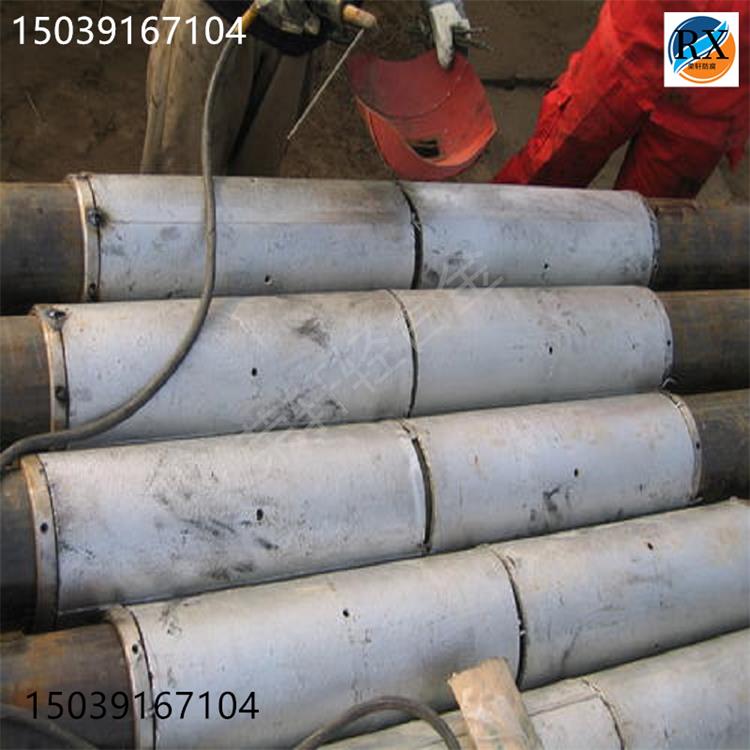
Our magnesium alloy products are manufactured using high-quality raw materials, featuring a negative anode potential and a high electrical charge per unit mass, making them ideal as sacrificial anode materials. They are suitable for cathodic protection of metallic structures in various media such as soil, freshwater, and seawater, including oil and gas pipelines, storage tanks, hot water exchangers, condensers, and more. The magnesium alloy sacrificial anodes are produced in accordance with the national standard GB/T17731-2004 "Magnesium Alloy Sacrificial Anodes" and are used as anodes for pipelines that also comply with the SY/T0019-97 "Design Code for Cathodic Protection of Buried Steel Pipe Sacrificial Anodes." This product has the following characteristics: (1) low density, more negative potential; (2) high driving voltage for iron, low current efficiency; (3) particularly suitable for high resistivity media. (For resistivity greater than 100 Ω·m, it is recommended to use strip magnesium anodes.) Usage precautions: Avoid impact with steel structures. When used in soil, they should be buried in low-lying, moist areas. When used in soil, the anode must be placed in a packaging material bag before burial. During installation, the distance between the pipeline and the anode, as well as between anodes, should be greater than or equal to three meters, with a minimum distance not less than 0.3 meters. In dry soil areas, after placing the anode in the pit, the filling material should be thoroughly soaked with water before backfilling to ensure the anode conducts electricity adequately.