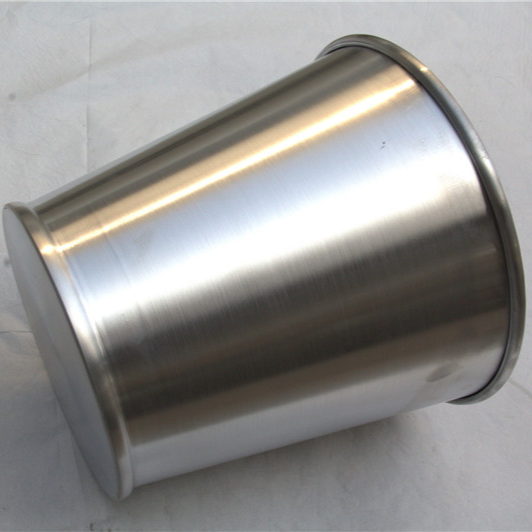



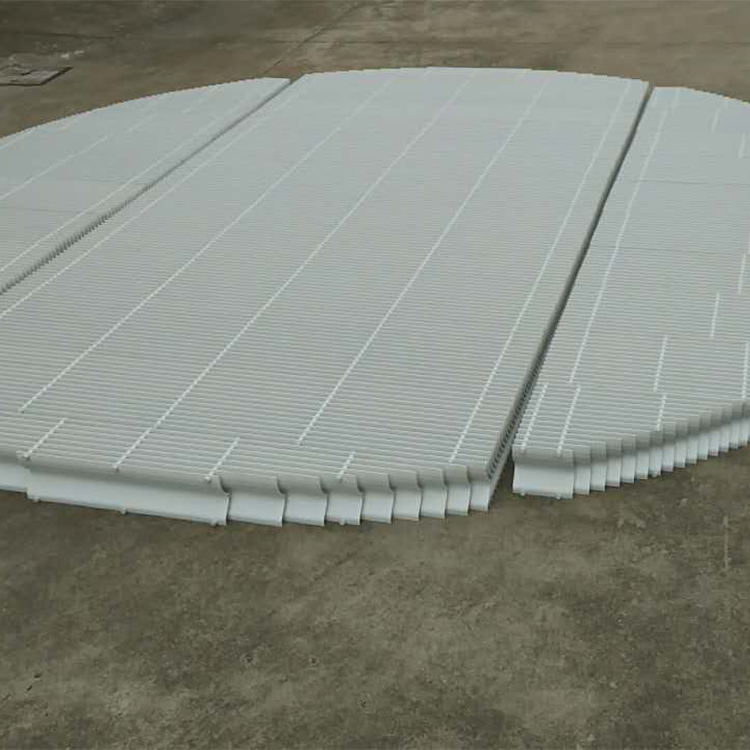
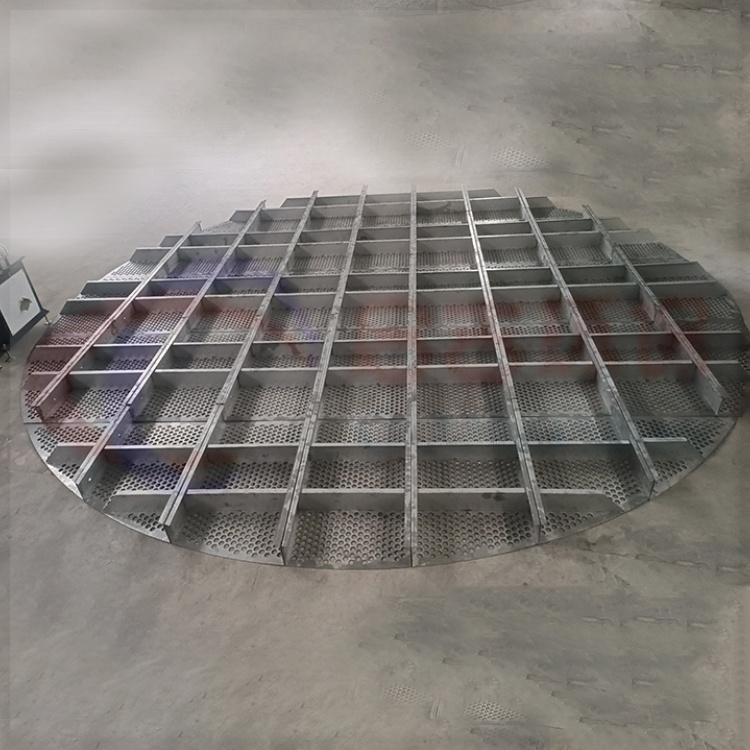



Deep well anodes are typically made of silicon iron anodes or tubular anodes of mixed metal oxides. After the anodes are laid, the anode trench is filled with metallurgical coke or calcined petroleum coke. Generally, they are buried below 15 to 20 meters and placed vertically. Main applications: Suitable for cathodic protection of underground metallic structures in areas with high surface soil resistivity, such as large long-distance pipelines, urban networks, hydropower projects. It is one of the main technologies for long-distance pipelines, urban networks, and regional protection. Structural features: The deep well anode system consists of deep well anode bodies, deep well anodes, internal gas guide devices, fillers, cables, and well protection devices. Deep well anodes can be made of precious metal oxide anodes or high-quality high-silicon cast iron anodes according to requirements. The precious metal oxide anode is a new type of anode with a titanium base coated with iridium, platinum, and other precious metal oxides. Advantages: There is a certain distance between the deep well anode and the protected facility, which allows for more even distribution of cathodic protection current; it also reduces corrosion interference with other buried metal facilities around. It has the advantages of long service life, easy installation, and low grounding resistance. Specifications (mm): Φ273*6000; Φ219*6000? (Note: Includes 3 titanium tubes Φ25*1000mm)