

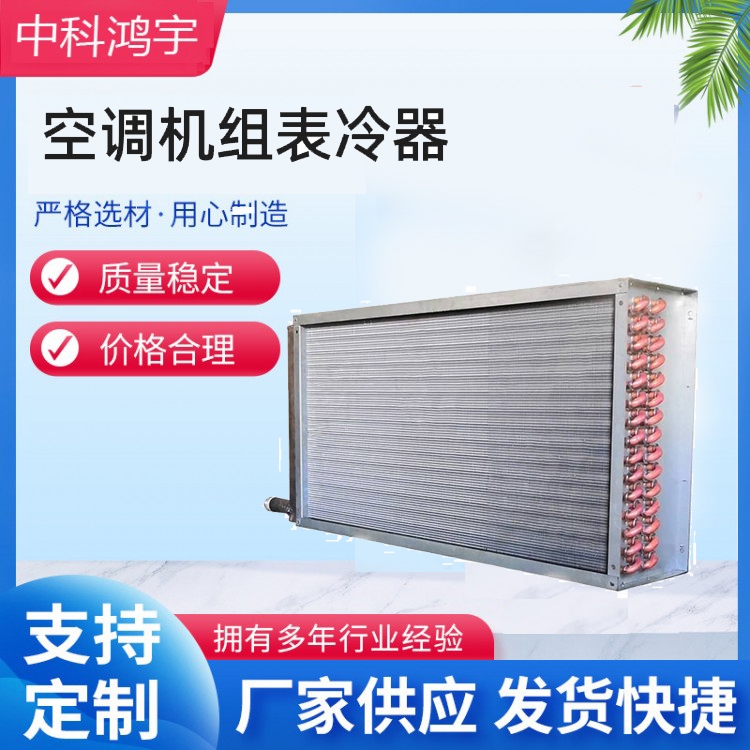
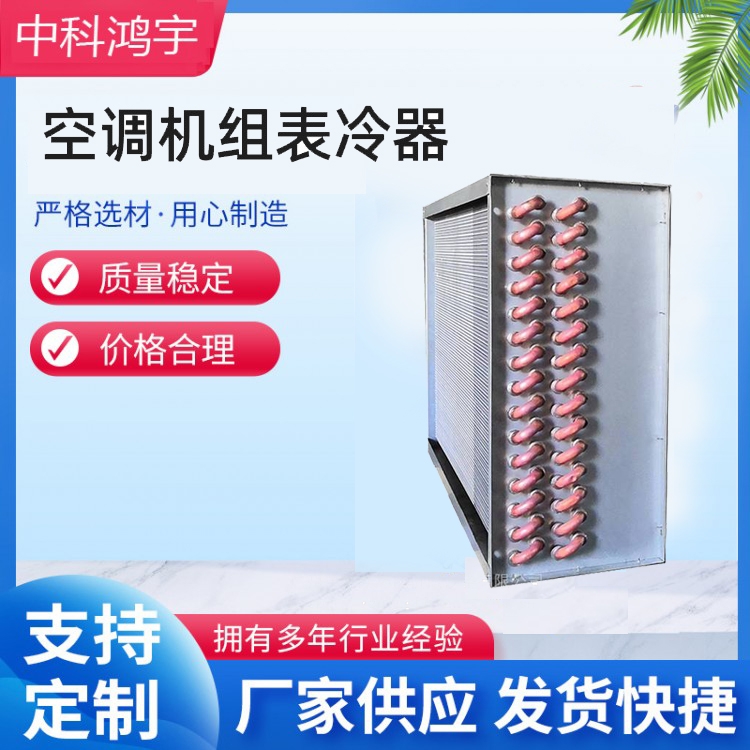








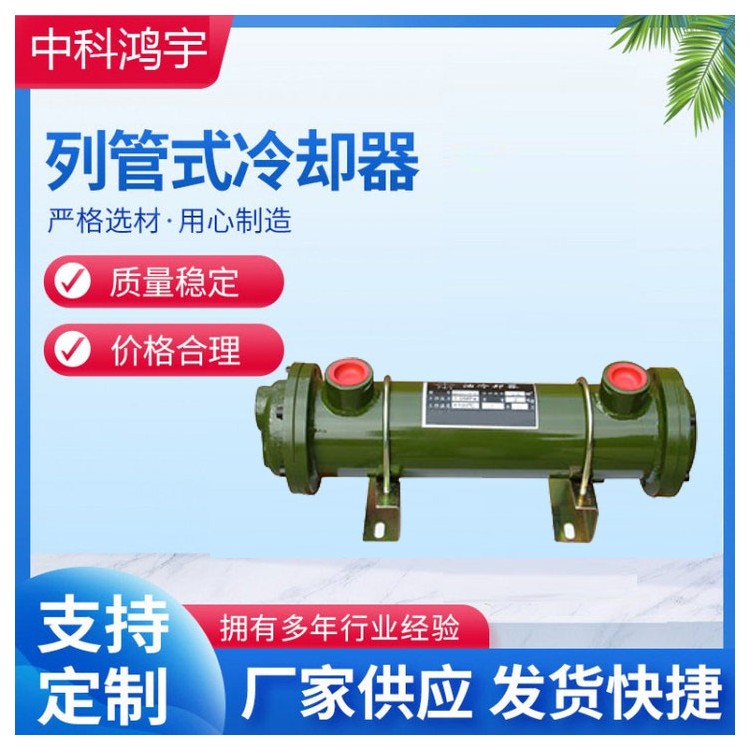
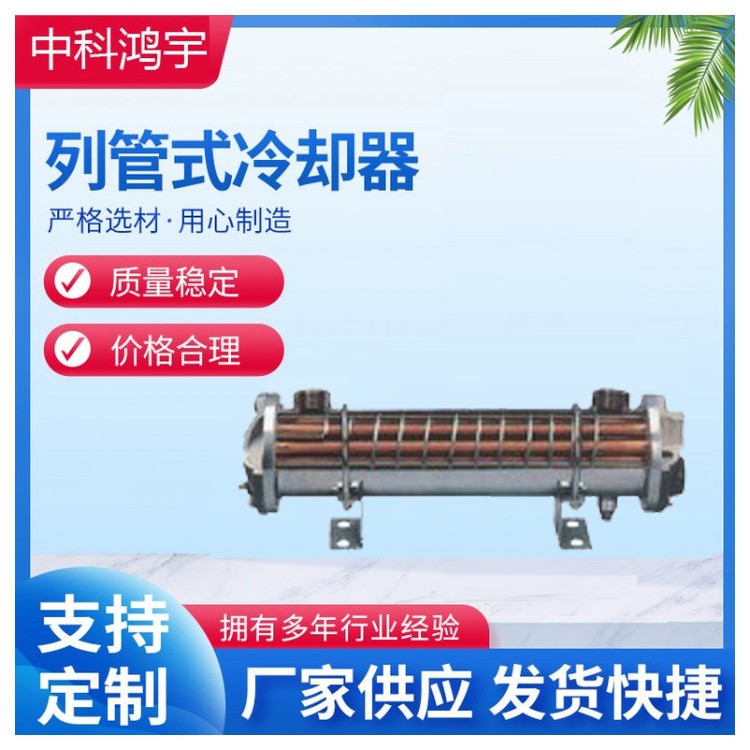
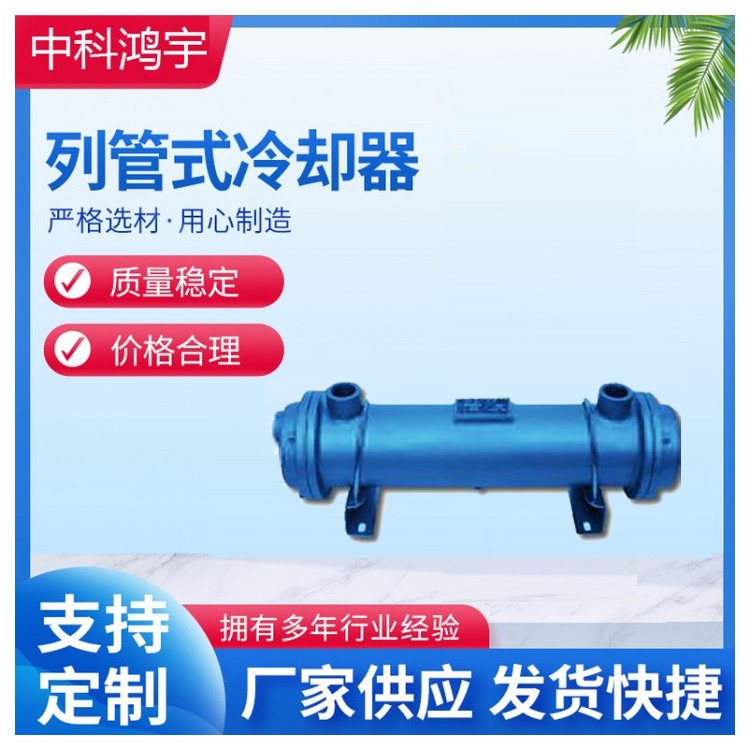
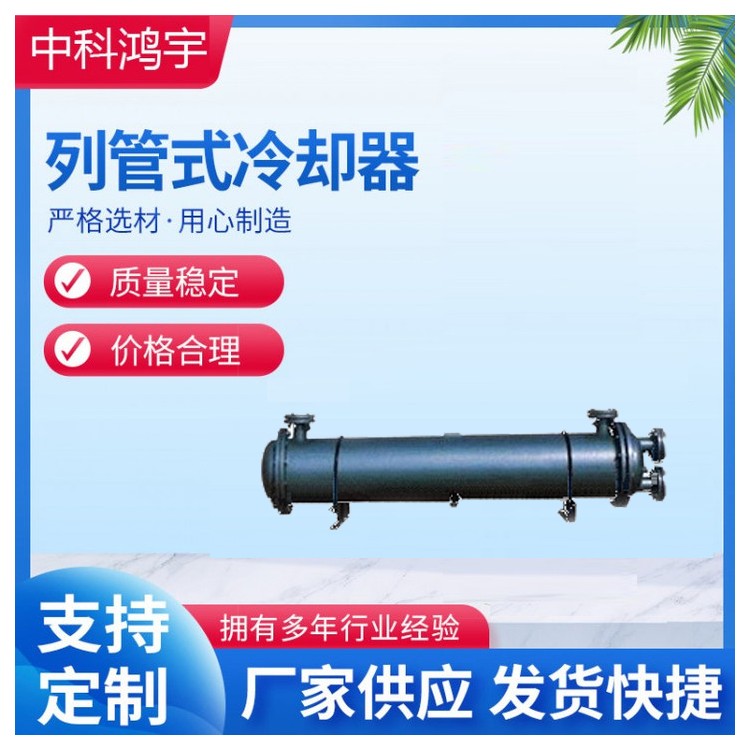

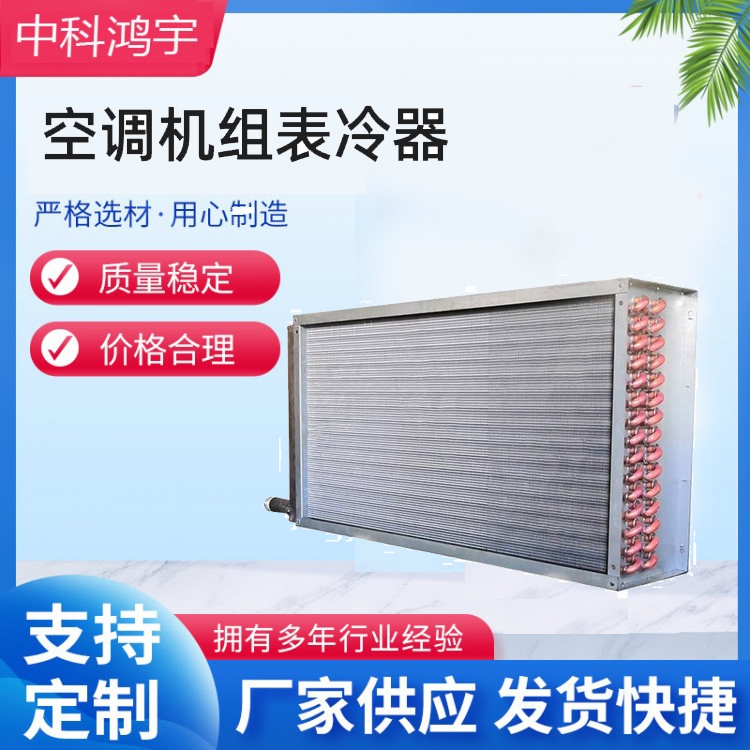
Features
The heat and moisture exchange in the condenser occurs between the temperature difference of the main air and the boundary layer air tightly adhering to the exterior surface of the heat exchanger.Vapor PressureThe operation is conducted under differential conditions. It can achieve two air treatment processes: a dehumidification cooling process, also known as a wet cooling process (wet condition), occurs when the air temperature in the boundary layer is below the dew point temperature of the main air; an isothermal cooling process (dry condition) takes place when the air temperature in the boundary layer is lower than that of the main air but still above its dew point temperature.
During the dehumidification cooling process, there is not only a temperature difference but also a vapor pressure difference between the boundary layer air and the bulk air. Therefore, not only sensible heat exchange occurs on the heat exchanger surface, but also latent heat exchange associated with moisture transfer. Consequently, the surface cooler under humid conditions has a greater heat exchange capacity than under dry conditions. In other words, for the same surface cooler, when the dry bulb temperature of the treated air and the water temperature remain constant, the higher the wet bulb temperature of the air, the greater the cooling and dehumidifying capacity of the surface cooler.
Thermo-mechanical Calculation
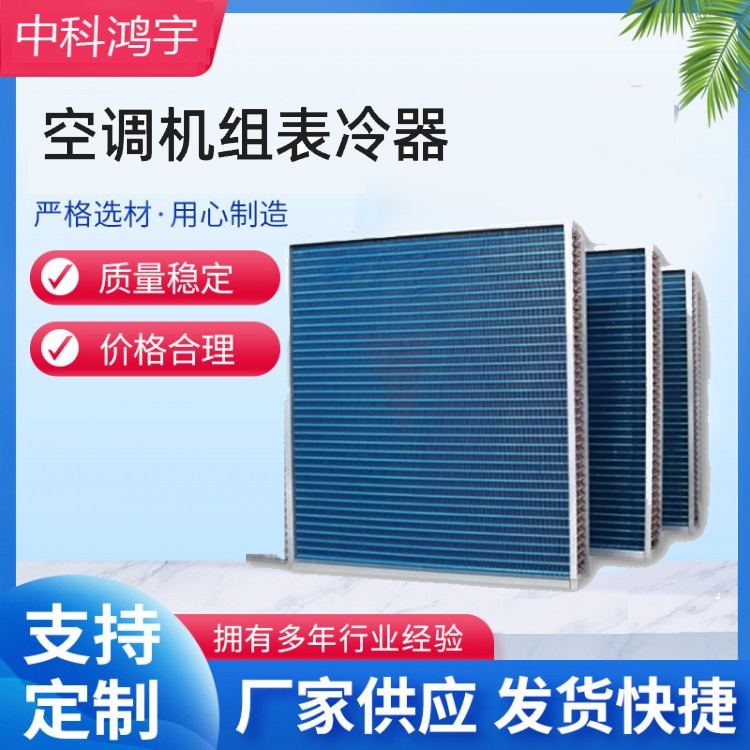
The air cooler is primarily used for air cooling and dehumidification, resulting in changes to the air's temperature and humidity levels.
1. Heat exchanger efficiency of the condenser
Full-heat exchanger efficiencyIn the formula:Dry Bulb Temperature of Air Before and After Treatment, °C;Cold Water Temperature, °C.
(2) General Heat Exchange Efficiencyt3Desired air temperature after processing, in degrees Celsius.
2. Heat Exchanger Thermal Calculation Type
There are two types: one is design-oriented, commonly used to select a standard air cooler to meet known initial and final air parameters.
Process requirements; another is a verification type, commonly used to check how a certain type of air cooler can process air with certain air parameters to reach specific final parameters.
3. Heat Exchanger Thermodynamic Calculation Method
The Dry Bulb Temperature Efficiency Method — For a specific model of evaporative cooler, the thermodynamic calculation principles should meet the following conditions:
(1) Air Treatment Process Required EgShould equal the E that the cooler can achieveg;
(2) The required E for the air treatment process should equal the E that the cooling coil can achieve.
(3) The heat released by the air should equal the heat absorbed by the cold water.
4. Consideration of safety factor in the thermal calculation of condenser refrigeration
After prolonged use, the heat exchanger's thermal conductivity may decrease due to reasons such as accumulated dust on the outer surface and scaling on the inner surface. To ensure the continued safe and reliable operation of the heat exchanger under such conditions, a certain safety factor should be considered in the calculation. This can be achieved by increasing the heat exchange area, such as by adding rows or increasing the windward area. However, due to product specifications, this method often fails to achieve an ideal safety factor or complicates the selection and calculation process. Therefore, in engineering, it can be considered that:
(1) At the outset of selection calculation, the obtained EgMultiply by safety factor a. For coolers used solely for cooling, take a = 0.94; for those used for both cooling and heating, take a = 0.9.
(2) No safety factor is considered in the calculation process. After selecting the evaporator specifications, the calculated initial water temperature is further reduced. The reduction in initial water temperature can be considered as 10% to 20% of the water temperature rise.
Cautionary Notes
(1) When the air conditioner is not in use during winter, the remaining water in the pipes should be drained to prevent freezing due to low winter temperatures, which could crack the steel pipes.
(2) The water in the condenser should be free of impurities such as sand.
(3) Ensure adequate insulation during winter to minimize heat loss or prevent pipe icing.