

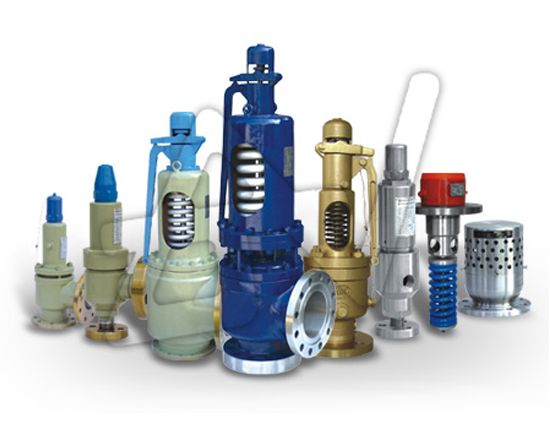














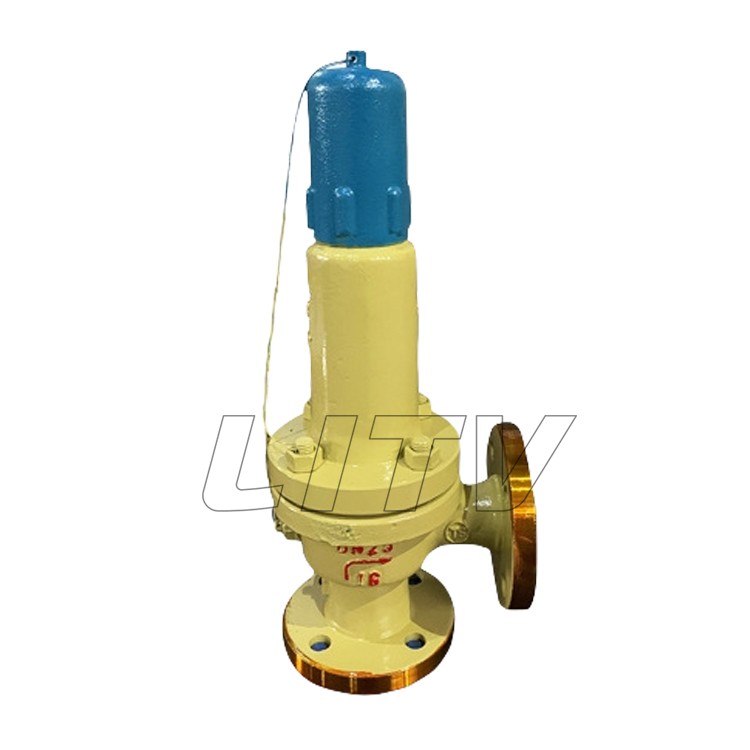
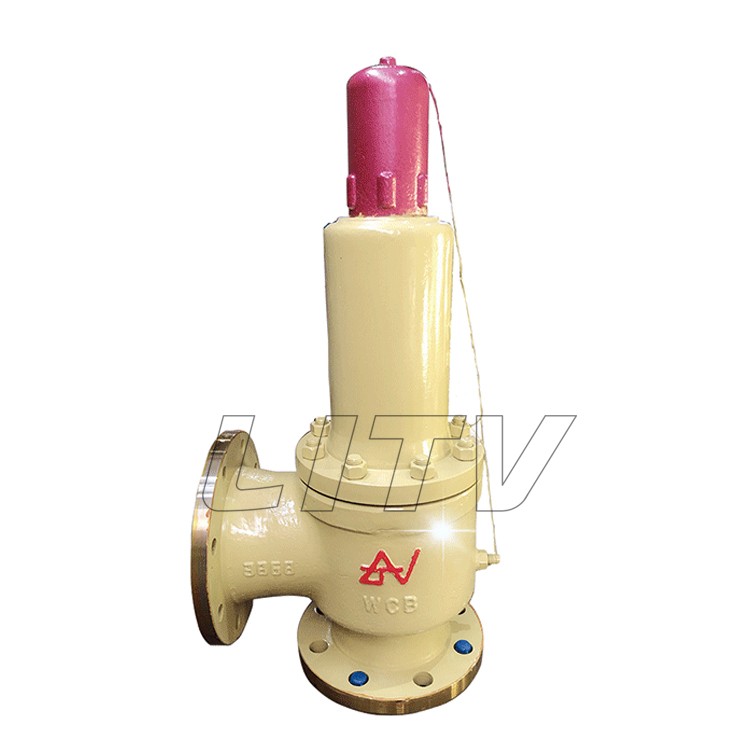
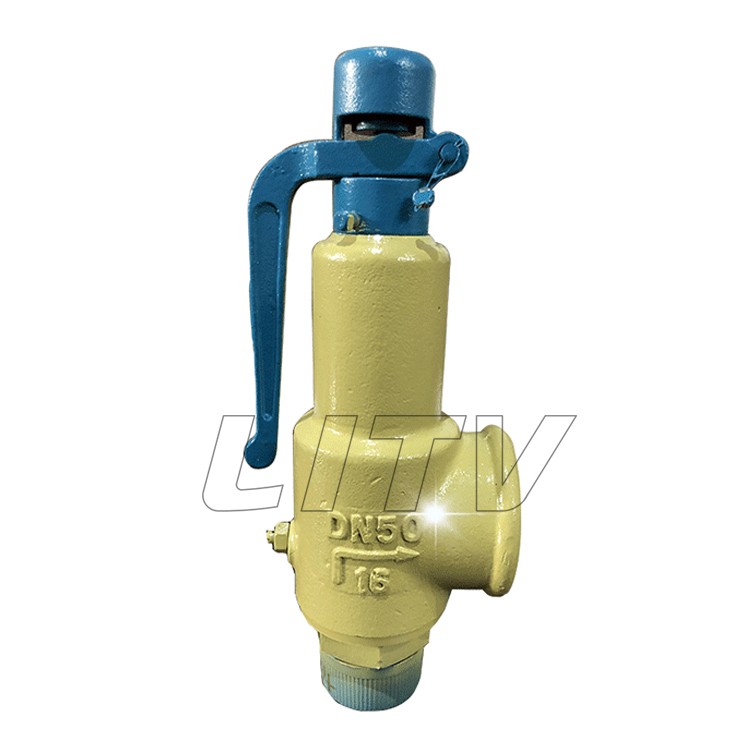


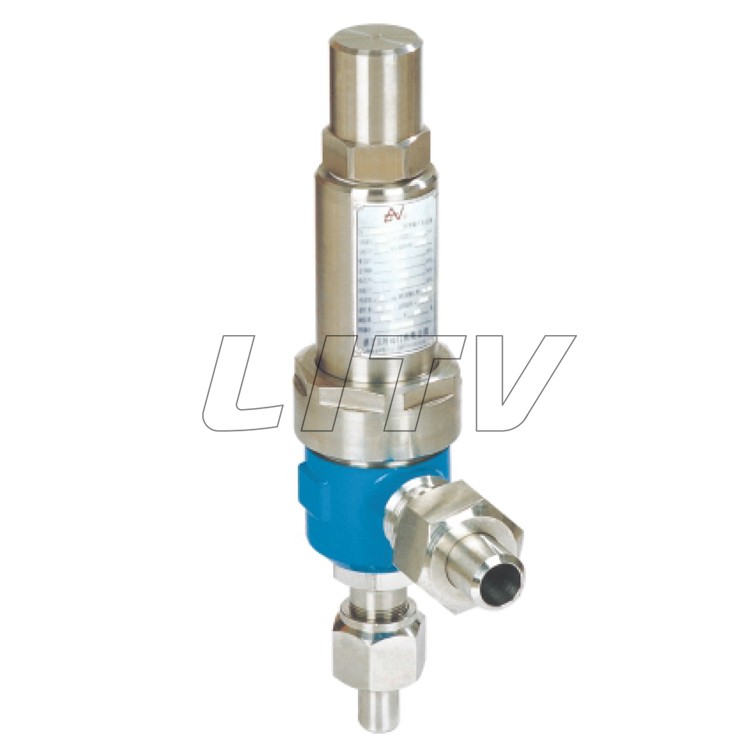
Pulse-type Safety Valve Introduction:
Pulse-type safety valves are primarily used in power plant boilers, pressure vessels, and temperature-reducing and pressure-reducing devices to prevent pressure from exceeding the allowable pressure limit, ensuring the safe operation of the equipment.
Pulse-type safety valve structure overview:
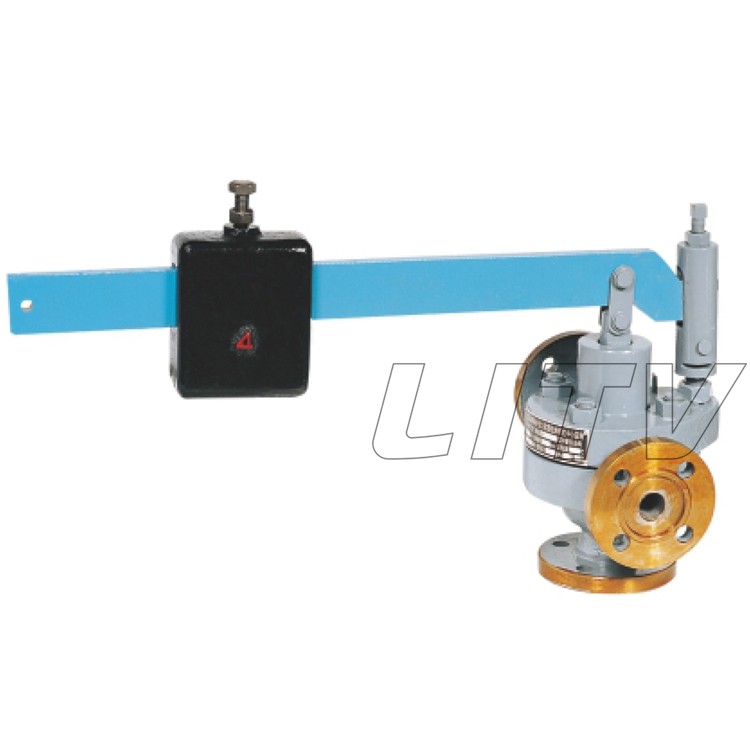
1. Balance the pressure of the valve disc using levers and heavy hammers to ensure sealing of the valve. Adjust the position of the heavy hammer and change its weight to achieve the required lift-off pressure.
2. The sealing surface is made of iron-based chrome-nickel stainless steel surfacing, with the valve disc heat-treated for enhanced wear and erosion resistance.
3. The valve top features an electromagnetic actuator for opening and closing, ensuring mechanical and electrical movements do not interfere with each other.
Pulse Type Safety Valve Installation Instructions:
1. This valve should be used in conjunction with the A69Y-PW5410V type, DN150 main safety valve.
2. The pulse safety valve should be installed strictly vertically, the lever should be kept level, and the pipeline should be flushed clean.
3. The distance between the exhaust pipe of the pulse safety valve and the inlet pipe of the main safety valve should be kept relatively long. The distance between the electrical contact pressure gauge and the inlet pipe of the main safety valve should not be less than 5 times the diameter of the main safety valve inlet pipe to prevent the main safety valve from affecting the accuracy of the electrical contact pressure gauge and the pulse safety valve during operation.
4. The valve is mounted on a dedicated bracket along with the solenoid. The lever on the valve must be connected to the solenoid with ease, without any binding or resistance.



















