

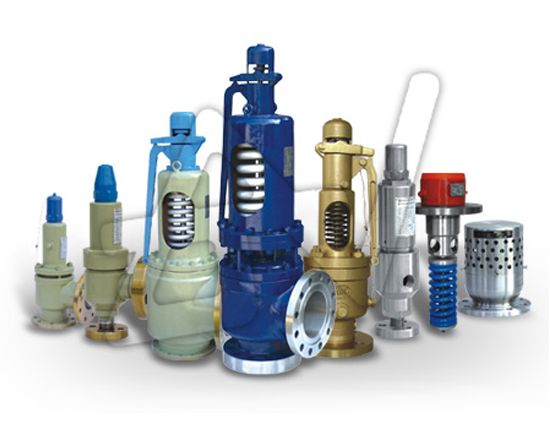

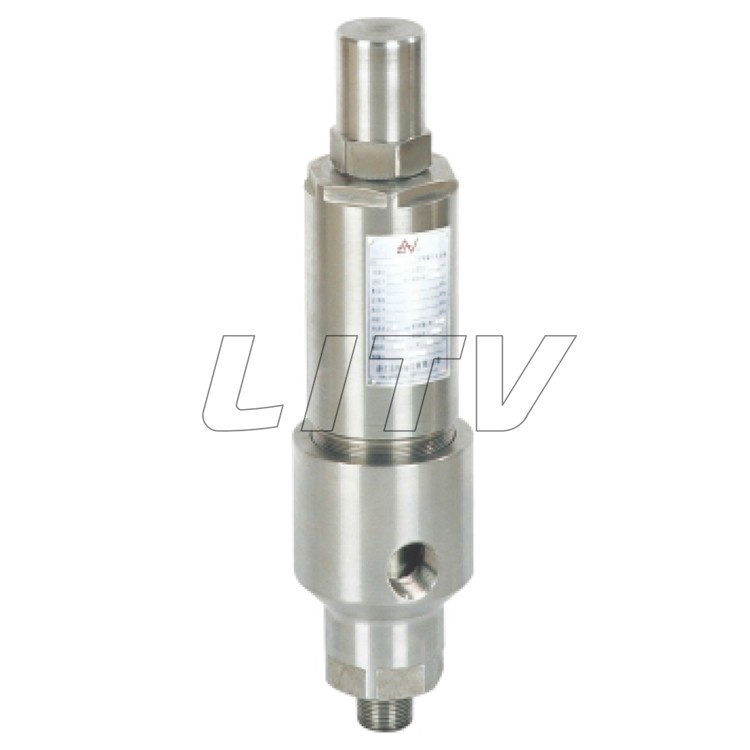













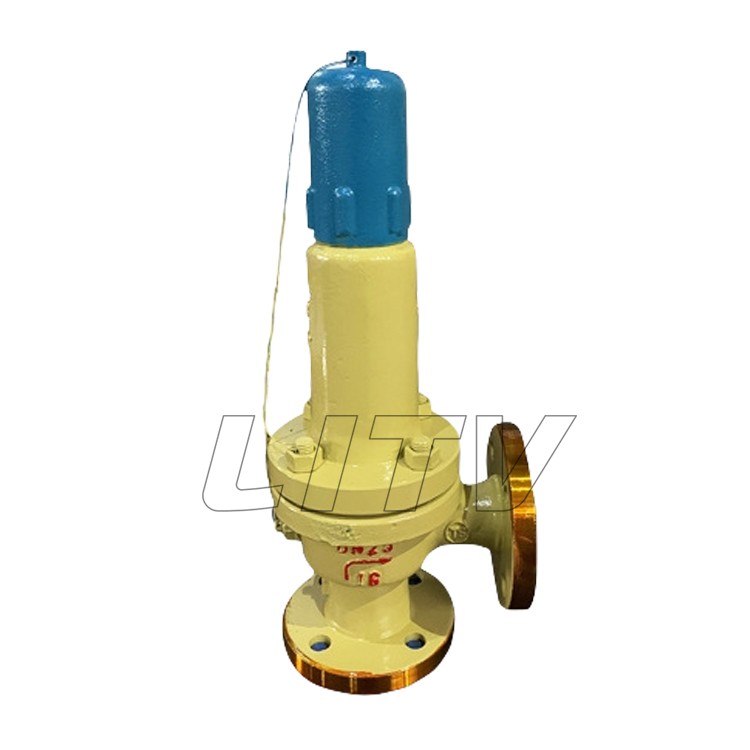
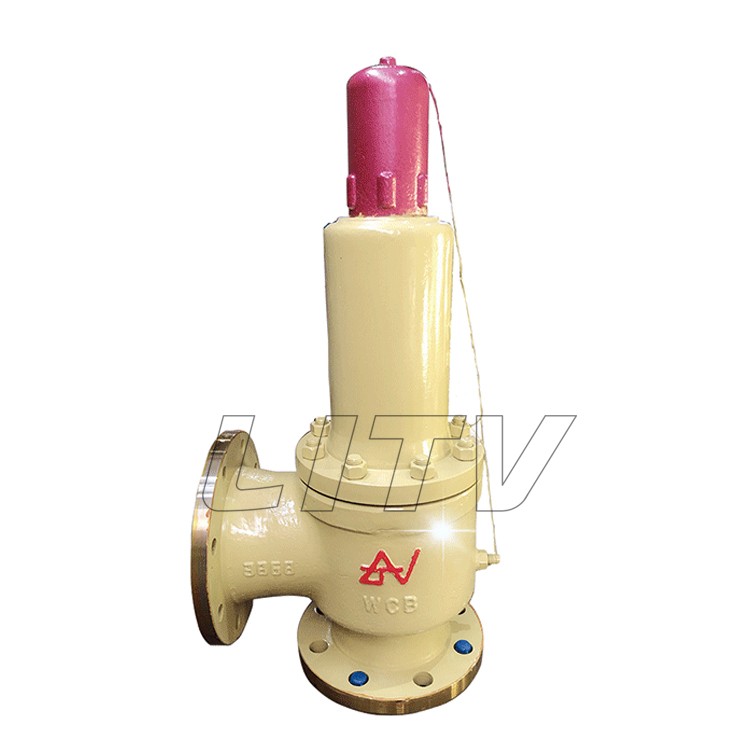


Introduction to Safety Relief Valves:
Safety valves, also known as overflow valves, are crucial for ensuring the safety of pressure pipelines and vessels. To guarantee the proper functioning and prolong the lifespan of safety valves, it is essential to regularly inspect for leaks, blockages, and spring rust during operation. Pay attention to the lock nuts of the adjusting sleeve and adjusting ring's set screw for looseness. If any issues are detected, take appropriate maintenance measures promptly. Safety valves should also be periodically removed, cleaned, inspected, re-grinded, and re-set before reuse. Outdoor safety valves require appropriate protective measures to prevent the entry of rain, fog, dust, rust, and other contaminants into the valve and discharge pipeline. When the temperature drops below zero degrees Celsius, necessary anti-freezing measures should be taken to ensure the reliability of the safety valve's operation.
Safety relief valve classifications:
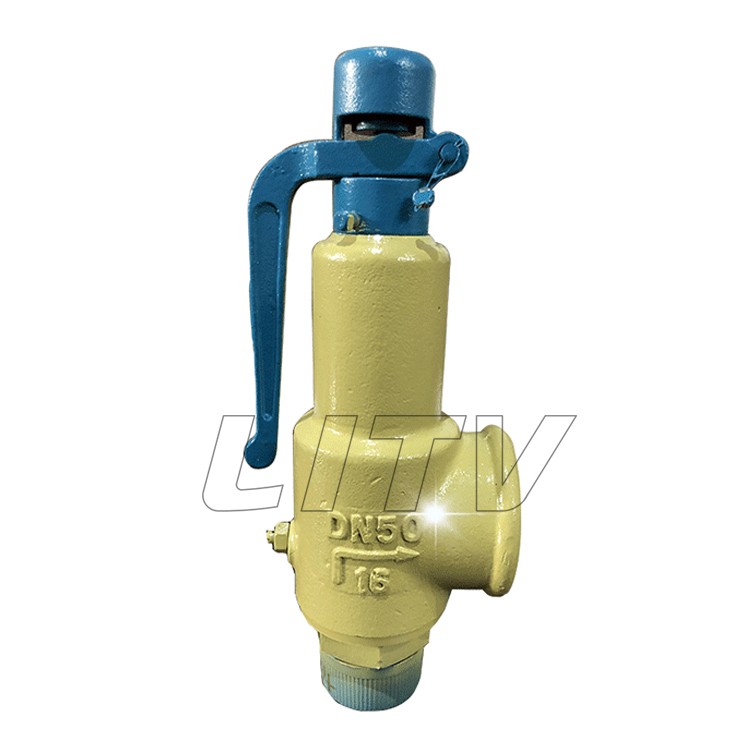
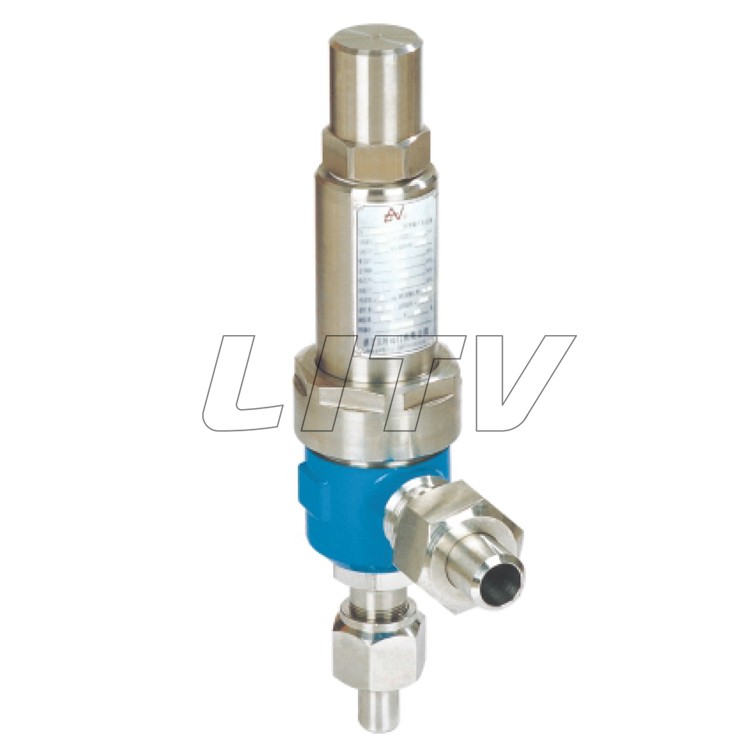
Safety relief valves are primarily categorized into spring-loaded and rod-type. Additionally, there are impulse safety valves, pilot safety valves, safety changeover valves, safety decompression valves, and static weight safety valves, among others. Spring-loaded safety valves mainly operate based on the force exerted by the spring. Among spring-loaded safety valves, there are both enclosed and unenclosed types. Generally, enclosed types should be chosen for flammable, explosive, or toxic media, while unenclosed types like steam or inert gases can be selected. Within spring-loaded safety valves, there are those with and without handles. The handle's primary function is to check the valve disc's flexibility and can also be used for manual emergency depressurization. Lever-type safety valves primarily operate based on the force exerted by the lever weight. However, due to their large size, lever-type safety valves often limit the selection range. Safety valves with radiators should be chosen when the temperature is high.
The primary parameter of the safety overflow valve is its displacement, which is determined by the valve seat diameter and the lift height of the valve disc. Depending on the lift height, there are two types: micro-lift and full-lift. Micro-lift refers to a lift height of the valve disc being 1/40 to 1/20 of the valve seat throat diameter. Full-lift refers to a lift height of the valve disc being 1/4 of the valve seat throat diameter.



















