












Product Category: Test Load Series
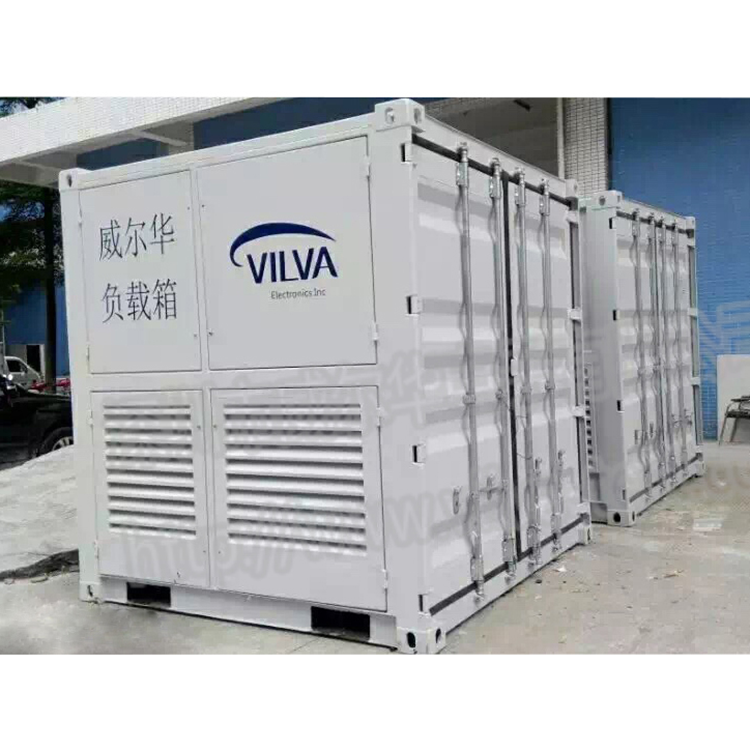
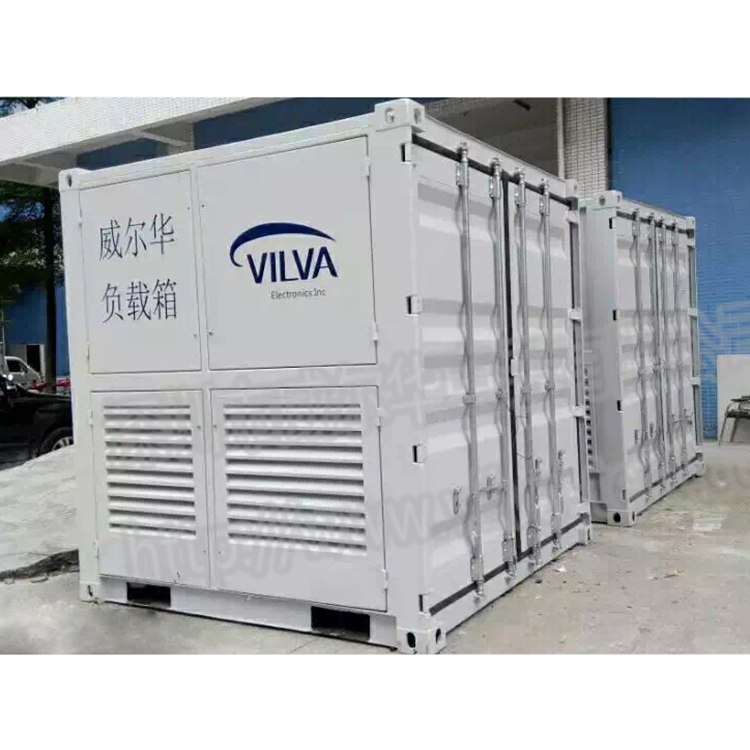
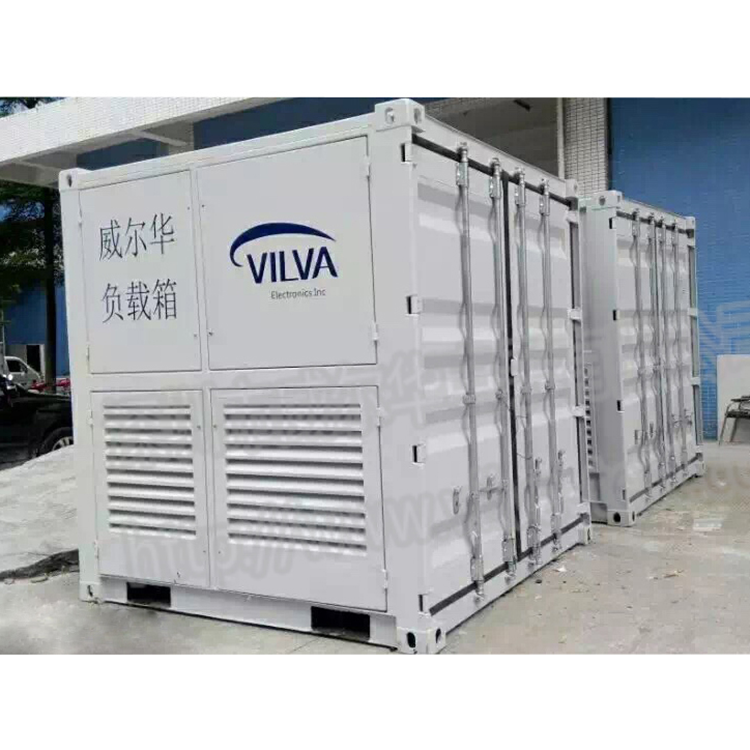
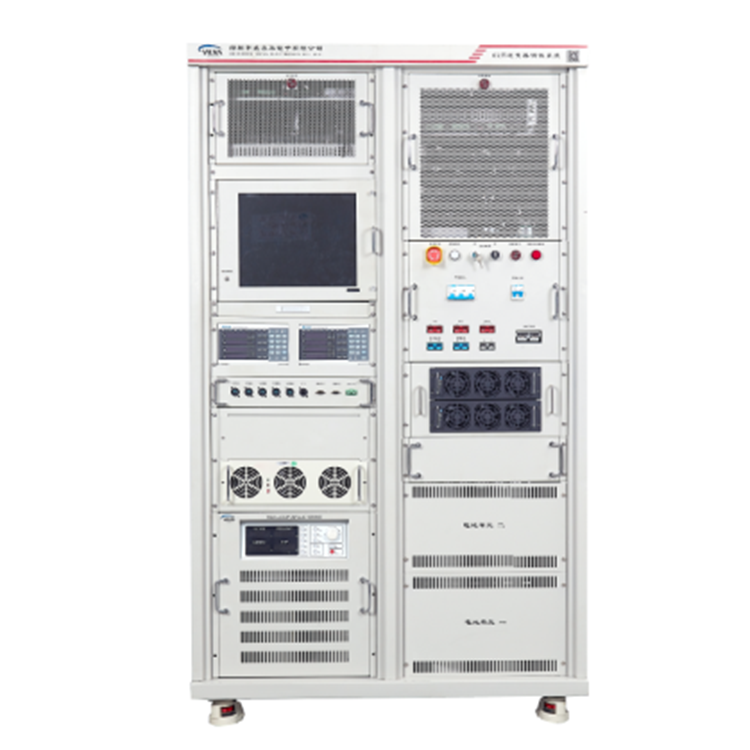
Product Code: VILVA-AC400V-1200KW High Power Load
Summary: High-power load box, power up to 1KW-2600KW, mainly used for AC power detection in power stations.
I. Main Functions and Technical Specifications


Section 2: Load Design Adopted Standard■ Steel Hull Ship Classification and Construction Regulations 2009, Volume 4, Chapter 2, Section 14: AC High Voltage Electrical Equipment
■ GB/T 13032 General Technical Conditions for Marine Diesel Generator Sets
■ GB/T 11022 Common Technical Requirements for High-Voltage Switchgear and Control Equipment
■ GJB 202A General Specification for Distribution Units and Control Units for Ships
■ GB/T 3181 Paint Film Color Standard Sample
Reversible Internal Combustion Engine-Driven Alternating Current Generating Set - GB/T 2820.8
GB/T 2820.5 "Reversing Internal Combustion Engine-Driven Alternating Current Generating Sets - Part 5: Generating Sets"
GJB 235A General Specifications for AC Mobile Power Stations
GJB 1488 General Test Methods for Internal Combustion Engine Power Stations
■ JB/T 10303 "Technical Conditions for Industrial Frequency Diesel Generator Sets"
GB 14711 - Safety Requirements for Small and Medium-sized Rotating Electric Machines
IEC60298, DL404, GB3906-1991 "3-35 kV AC Metal-Enclosed Switchgear"
Section 3: Control Design
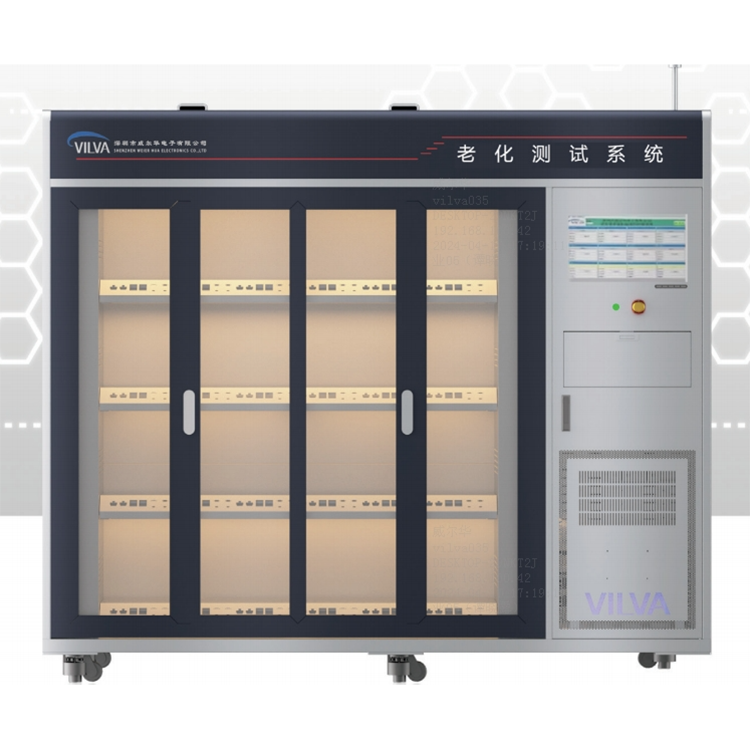
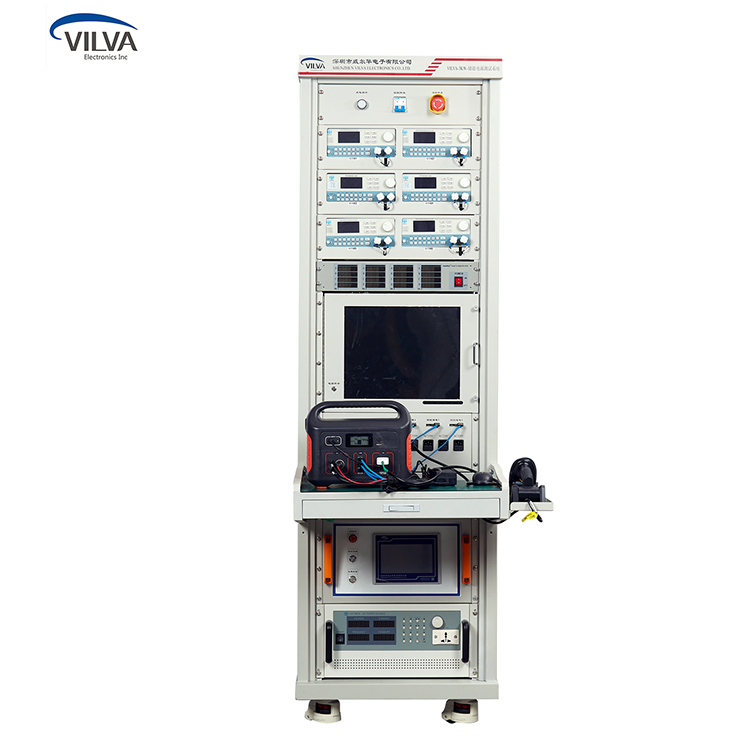
The load box is available in manual and computer remote control versions. After the front door of the load box is opened, there is a manual operation panel. Manual operation is interlocked with computer operation. Operators can manually adjust the power loading on the panel and read real-time data from the test results (voltage, current, active power, reactive power, apparent power, power factor, and power frequency). Computer remote control can be set for manual loading and automatic loading. The computer operation interface provides power buttons (with indicator lights) and displays test data while generating records. The corresponding indicator lights on the manual operation panel will also light up when the computer is operating and a specific gear is loaded.
Section 4: Introduction to Dry-Bonded Alloy Resistance
The resistive load module is composed of several specially alloyed resistors. These alloy resistors, as power consumption components, are manufactured from special alloys, with external fins for heat dissipation, filled with insulating medium in the middle, encapsulating the resistors within, and are capable of meeting load test requirements. They have excellent insulation properties, high heat dissipation performance, uniform thermal conduction, and operating temperatures only 1/3 of the design temperature, with minimal temperature drift, stable resistance values, and no red heat after long-term operation. Additionally, they offer resistance to acids and alkalis, salt spray, rain, humidity, and corrosion, allowing for all-weather use.
The resistive load module employs technology to securely fix alloy resistors on insulating material boards. The entire module is hermetically sealed and features two layers of insulation—internal insulation and an insulating plate. This design ensures insulation and safety even in humid conditions, and prevents short-circuit accidents caused by the decrease in internal resistance of adjacent resistors.
V. Dry-fused alloy resistive structure
(1) For the material selection of dry-fused alloy resistance wire, we use a nickel-chromium alloy (NiCr6023) with high-temperature resistance (operable up to 1260℃), stable electrical properties, and a temperature coefficient of 1*10^-6/℃。
(2) The outer tube of the dry-burn alloy resistor is made of high extensibility and oxidation-resistant 304 (1Cr18Ni9Ti), filled with electrical-grade magnesium oxide powder (Sg-9), and the connecting screws and fixing screw posts are made of corrosion-resistant and high-temperature-resistant stainless steel 304 (0Cr18Ni9).
(3) The heat sinks are made of 304 stainless steel with a height of 7 ± (0.1) mm and a thickness of 0.4 (±0.1) mm.