














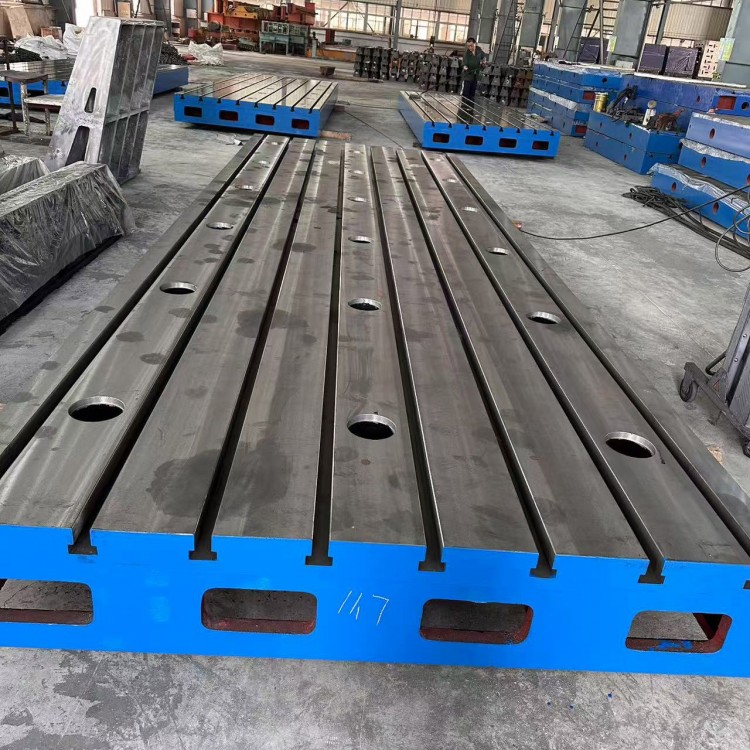
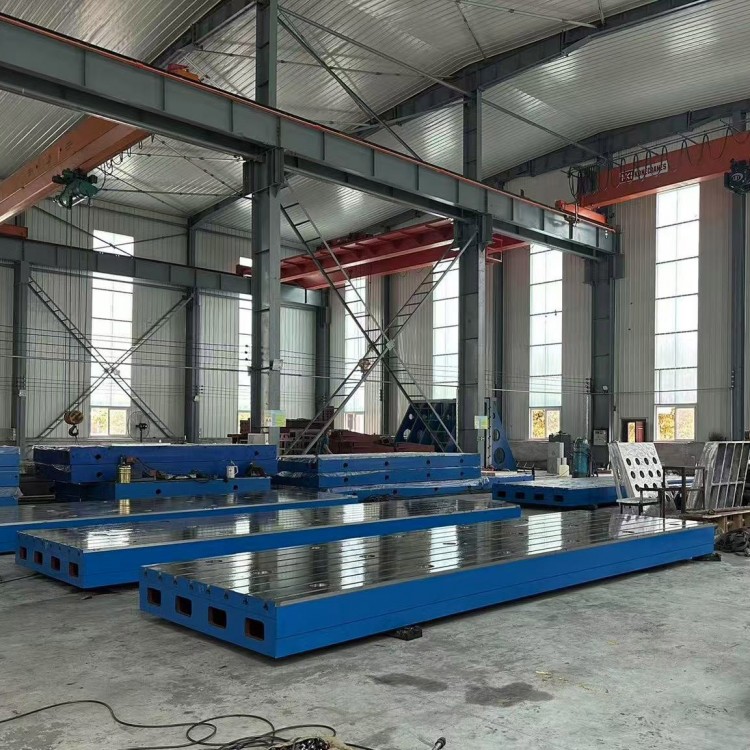


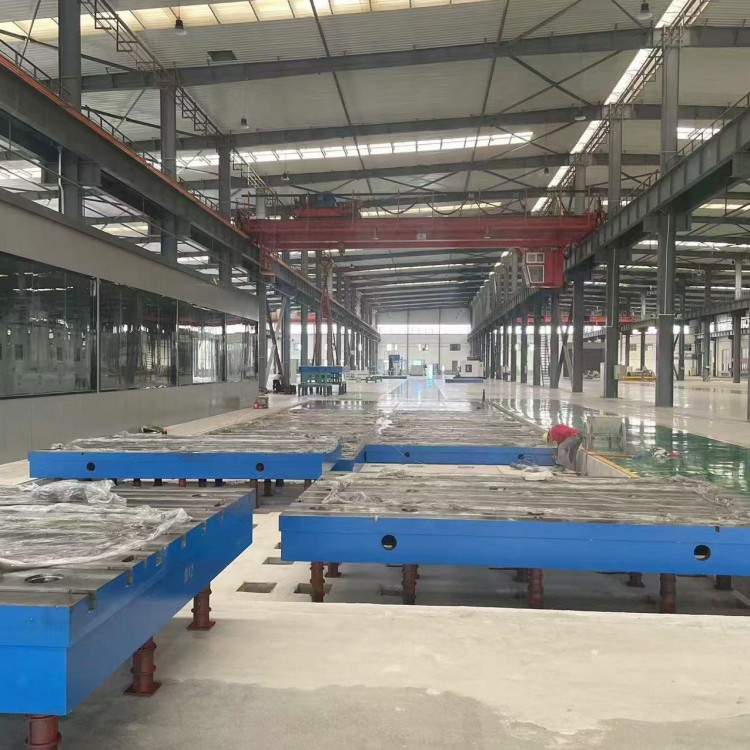
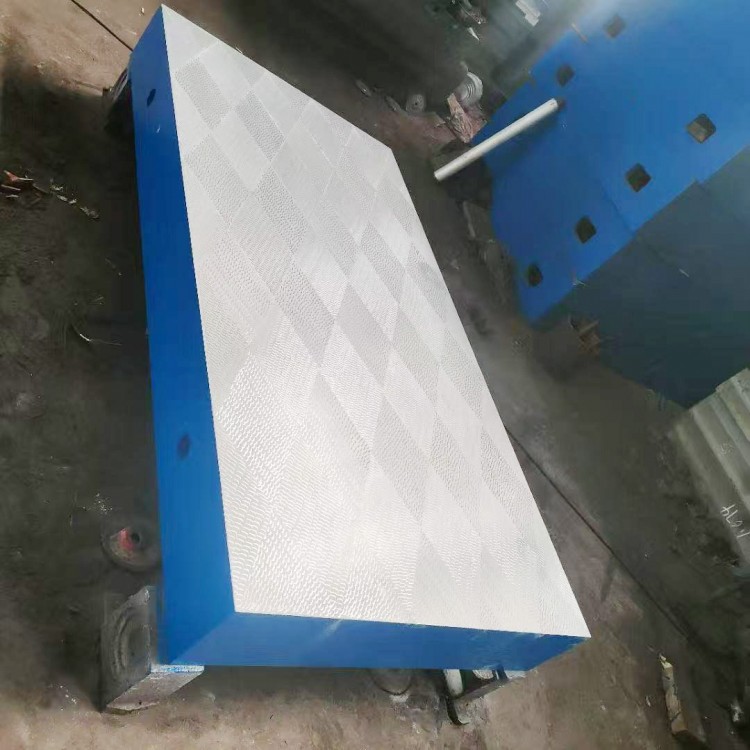
The casting methods commonly used for CNC machine tool castings generally include the lost foam casting process, resin sand casting, solid mold casting, and high-grade casting, etc. For example, the bed, column, beam, and sliding table of CNC machine tool castings are all cast using these methods. Casting material:HT200-300Accept single orders80Approximately one-ton castings, also available for custom design and production to meet customer requirements.
The rigidity of machine tools is an important feature that directly affects production efficiency and processing accuracy. The rigidity of machine tools is related to various factors, including the composition and structure of the castings for CNC machine tools, the casting process of CNC machine tool castings, and the machining process of CNC machine tool castings. During the design phase, the castings for CNC machine tools are subjected to a receiving analysis through machine tool dynamics.
Quality Control for CNC Machine Tool Castings:
1、ISO9000Foundry process management standards, CNC machine tool casting usage HT250Cast iron, tensile strength of machine tool castings reaches25000PSI。
2Numerical Control Machine Tool Casting processed outdoors through natural or artificial aging, reducing deformation in the assembled machine tool casting, improving casting precision and performance.
3The quality of CNC machine tool castings is free from casting defects such as cracks, sand holes, and porosity.
4Fill some polymers inside the CNC machine tool castings to enhance the machine's stability.
Design of CNC machine tool castings:
1The rational structure degree of CNC machine tool castings and the matching of reinforcing ribs, which enhance the torsional resistance and rigidity of the machine tool castings.
2To ensure good static stiffness in CNC machine tool castings, attention should be given to the reasonable selection of the structural form of the casting, such as using a closed, complete box-like structure for CNC machine tool castings, employing closed cross-sections, and properly selecting and arranging spacers and ribs to minimize joint surfaces and enhance the contact stiffness between machine tool castings. Longitudinal spacers mainly improve the bending stiffness of the machine tool castings; transverse spacers mainly enhance the torsional stiffness; oblique spacers have the effect of improving both the bending and torsional stiffness of the machine tool castings.


















