














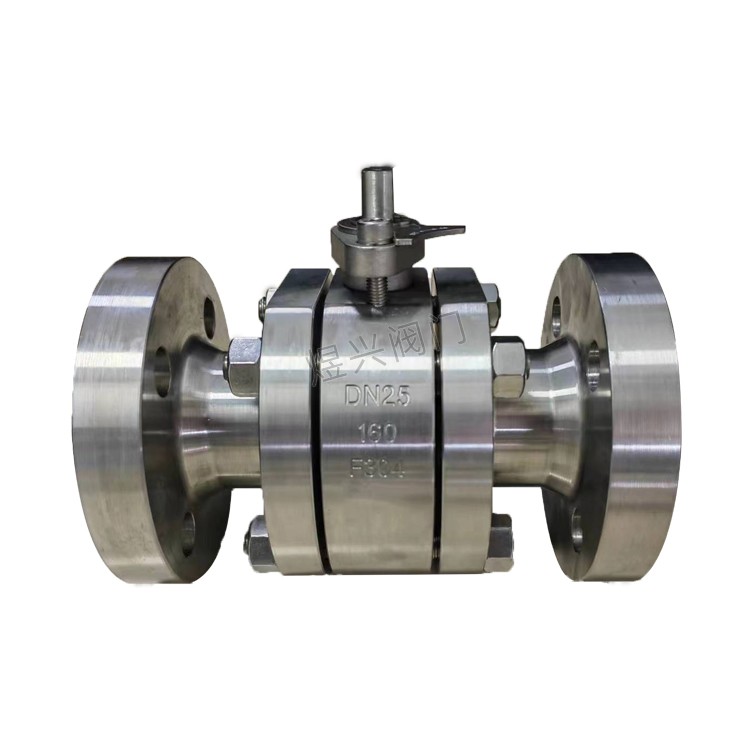
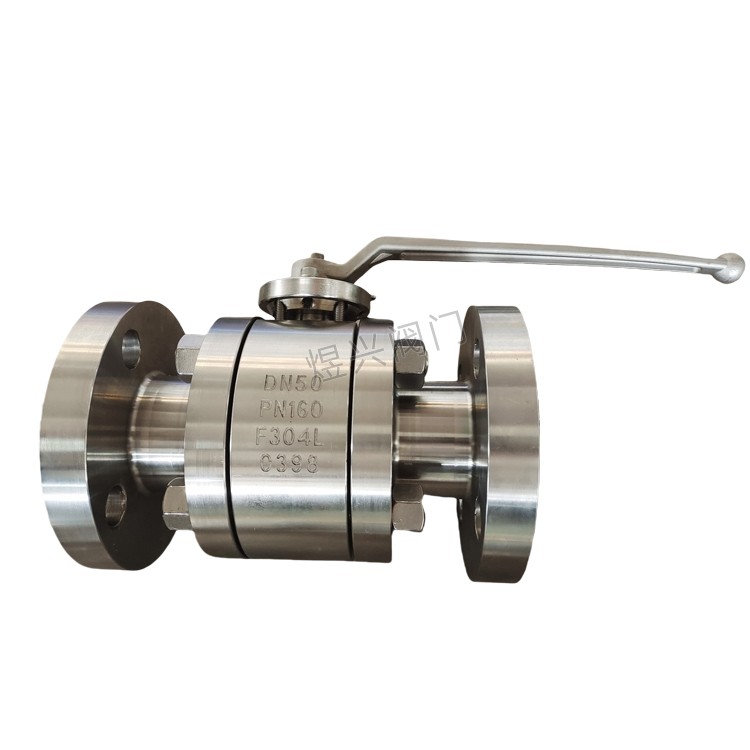
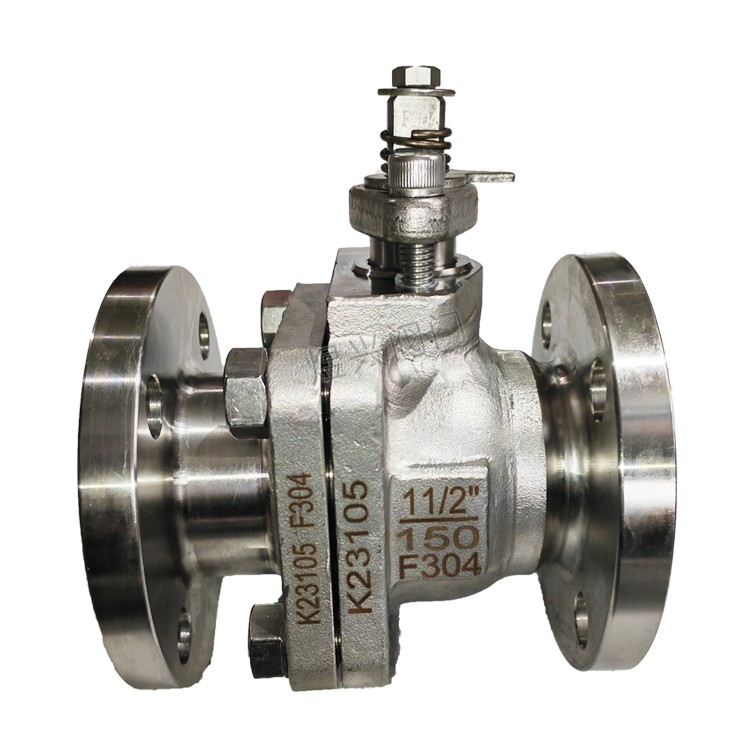


Hydraulic Ball Valve is a rotary valve that operates through hydraulic actuation to control the opening and closing of fluid flow. It is composed of an electro-hydraulic angle actuator and a ball valve, and is widely used in industries such as oil, chemical, power, metallurgy, refining, building materials, papermaking, and light industry. It is suitable for liquids, gases, steam, wastewater, and high-viscosity media containing fibers and fine particles.
Structural Features
The ball and body of the hydraulic ball valve are typically made of stainless steel, offering excellent corrosion resistance. The hydraulic drive section is compact, suitable for narrow installation environments. The valve uses metal seals, meeting the usage requirements of harsh environments such as drilling mud.
Working Principle
The hydraulic ball valve operates through hydraulic actuation. When the hydraulic system applies pressure, the actuator rotates the valve ball, thereby changing the open state of the fluid passage. When the valve ball rotates to align with the direction of the fluid passage, the fluid can pass smoothly; when the valve ball rotates 90 degrees perpendicular to the fluid passage, the passage is closed.
Application Scenario
Hydraulic ball valves are widely used in various industrial fields, including oil, chemical, power, metallurgy, etc. They are suitable for controlling various mediums such as air, water, steam, oil, and corrosive fluids. The hydraulic drive system of the liquid-actuated ball valve offers significant advantages in remote operation and automated control, particularly excelling in harsh environments.


















