















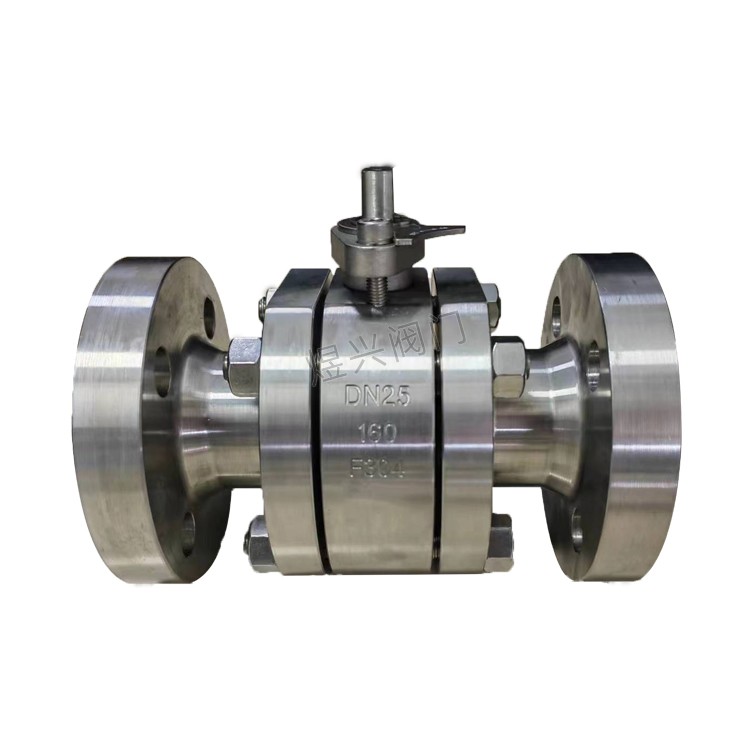
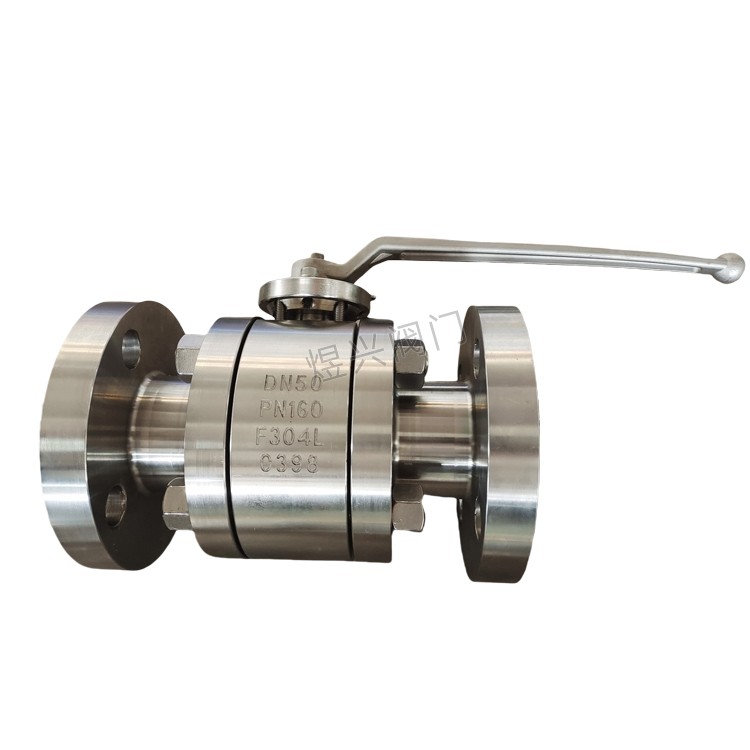
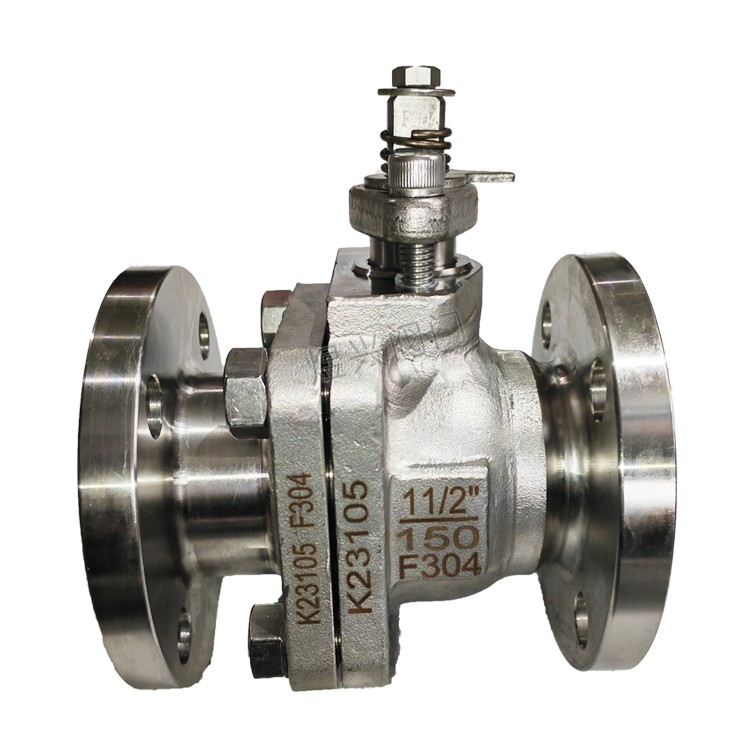


A hard-seated extended stem ball valve is a high-performance valve primarily used for fluid control in extreme conditions. It combines the features of both hard-seated and extended stem ball valves, offering excellent sealing performance and high-temperature and high-pressure resistance.
Definition and Construction
The hard-sealed extended stem ball valve utilizes metal sealing pairs, with both the ball and seat seals being made of metal materials. The valve's opening and closing are achieved by rotating the ball. The valve body, cover, stem, ball, seat, and sealing ring, among other components, collectively make up this type of valve.
Operating Principle
When the sphere rotates 90 degrees, the valve opens or closes. The valve opens when the sphere is parallel to the valve seat channel; it closes when the sphere is perpendicular to the valve seat channel. The high hardness and wear resistance of the metal sealing pair ensure stable sealing performance under high pressure, high temperature, and corrosive media.
Application Scenario
Full-bore extended stem ball valves are widely used in industrial sectors such as petrochemicals, chemicals, power, environmental protection, water conservancy, heating, and water supply and drainage. Particularly in high-temperature and high-pressure conditions, such as in petrochemicals, chemicals, power, and water treatment, these valves excel, ensuring the stability and safety of pipelines.
Advantages and Features
Excellent sealing performance: Metal sealing pairs ensure stable sealing effects under high pressure, high temperature, and corrosive media, effectively preventing medium leakage.
Withstanding high temperature and pressure: Made from materials that can withstand extreme conditions, ensuring stable performance under high temperature and pressure.
Longevity: Due to the use of metal materials, the wear between the valve ball and seat is minimized, thereby extending the valve's lifespan.
Operation Simplified: Handles or stroke switches offer flexible operation, facilitating remote control and automation._
Maintenance and Care Recommendations
Regular Inspections: Pay special attention to the sealing and flexibility of valves that have not been used for an extended period.
Lubrication and Maintenance: Regularly apply lubricant to the valve rod to ensure smooth rotation and minimize wear.
Scouring Scale Build-up: Regularly clean the inside and outside of valves, with particular attention to those prone to scaling.
Replace Wear Parts: Replace valves seats, seals, and other wear parts promptly upon discovering signs of aging or damage._


















