















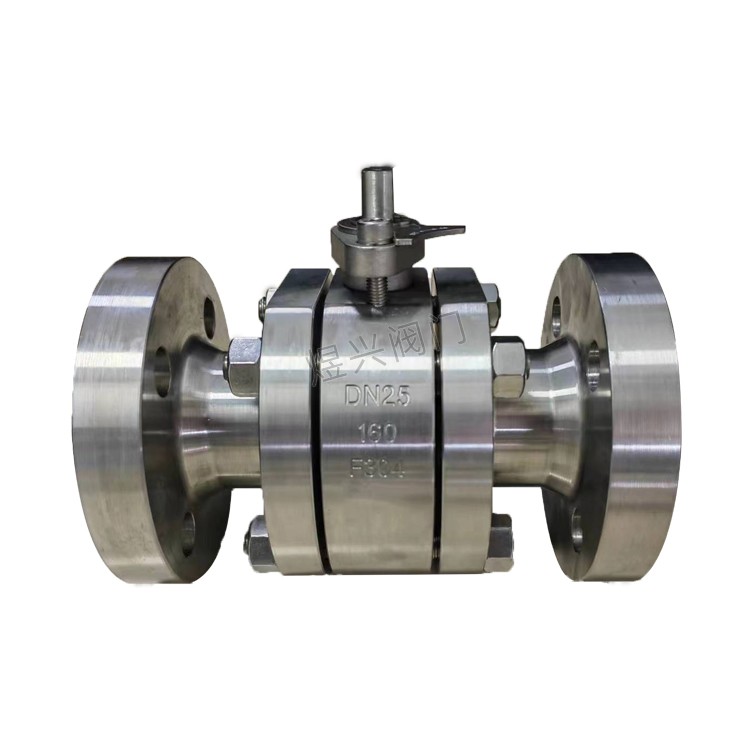
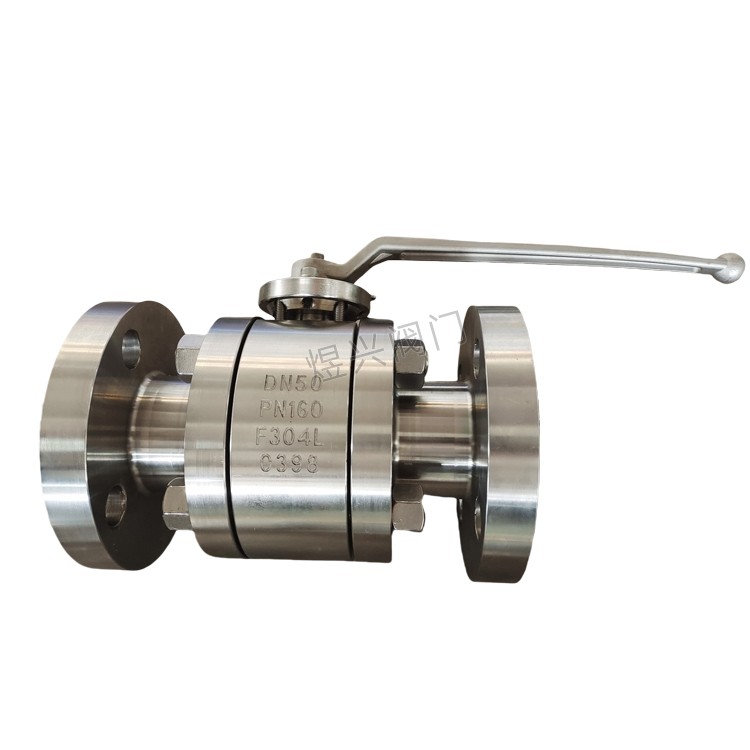
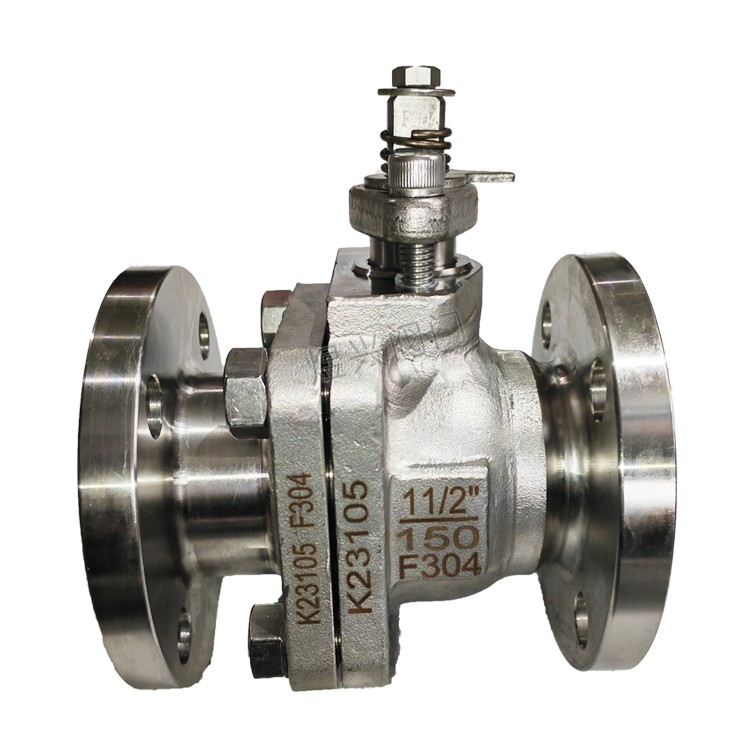


High-temperature ball valves are valves specifically designed for high-temperature environments, featuring excellent high-temperature resistance and sealing properties. Their operating temperature can reach approximately 600°C, and they are widely used in the oil, chemical, metallurgy, hydropower, and other fields.
Definition and Features
High-Temperature Resistance: The high-temperature ball valve operates stably in high-temperature environments, with a working temperature of about 600℃.
Good Sealing: Offers various sealing types, including metal-to-metal sealing and stainless steel plate with graphite composite gasket to metal sealing, ensuring the valve's sealing performance.
Low fluid resistance: The sphere can open or close by rotating 90 degrees within the medium, with minimal resistance when fluid passes through.
Simple structure: Fewer parts for easy installation, maintenance, and repair.
Working Principle
High-temperature ball valves control the opening and closing of fluids. When the valve is open, the ball rotates 90 degrees along the valve's axial direction, allowing the medium to flow through the ball's passage. When the valve is closed, the ball rotates another 90 degrees, sealing off the ball's passage from the valve's bore to block the medium flow.
Application Fields
Petroleum Industry: Used for controlling the flow of high-temperature, high-pressure gases and liquids.
Chemical Industry: Control the flow of various acidic and alkaline mediums.
Metallurgy Industry: Widely used in the smelting process of steel and non-ferrous metals.
Power Industry: Control the flow of media in equipment such as boilers and steam turbines in thermal power plants; and control the media like cooling water and steam in nuclear reactors at nuclear power plants.
Aerospace Industry: Meets the requirements for high-temperature, high-pressure, and high-speed fluid control, with significant applications in aero-engine test stands, rocket launch pads, and similar venues.
Industry: Control the flow and transfer of various media in equipment such as reactors, separators, etc.; control the filling and sealing of liquid media during pharmaceutical packaging processes.
Water Treatment Industry: Control medium flow and pressure in water treatment equipment.
Maintenance and care
To ensure the normal operation and prolong the service life of the high-temperature ball valve, regular maintenance is required. Specific measures include:
Regularly inspect the valve's sealing performance. In case of leakage, replace the sealing ring or perform maintenance promptly.
Lubricate and maintain pneumatic actuators, including cleaning and replenishing lubricant, to ensure their flexibility and stability.
Regularly clean the interior of the valve body to remove impurities and deposits, maintaining the cleanliness of the valve body interior.


















