



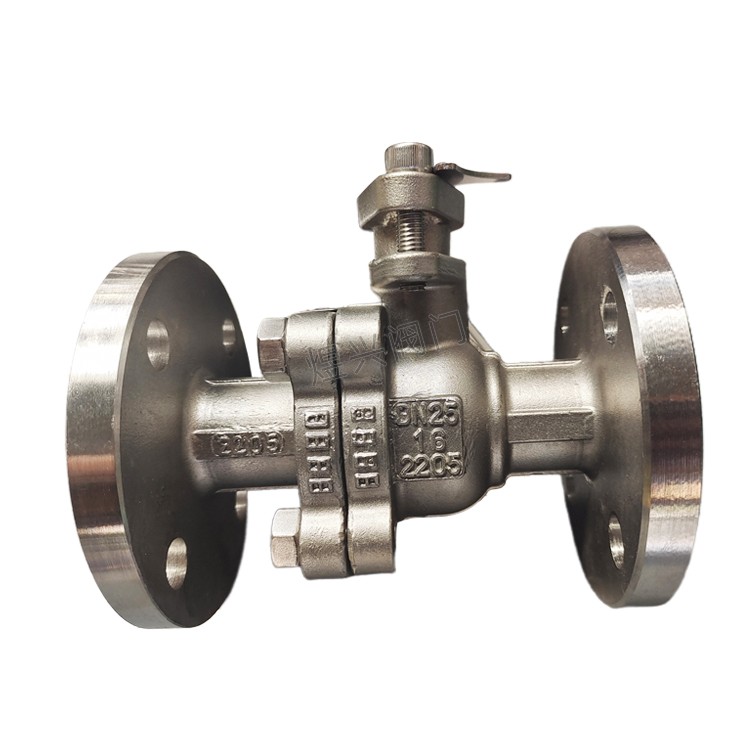













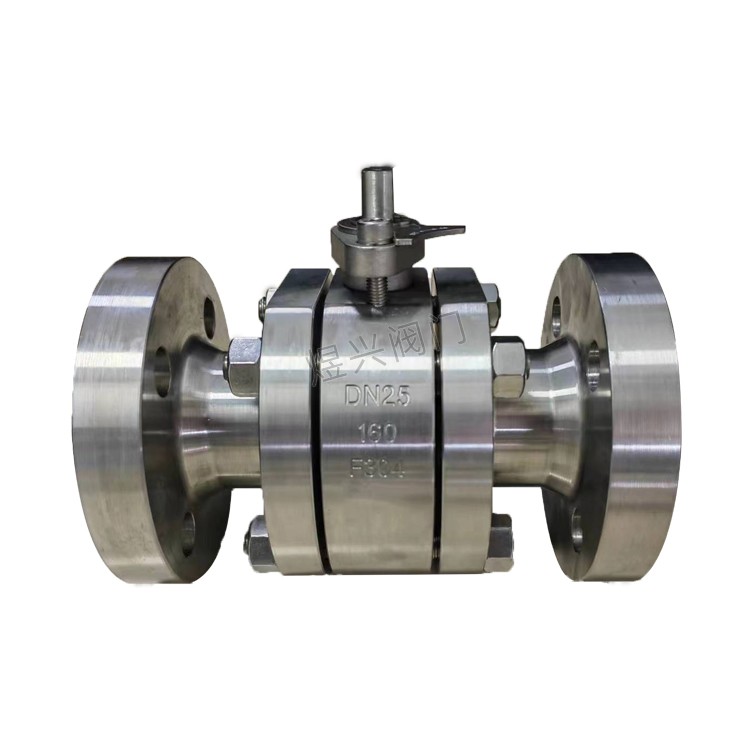
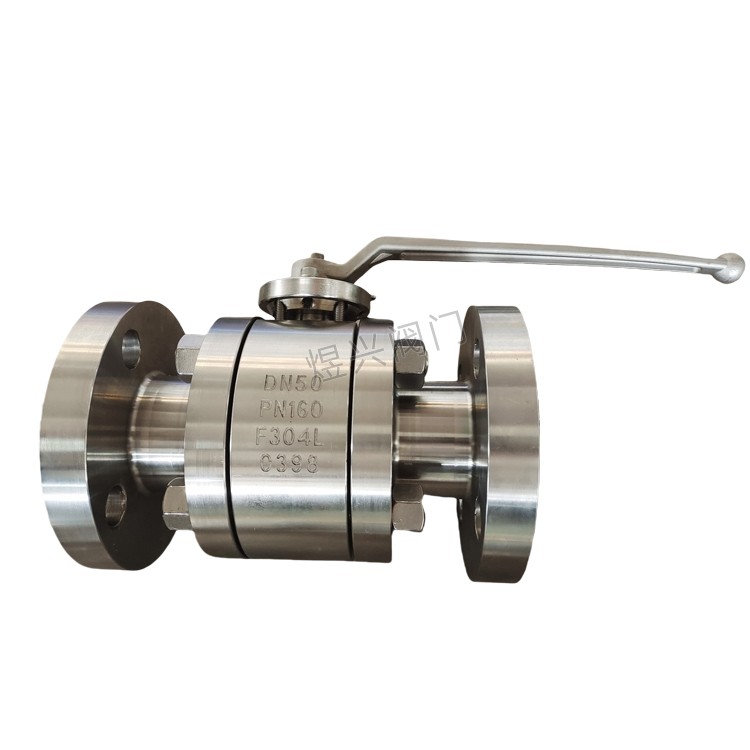
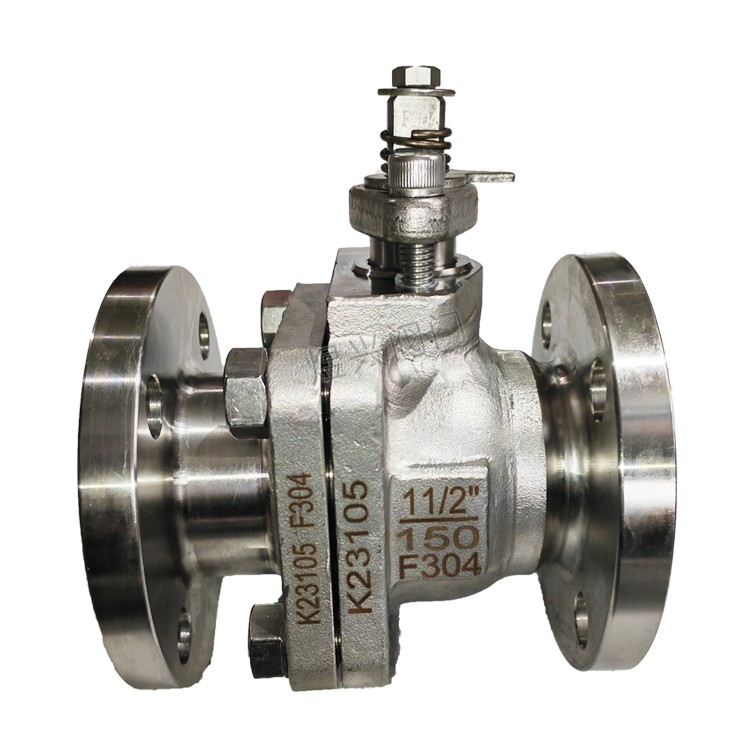


A Floating Ball Valve is a specialized type of valve where the ball is unsupported by an axis, relying solely on two valve seats for support. The valve stem is connected to the ball for movement, allowing the ball to be in a "floating" state. Under the pressure of the medium, the ball can produce a certain displacement and press tightly against the sealing surface at the outlet end, ensuring the sealing integrity of the outlet.
Operating Principle
The working principle of the floating ball valve is as follows: When the handle (or other driving device) rotates the valve stem, the ball can rotate freely between the two valve seats. When the ball's bore aligns with the valve body passage bore, the ball valve is in the open position, allowing fluid to flow through; when the ball rotates 90°, the ball's bore is perpendicular to the valve body passage bore, the ball valve is closed, and the ball is pushed against the valve seat on the outlet side due to the fluid pressure, achieving a seal.
Structural Features
The floating ball valve features the following structural characteristics:
Unique valve seat sealing structure: Double-line sealed valve seat ensures reliable valve sealing.
Professional valve seat machining: Low friction coefficient for the valve seat, resulting in a smaller torque for valve operation.
Handle Valve Stem: The valve stem head features an oblong structure, ensuring the handle aligns with the flow hole direction of the sphere.
Locking Device: Prevents accidental operation of valve switching.
Bushing anti-ejection structure: Prevents the valve stem from being ejected under high pressure.
Anti-static Design: Prevents static sparks from causing accidents.
Internal Flange Design: Leakproof Structure
Fire-resistant structure: Protects the valve from damage during a fire.
Application Scenarios and Advantages & Disadvantages
Floating flange ball valves are widely used in general working media such as water, solvents, acids, natural gas, and also in harsh working conditions with media like oxygen, hydrogen peroxide, methane, and ethylene. They are suitable for industries such as chemicals, petroleum, natural gas, metallurgy, and for long-distance natural gas pipelines with high sulfur content, heavy impurities, and severe corrosion.
Advantages include:
Simple structure: easy to manufacture and maintain.
Good sealing: Low fluid resistance, quick opening and closing.
Multiple Additional Structures: Including locking devices, anti-static devices, etc., enhancing safety and reliability._
Drawbacks include:
High friction: prone to wear and leakage.
High-Temperature and High-Pressure Limitations: Sealing face materials restrict its use in high-temperature and high-pressure environments.


















