












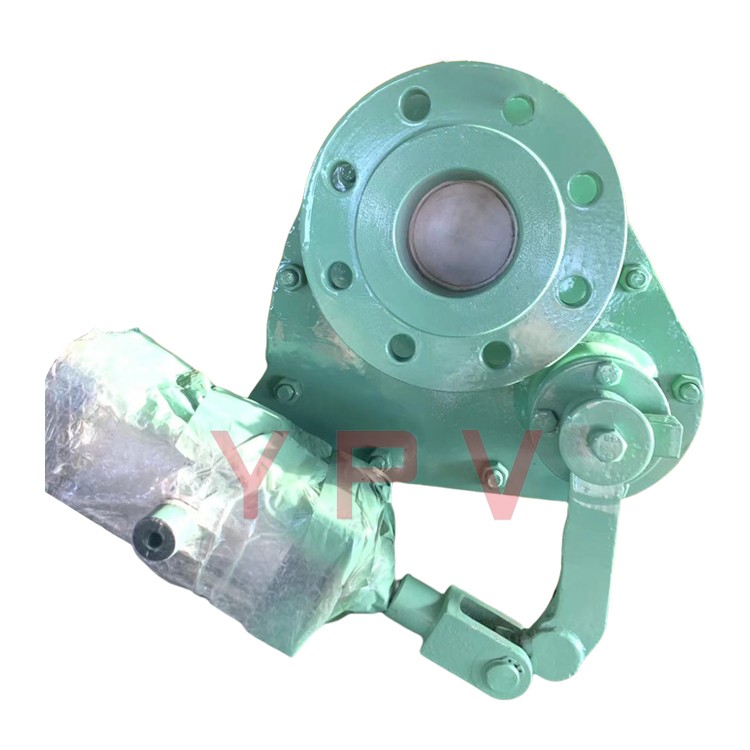
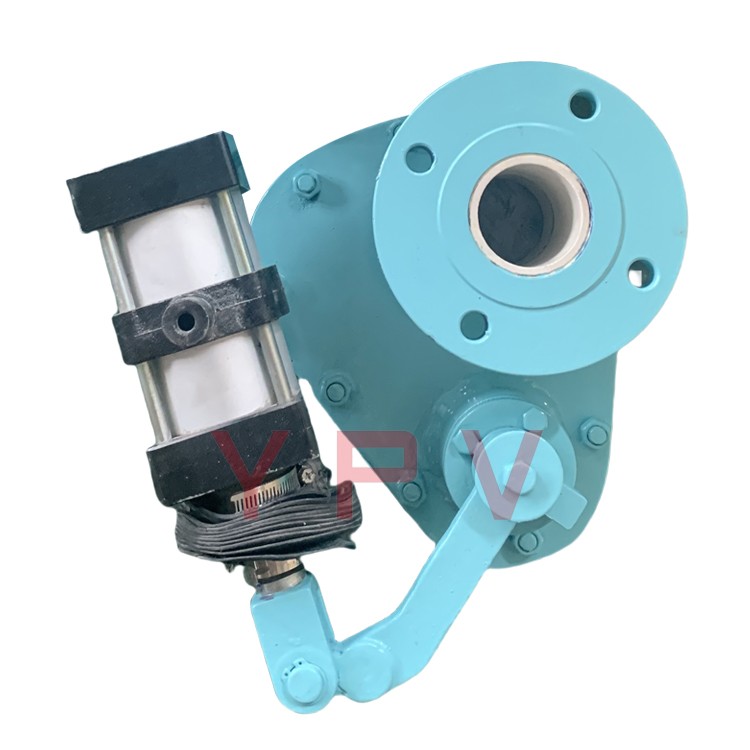
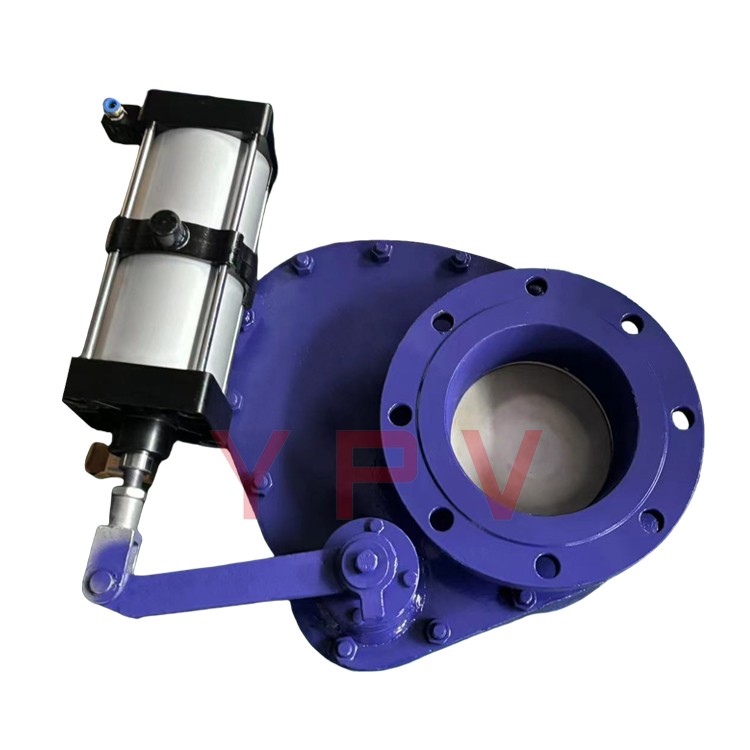


Nominal Bore: DN50mm ~ DN600mm (2" ~ 24")
Nominal Pressure: PN1.0~6.4 MPa (150~300 Lbs)
Operating Temperature: ≤ 200℃
Material: Carbon Steel
Medium: slag, peat, cinder, slurry, wastewater, etc.
Widespread Applications: Metallurgy, steel, mining, power, coal transportation, cement, water treatment, etc.
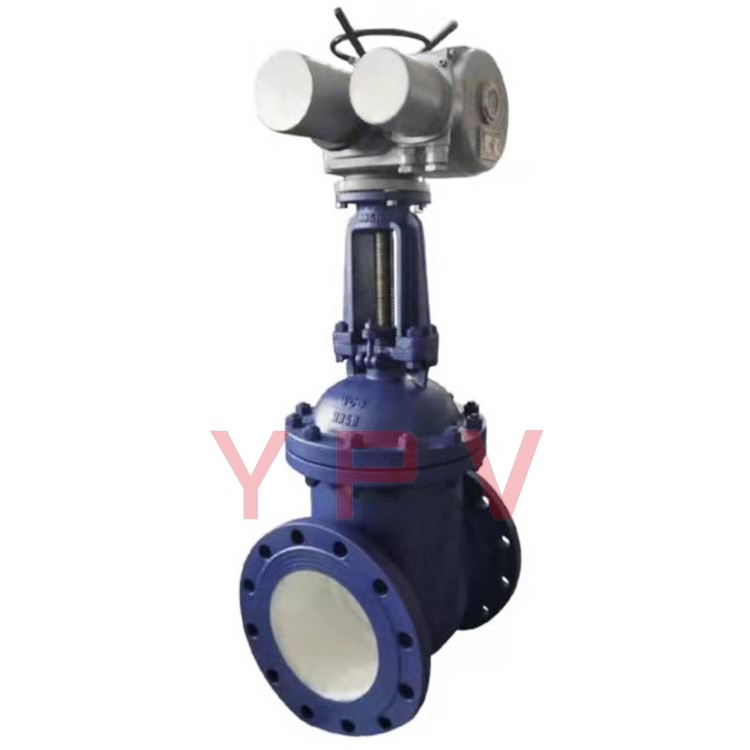
An electric ceramic gate valve is a valve that combines electric drive with ceramic materials, featuring excellent properties such as wear resistance, corrosion resistance, and high-temperature resistance, and is widely used in various industrial fields.
Basic structure and functions
The main components of the electric ceramic gate valve include the valve body, gate plate, valve stem, and sealing surface. The valve body is typically made of WCB material with a ZTA ceramic lining, while the gate plate and valve stem are made of wear-resistant stainless steel or 2Cr13 material. The sealing surface is made of ceramic material, offering both wear and corrosion resistance. The electric ceramic gate valve operates through an electric drive mechanism, suitable for applications requiring remote control or automation.
Application Scenario
Electric ceramic gate valves are widely used in various industrial pipeline systems, especially excelling in environments with high wear and strong corrosion. They are commonly used in industries such as thermal power generation plants, steel, oil, chemical, papermaking, and bioengineering, and are suitable for applications such as boiler steam, lime slurry, particle-laden seawater transport, and high-hardness particle media. Due to their superior performance and long lifespan, electric ceramic gate valves are particularly suitable for systems involved in dust and slag discharge, as well as material discharge and effluent treatment.
Pros and Cons
Advantages:
Abrasion Resistance: Ceramic materials possess high hardness, effectively resisting wear from hard particles in the medium.
Corrosion-resistant: Suitable for various corrosive media, extending the valve's service life.
High-Temperature Resistant: Capable of stable operation in high-temperature environments, suitable for applications involving high-temperature media.
Longevity: Due to the superiority of materials and design, the service life of electric ceramic gate valves exceeds that of traditional metal valves significantly.
Disadvantages:
Large installation space required: Due to the characteristics of ceramic materials, electric ceramic gate valves require a larger installation space.
High repair difficulty: While ceramic materials are wear-resistant, they are expensive and challenging to repair once damaged.