
















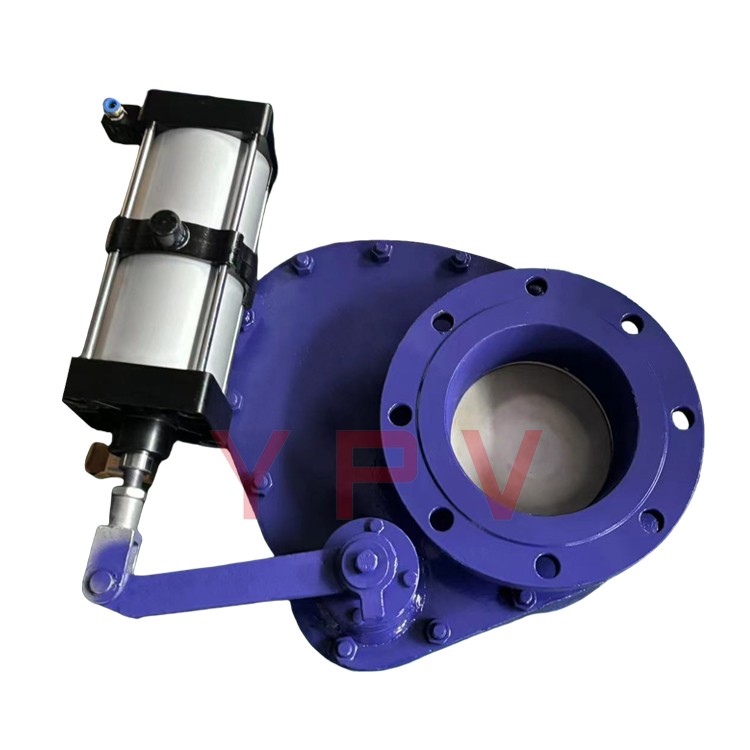


Nominal Bore: DN50mm ~ DN1000mm (2" ~ 40")
Nominal Pressure: PN 1.0~2.5 MPa (150~300 Lbs)
Operating Temperature: ≤ 200℃
Material: Carbon steel, stainless steel, etc.
Medium: Coal mine, slurry, coal slag, and other solid particles
Widespread Applications: Power Plants, Mines, Coal Handling Plants, Cement Plants, Coal Selection Plants, etc.
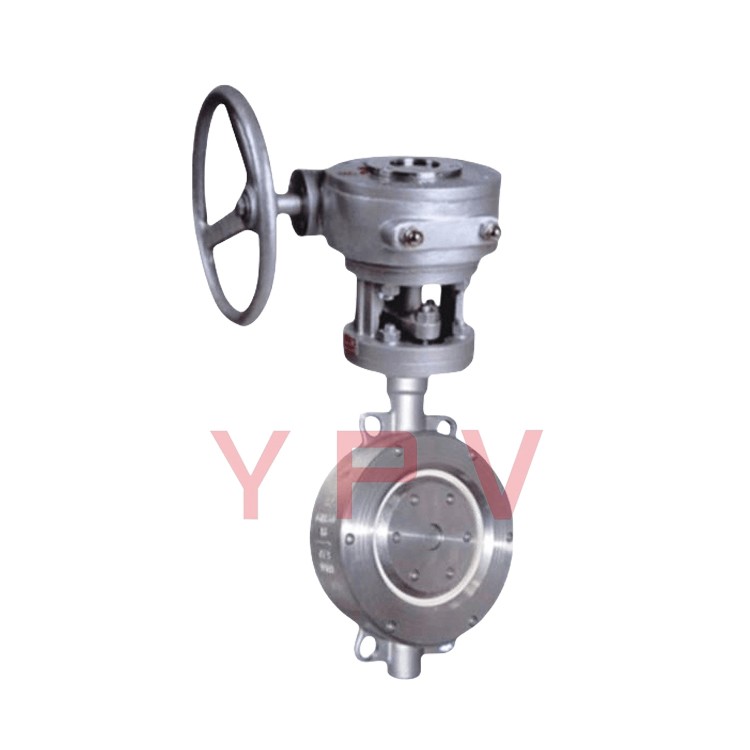
Turbine ceramic butterfly valve is a valve that combines turbine drive with ceramic materials, offering various advantages and a wide range of applications.
Features and Advantages
Corrosion-resistant, high-temperature resistant, wear-resistant: The turbine ceramic butterfly valve uses structural ceramics for the sealing pair, offering excellent corrosion-resistant, high-temperature resistant, wear-resistant, and erosion-resistant properties, suitable for harsh working conditions.
Longevity: Its service life is comparable to, if not longer than, that of a butterfly valve made entirely of precious metals, improving the issue of the butterfly valve's sealing components being prone to damage.
Low Friction: Utilizing eccentric structure design to minimize friction in moving parts, offering flexible operation, low opening and closing torque, and energy-saving efficiency.
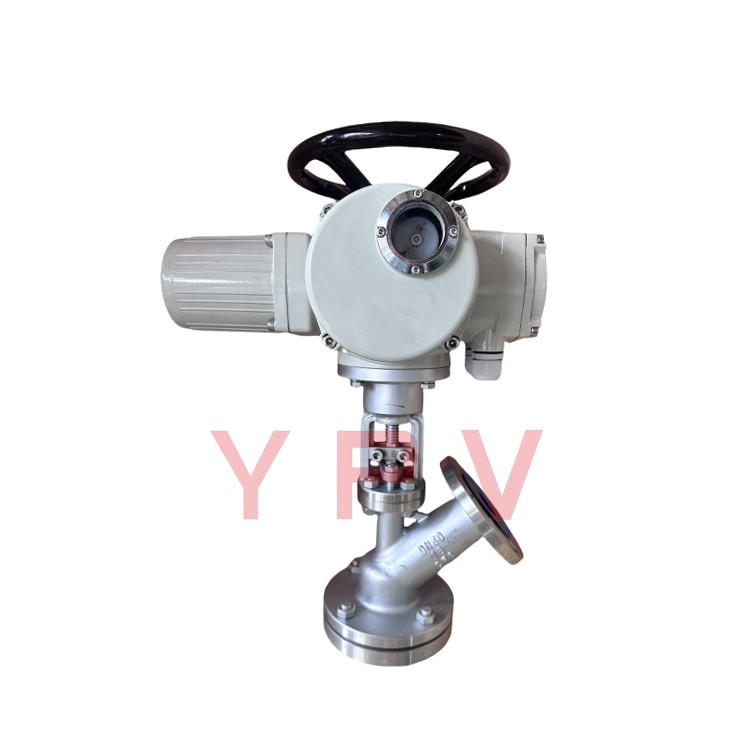
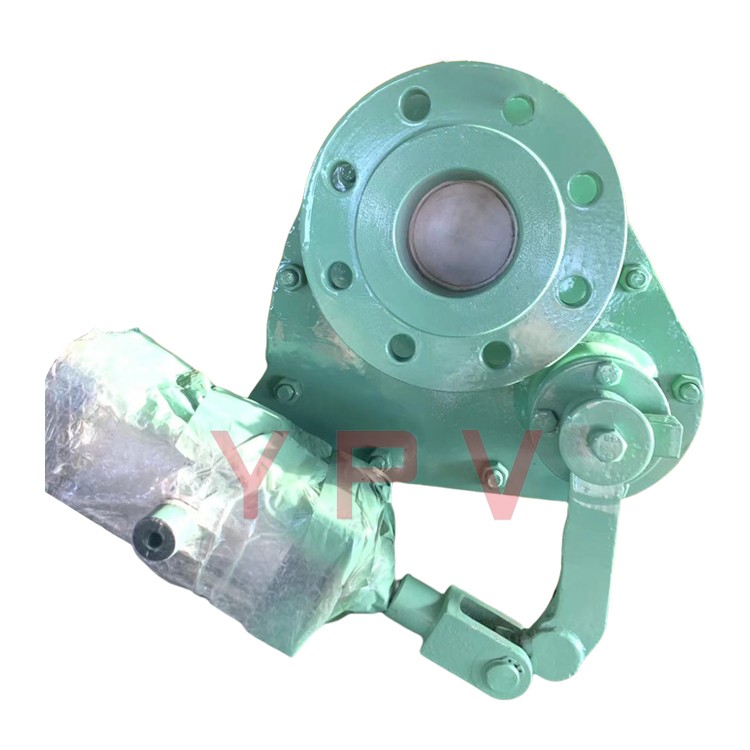
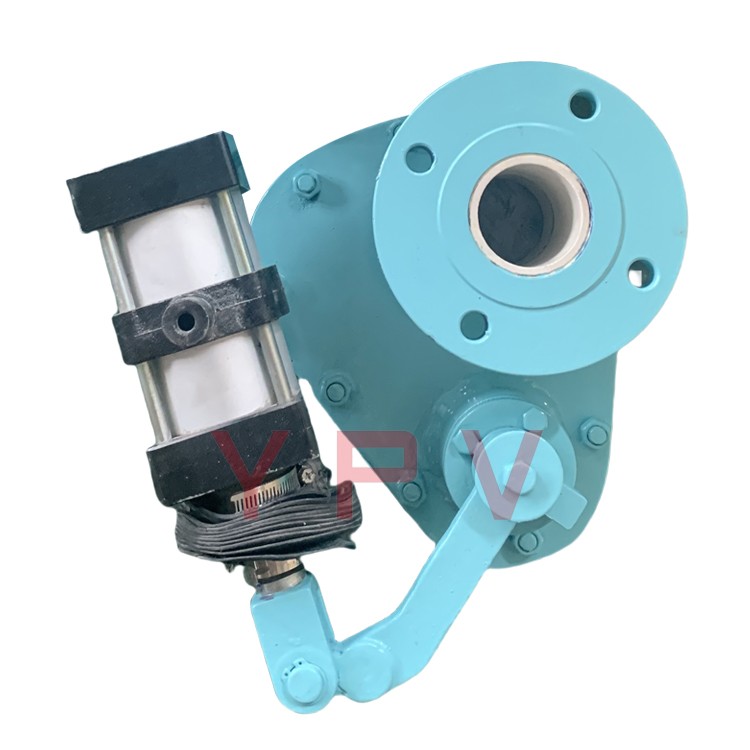
Multiple Drive Options: Featuring manual, pneumatic, and electric drives, catering to various customer needs._
Application Scenarios
Turbine ceramic butterfly valves are widely used in the transportation systems of various acidic, alkaline, and saline gases, liquids, high-temperature steam, sludge, and slag in industries such as petrochemicals, metallurgy, papermaking, power stations, oil refining, and coal. They are used for regulating flow or cutting off the medium. Additionally, they are suitable for media such as oil, natural gas, water, wastewater, seawater, air, steam, coal gas, combustible gases, corrosive media, oil products, and food.
Structure and Working Principle
The turbine ceramic butterfly valve is composed of the valve body, butterfly plate, and turbine drive unit. The valve body provides framework support, ensuring sealing and stability; the butterfly plate controls the flow; the turbine drive unit transmits torque to the valve rod through a precise gear structure, driving the butterfly plate to open and close. This design makes operation effortless and highly precise.


















