










Nominal Pipe Size: DN15mm~DN500mm (1/4"~20")
Nominal Pressure: PN 1.0~4.0 MPa (150~300 Lbs)
Operating Temperature: ≤ 300℃
Material: Carbon steel, stainless steel, etc.
Medium: lithium powder, polycrystalline silicon, coal dust, powdered granules, gypsum liquid, sulfuric acid, hydrochloric acid, and other corrosive media
Widespread Applications: Pipeline systems for new energy, electricity, oil, and chemical industries.
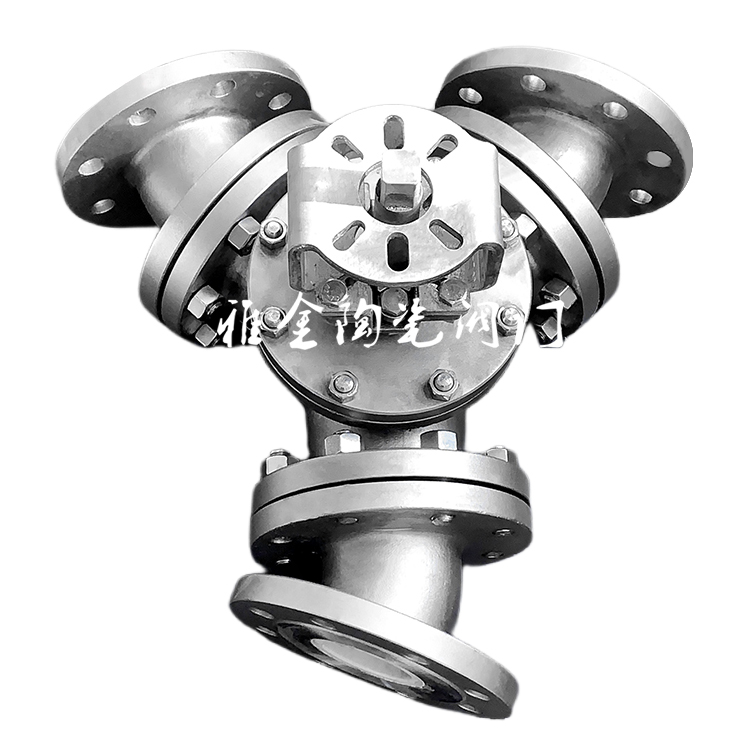
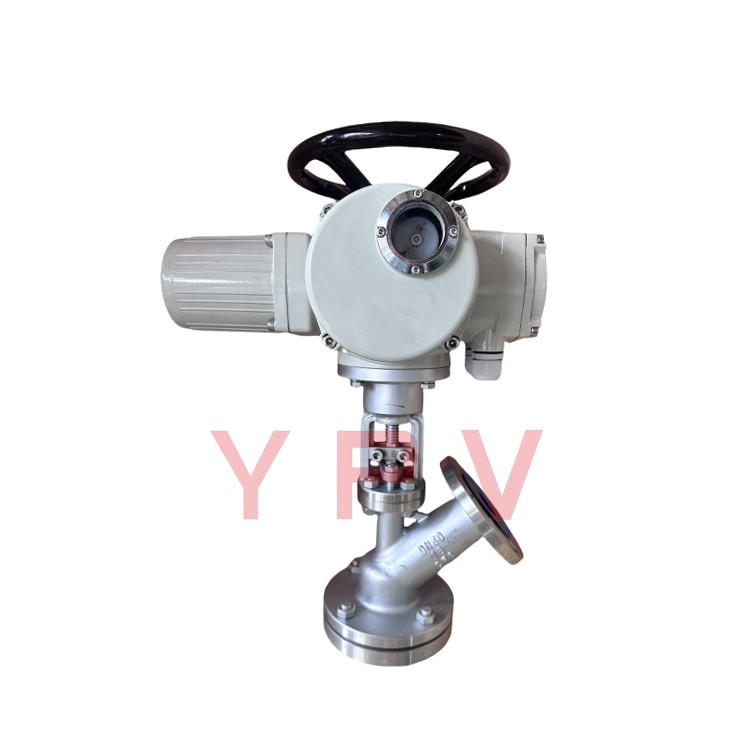
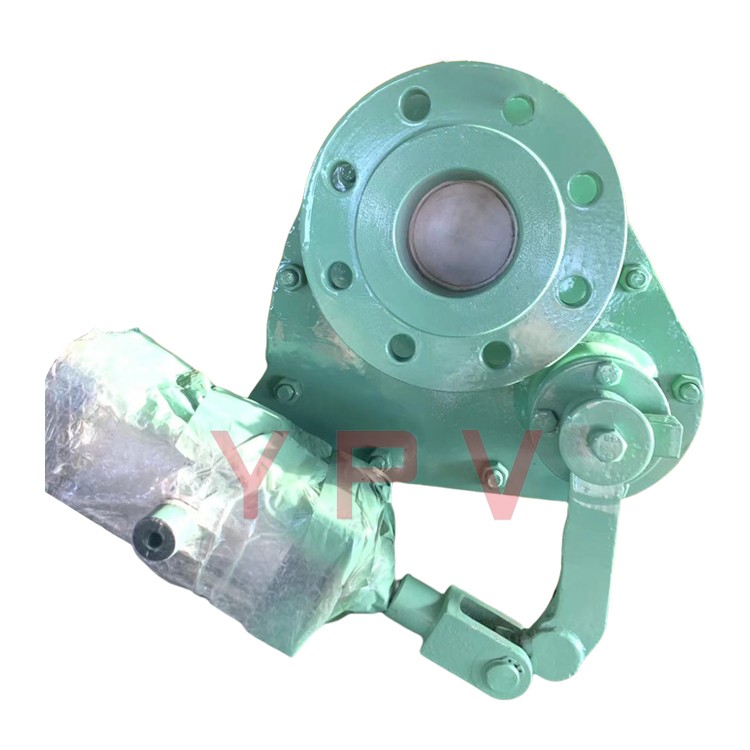
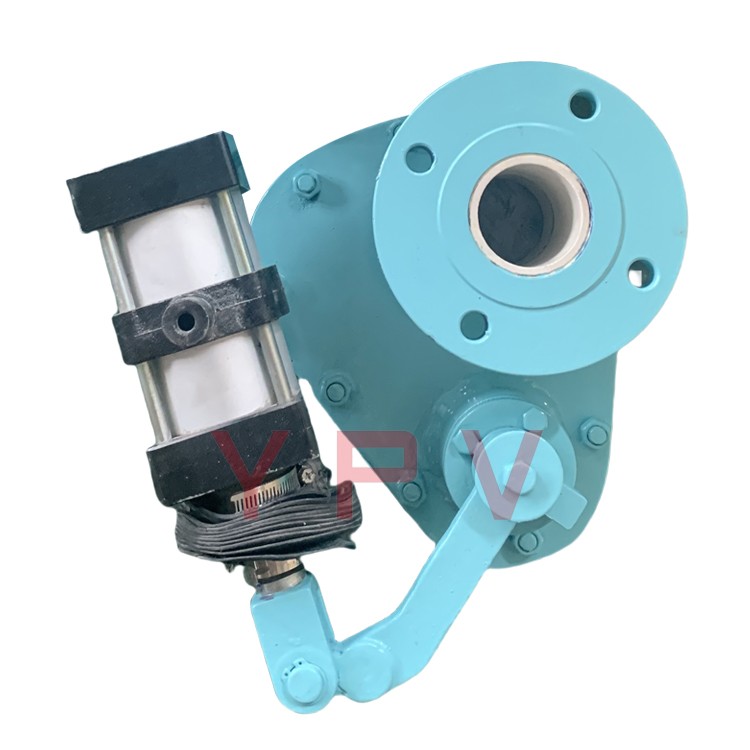
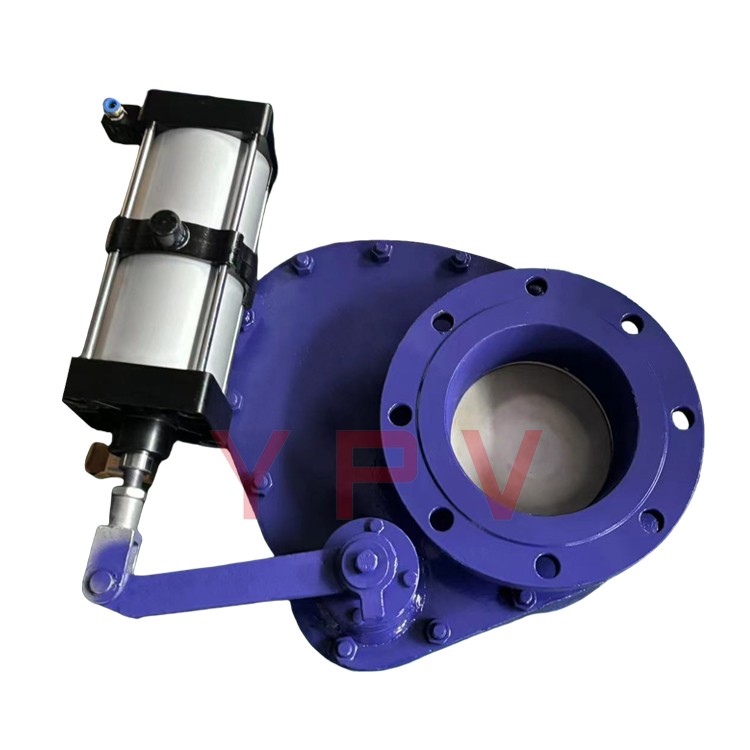
Ceramic Three-way Directional Valves are valves with two inlets and one outlet, primarily used for automatically switching the direction of slurry conveyance, to prevent blockage issues at the备用泵阀门 and the pipeline junction. When slurry enters through one inlet, the other inlet will automatically seal, offering convenient and flexible operation.
Working Principle
The working principle of the ceramic three-way directional valve is based on fluid pressure. When the pump connected to the A end is in operation, the mineral slurry pressure pushes the valve body towards the B end seat, achieving a good seal, and the slurry is discharged through the C port. When the pump at the B end is in operation, the A end stops working and releases pressure, causing the valve body to move towards the right-hand seat, thereby automatically reversing the fluid flow.
Application Scenarios
Ceramic three-way directional valves are widely used in various industrial applications, particularly in mining plants, chemical factories, and water treatment plants. In mining plants, they are used in slurry conveying pipelines to extend service life. In chemical factories and water treatment plants, they are employed in corrosion-resistant environments. Moreover, they are suitable for high-flow lubrication systems, facilitating automatic lubrication direction switching to enhance system reliability.
Material and Performance
The valve body liner is made of structural ceramics or high-wear-resistant rubber, offering excellent resistance to wear and long-lasting durability. The use of ceramic material extends the service life of the valve, particularly suitable for high-wear and strongly corrosive environments.