
















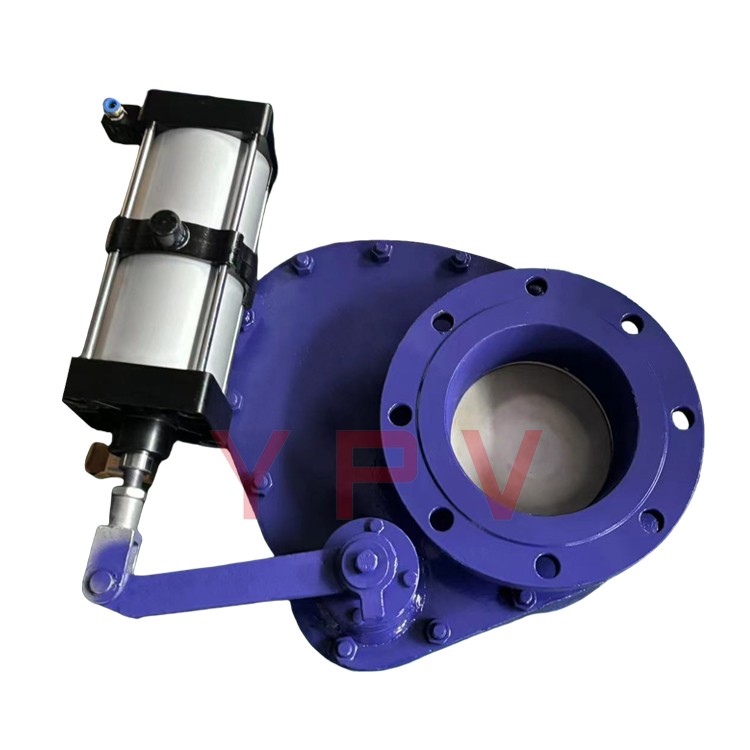


Nominal Bore: DN15mm ~ DN500mm (1/4" ~ 20")
Nominal Pressure: PN1.0~4.0 MPa (150~300 Lbs)
Operating Temperature: ≤ 300℃
Material: Carbon steel, stainless steel, etc.
Medium: lithium powder, polycrystalline silicon, coal powder, powdered granules, gypsum liquid, sulfuric acid, hydrochloric acid, and other corrosive mediums
Widespread Applications: Pipeline systems for new energy, electricity, oil, and chemical industries.
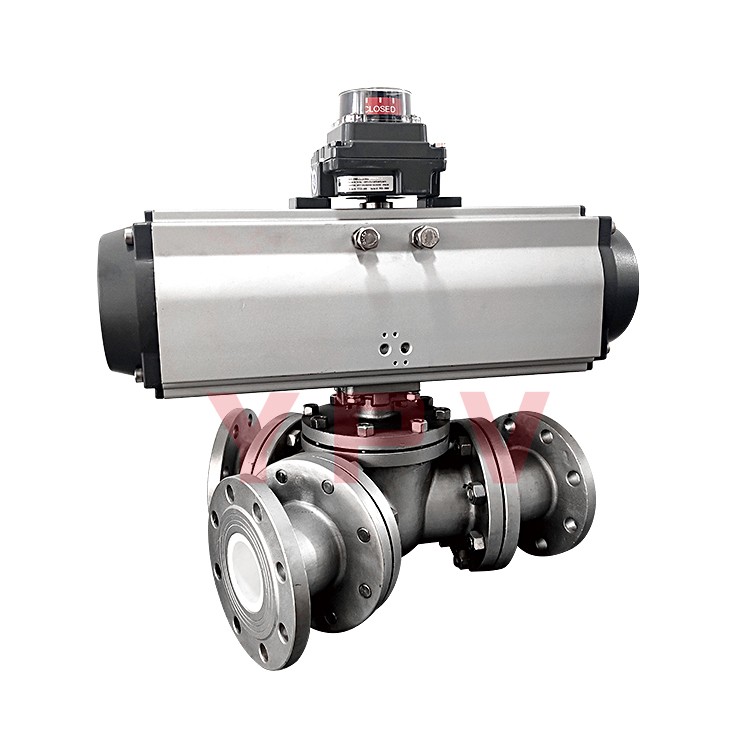
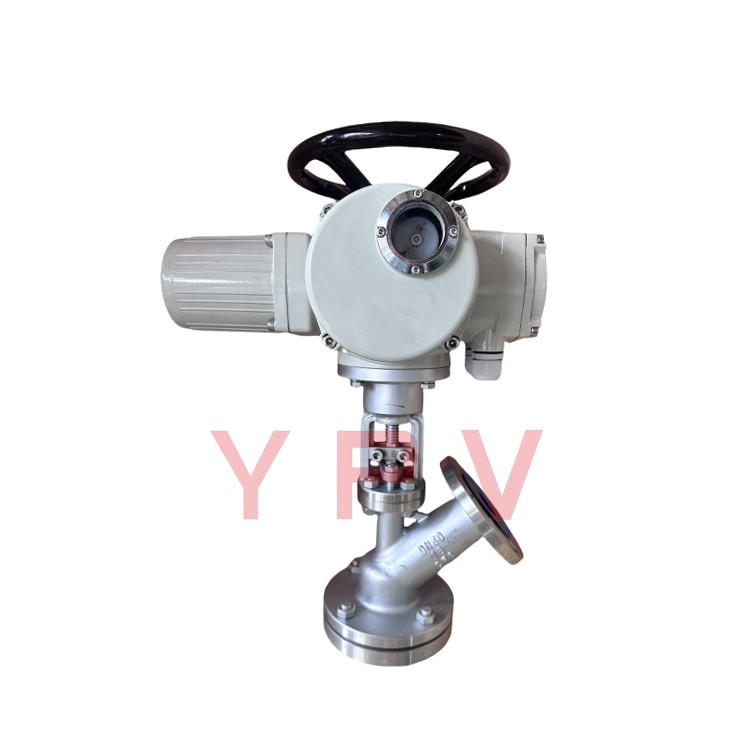
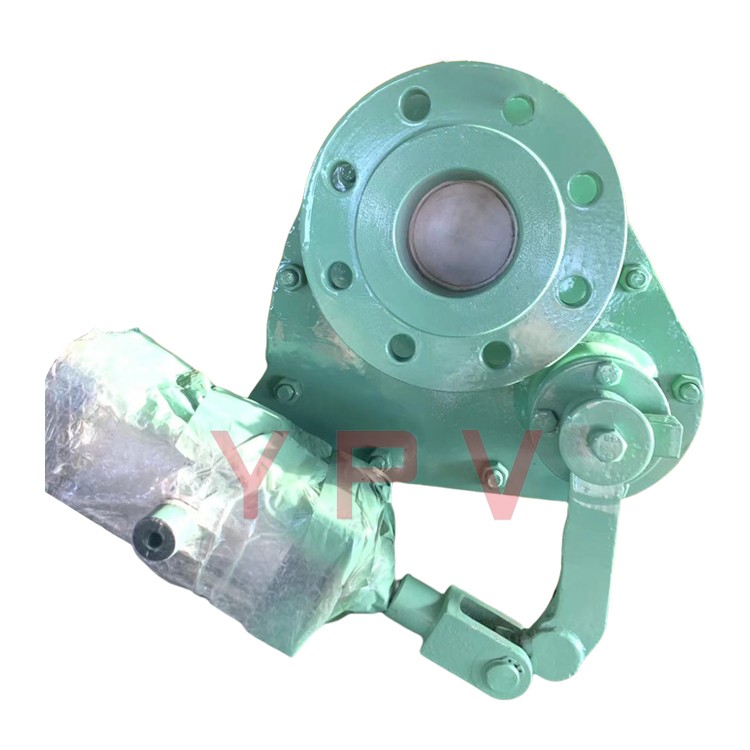
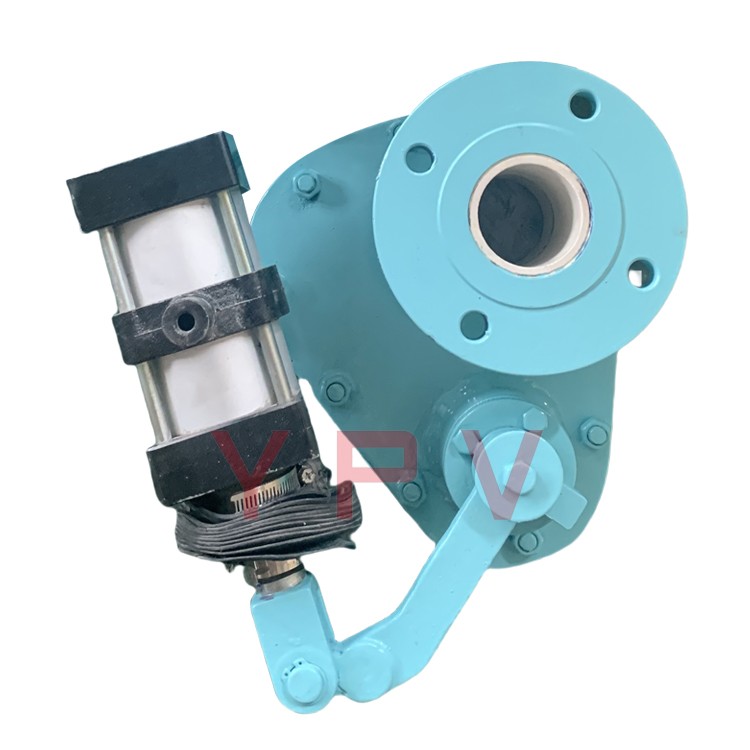
Pneumatic ceramic directional control valves are fluid control devices powered by compressed air, primarily used for directional control in industrial fluid pipeline systems. The core components include the valve body, valve core, and pneumatic actuator, which are typically made of ceramic material and offer high wear and corrosion resistance.
Working Principle
Pneumatic ceramic three-way directional valves are actuated by compressed air to switch the valve core within the valve body, thereby controlling the fluid's directional change. Upon the entry of compressed air into the actuator, it drives the valve core to a position, redirecting the fluid from one path to another. This directional switching method is quick and reliable, suitable for various applications requiring frequent directional changes.
Features
High wear resistance: The valve body and valve core are made of ceramic material, offering excellent wear resistance, suitable for high-frequency operating environments.
Corrosion Resistance: Ceramic materials exhibit excellent corrosion resistance, allowing stable operation in various corrosive mediums.
High Reliability: Simple structure, low failure rate, and relatively low maintenance costs.
Eco-friendly Energy-saving: Pneumatic control requires no electric power, reducing energy consumption and environmental pollution.
Application Fields
Pneumatic ceramic three-way directional valves are widely used in the following fields:
Chemical Production: During the chemical production process, directional control of fluids is required to ensure stability and safety of the production.
Food Processing: In the food processing industry, used to control the flow of raw materials, semi-finished, and finished products, ensuring the sanitation and safety of the production process.
Industrial: Strict directional control requirements for fluid pipelines are met by pneumatic ceramic directional valves, which offer high precision and stability.
Environmental Engineering: Fluid control for wastewater treatment and air emissions, contributing to the achievement of environmental protection goals.


















