



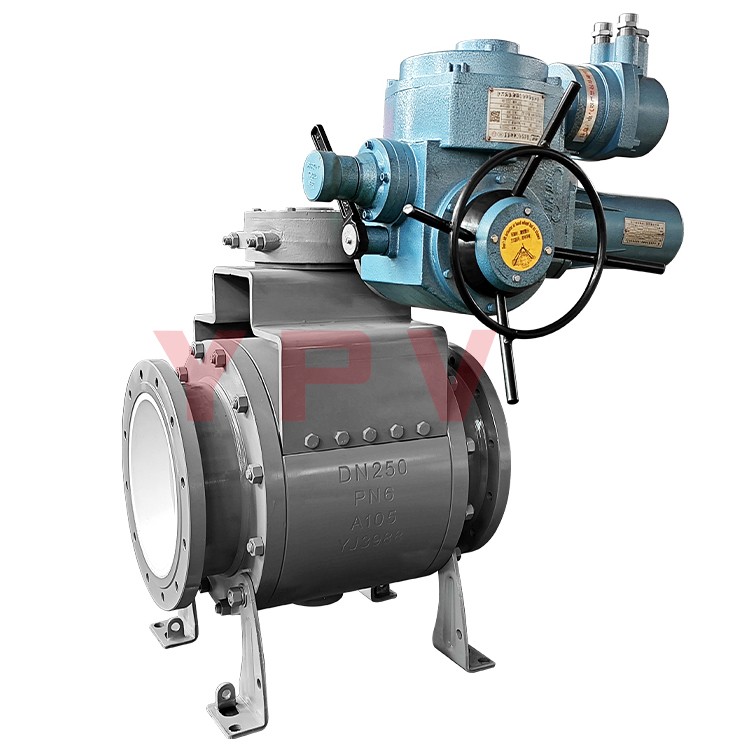













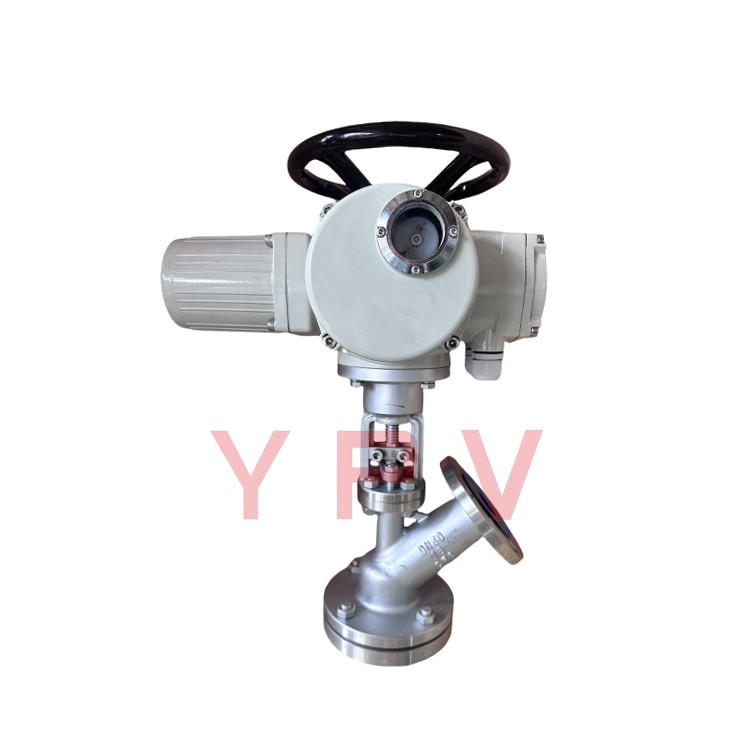
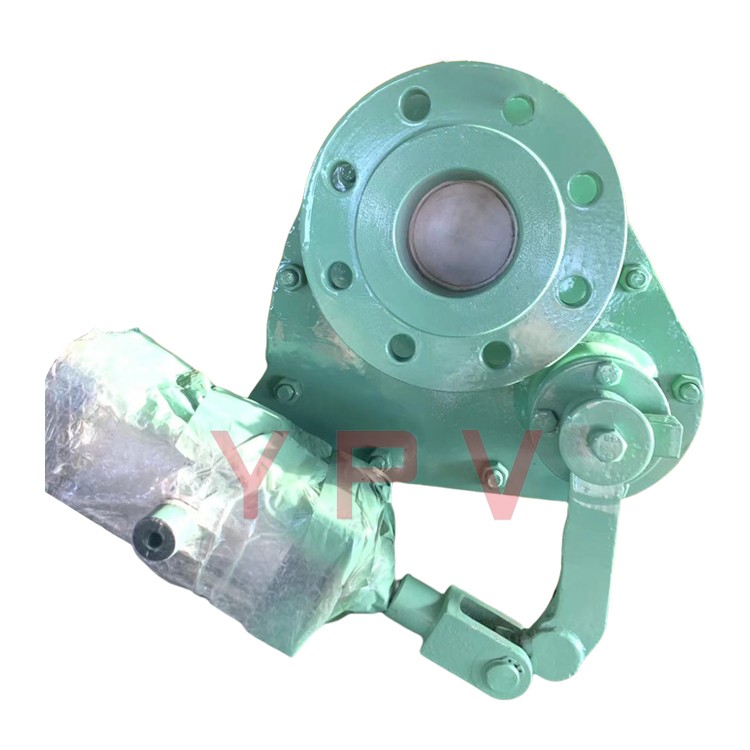
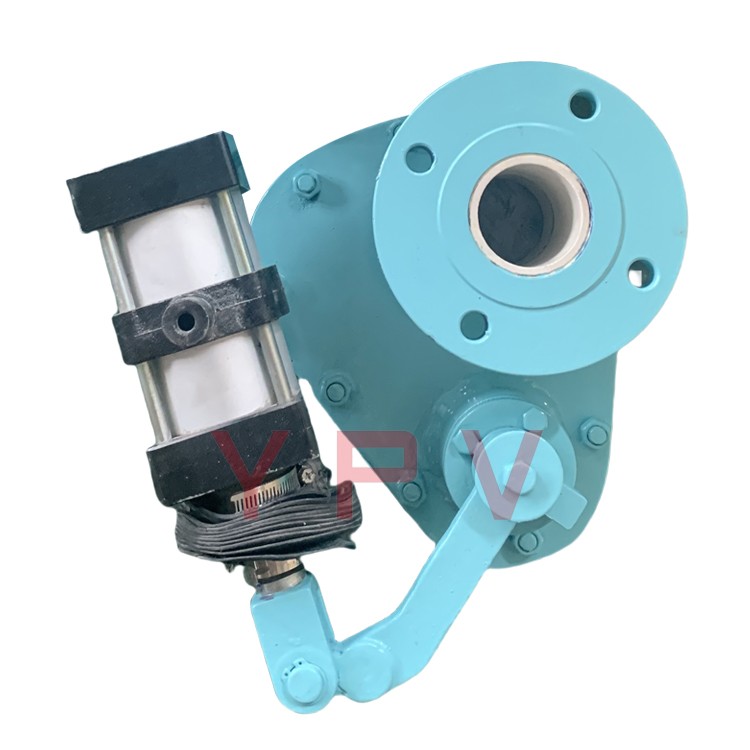
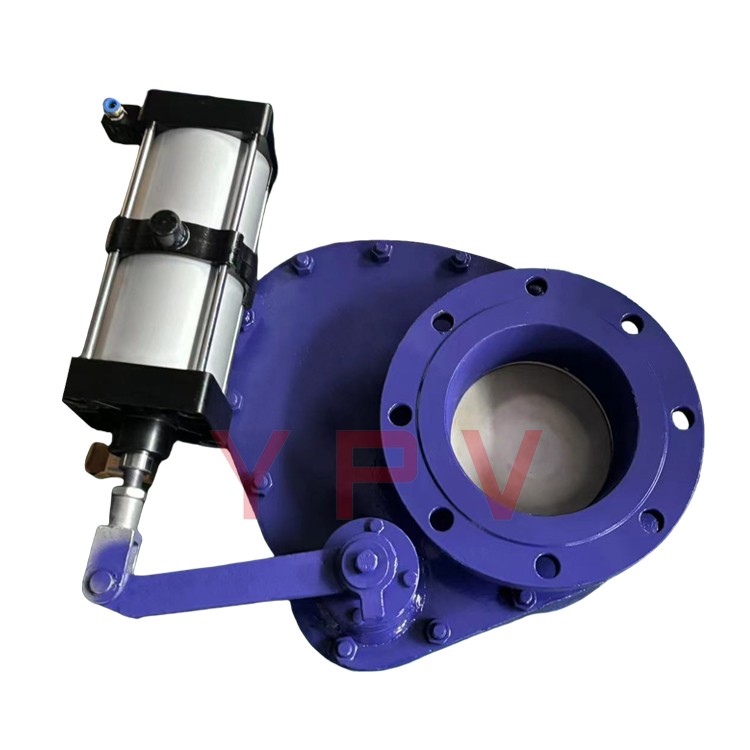


Nominal Bore: DN15mm~DN500mm (1/4"~20")
Nominal Pressure: PN 1.0~4.0 MPa (150~300 Lbs)
Operating Temperature: ≤ 300℃
Material: Carbon Steel
Medium: lithium powder, polycrystalline silicon, coal powder, powdered granules, gypsum liquid, sulfuric acid, hydrochloric acid, and other corrosive media
Widespread Applications: Pipeline systems in new energy, electricity, oil, and chemical industries.
An electric ceramic ball valve is a high-performance fluid control device that combines the advantages of an electric actuator and a ceramic ball valve, featuring excellent corrosion resistance, wear resistance, high-temperature resistance, and sealing performance. It operates by rotating the ceramic ball 90 degrees through the actuation of an electric actuator, thereby controlling the flow rate of the medium in the pipeline. When current is applied to the electric actuator, the gears inside the actuator rotate the ceramic ball, altering the flow rate of the medium in the pipeline, achieving the purpose of automated control.
Structural Features
The main components of an electric ceramic ball valve include the valve body, ball, electric actuator, seals, and other accessories. The valve body is typically made of corrosion-resistant and high-strength materials, while the ball is crafted from high-performance ceramic materials, boasting high hardness, wear resistance, and corrosion resistance. The electric actuator is responsible for rotating the ball, and the seals ensure the valve's sealing performance when closed.
Performance Advantages
Excellent corrosion resistance: Ceramic materials offer superior resistance to corrosion, capable of withstanding the侵蚀 of various corrosive mediums, thereby extending the lifespan of valves.
Excellent wear resistance: The ceramic material features high hardness and good wear resistance, effectively reducing friction and wear between the ball and valve seat, enhancing the valve's sealing performance and service life.
High-Temperature Resistance: Ceramic materials can withstand high-temperature environments, ensuring stable operation of the valve under high-temperature conditions.
Excellent sealing performance: The spherical and valve seat components, made of elastic sealing structures and ceramic materials, achieve superior sealing effects and prevent medium leakage.
Application Fields
Electromagnetic ceramic ball valves are widely used in various fields, including:
Chemical Industry: Used for regulating and cutting off corrosive mediums such as various acids, bases, and salts.
Petroleum and Natural Gas Industry: Used for regulating and cutting in oil and gas pipelines, ensuring safety and stable operation of the pipelines.
Power Industry: Used for conveying critical media such as cooling water, boiler feed water, and turbine lubricating oil.
Industry: For control and shutdown of high-purity chemicals, ensuring product quality and safety.
Food Processing Industry: Used for controlling the conveyance of food raw materials to ensure food safety and hygiene.


















