
















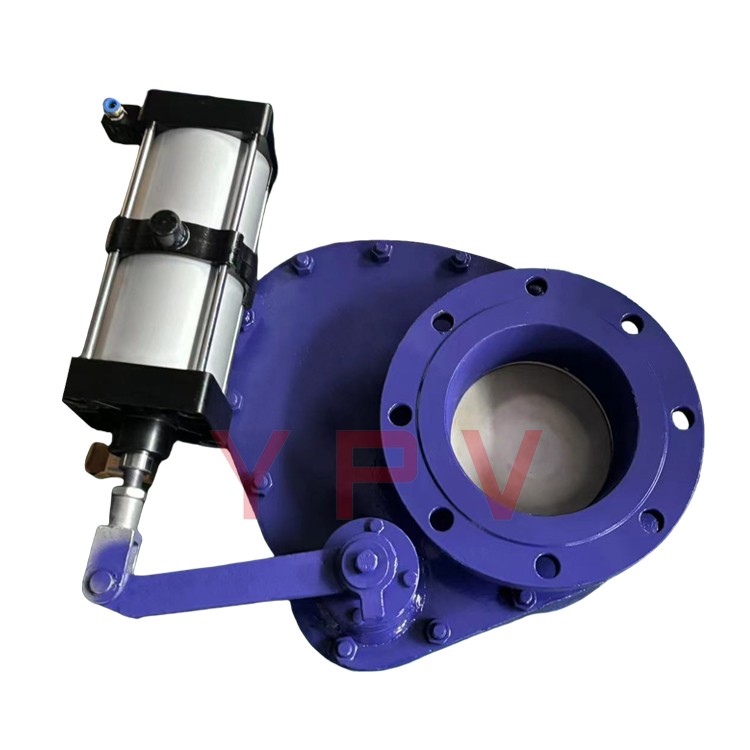


Nominal Diameter: DN50mm~DN500mm (2"~20")
Nominal Pressure: PN 1.0~2.5 MPa (150~300 Lbs)
Operating Temperature: ≤ 200℃
Material: Carbon steel, stainless steel, etc.
Medium: Lithium powder, dry ash, coal powder, chemical processing powder, etc.
Widespread Application: Pipeline systems in new energy, electricity, oil, chemical industry, pneumatic conveying, etc.
Pneumatic dome valves are commonly used control valves that operate using air pressure or gas as power. They achieve the on/off and adjustment of fluids and gases by controlling the lifting and rotation of the valve disk. They are widely applied in coal chemical, petrochemical, rubber, papermaking, and other pipelines as devices for分流/合流 or flow direction switching of media.
Structure and Working Principle
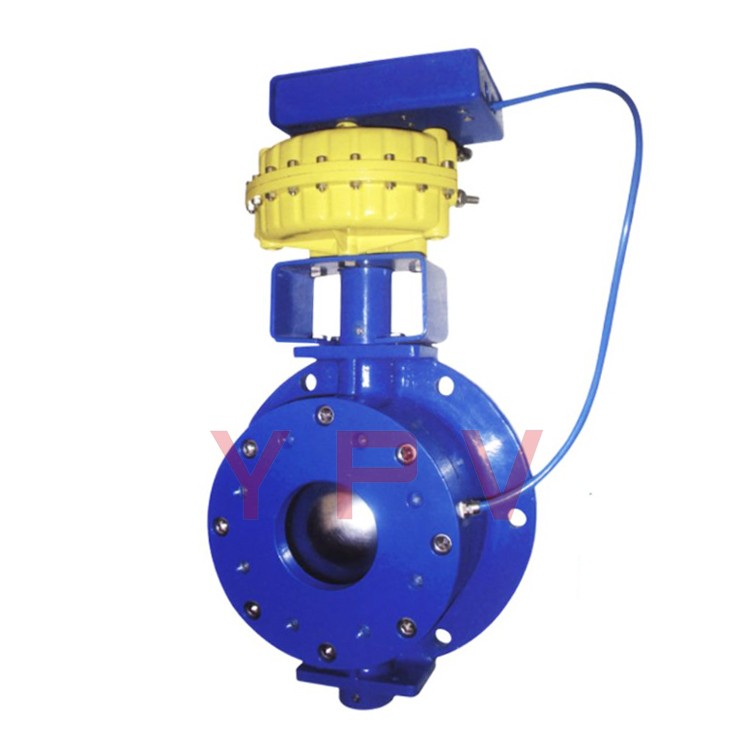
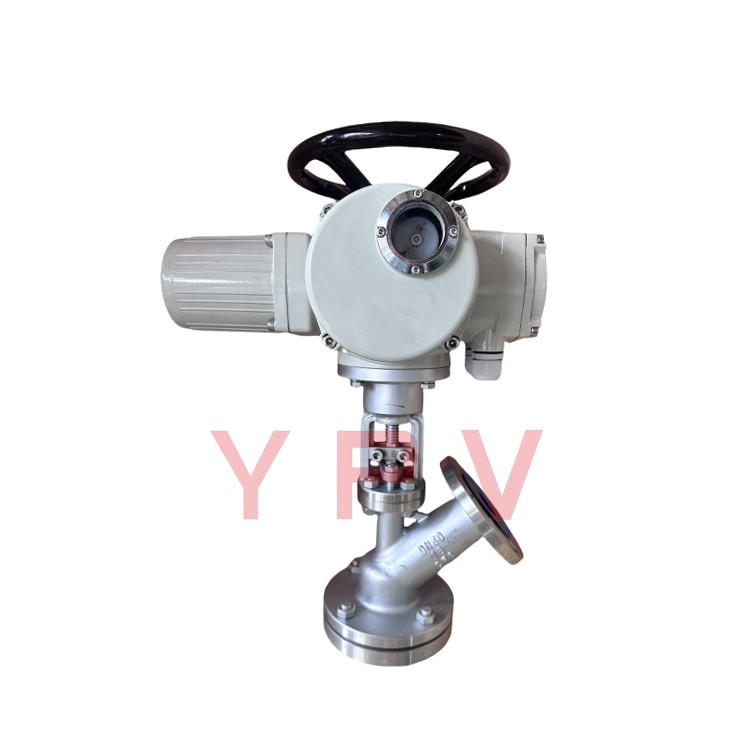
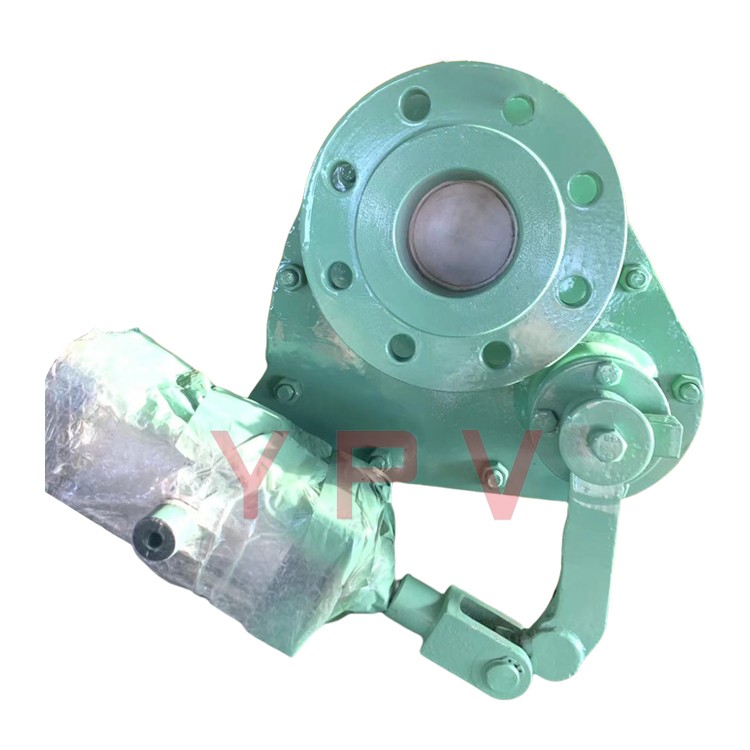
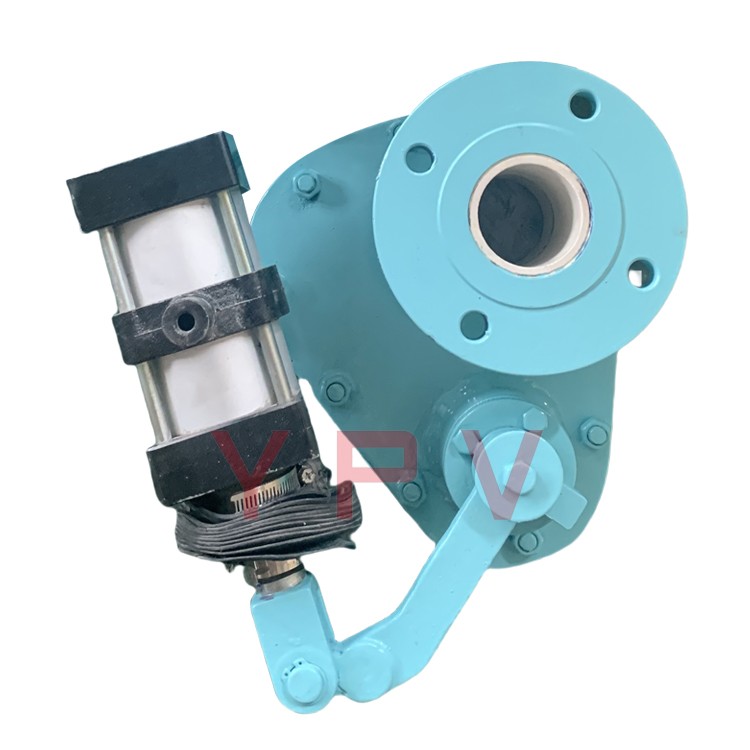
The pneumatic dome valve is primarily composed of key components such as the valve body, valve cover, valve plate (dome), pneumatic actuator, and sealing parts. The valve body is the main part of the valve, responsible for containing the medium and supporting other components; the valve cover is used to seal the valve body and form a seal with the valve plate; the valve plate (dome) is the core component of the valve, controlling the flow of the medium through its lifting and rotation; the pneumatic actuator receives control signals to drive the movement of the valve plate; sealing parts ensure the sealing performance of the valve when closed.
Upon receiving a control signal, the pneumatic actuator transmits compressed air to the dome of the valve through a motion transmission device, causing the dome to move downward and open the valve. When the compressed air in the air source is disconnected, the motion transmission device stops transmitting compressed air, and the dome is moved upward by the inherent spring force of the valve, closing the valve. In this manner, the pneumatic dome valve can control the flow of the medium.
Features and Advantages
Seal integrity: The pneumatic dome valve utilizes a dome-shaped valve plate that tightly conforms to the inner wall of the pipeline, achieving excellent sealing performance and effectively preventing material leakage.
High wear resistance: Valve plates and seals are made from wear-resistant materials, allowing for long-term use in harsh conditions, thereby reducing the frequency of maintenance and replacement.
High temperature and pressure resistance: Capable of withstanding high temperatures and pressures in material conveyance, with strong adaptability.
Automation Control: Compatible with automation control systems for remote operation and monitoring, enhancing production efficiency and safety.
Easy Maintenance: Simple structure, easy to disassemble, convenient for daily maintenance and upkeep.
Application Fields
Pneumatic dome valves are widely used in the following fields:
New Energy: Used to control the flow of various media, ensuring stable system operation.
Food Processing & Packaging: Used for controlling the flow of powdery, granular materials, etc., due to its excellent sealing performance and easy-to-clean characteristics, ensuring product hygiene and quality.
Pneumatic Conveying System: A critical component in the pneumatic conveying system, used for cutting off or sealing the flow of material, ensuring the filling rate of the pressure tank without relying on the material level sensor of the conveying tank.
Mining: Used for conveying coal, ore, and other solid materials.


















