
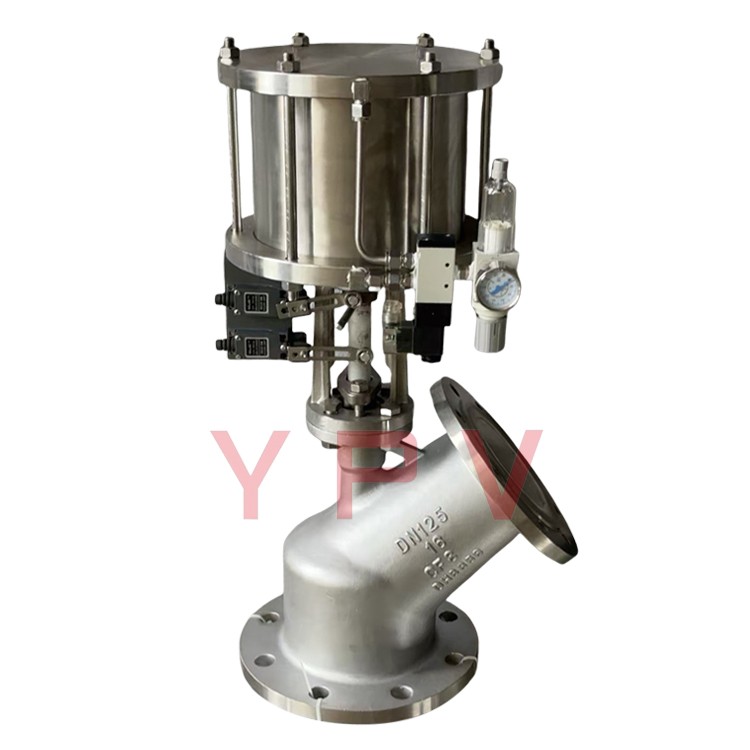












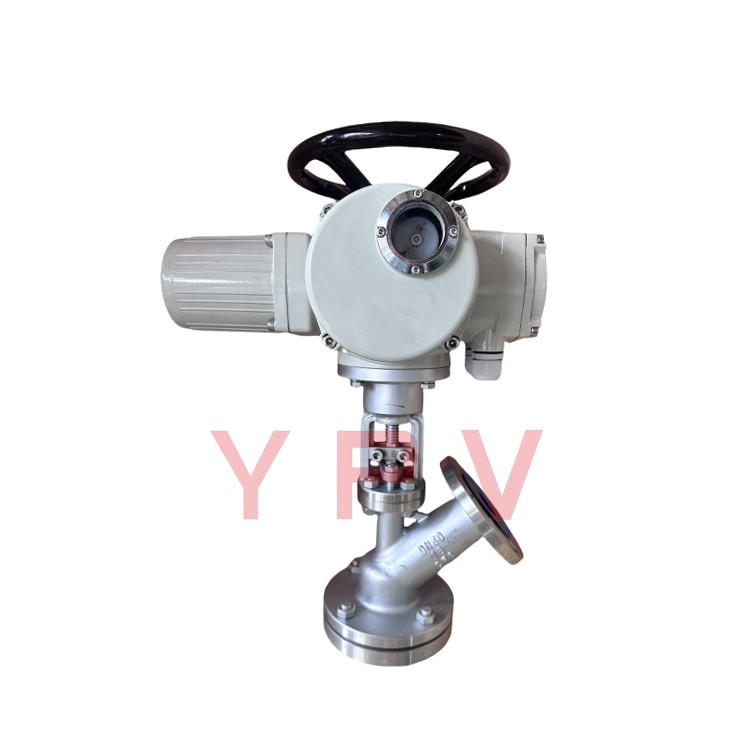
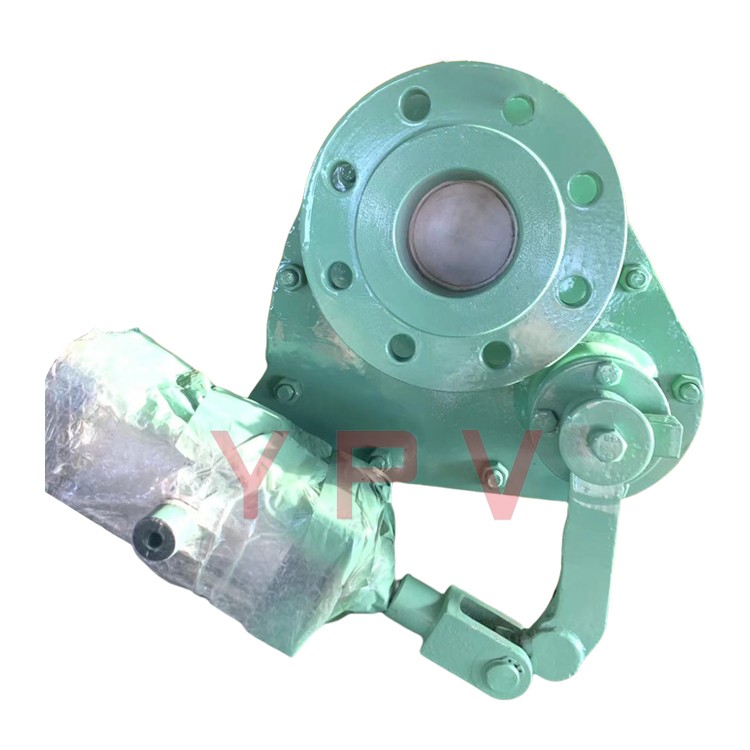
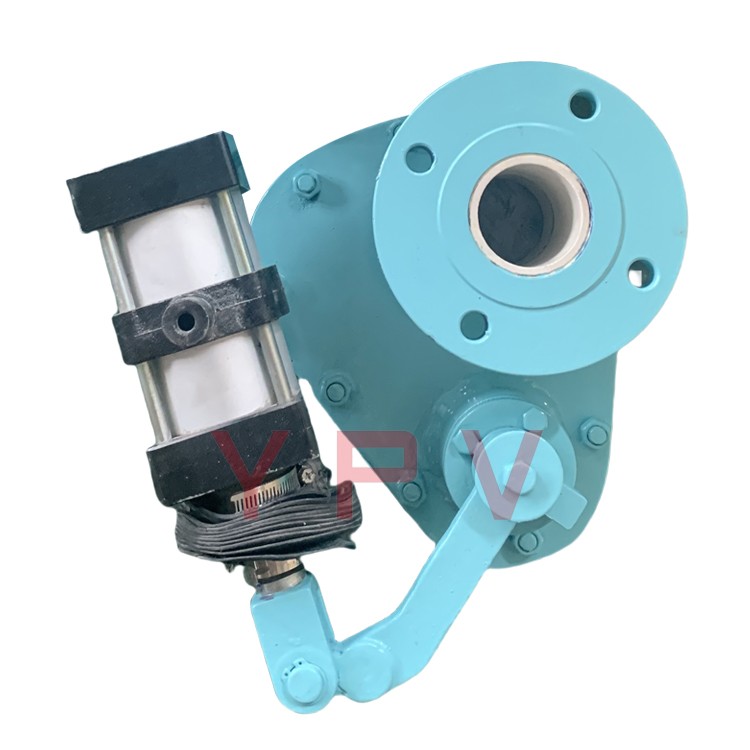
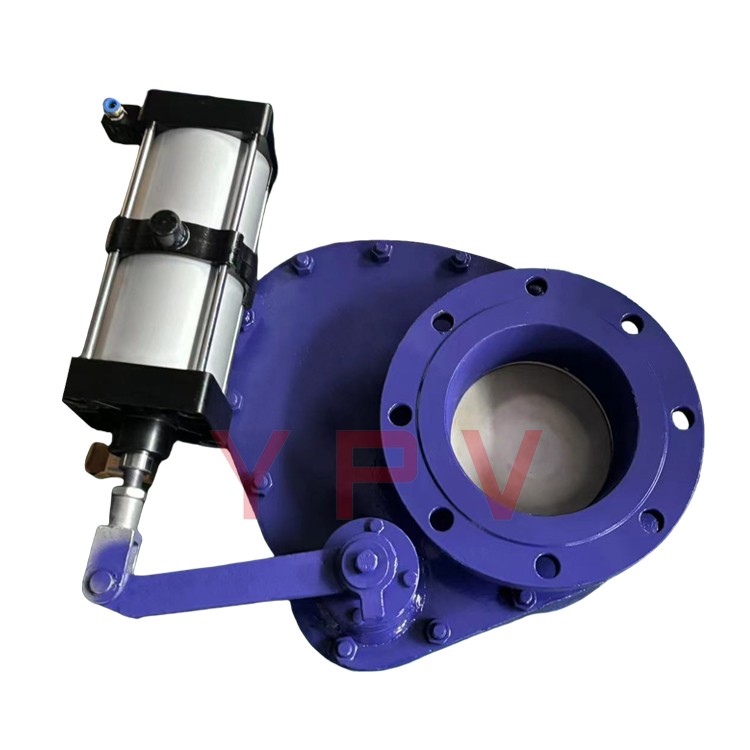


An pneumatic ceramic discharge valve is a valve controlled by an pneumatic actuator, primarily used for discharging materials such as dry powders and slurries. Its structure includes the valve body, valve disc, seal ring, valve stem, bracket, handwheel, flange, nut, and locating screw, among other components.
Performance and Application
The pneumatic ceramic discharge valve features the following characteristics:
Operation Easy: Pneumatic actuators make valve opening and closing operations simple and quick.
Flexible and Reliable Movement: Simple valve disc assembly and maintenance, reasonable sealing structure, and convenient and practical sealing ring replacement._
High corrosion resistance: The valve body and disc are made of high-hardness alloys or ceramics, coated with a wear-resistant layer, suitable for various acidic, alkaline, salt solutions, and organic solvents.
Wide Application Range: Suitable for industries such as chemicals, papermaking, metallurgy, and food, used for discharging materials from the bottom of storage tanks for various dry powders and slurry.
Structural Features
The structural features of the pneumatic ceramic discharge valve include:
Valve Body: Features a Y-type design, offering low flow resistance and smooth discharge.
Disc and seat: Made of high-hardness alloy or ceramic, featuring excellent wear and corrosion resistance.
Standard of Execution: Design and manufacturing in compliance with ASME B16.34, flanged joints in accordance with ASME B16.5, and testing and inspection in compliance with API 598.
Application Scenario
Pneumatic ceramic discharge valves are widely used in various industrial fields, particularly in chemical, papermaking, metallurgy, and food industries, for discharging materials from storage tanks containing dry powders and slurry at the bottom. Their corrosion and wear resistance make them excel in handling various acidic, alkaline, salt solutions, and organic solvents.