
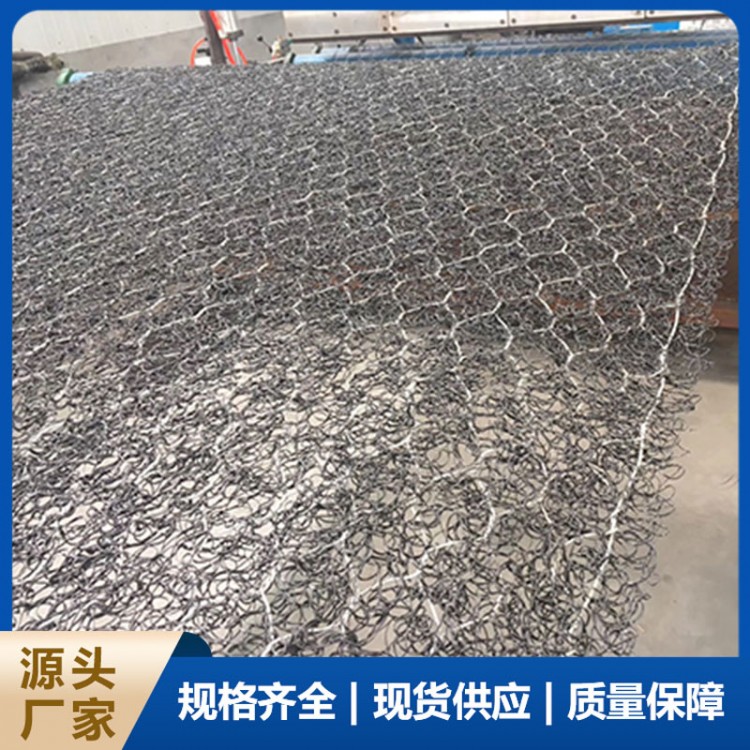













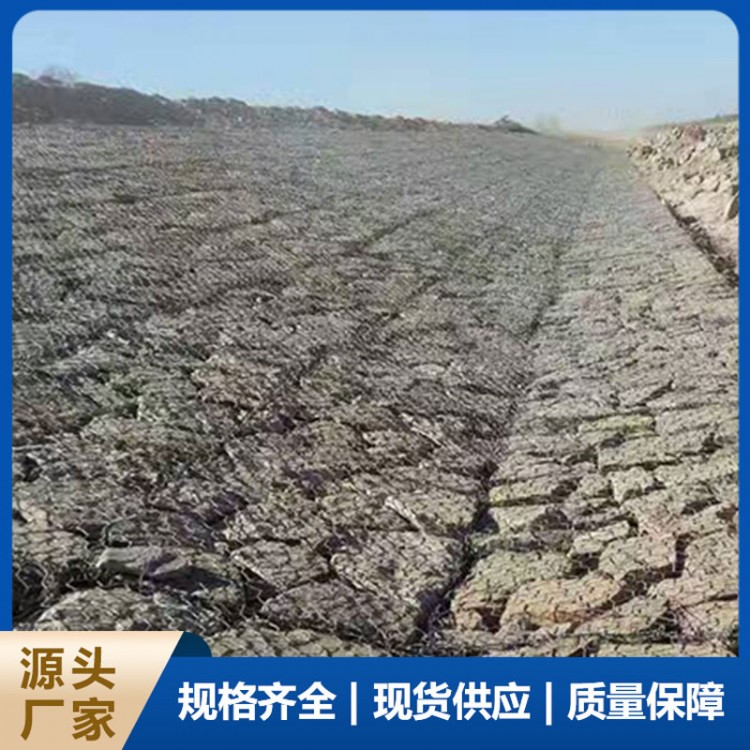
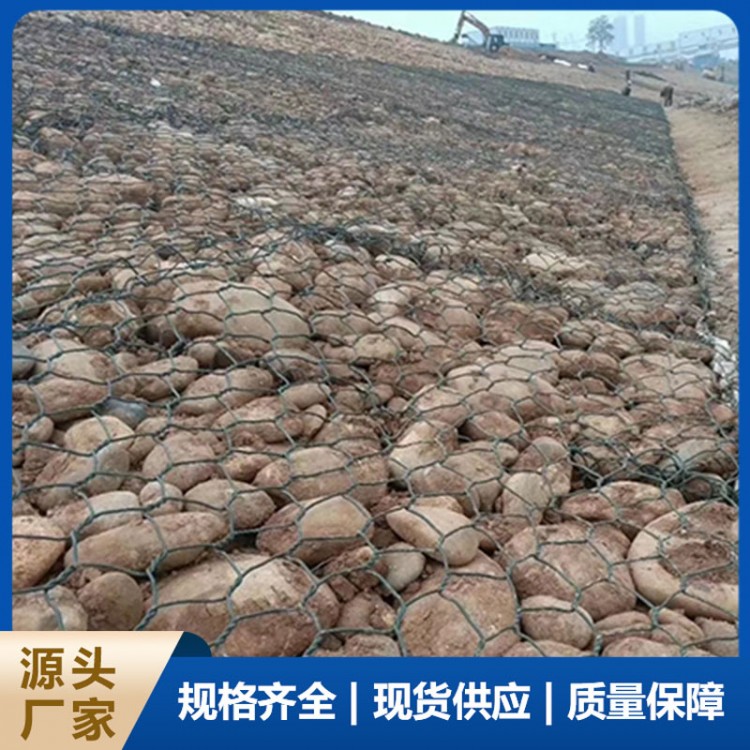
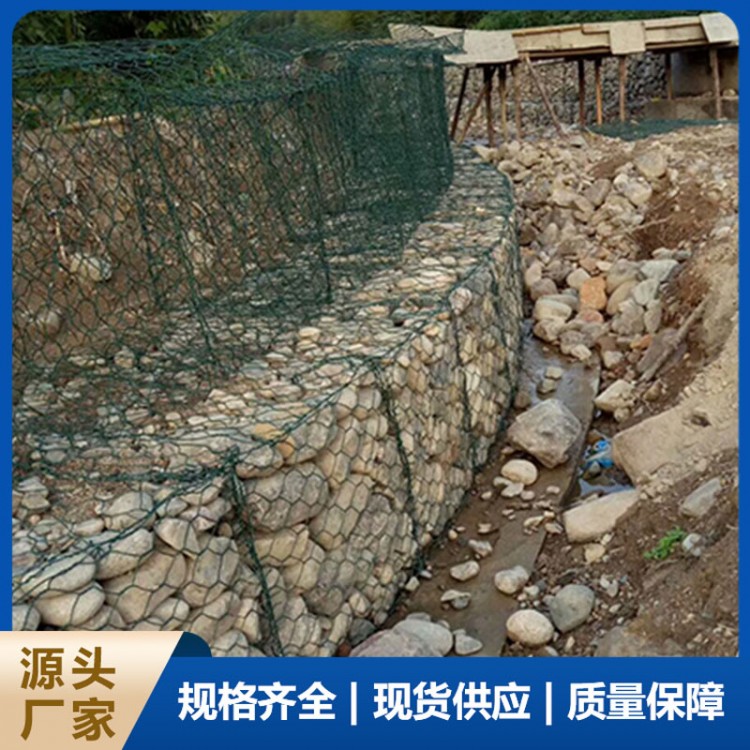
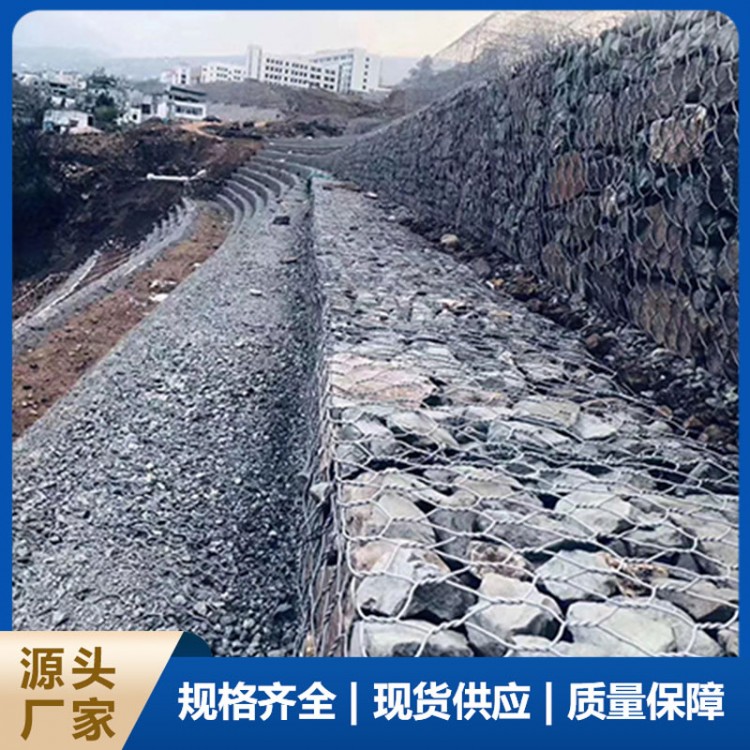
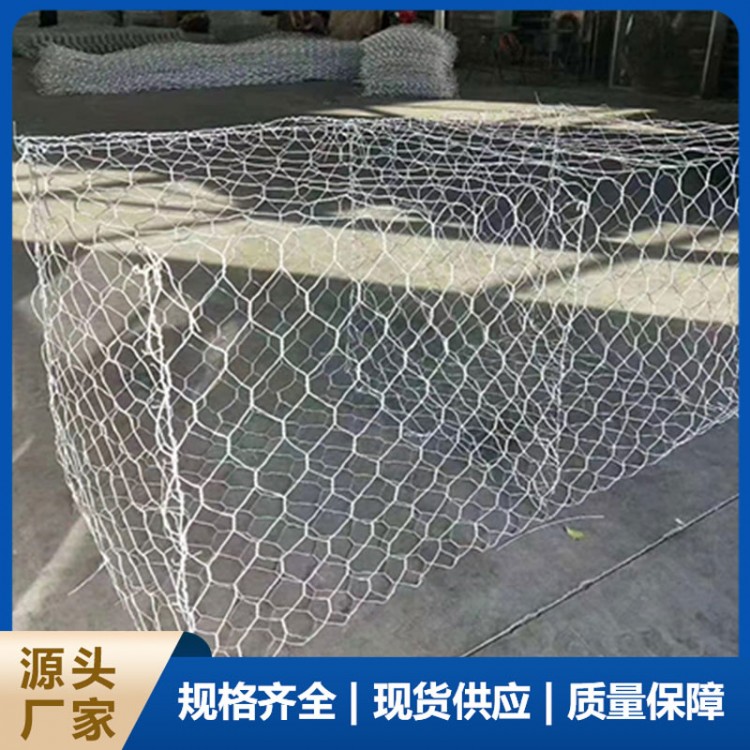
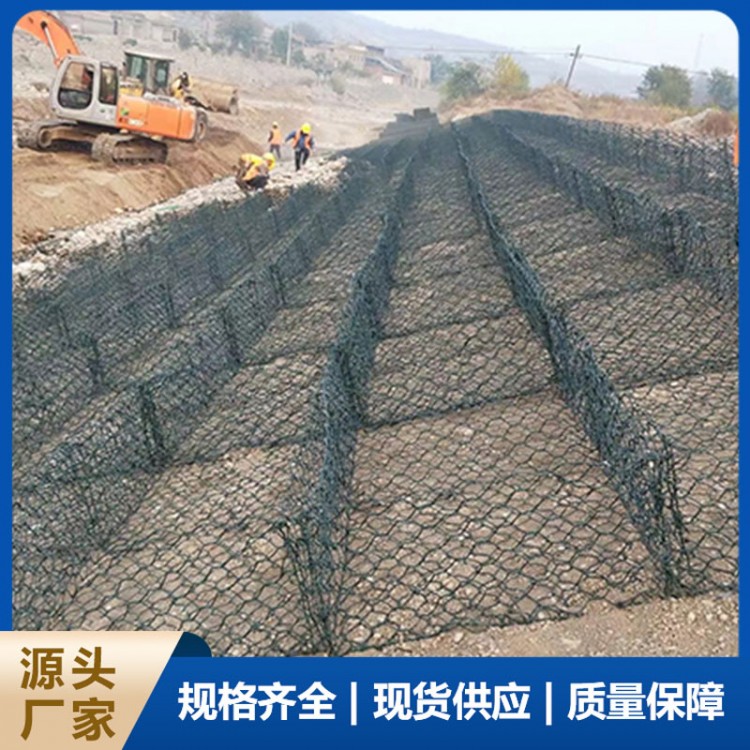
Reinforced Macadam Mat is a reinforced three-dimensional geotextile mat, formed by extruding three-dimensional polyester material onto a woven hexagonal wire mesh surface. The wire is galvanized with Galfan (5% aluminum-zinc alloy + rare earth elements, meeting EN10244-2, CLASS standards) for corrosion resistance, featuring superior characteristics to EN10223-3 standards. This synthetic material combines the perfect erosion resistance of geotextile mats, offering higher mechanical tensile strength and stronger erosion resistance. It is used in road, railway, and subgrade drainage applications, with excellent permeability, allowing for unimpeded soil and water exchange on slopes, and it prevents frost heave, ensuring the stability of the project.
Key characteristics of reinforced macadam mats in actual slope protection applications:
Before the turf takes root, it can protect the land surface from erosion by wind and rain.
2. Can firmly maintain grass seeds evenly distributed across the slope, preventing loss due to wind and rain erosion.
3. Black net padding can absorb heat in large quantities, increase soil moisture, and promote seed germination, extending the plant's growth period.
4. Due to the rough surface, it generates countless vortices on the surface of the mat from wind and water flow, thereby creating a dissipation effect, causing its carried materials to settle in the mat.
5. The composite protective layer formed after the plant grows can withstand the erosion from high water levels and strong currents (can endure 3-4 m/s within 2 days, and 5-6 m/s within 4-5 hours).
6. Alternative slope protection materials for concrete, asphalt, and rubble, used for road, railway, river, embankment, and hillside protection.
7. Significantly reduces construction costs, at 1/7th the cost of C15 concrete and dry stacked stone retaining walls, and 1/8th the cost of wet stacked stone retaining walls.
8. Upon laying on sandy terrain, it can prevent sand dune movement, enhance surface roughness, increase surface sedimentation, alter the surface's physical and chemical properties, and improve the local ecological environment.
WeChat Official Account

Scan to follow Official Account